

- Home
-
Trailers
- Box Trailers >
-
Flat Top/Flat Bed Trailers
>
- Single Axle Flatbed Trailers >
-
Tandem Axle Flatbed Trailers
>
-
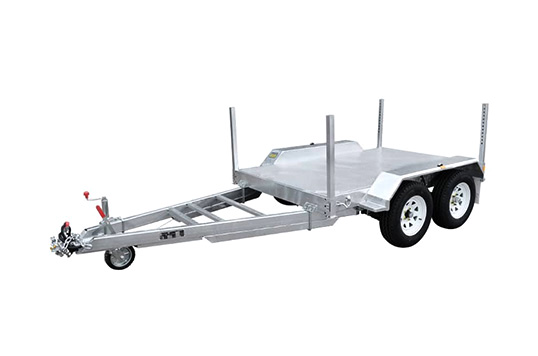 8×5ft ATM 1990KG Flat Top /Flat Bed TrailerTrail...
 -
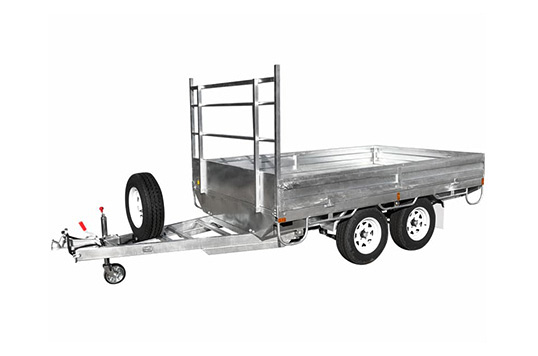 10×6.3ft ATM 2800KG Flat Top /Flat Bed Tandem TrailerTrail...
 -
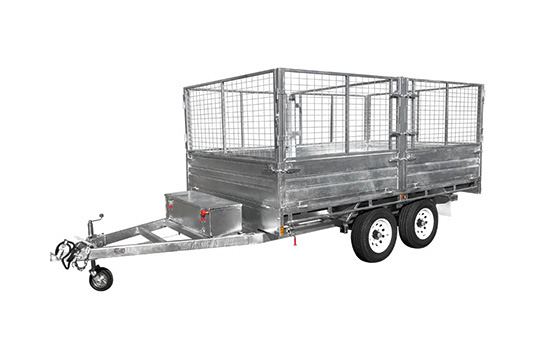 10×6ft ATM 3500KG Flat Top /Flat Bed Hydraulic Tipper TrailerTrail...
 -
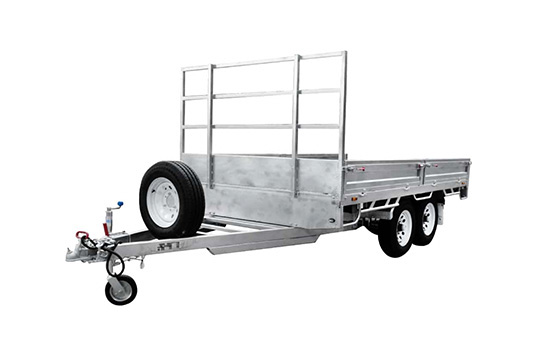 12×7ft ATM 3500KG Flat Top /Flat Bed Tandem TrailerTrail...
 -
14×7ft 3500KG ATM Flat Bed Tandem TrailerTrail...
-
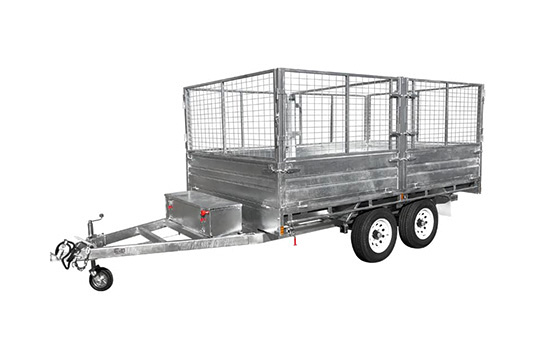 12×7ft ATM 3500KG Tandem Flatbed Hydraulic Tipper TrailerTrail...
-
- Tri Axle Flatbed Trailers >
- Hydraulic Tippers >
- Cattle/ Livestock Trailers >
-
Boat, Kayak & Jet Ski Trailers
>
-
Single Axle Rollers Boat Trailer
>
-
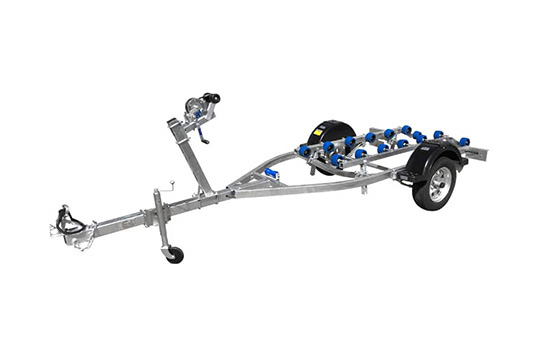 4100 Series 750KG ATM Single Axle Rollers Boat TrailerTrail...
 -
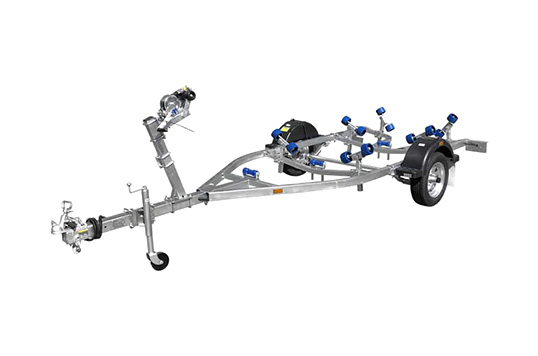 4500 Series 750KG ATM Single Axle Rollers Boat TrailerTrail...
 -
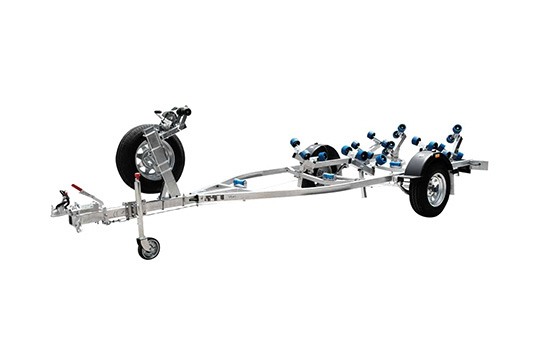 4900 Series 1200KG ATM Single Axle Rollers Boat TrailerTrail...
 -
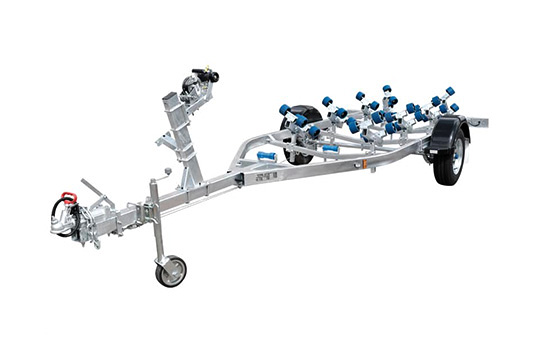 5700 Series 1500KG ATM Single Axle Rollers Boat TrailerTrail...
 -
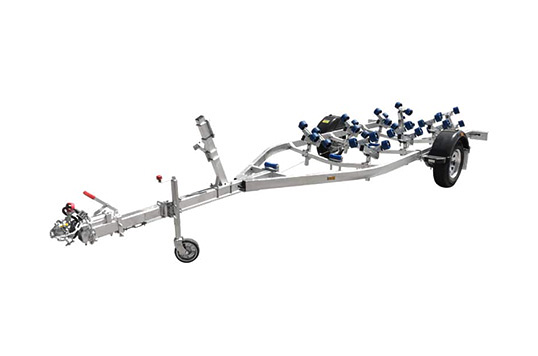 6300 Series 1500KG ATM Single Axle Rollers Boat TrailerTrail...
-
- Single Axle Skid Boat Trailer >
- Tandem Axle Rollers Boat Trailer >
- Kayak & Canoe Trailer >
-
Single Axle Rollers Boat Trailer
>
- Motorcycles, ATV & Buggy Trailers >
- Car & Plant Trailers >
- Gardening & Mowing Trailers >
-
Builders/Tradesman Trailers
>
-
Single Axle Fully Enclosed & Luggage Trailer
>
-
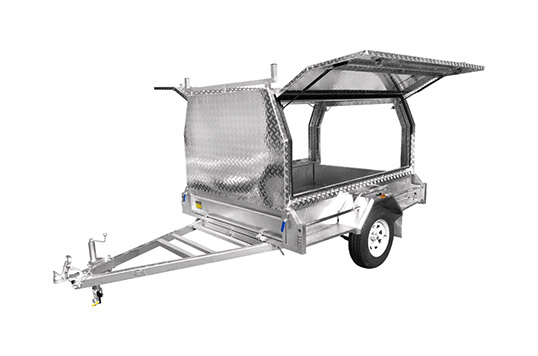 6×4ft Small Tradesman/ Builders TrailerTrail...
 -
 7×4ft Tradesman/ Builders TrailerTrail...
 -
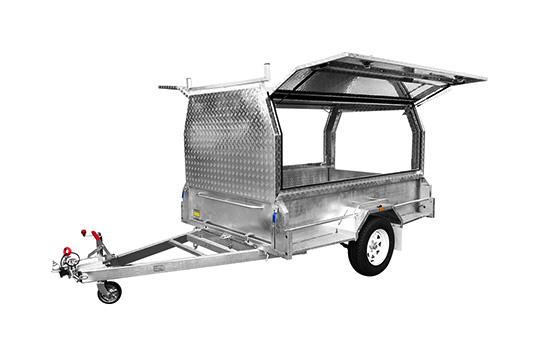 7×5ft Tradesman/ Builders Trailer with Aluminium CanopyTrail...
 -
8×5ft Durable Tradesman/ Builders TrailerTrail...
-
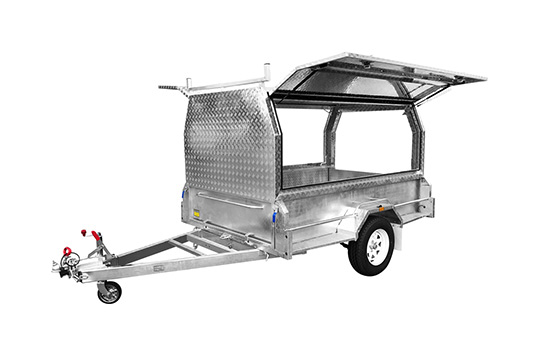 8×6ft ATM 750KG Tradesman/ Builders TrailerTrail...
 -
7×5ft Heavy Duty Tradesman/ Builders TrailerTrail...
-
8×5ft Heavy Duty ATM 1400KG Tradesman/ Builders TrailerTrail...
-
8×6ft Heavy Duty Enclosed Tradesman/ Builders TrailerTrail...
-
-
Tandem Axle Builders/Tradesman Trailer
>
-
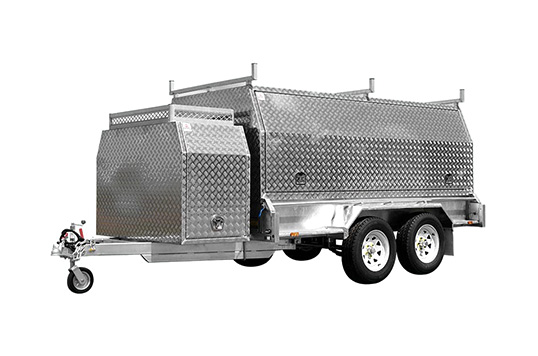 8×5ft Dual Axle Builders/Tradesman TrailerTrail...
 -
10×5ft Tandem Builders/Tradesman TrailerTrail...
-
10×6ft Tandem Builders/Tradesman TrailerTrail...
-
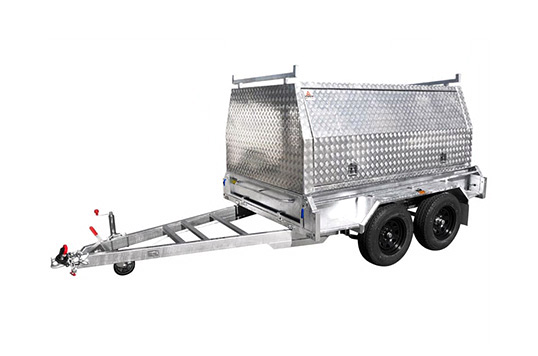 8×5ft Tandem Axle Tradesman/ Builders TrailerTrail...
 -
10×5ft Tandem Tradesman/ Builders TrailerTrail...
-
10×6ft Tandem Tradesman/ Builders Trailer with Aluminium CanopyTrail...
-
-
Single Axle Fully Enclosed & Luggage Trailer
>
- Enclosed/Luggage Trailers >
-
Toolboxes
-
Under Tray Toolboxes
>
-
Ute Under Tray Toolboxes
>
-
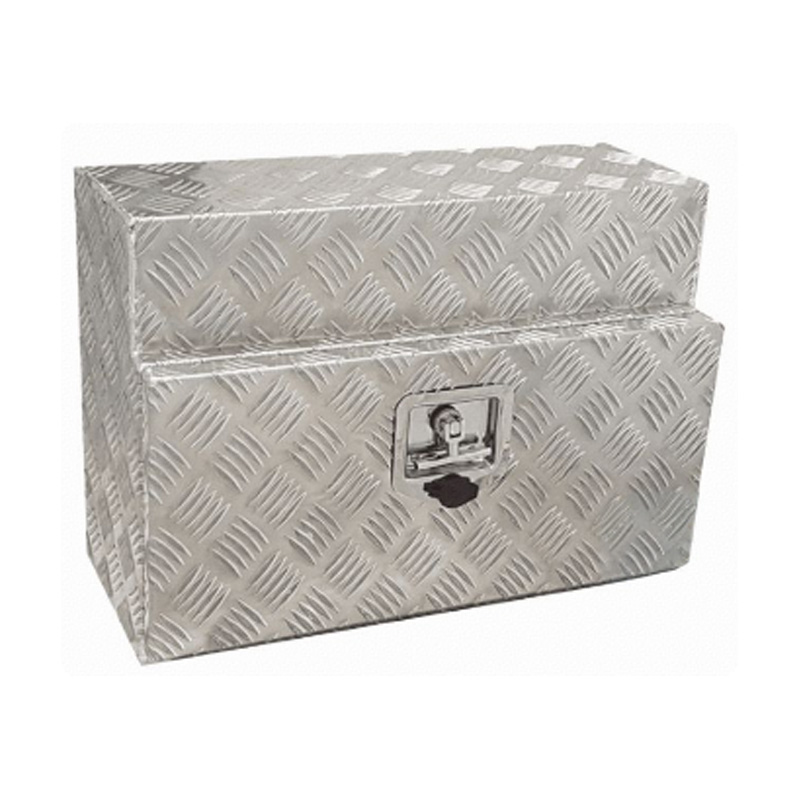 580 x 230 x 400mm Aluminium Checker Ute Toolbox Truck Storage Under Body Tray Storage Strap Tool BoxThickness:...
 -
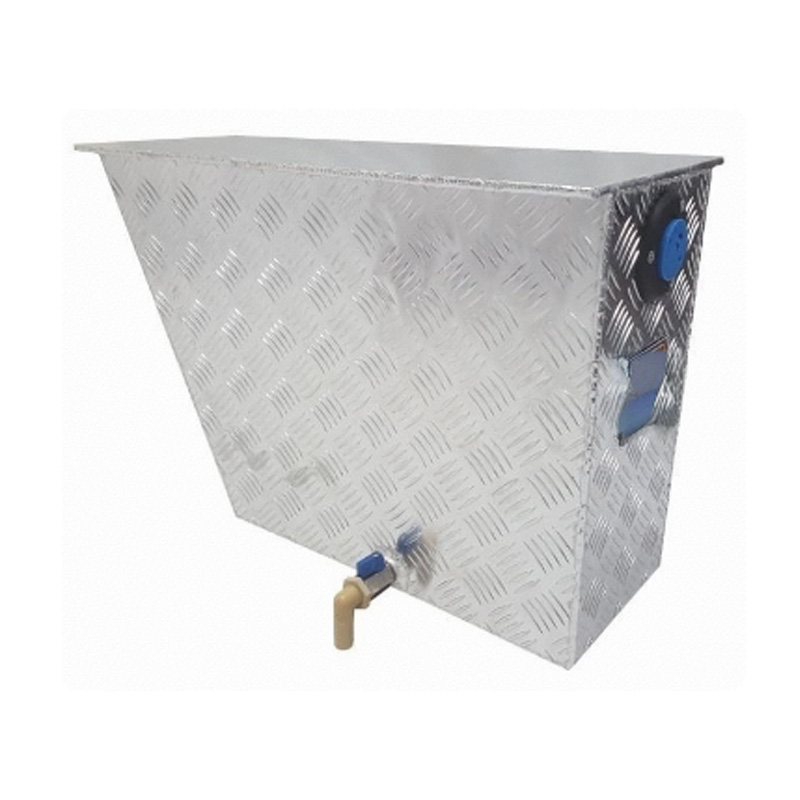 600 x 200 x 400mm Aluminium 20L Ute Camping Under Tray Body Box Storage Water TankThickness:...
 -
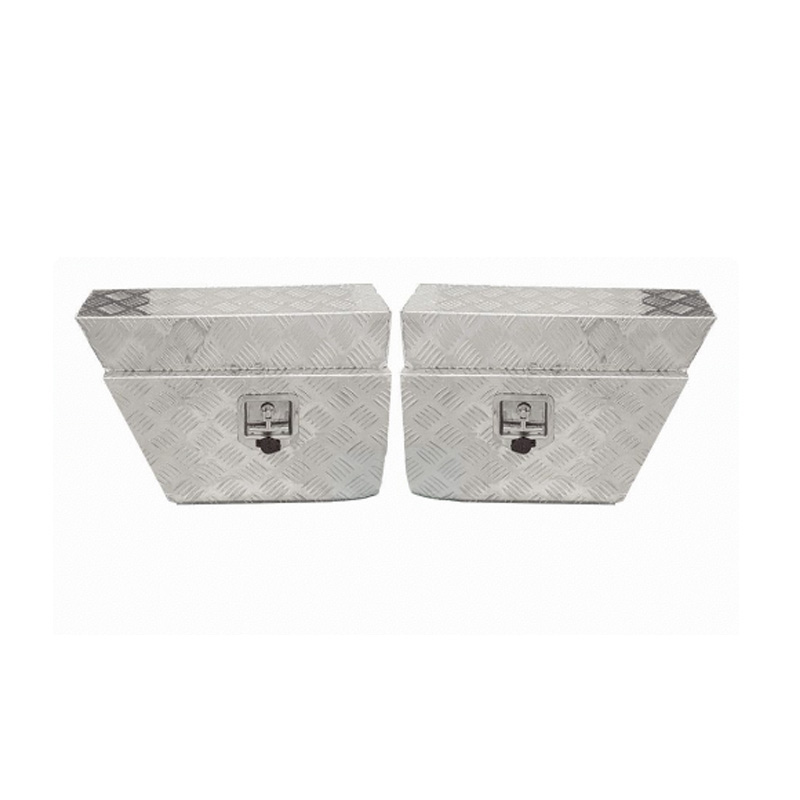 600 x 230 x 400mm Aluminium Pair Ute Toolbox Truck Storage Under Body Tray Storage Strap Tool Box Off Road TapperThickness:...
 -
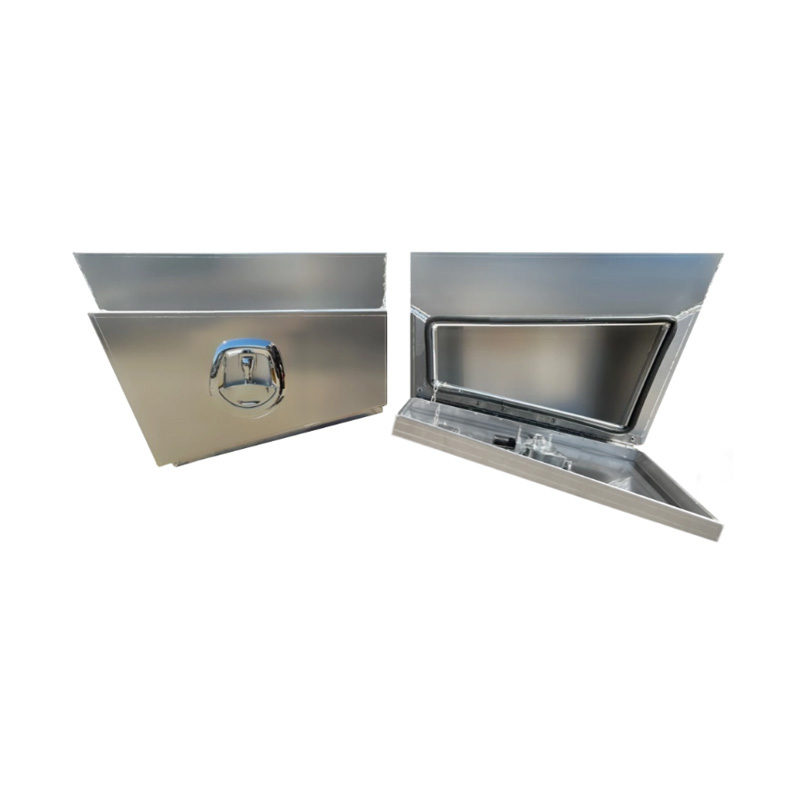 600 x 230 x 400mm Aluminium Set Pair Ute Toolbox Truck Storage Under Body Tray Storage Strap Tool Box Off Road TapperThickness:...
 -
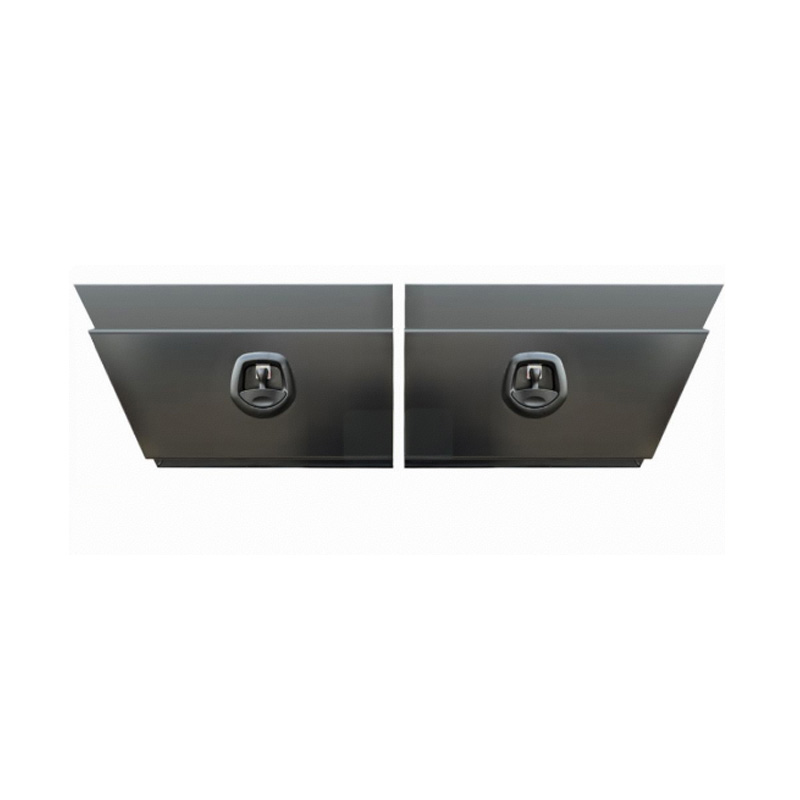 750 x 230 x 400mm Aluminium SET PAIR Ute Toolbox Truck Storage Under Body Tray Storage Strap Tool Box Off Road TapperThickness:...
 -
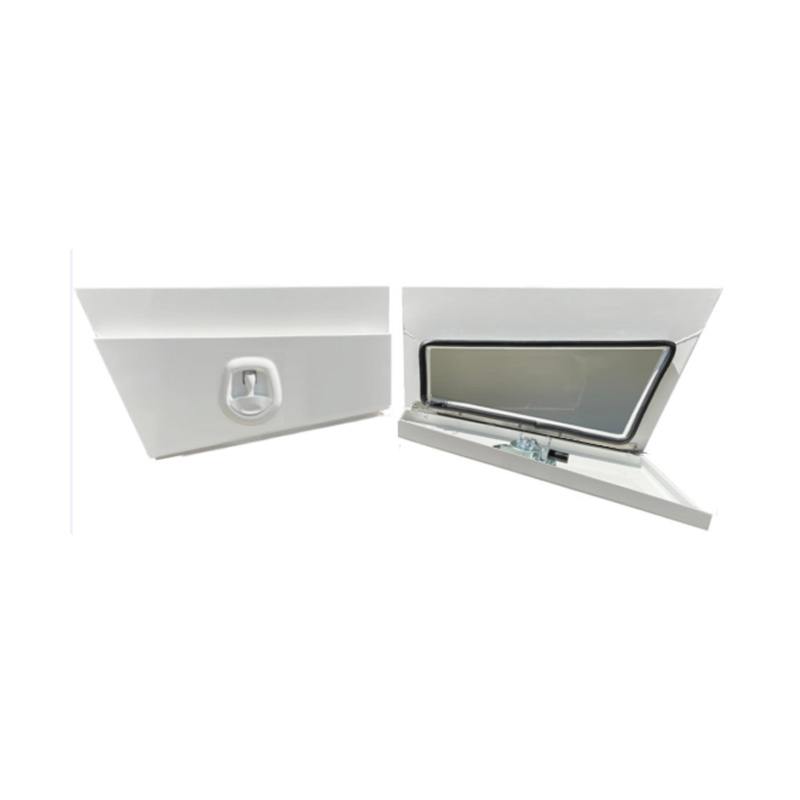 750 x 230 x 400mm Aluminium SET PAIR Ute Toolbox Truck Storage Under Body Tray Storage Strap Tool Box Off Road TapperThickness:...
 -
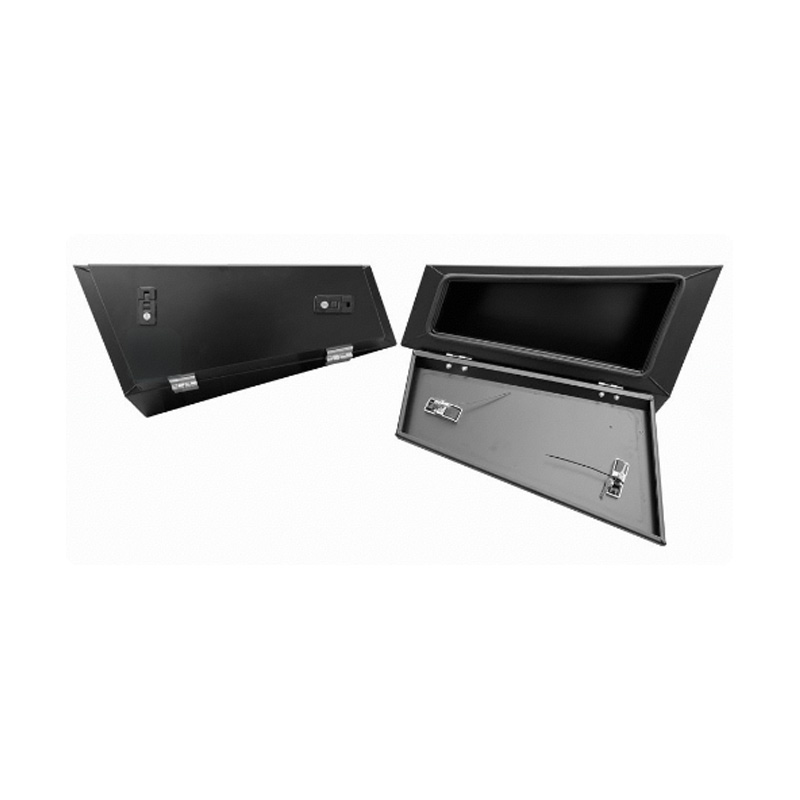 700 x 260 x 400mm (LIMITED EDITION) Under Tray Toolbox TapperedThickness:...
 -
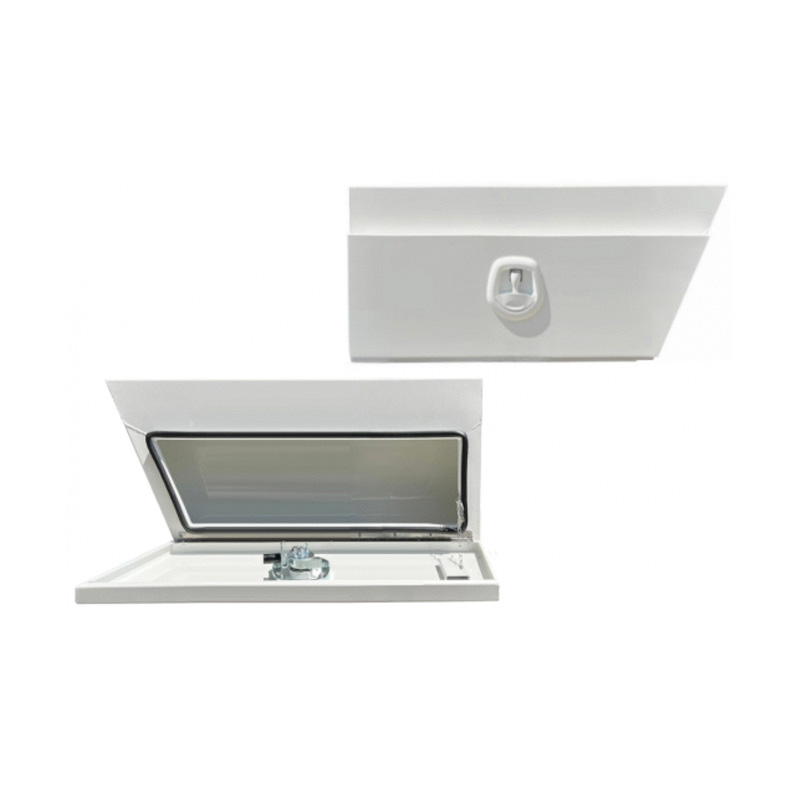 940 x 230 x 400mm Aluminium SET PAIR Ute Toolbox Truck Storage Under Body Tray Storage Strap Tool Box Off Road TapperThickness:...
 -
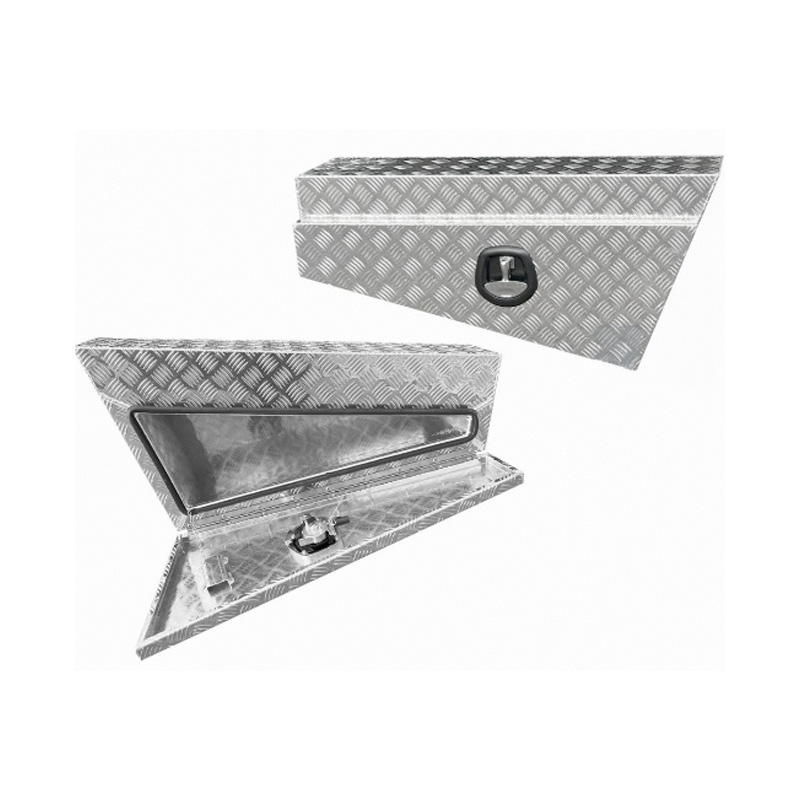 940 x 230 x 400mm Aluminium SET PAIR Ute Toolbox Truck Storage Under Body Tray Storage Strap Tool Box Off Road TapperThickness:...
 -
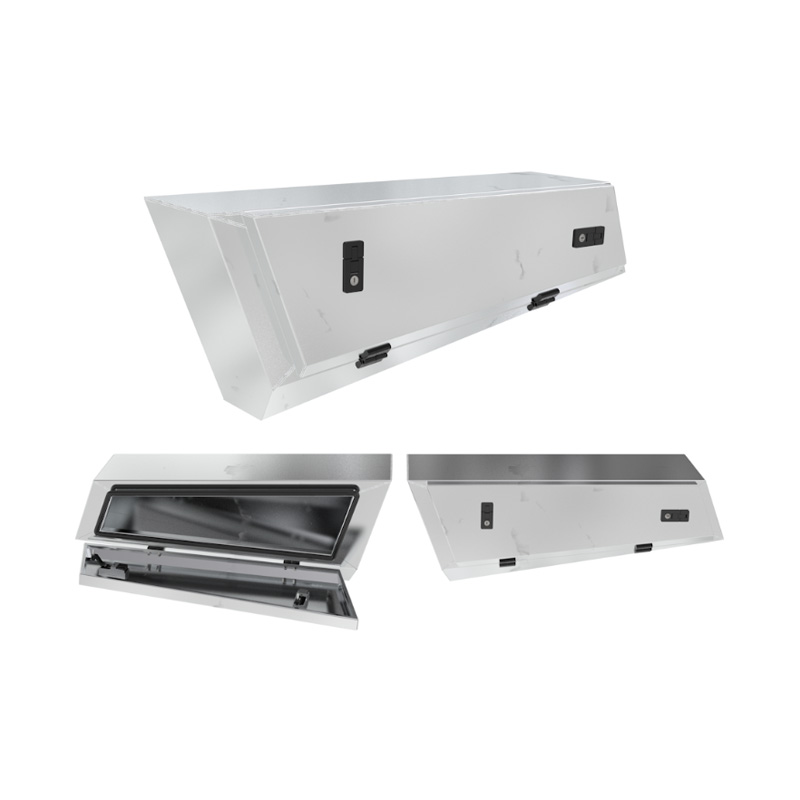 900 x 260 x 400mm (LIMITED EDITION) Under Tray Toolbox TapperedThickness:...
-
-
Truck Under Tray Boxes
>
-
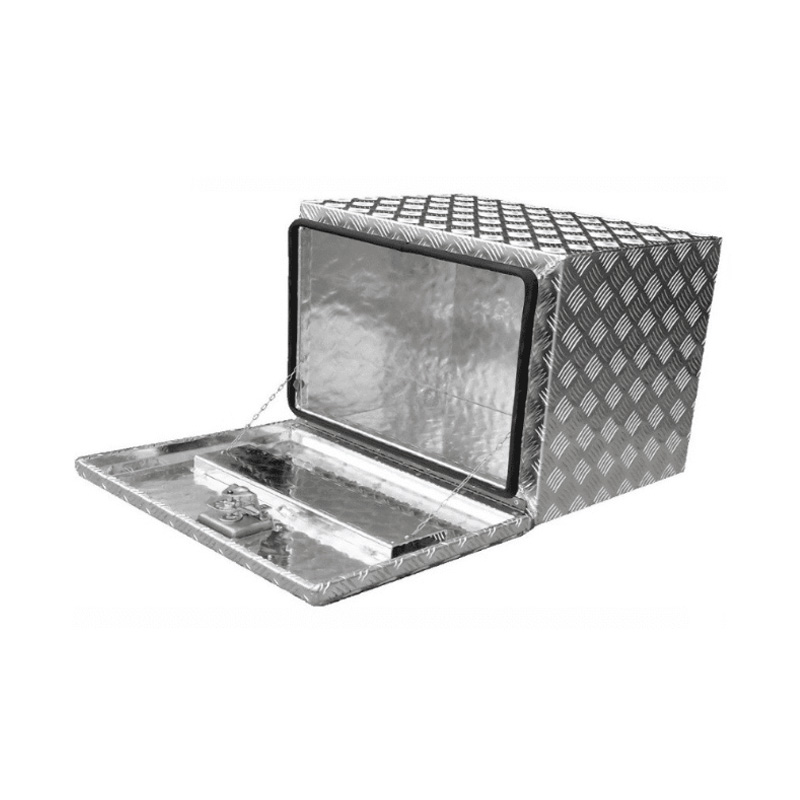 600 x 450 x 450mm Aluminium Checker Under Tray Body Tool box Truck Storage ToolboxThickness:...
 -
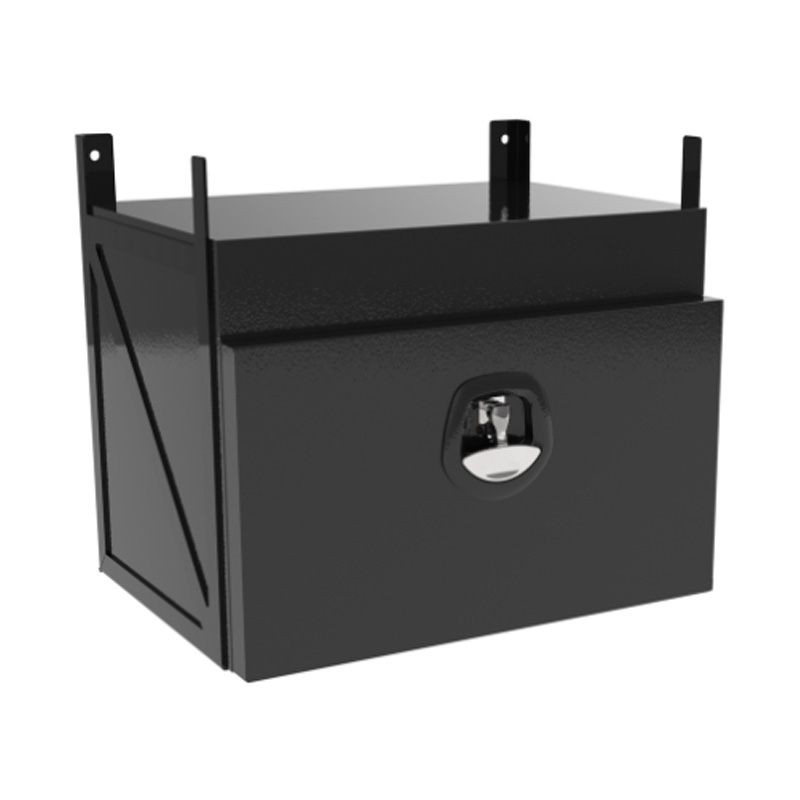 600 x 450 x 450mm Flat Aluminium Under Tray Body Tool box Truck Storage ToolboxThickness:...
 -
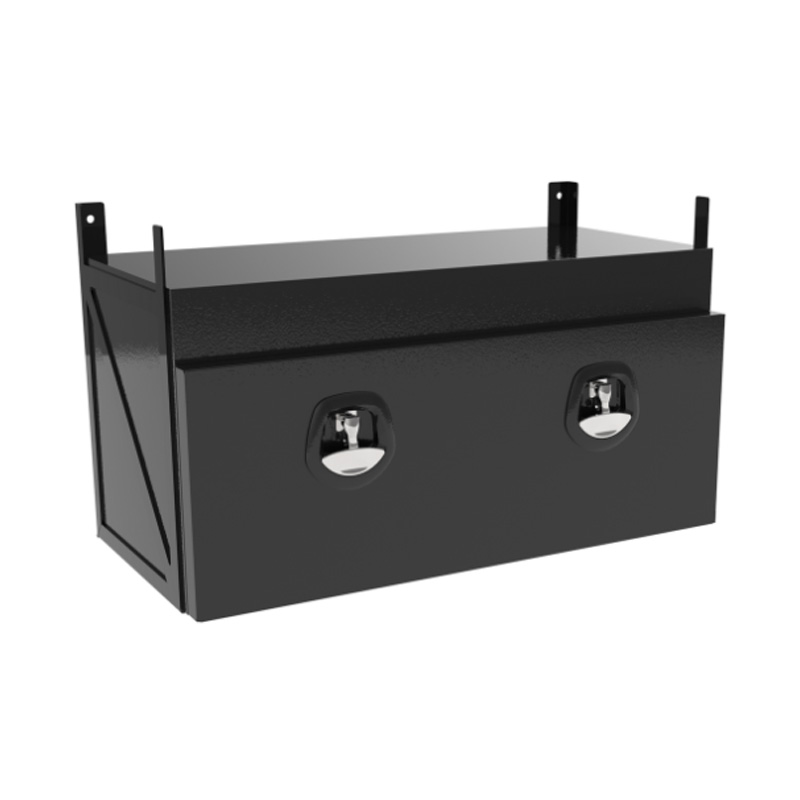 900 x 450 x 450mm Flat Aluminium Under Tray Body Tool box Truck Storage ToolboxThickness:...
 -
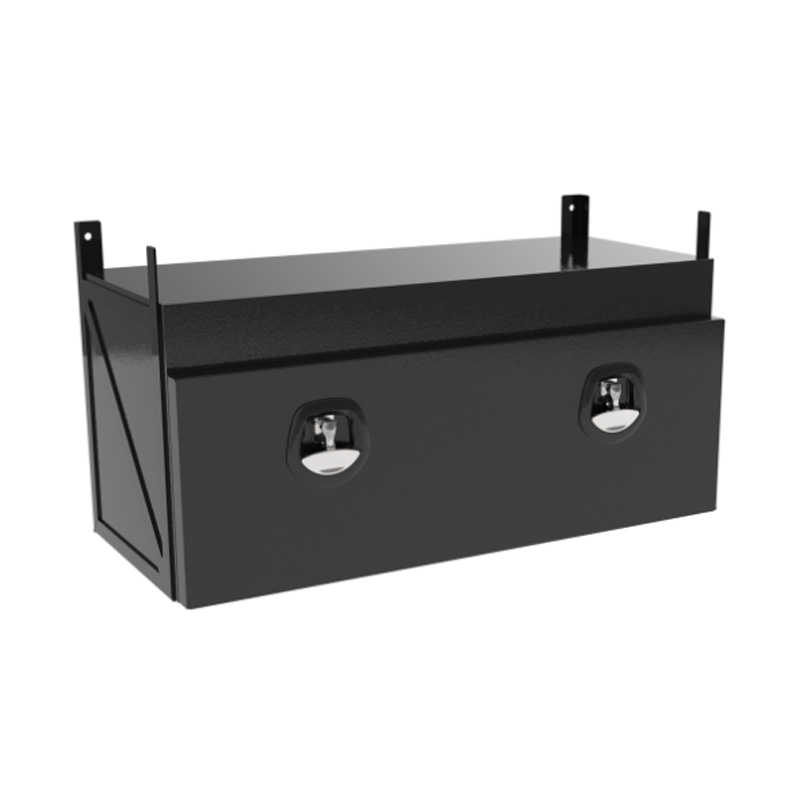 1000 x 450 x 450mm Flat Aluminium Under Tray Body Tool box Truck Storage ToolboxThickness:...
 -
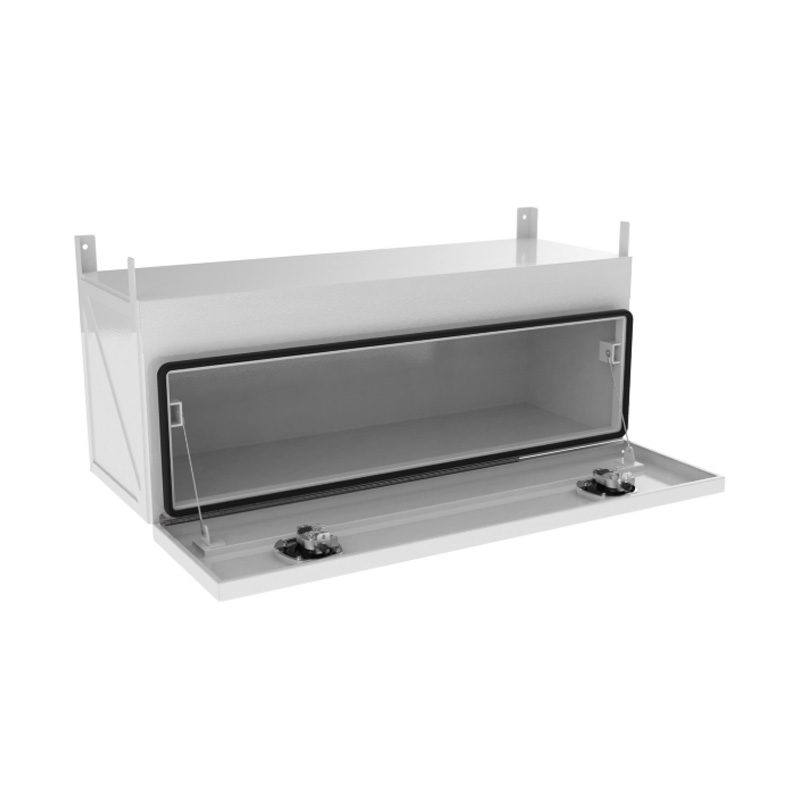 1200 x 450 x 450mm Flat Aluminium Under Tray Body Tool box Truck Storage ToolboxThickness:...
 -
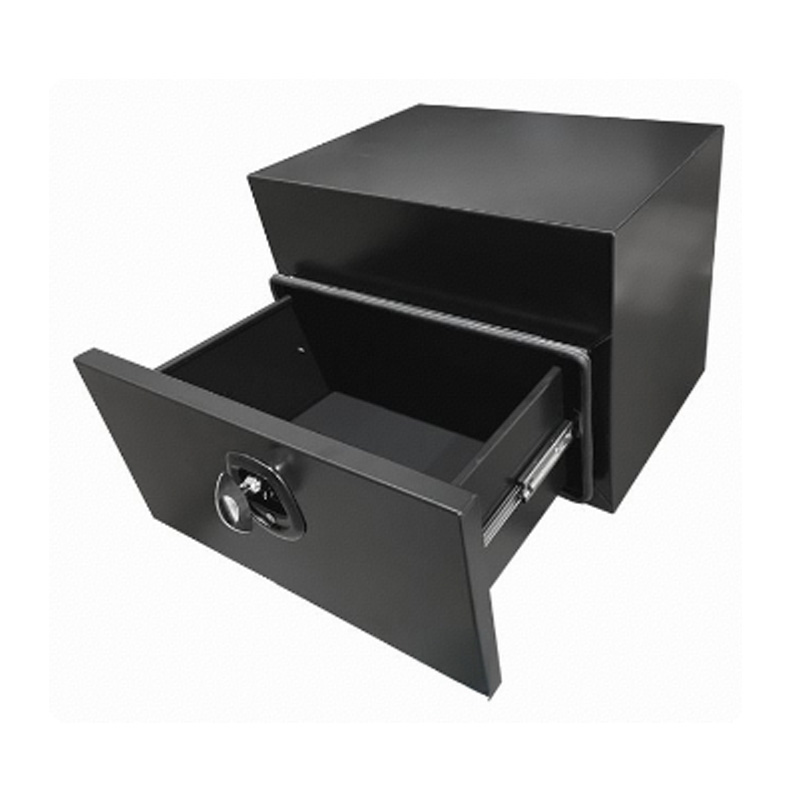 600 x 500 x 500mm Black Aluminium Under Tray Slide Drawer Body Tool box Truck Storage ToolboxThickness:...
 -
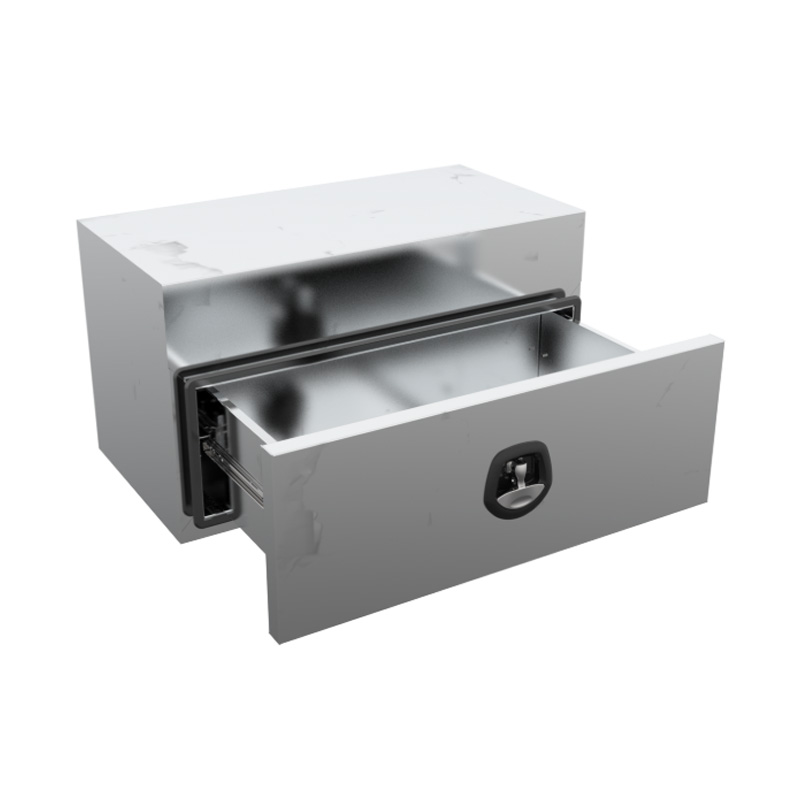 900 x 500 x 500mm Raw Flat Aluminium Under Tray Slide Drawer Body Tool box Truck Storage ToolboxThickness:...
 -
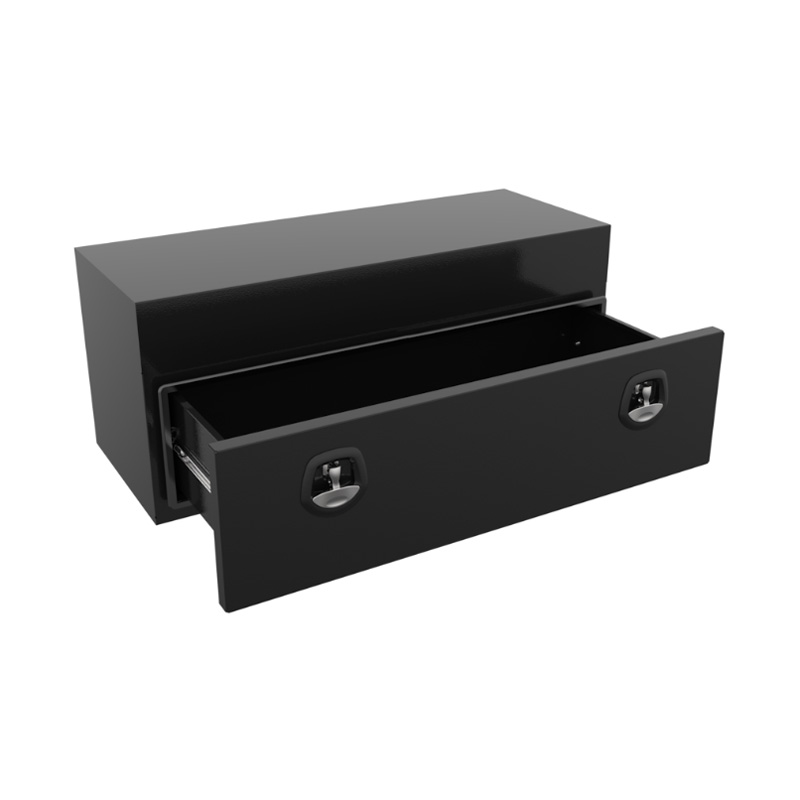 1200 x 500 x 500mm Black Aluminium Under Tray Slide Drawer Body Tool box Truck Storage ToolboxThickness:...
-
-
Trundle-Trays
>
-
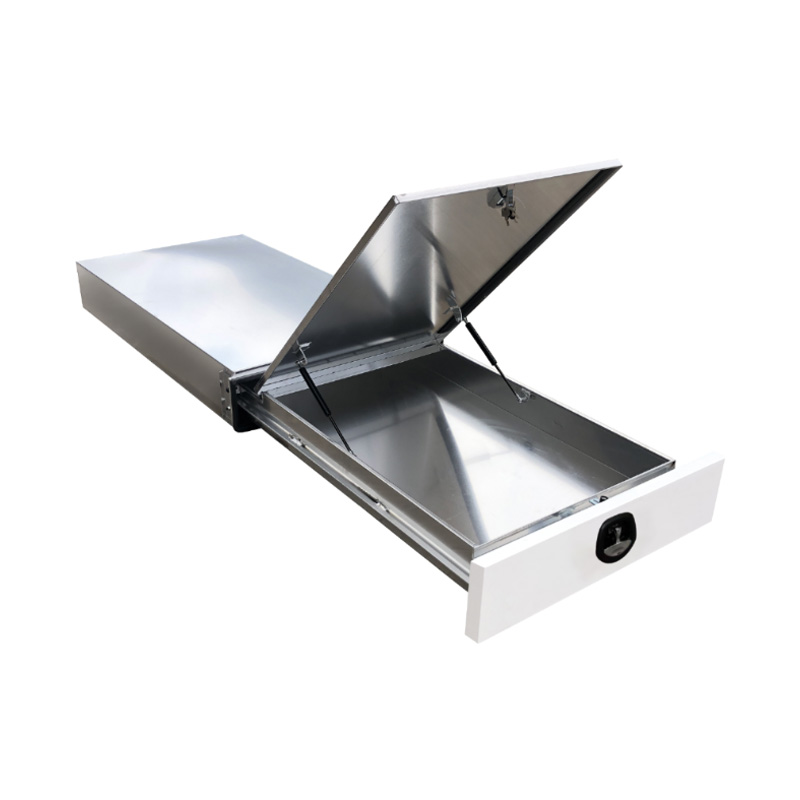 1.4m Aluminium Ute Tool box Under Tray Toolbox Trundle Roller Tray Slide Out Drawer Toolbox Benchtop LidThickness:...
 -
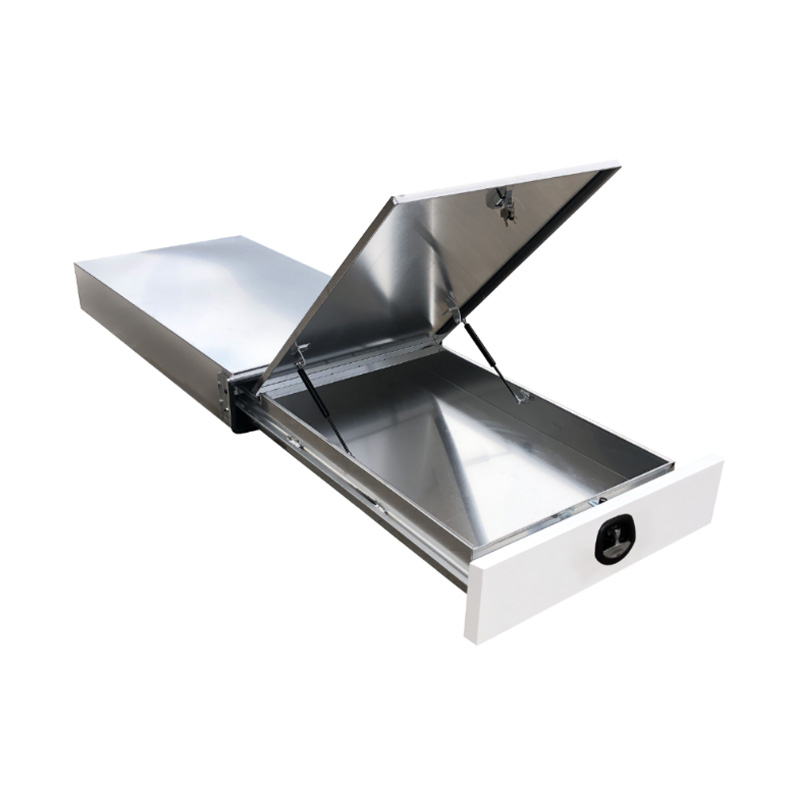 1.6m Aluminium Ute Tool box Under Tray Toolbox Trundle Roller Tray Slide Out Drawer Toolbox Benchtop LidThickness:...
 -
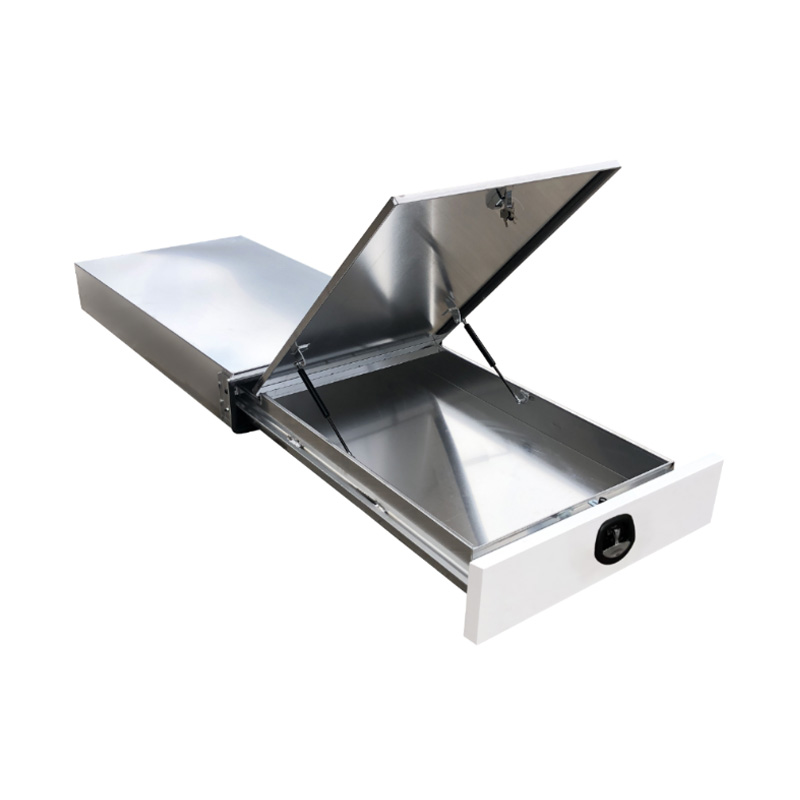 1.7m Aluminium Ute Tool box Under Tray Toolbox Trundle Roller Tray Slide Out Drawer Toolbox Benchtop LidThickness:...
-
- Under Tray Water Tanks >
-
Ute Under Tray Toolboxes
>
-
Top Opening Toolboxes
>
-
Rectangle Ute Toolbox
>
-
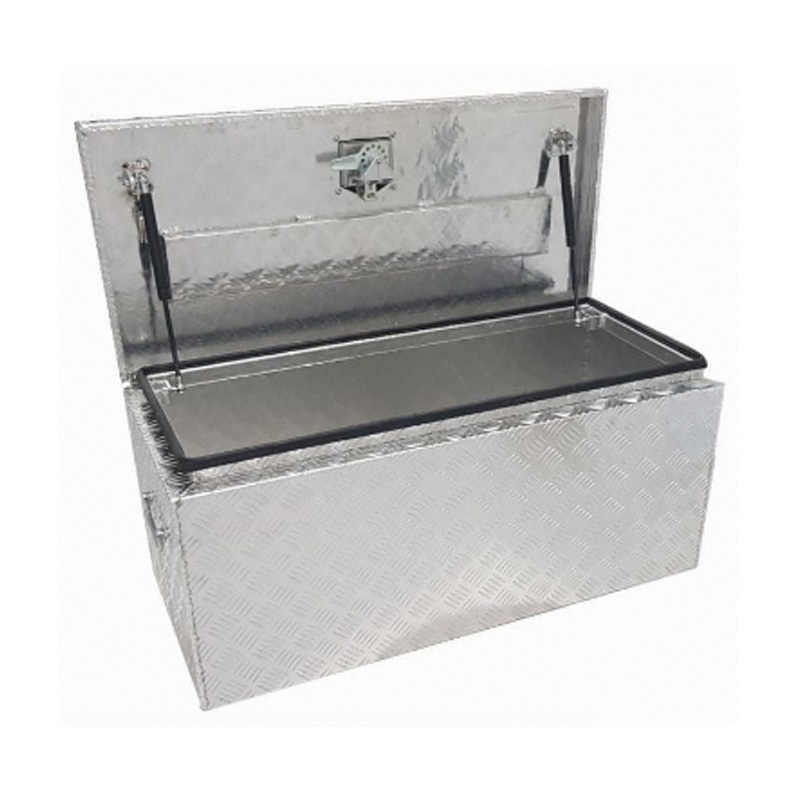 900 x 400 x 400mm Aluminium Checker Top Opening Ute Tool box 4 Your Truck Ute Trailer Toolbox & CanopyThickness:...
 -
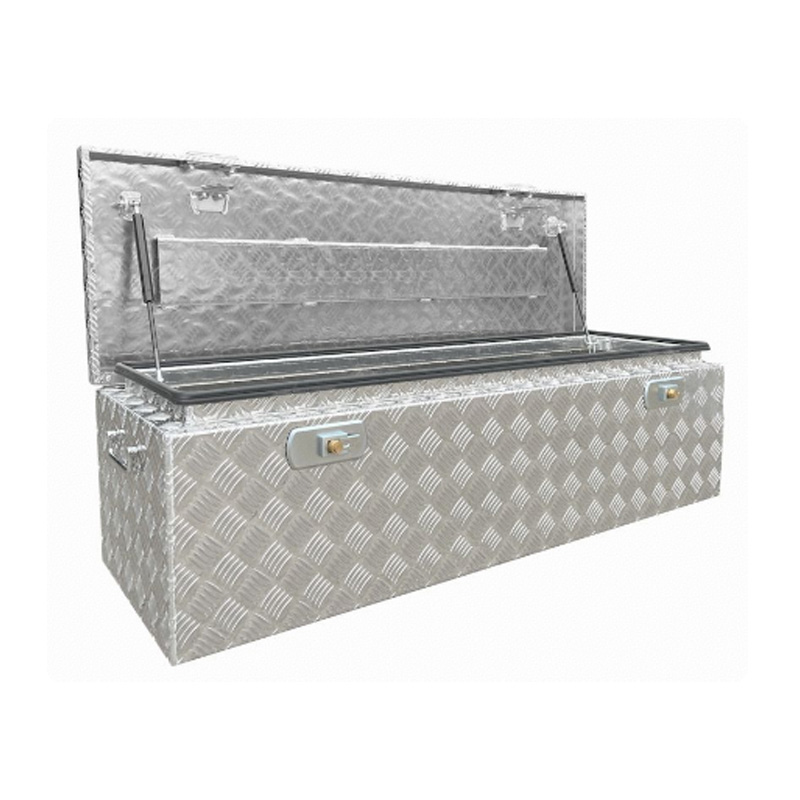 1220 x 400 x 350mm Aluminium Top Opening Ute Tool box 4 Your Truck Ute Trailer Toolbox & CanopyThickness:...
 -
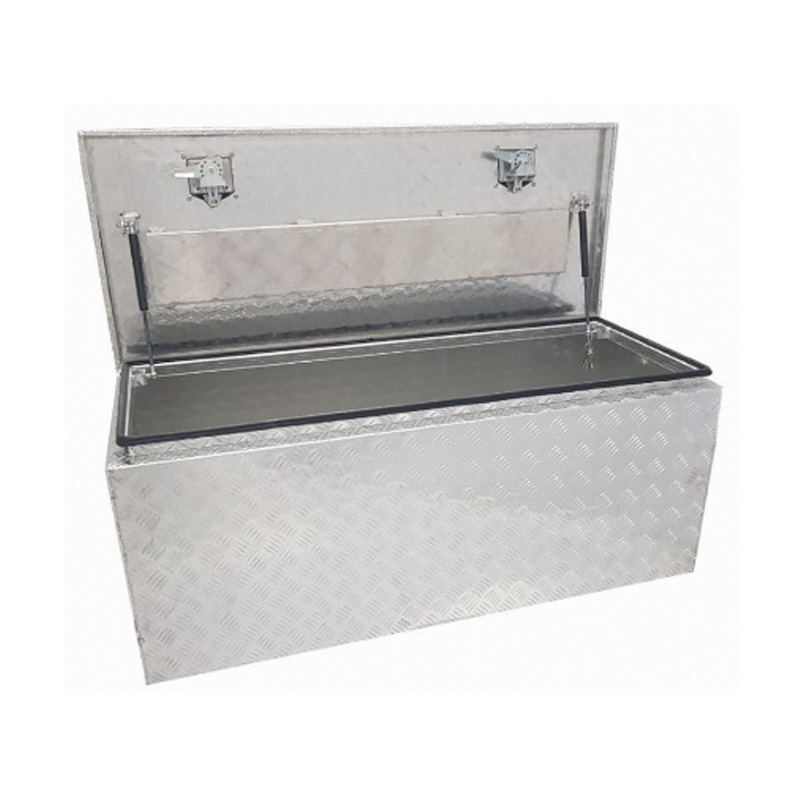 1220 x 500 x 500mm Aluminium Top Opening Ute Tool box 4 Your Truck Ute Trailer Toolbox & Canopy 1255Thickness:...
 -
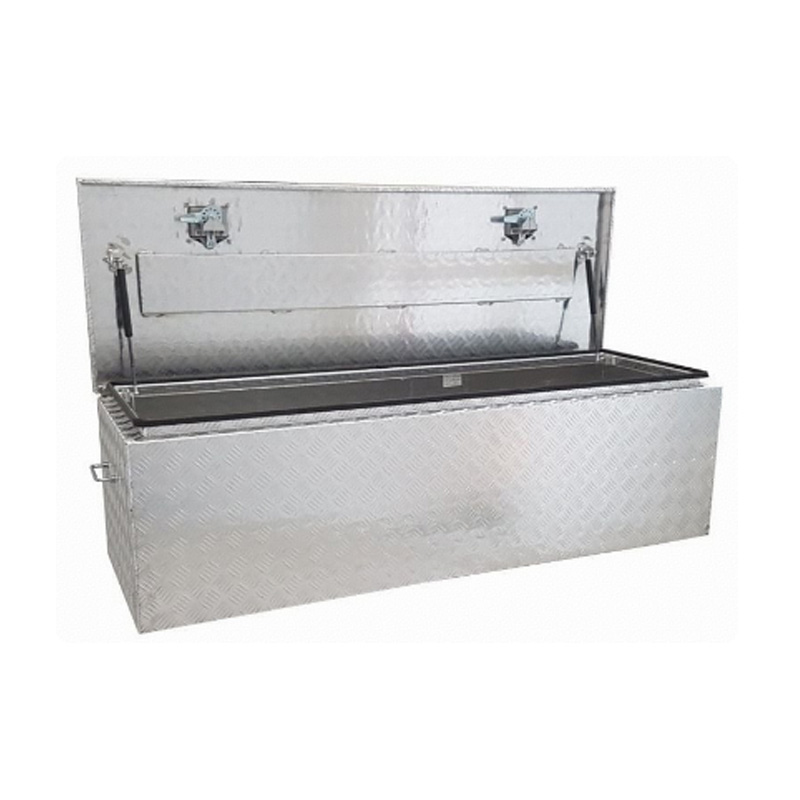 1500 x 500 x 450mm Aluminium Checker Top Opening Ute Tool box 4 Your Truck Ute Trailer Toolbox & CanopyThickness:...
 -
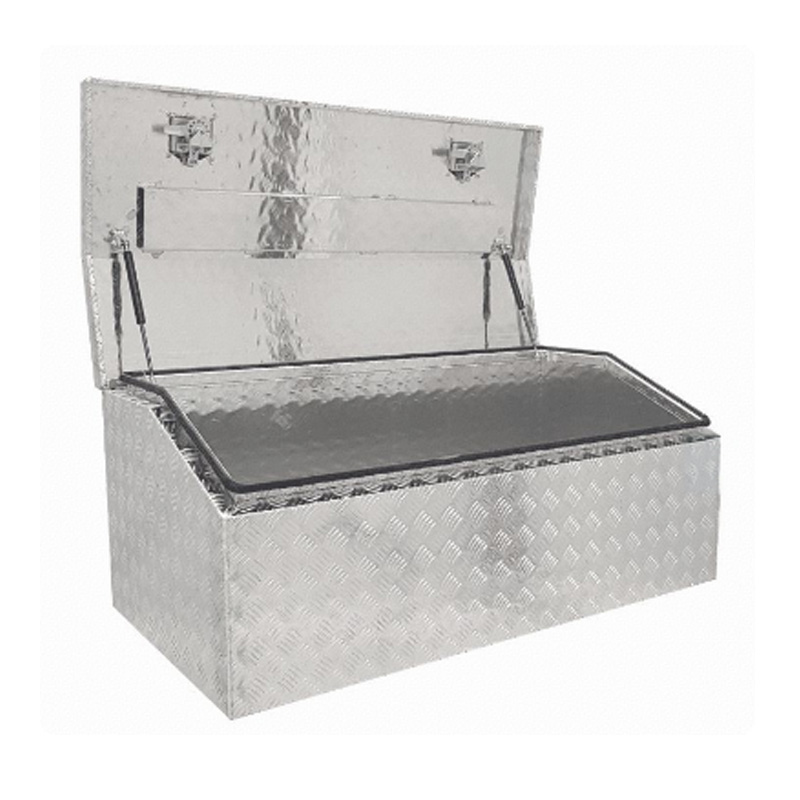 1200 x 600 x 500mm Aluminium Top Chest Opening Ute Tool box 4 Your Truck Ute Trailer Toolbox & Canopy(Chest Style)Thickness:...
 -
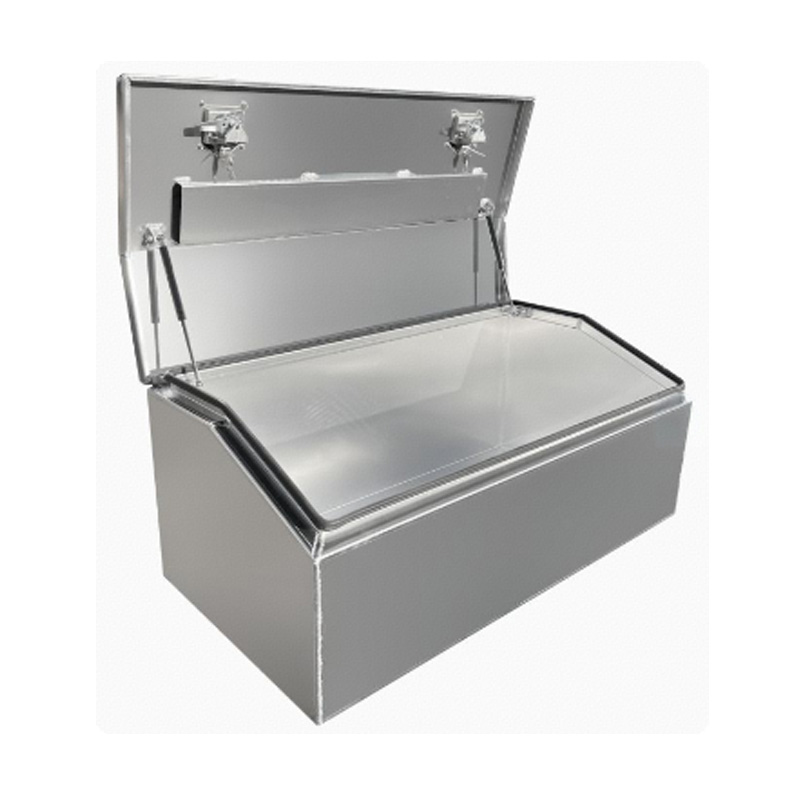 1400 x 600 x 500mm Aluminium Top Chest Opening Ute Tool box 4 Your Truck Ute Trailer Toolbox & CanopyThickness:...
 -
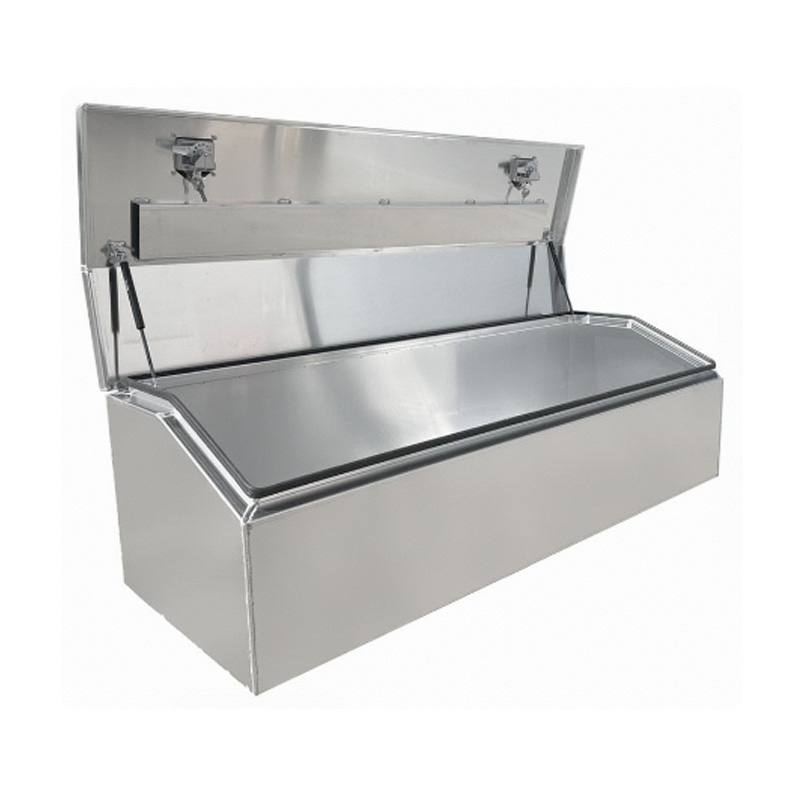 1700 x 600 x 500mm Aluminium Top Chest Opening Ute Tool box 4 Your Truck Ute Trailer Toolbox & CanopyThickness:...
 -
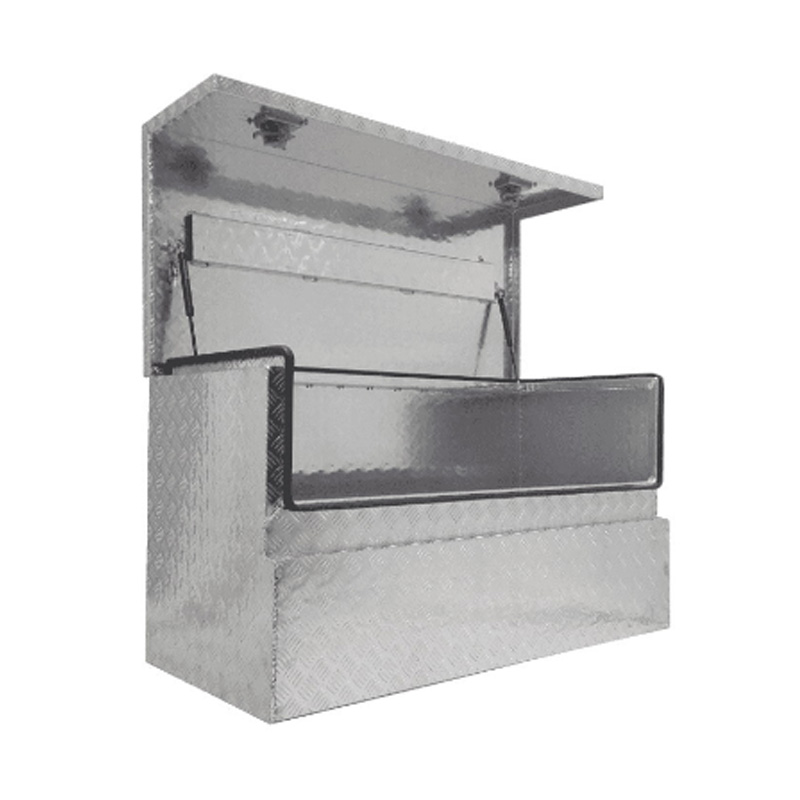 1200 x 600 x 700mm Aluminium Checker Tool Box Ute Truck Fridge Trailer 3/4 Angle Storage ToolboxThickness:...
 -
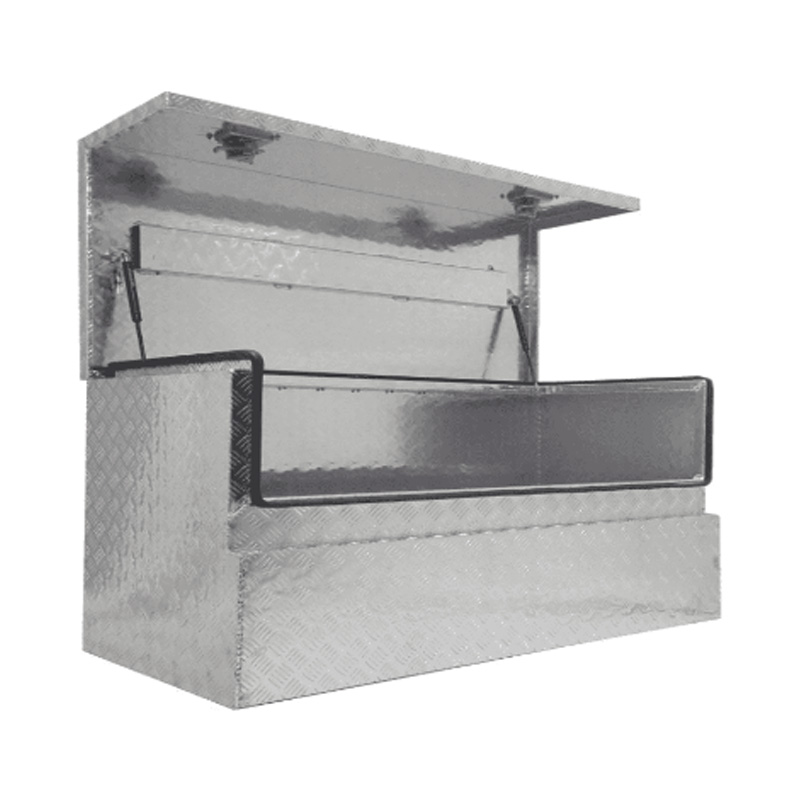 1400 x 600 x 700mm Aluminium Checker Tool Box Ute Truck Fridge Trailer 3/4 Angle Storage ToolboxThickness:...
 -
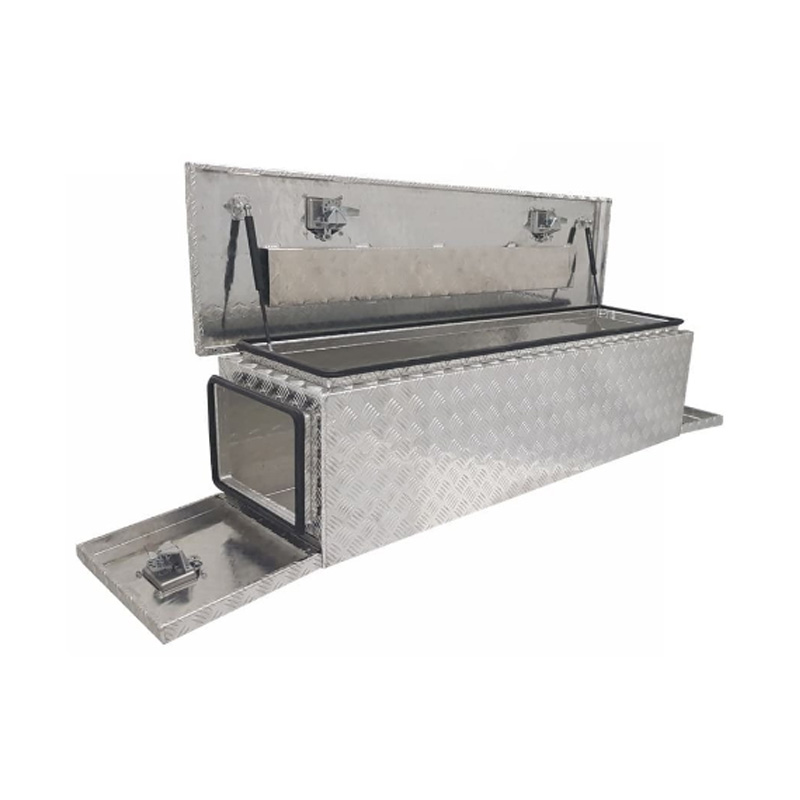 1500 x 400 x 400mm Aluminium Checker 3 Lid Ute Toolbox Trailer Camping Camper Caravan Truck Tool BoxThickness:...
 -
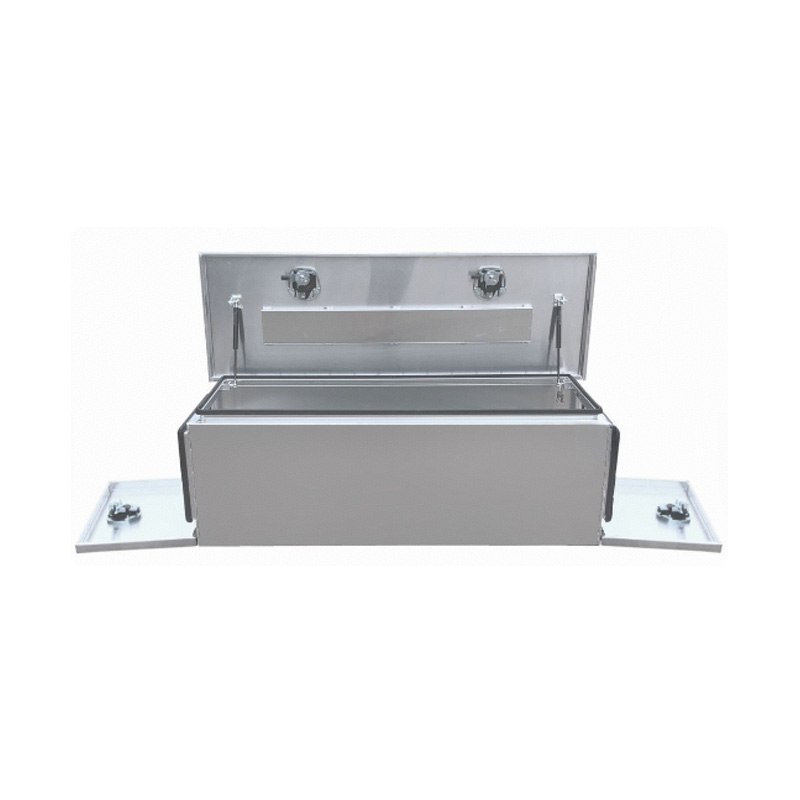 1500 x 500 x 500mm Raw Flat Aluminium 3 Lid Ute Toolbox Trailer Camping Camper Caravan Truck Tool BoxThickness:...
 -
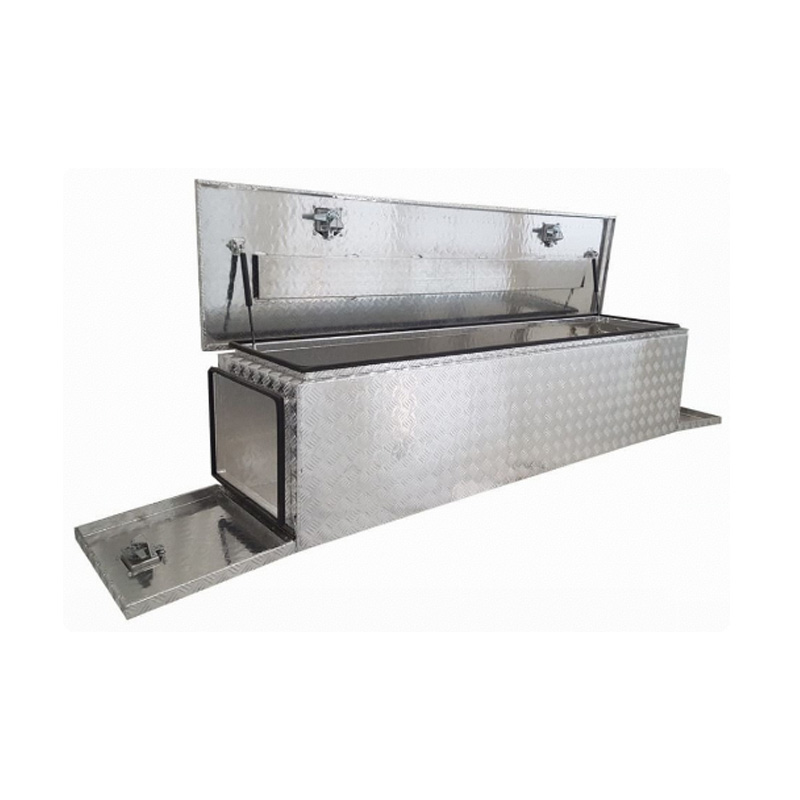 2000 x 500 x 500mm Aluminium 3 Lid Ute Toolbox Trailer Camping Camper Caravan Truck Tool BoxThickness:...
-
-
Chest Style Ute Toolbox
>
-
1500 x 500 x 450mm Aluminium Checker Top Opening Ute Tool box 4 Your Truck Ute Trailer Toolbox & CanopyThickness:...
-
1200 x 600 x 500mm Aluminium Top Chest Opening Ute Tool box 4 Your Truck Ute Trailer Toolbox & Canopy(Chest Style)Thickness:...
-
1400 x 600 x 500mm Aluminium Top Chest Opening Ute Tool box 4 Your Truck Ute Trailer Toolbox & CanopyThickness:...
-
- Tub Liner Ute Toolbox >
- Job Site Toolbox >
-
Camper Ute Toolbox
>
-
1500 x 400 x 400mm Aluminium Checker 3 Lid Ute Toolbox Trailer Camping Camper Caravan Truck Tool BoxThickness:...
-
1500 x 500 x 500mm Raw Flat Aluminium 3 Lid Ute Toolbox Trailer Camping Camper Caravan Truck Tool BoxThickness:...
-
2000 x 500 x 500mm Aluminium 3 Lid Ute Toolbox Trailer Camping Camper Caravan Truck Tool BoxThickness:...
-
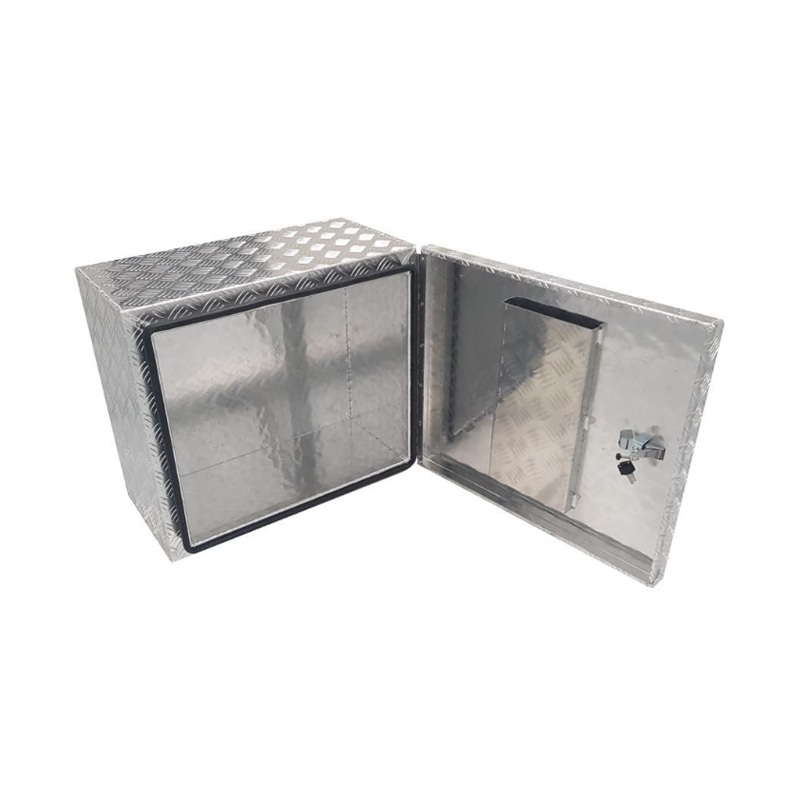 610 x 330 x 540mm Aluminium Checker Ute Toolbox Trailer Camper Caravan Generator Tool Box for Honda 2kvaThickness:...
 -
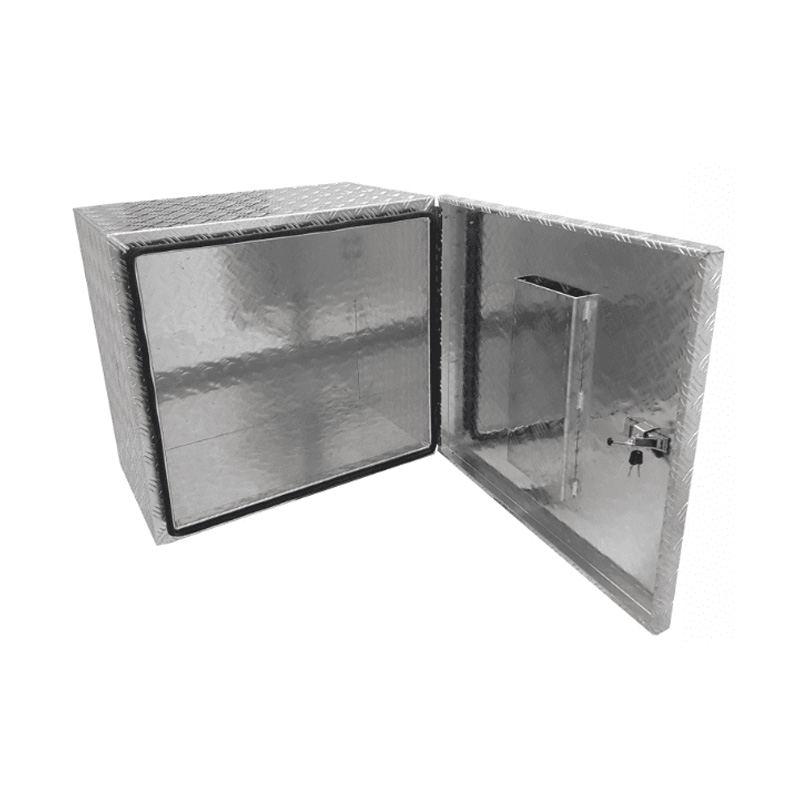 700 x 450 x 650mm Aluminium Checker Ute Toolbox Trailer Camper Caravan Generator Tool BoxThickness:...
 -
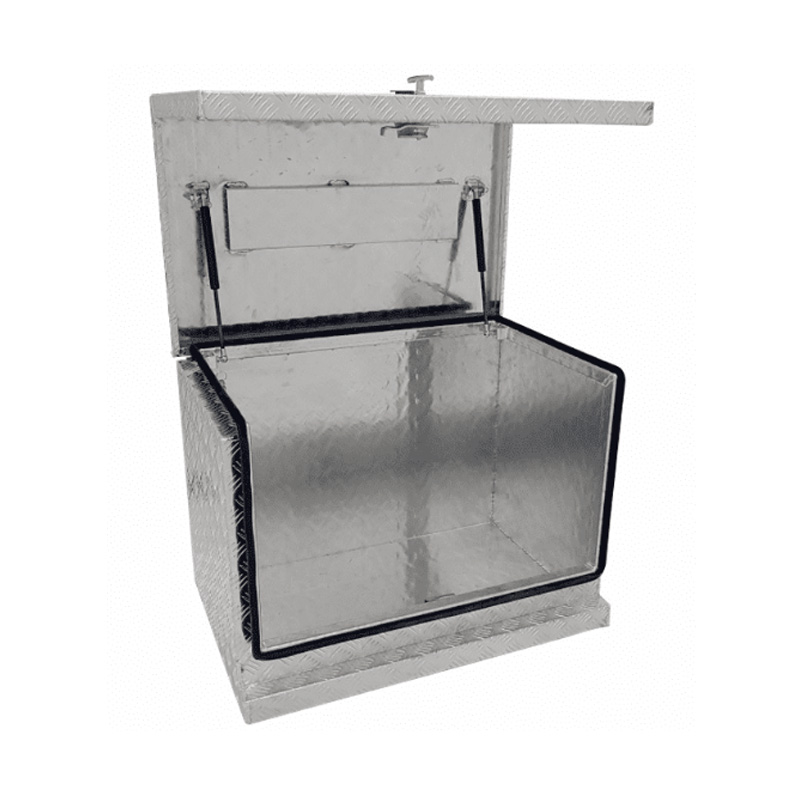 760 x 500 x 560mm Aluminium Checker Ute Toolbox Trailer Camper Caravan Generator Tool BoxThickness:...
 -
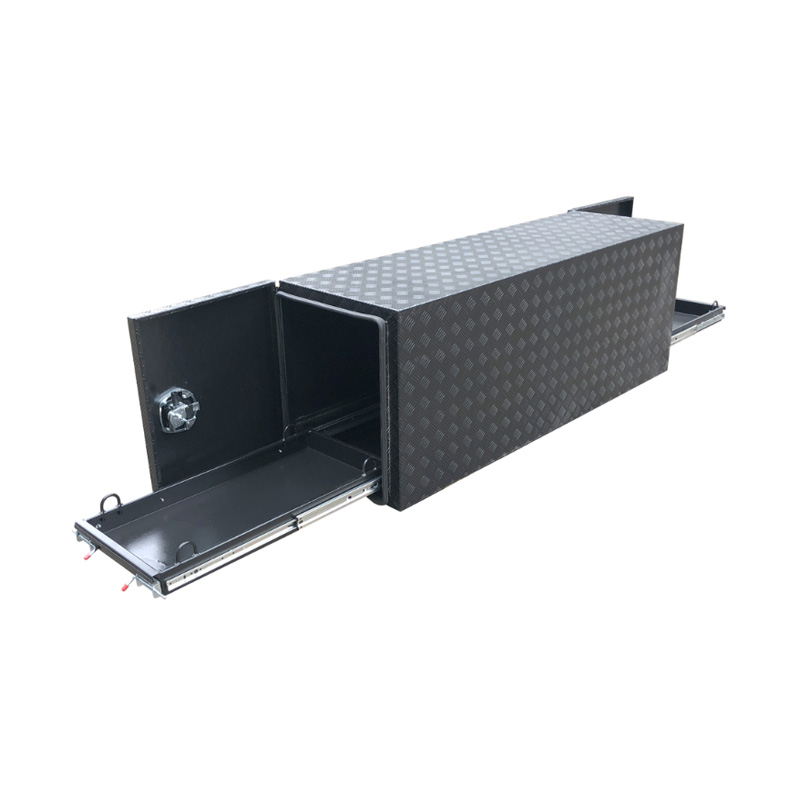 1700 x 550 x 610mm Black Aluminium Checker Ute Truck Tool Box Fridge Slide & Webber BBQ Slide Camper ToolboxThickness:...
 -
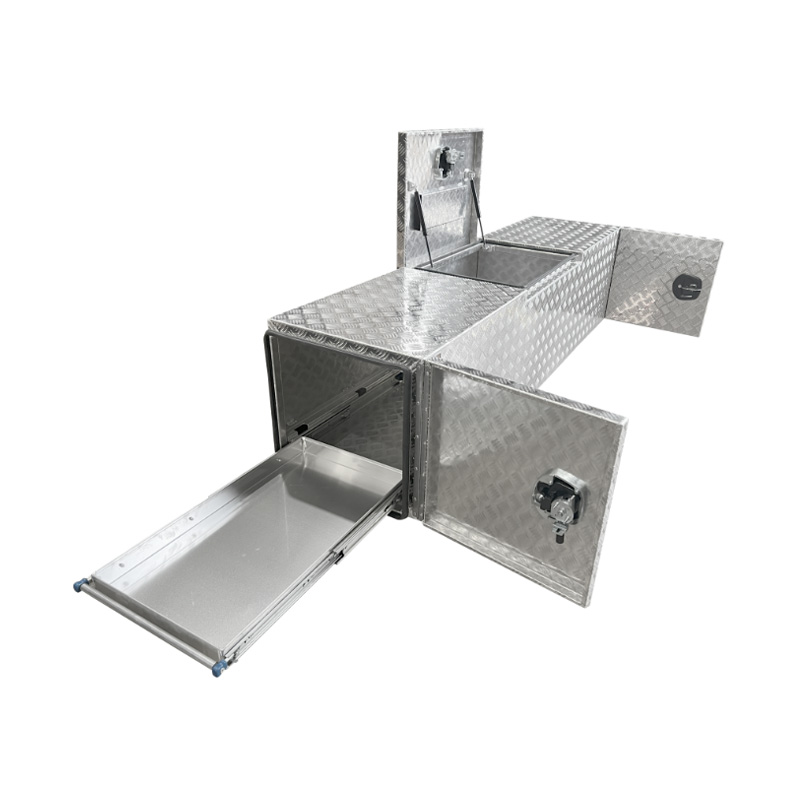 2200 x 550 x 550mm Aluminium 3 Lid Slides BBQ Generator Camper ToolboxThickness:...
 -
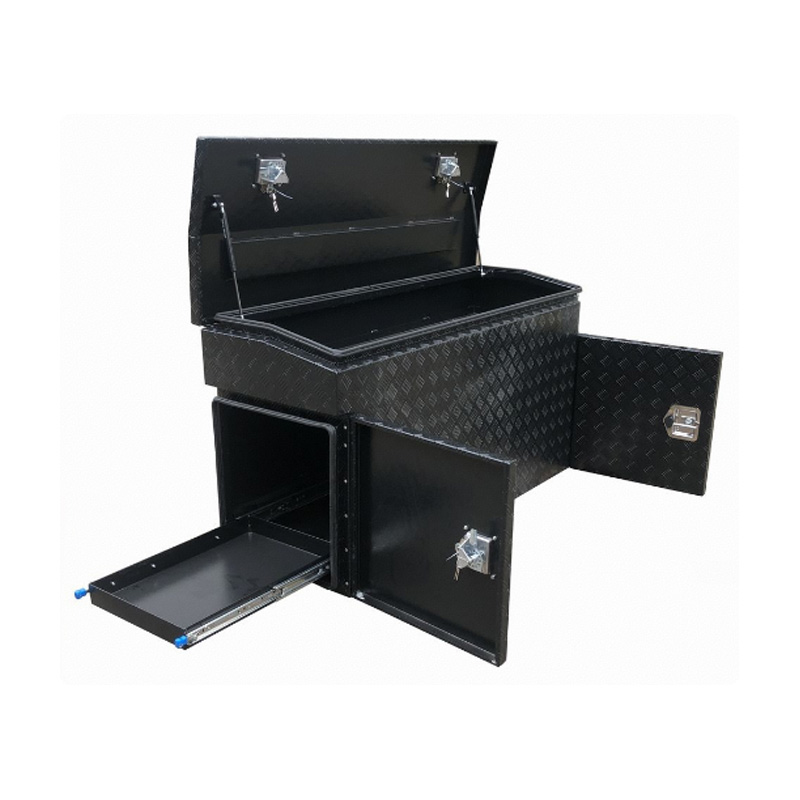 1400 x 550 x 800mm Black Aluminium Checker Ute Toolbox Webber BBQ & Fridge Slide Camper Caravan Canopy Tool BoxThickness:...
 -
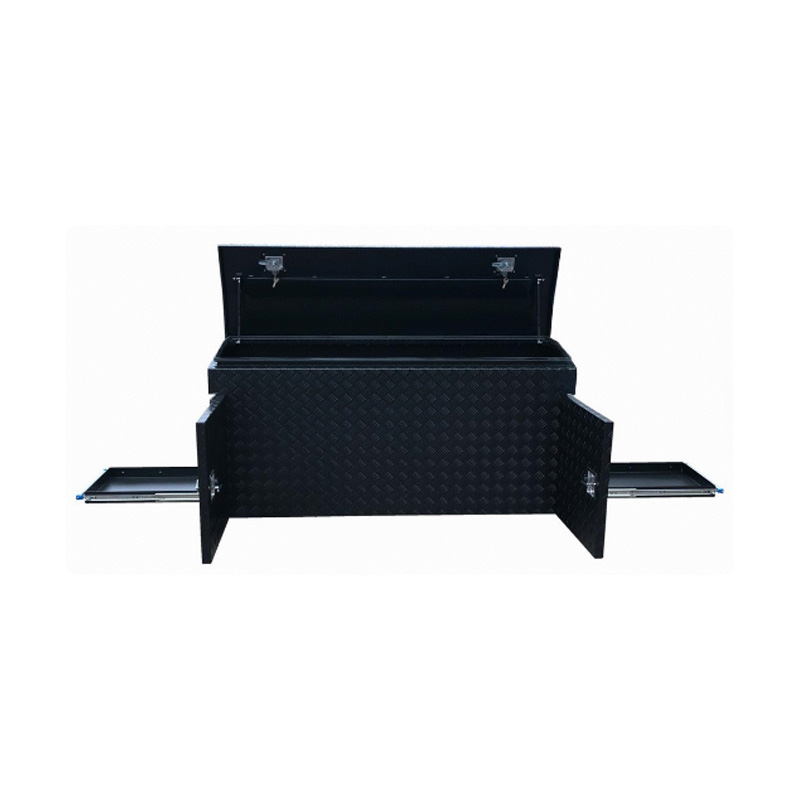 1700 x 550 x 800mm Black Aluminium Checker Ute Toolbox Webber BBQ & Fridge Slide Camper Caravan Canopy Tool BoxThickness:...
 -
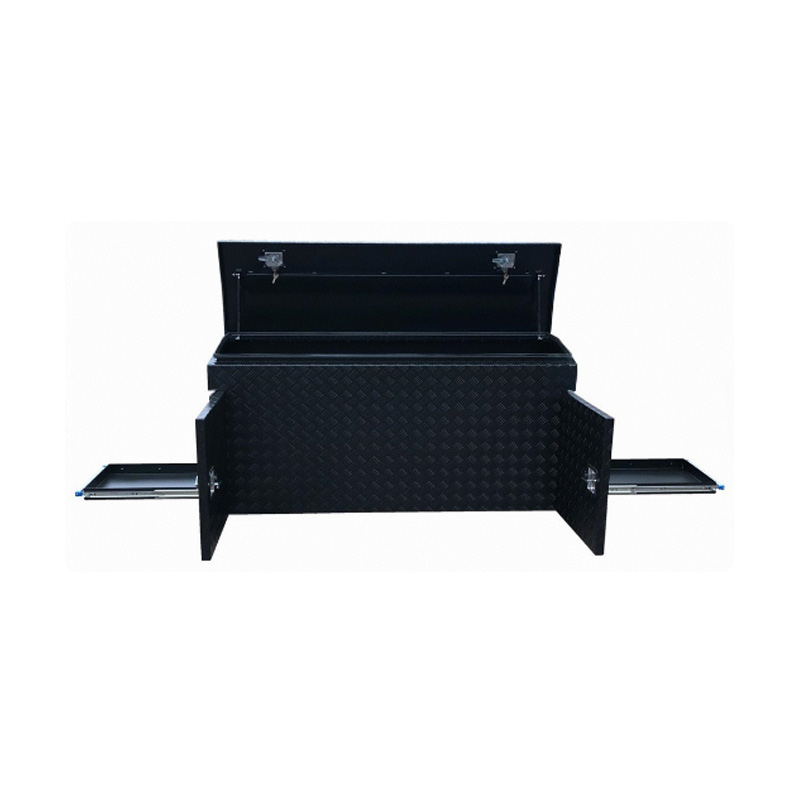 2000 x 550 x 800mm Black Aluminium Checker Ute Toolbox Webber BBQ & Fridge Slide Camper Caravan Canopy Tool BoxThickness:...
-
-
Cross Deck Gullwing
>
-
1500 x 500 x 500mm Raw Flat Aluminium 3 Lid Ute Toolbox Trailer Camping Camper Caravan Truck Tool BoxThickness:...
-
2000 x 500 x 500mm Aluminium 3 Lid Ute Toolbox Trailer Camping Camper Caravan Truck Tool BoxThickness:...
-
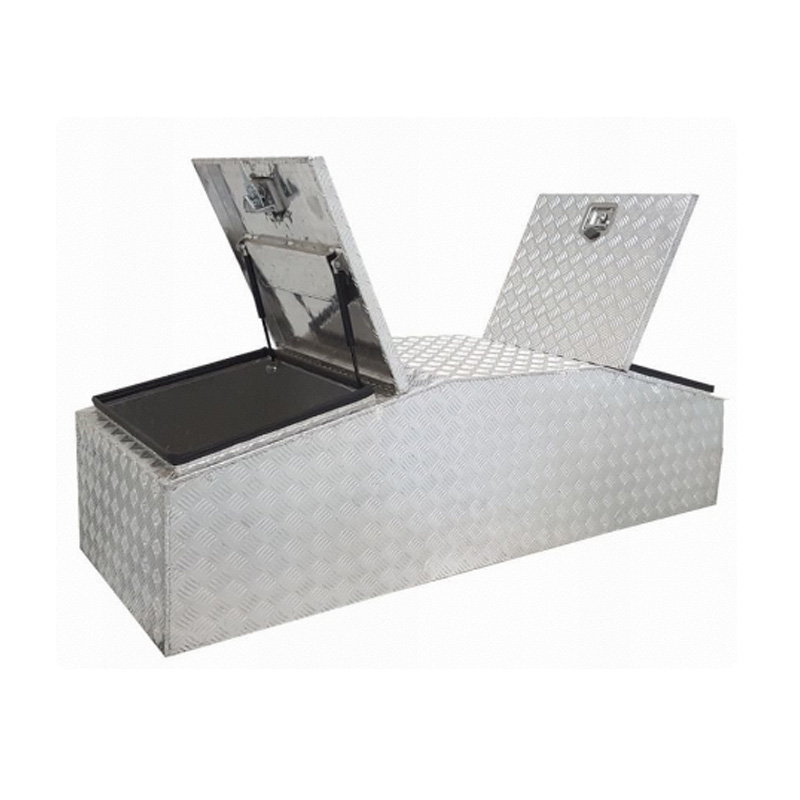 1770 x 600 x 500mm Aluminium Checker Sloped Top Gullwing Cross Deck Dual 2 Lid Ute Tool box 4 Your Truck Ute Trailer Toolbox & CanopyThickness:...
 -
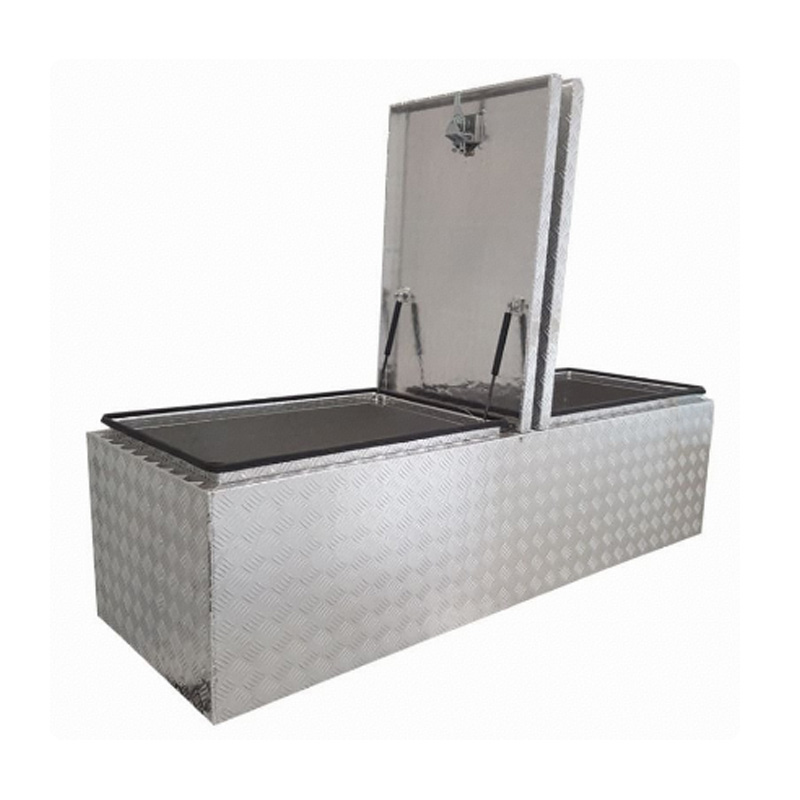 1770 x 600 x 500mm Aluminium Checker Flat Top Gullwing Cross Deck Dual 2 Lid Ute Tool box 4 Your Truck Ute Trailer Toolbox & CanopyThickness:...
-
-
Rectangle Ute Toolbox
>
-
Side Opening Toolboxes
>
-
Half Lid Opening Ute Toolbox
>
-
1200 x 600 x 700mm Aluminium Checker Tool Box Ute Truck Fridge Trailer 3/4 Angle Storage ToolboxThickness:...
-
1400 x 600 x 700mm Aluminium Checker Tool Box Ute Truck Fridge Trailer 3/4 Angle Storage ToolboxThickness:...
-
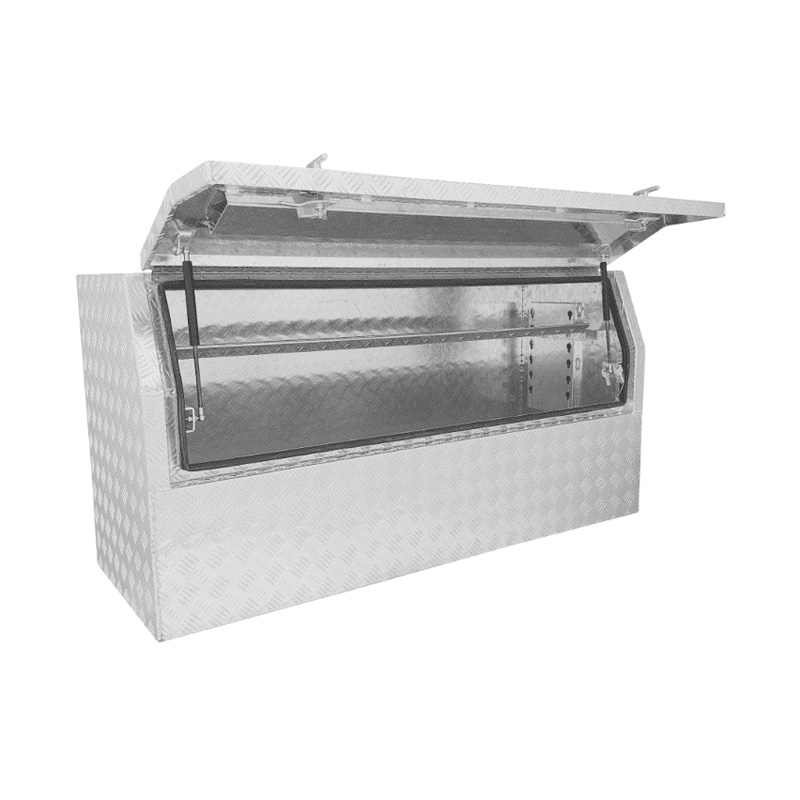 1400 x 500 x 700mm Aluminium Checker 3/4 Half Side Opening Ute Tool Box Truck Trailer Toolbox ShelvingxThickness:...
 -
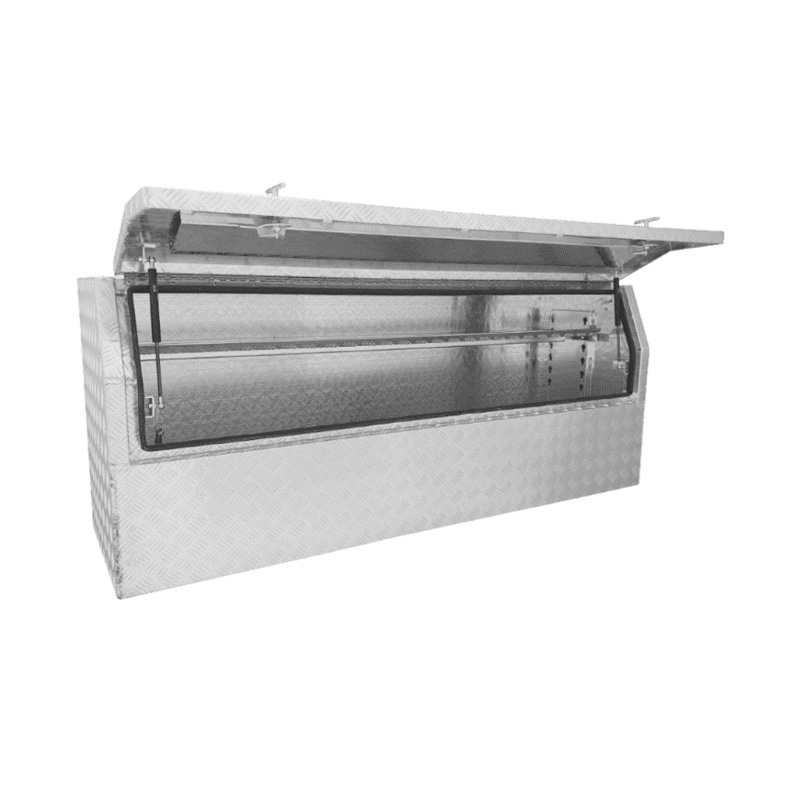 1700 x 500 x 700mm Aluminium Checker 3/4 Half Side Opening Ute Tool Box Truck Trailer Toolbox ShelvingThickness:...
 -
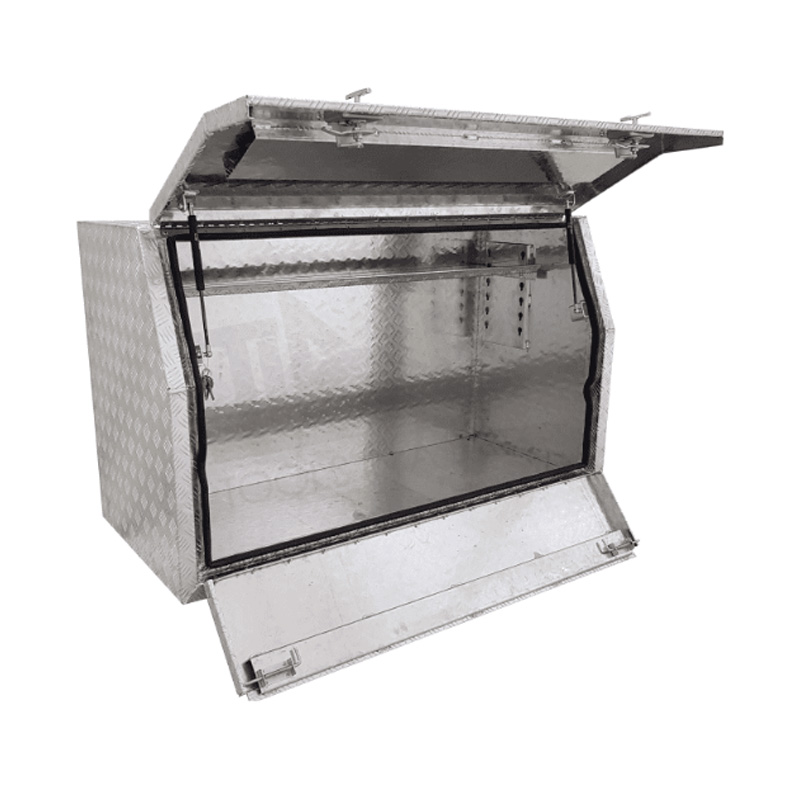 1400 x 600 x 820mm Aluminium Checker Full or Half Side Multi Lid Opening Ute Tool Box Truck Trailer Toolbox ShelvingThickness:...
 -
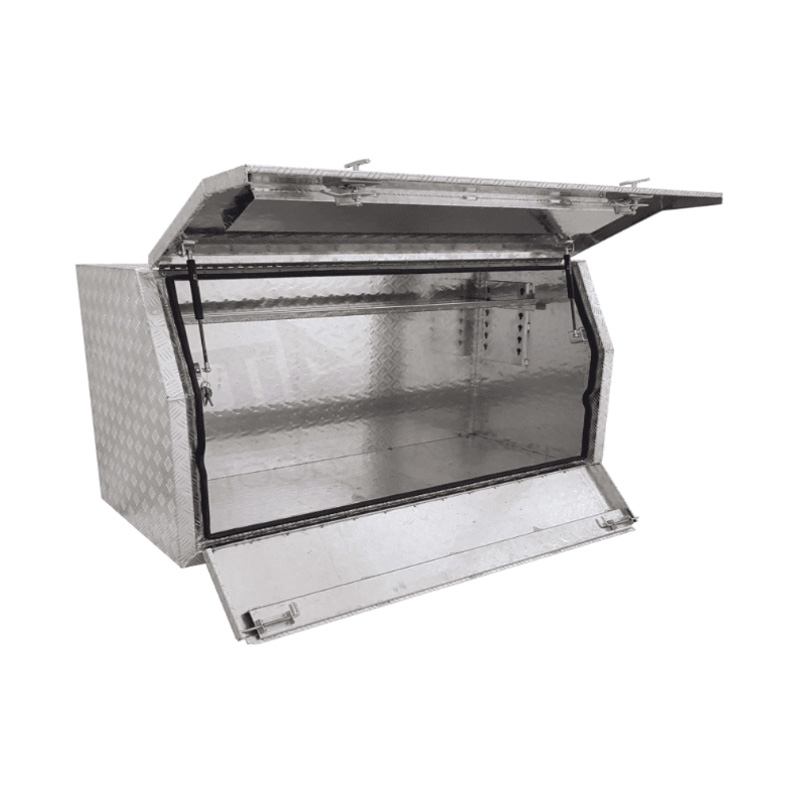 1700 x 600 x 820mm Aluminium Full or Half Side Multi Lid Opening Ute Tool Box Truck Trailer Toolbox ShelvingThickness:...
 -
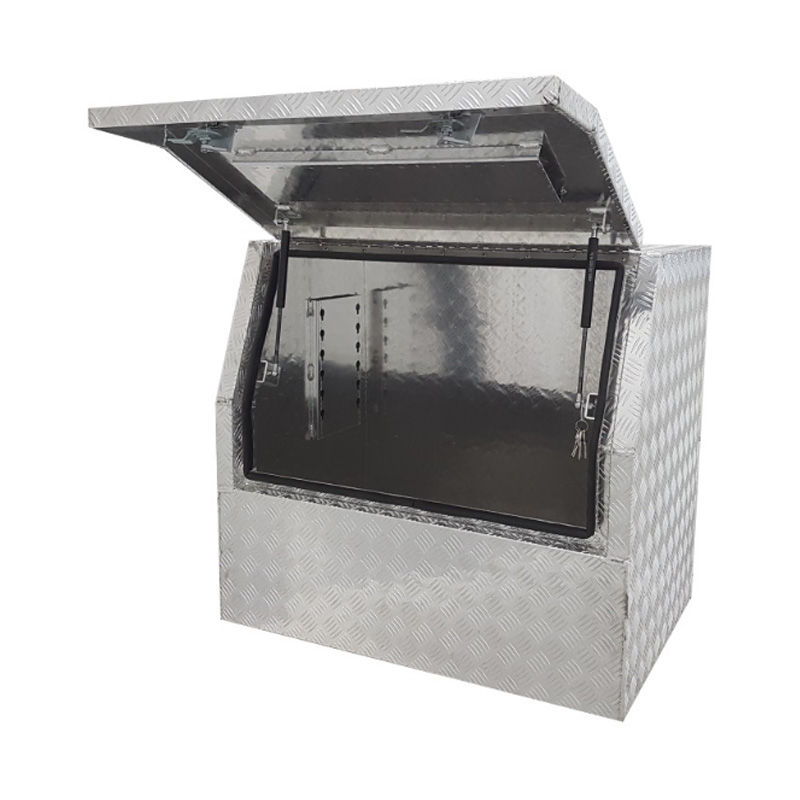 900 x 600 x 820mm Aluminium Checker 3/4 Half Side Opening Ute Tool Box Truck Trailer Toolbox ShelvingThickness:...
 -
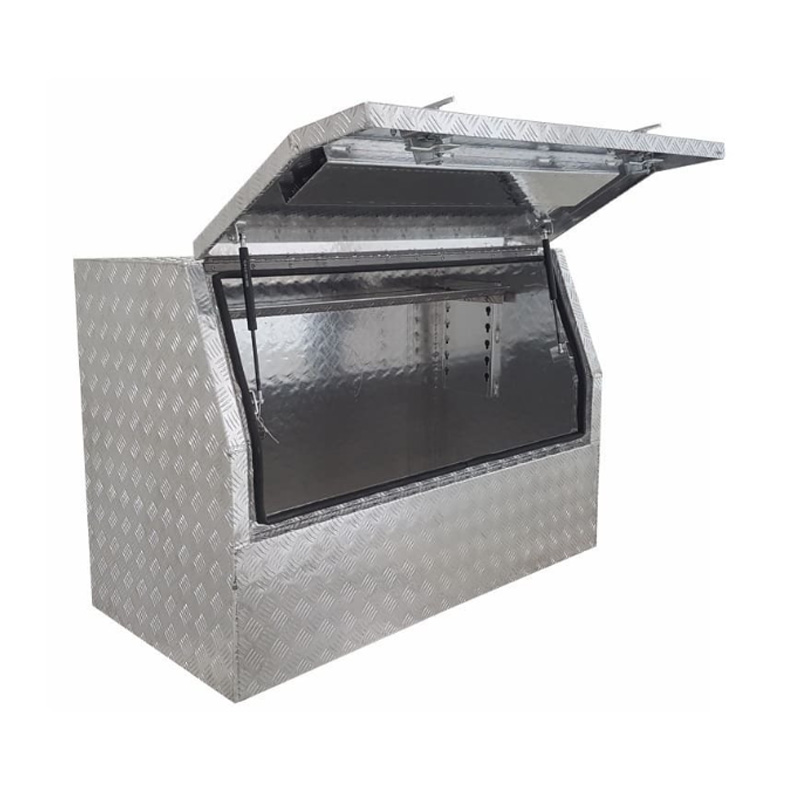 1200 x 600 x 820mm Aluminium Checker 3/4 Half Side Opening Ute Tool Box Truck Trailer Toolbox ShelvingThickness:...
 -
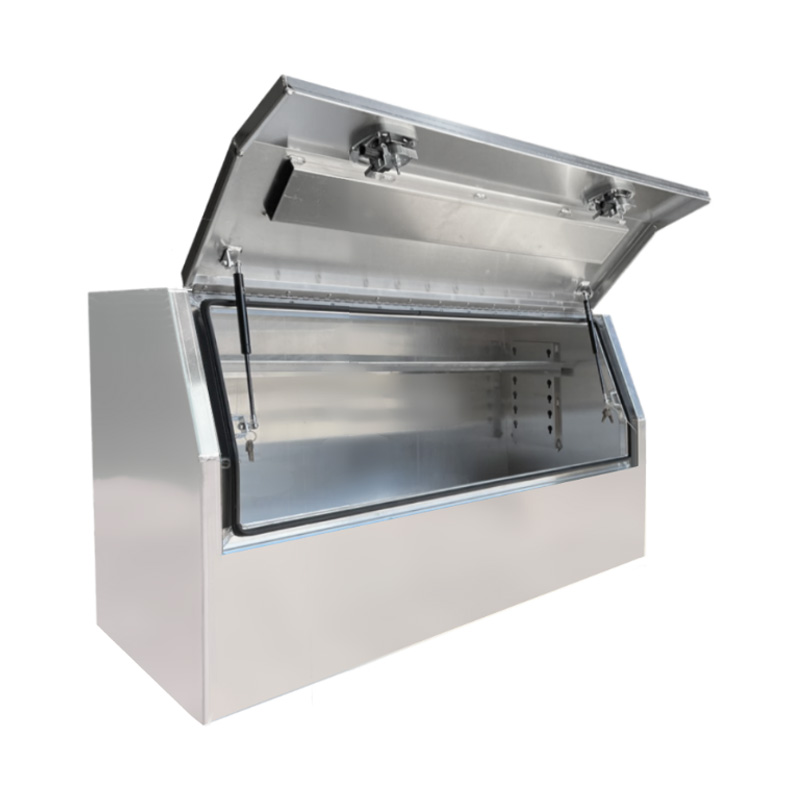 1400 x 600 x 820mm Aluminium 3/4 Half Side Opening Ute Tool Box Truck Trailer Toolbox ShelvingThickness:...
 -
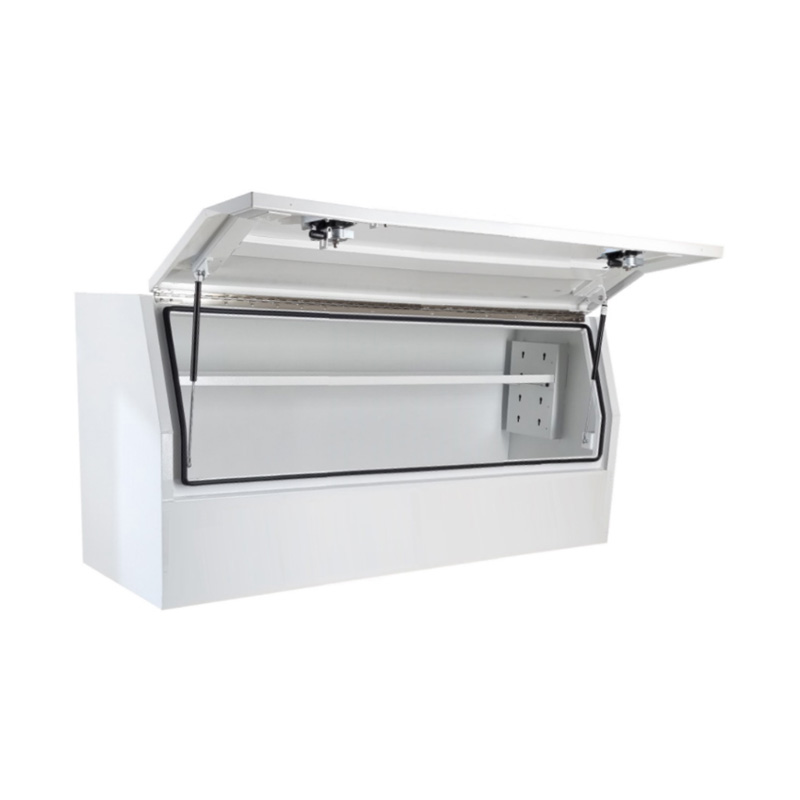 1700 x 600 x 820mm Aluminium 3/4 Half Side Opening Ute Tool Box Truck Trailer Toolbox ShelvingThickness:...
 -
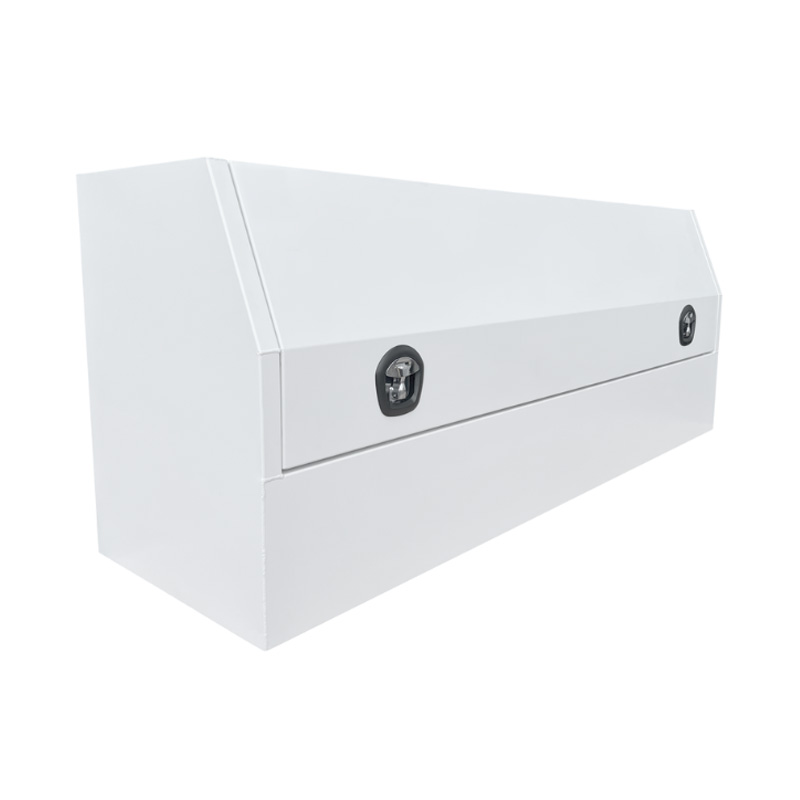 2100 x 600 x 820mm Aluminium 3/4 Half Side Opening Ute Tool Box Truck Trailer Toolbox ShelvingThickness:...
-
-
Half Lid Ute Toolbox With Drawers
>
-
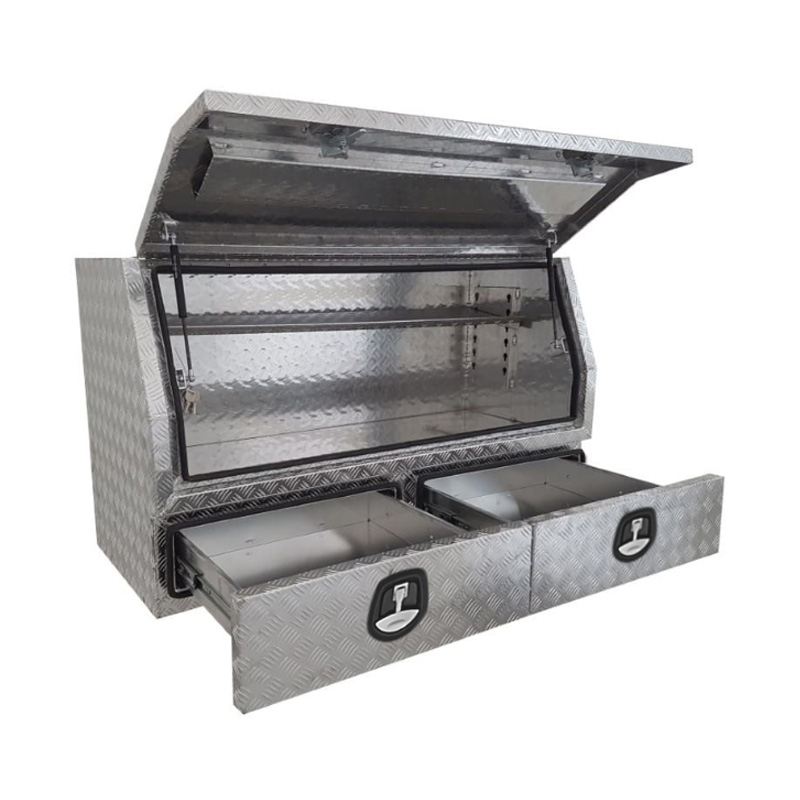 1500 x 600 x 820mm Aluminium Checker 3/4 Half Side Opening 2 Drawer Slide Ute Tool Box Truck Trailer Toolbox ShelvingThickness:...
 -
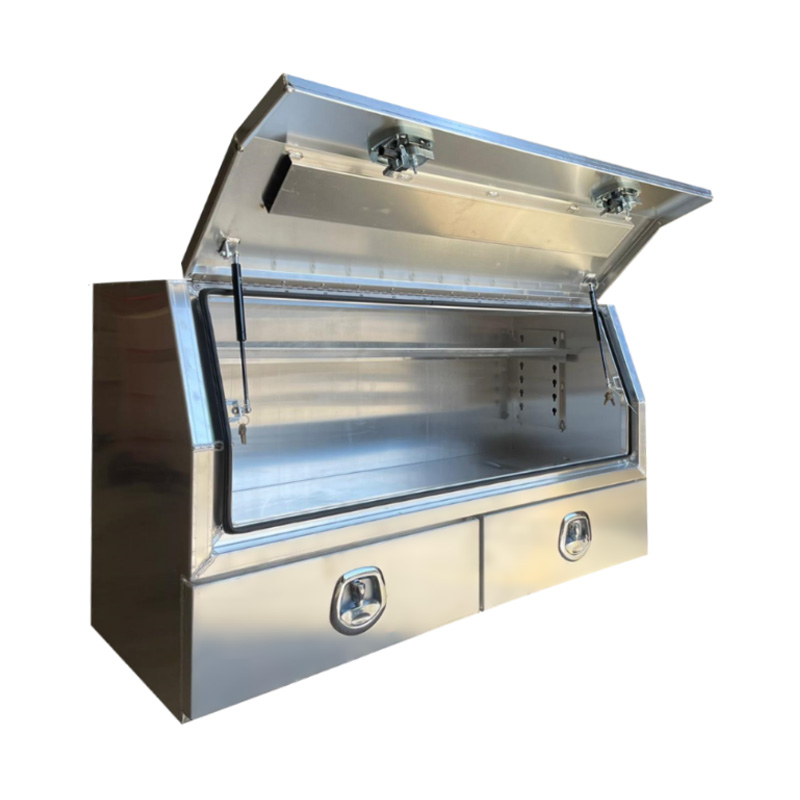 1400 x 600 x 820mm Aluminium 3/4 Half Side Opening 2 Drawer Slide Ute Tool Box Truck Trailer Toolbox ShelvingThickness:...
 -
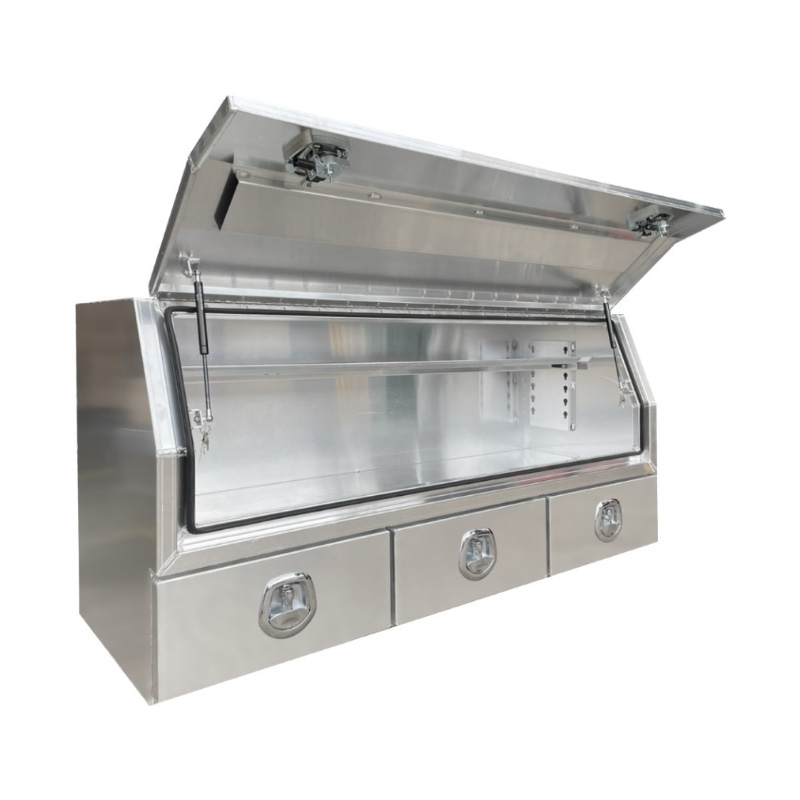 1700 x 600 x 820mm Aluminium 3/4 Half Side Opening 3 Drawer Slide Ute Tool Box Truck Trailer Toolbox ShelvingThickness:...
 -
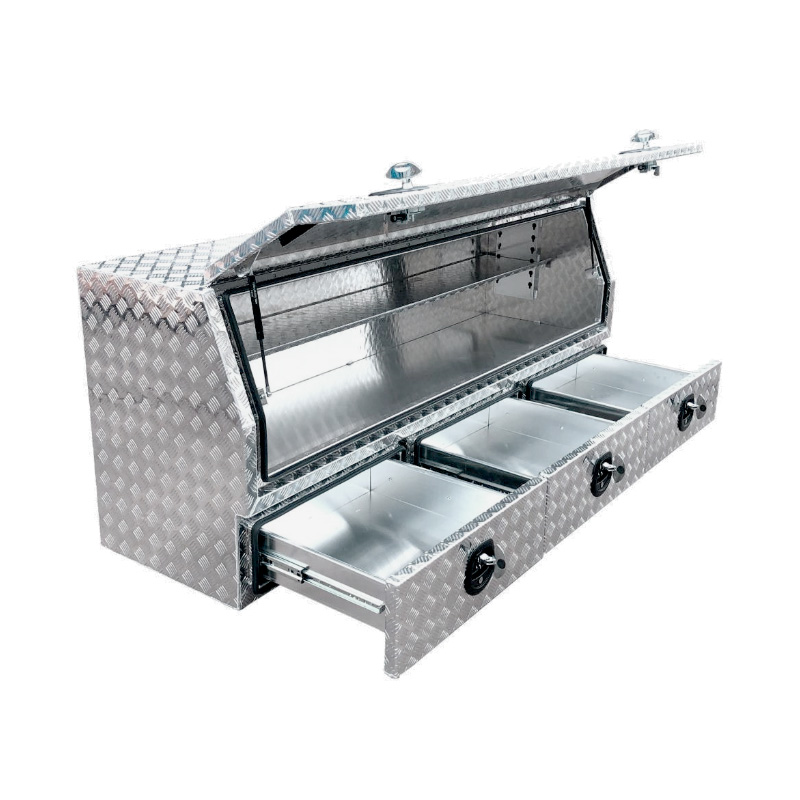 2100 x 600 x 820mm Aluminium 3/4 Half Side Opening 3 Drawer Slide Ute Tool Box Truck Trailer Toolbox ShelvingThickness:...
-
-
Full Lid Opening Ute Toolbox
>
-
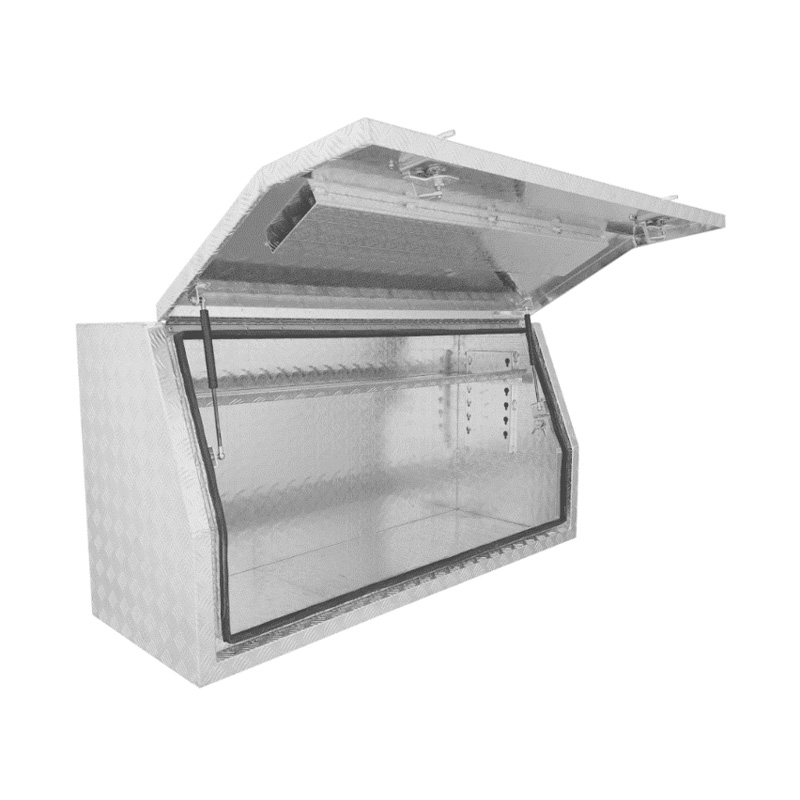 1400 x 500 x 700mm Aluminium Checker Full Side Opening Ute Tool Box Truck Trailer Toolbox ShelvingThickness:...
 -
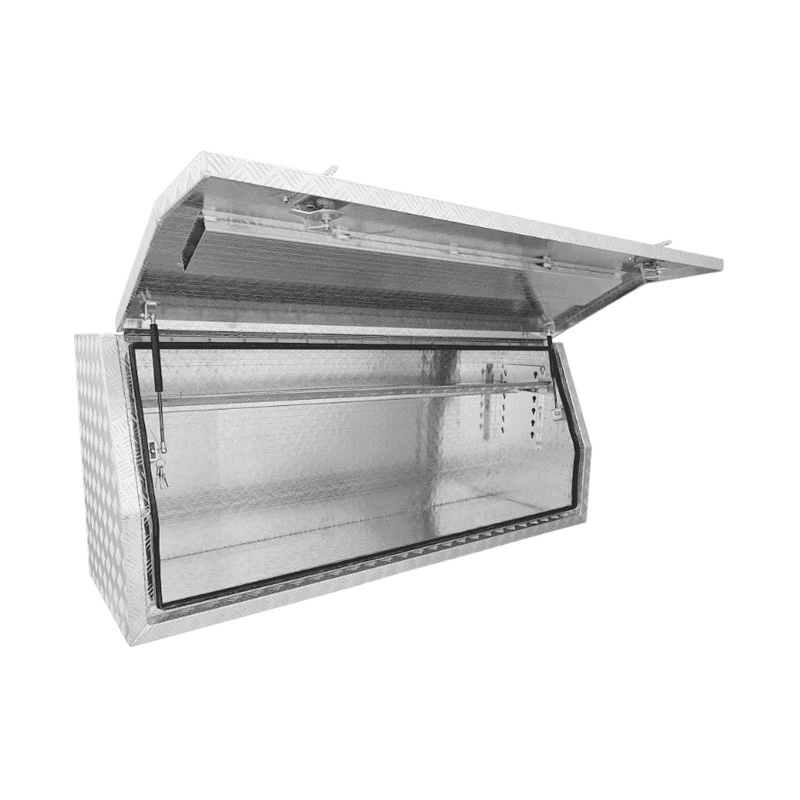 1700 x 500 x 700mm Aluminium Checker Full Side Opening Ute Tool Box Truck Trailer Toolbox ShelvingThickness:...
 -
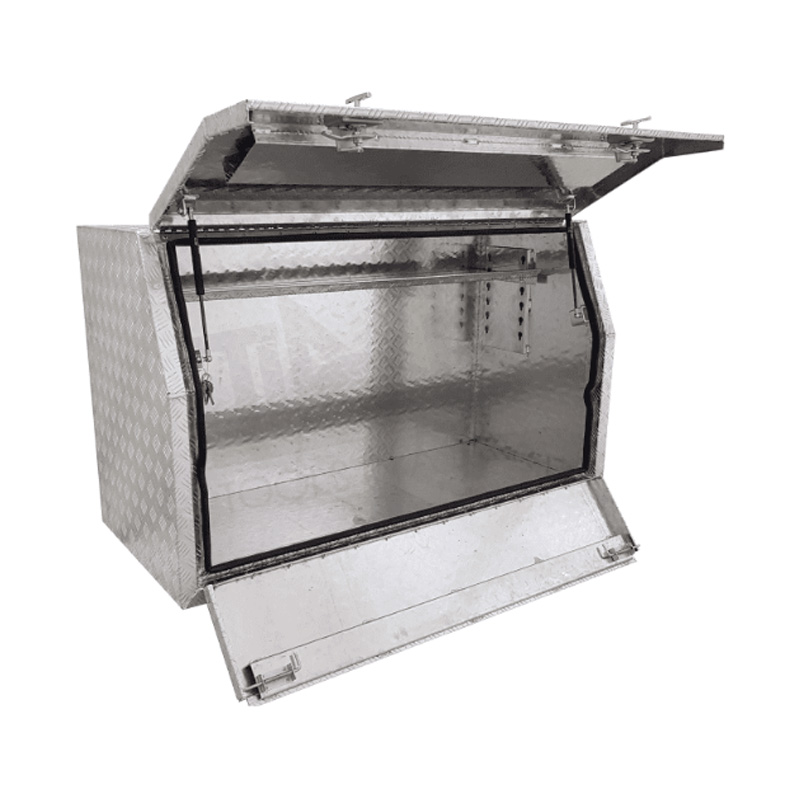 1400 x 600 x 820mm Aluminium Checker Full or Half Side Multi Lid Opening Ute Tool Box Truck Trailer Toolbox ShelvingThickness:...
 -
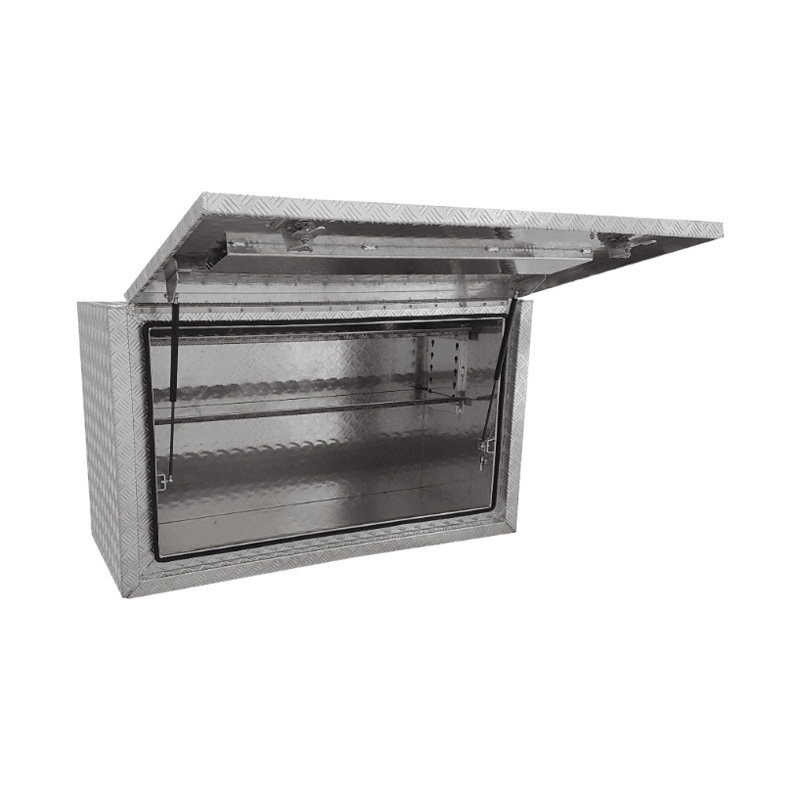 1400 x 600 x 820mm Aluminium Checker Full Side Opening Square Edge Ute Tool Box Truck Trailer Toolbox ShelvingThickness:...
 -
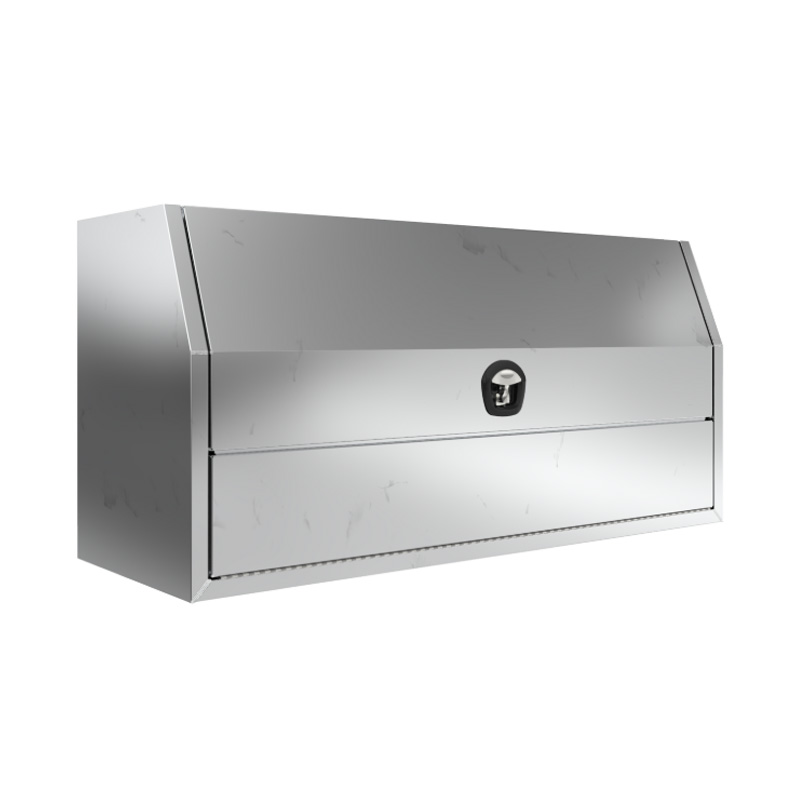 1700 x 600 x 820mm Aluminium Full or Half Side Multi Lid Opening Ute Tool Box Truck Trailer Toolbox ShelvingThickness:...
 -
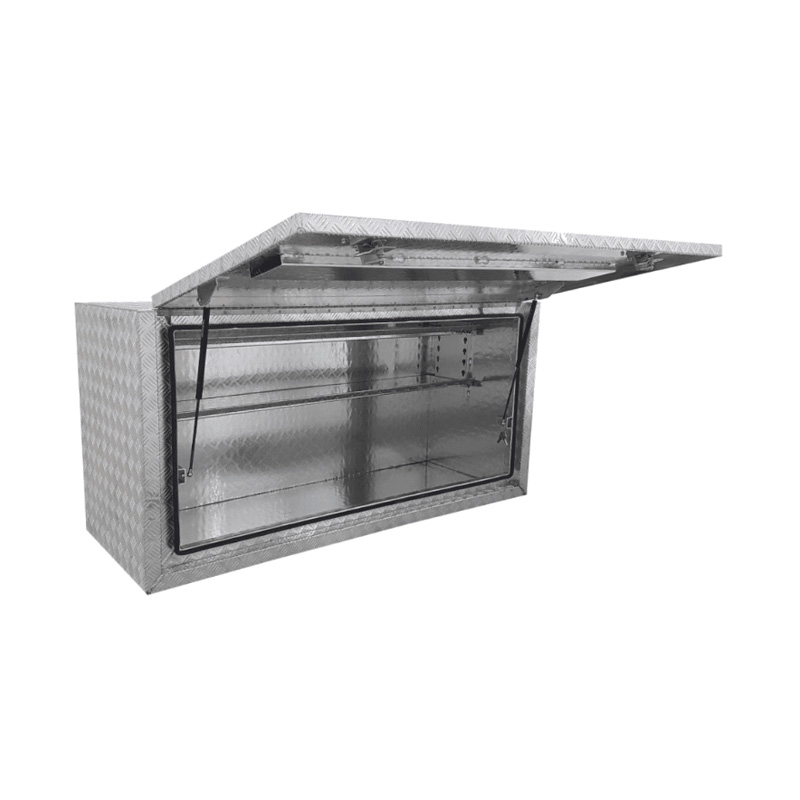 1700 x 600 x 820mm Aluminium Checker Full Side Opening Square Edge Ute Tool Box Truck Trailer Toolbox ShelvingThickness:...
 -
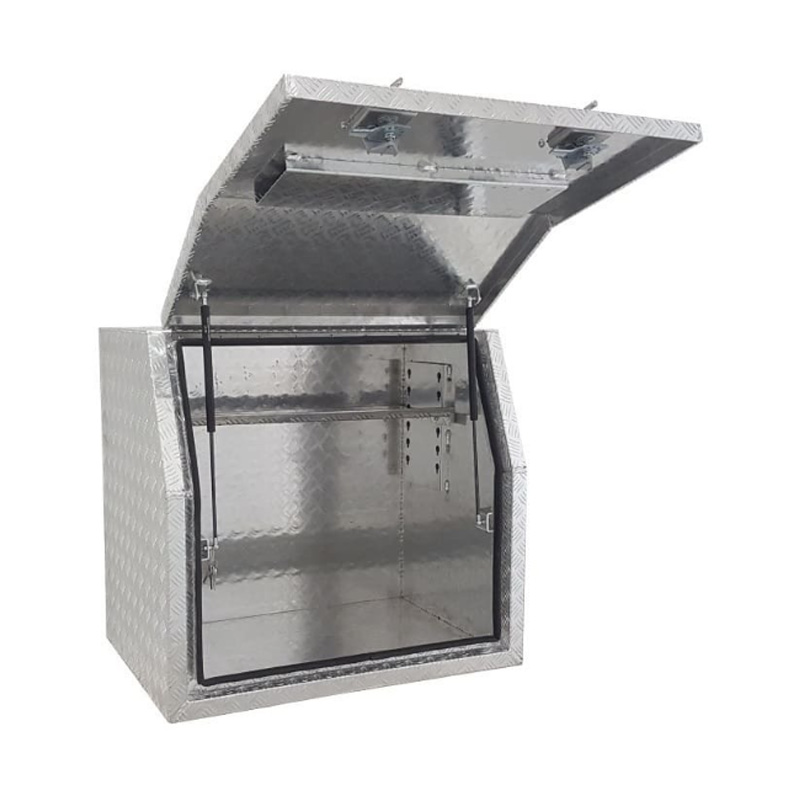 900 x 600 x 820mm Aluminium Checker Full Side Opening Ute Tool Box Truck Trailer Toolbox ShelvingThickness:...
 -
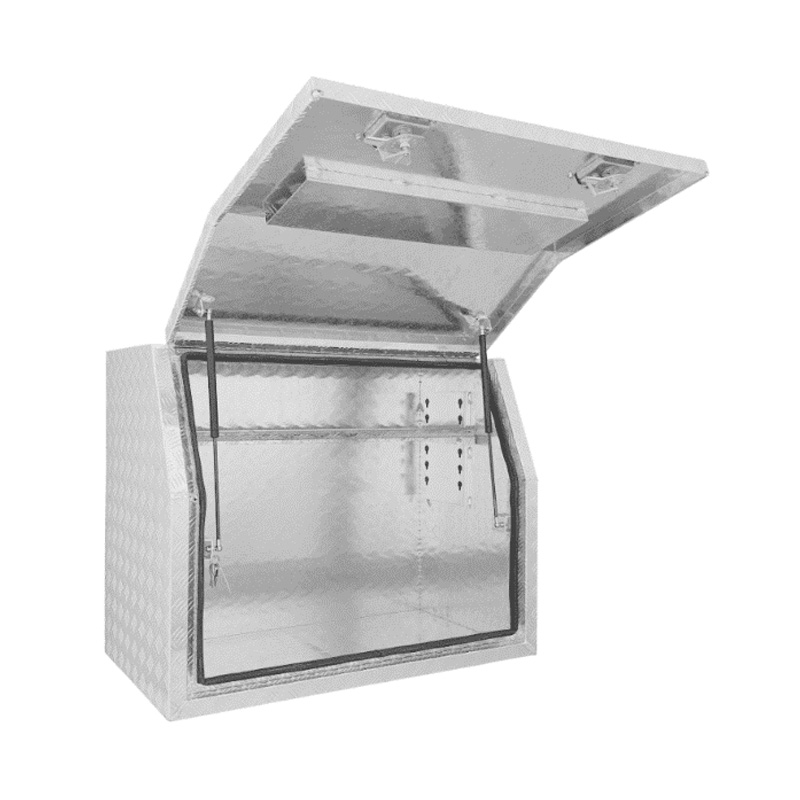 1000 x 530 x 820mm Aluminium Checker Side Opening Ute Tool box 4 Your Truck Ute Trailer Toolbox & CanopyThickness:...
 -
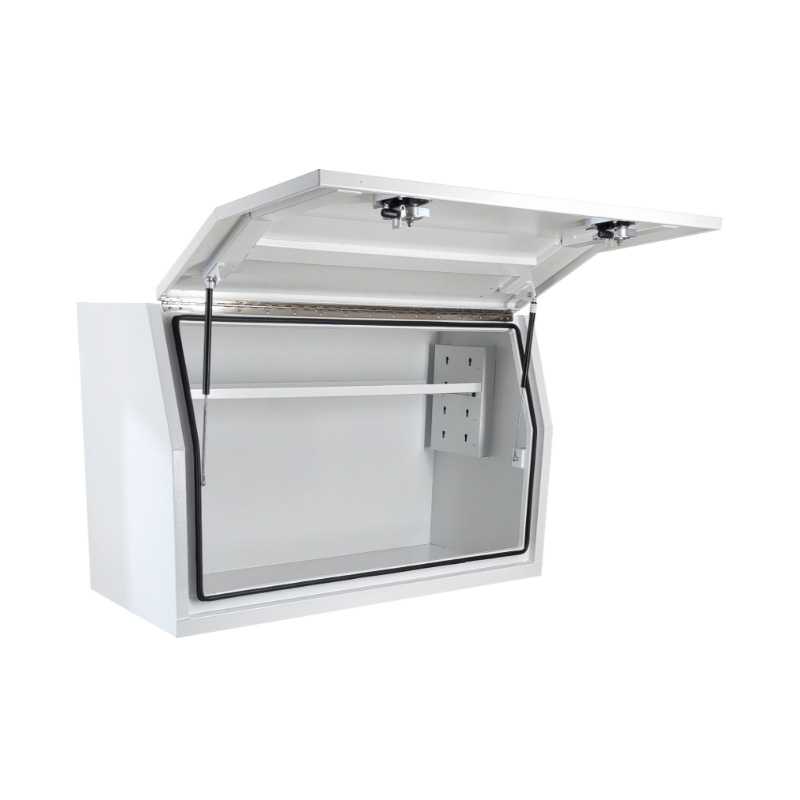 1200 x 600 x 820mm Aluminium Full Side Opening Ute Tool Box Truck Trailer Toolbox ShelvingThickness:...
 -
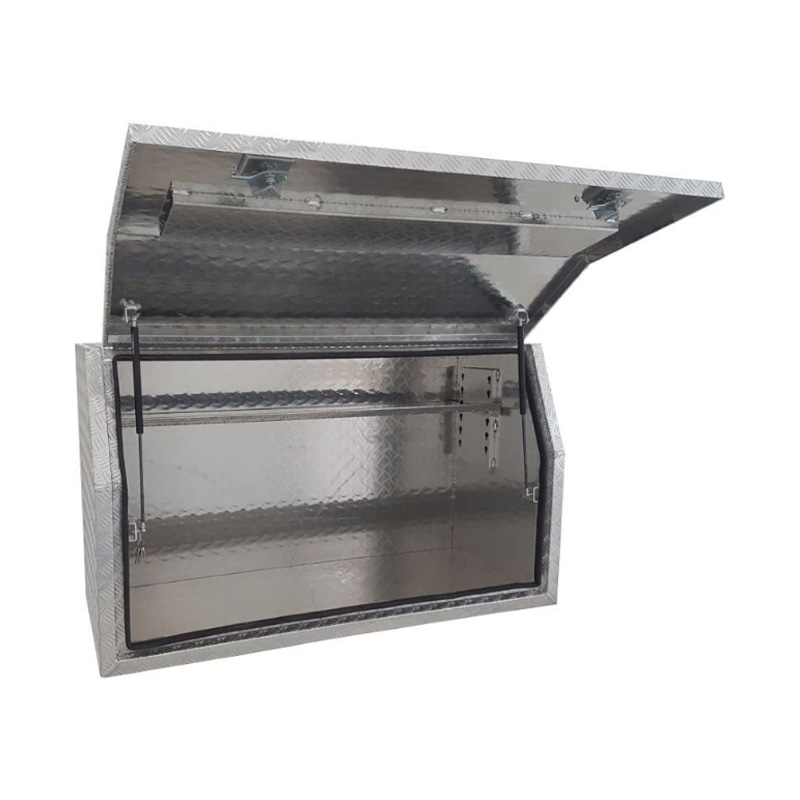 1400 x 530 x 820mm Aluminium Checker Full Side Opening Ute Tool Box Truck Trailer Toolbox ShelvingThickness:...
 -
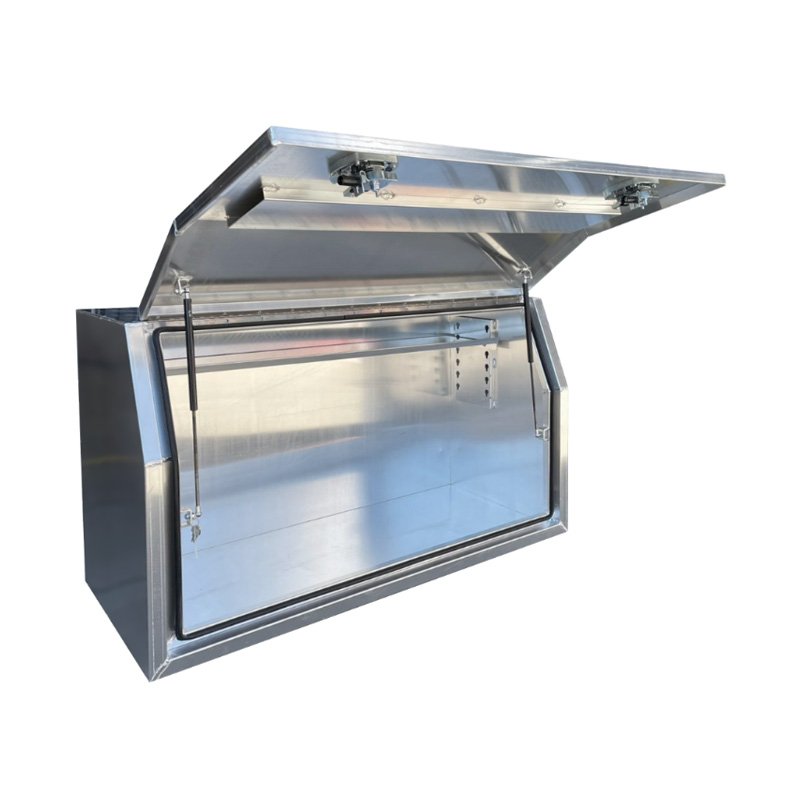 1400 x 600 x 820mm Aluminium Full Side Opening Ute Tool Box Truck Trailer Toolbox ShelvingThickness:...
 -
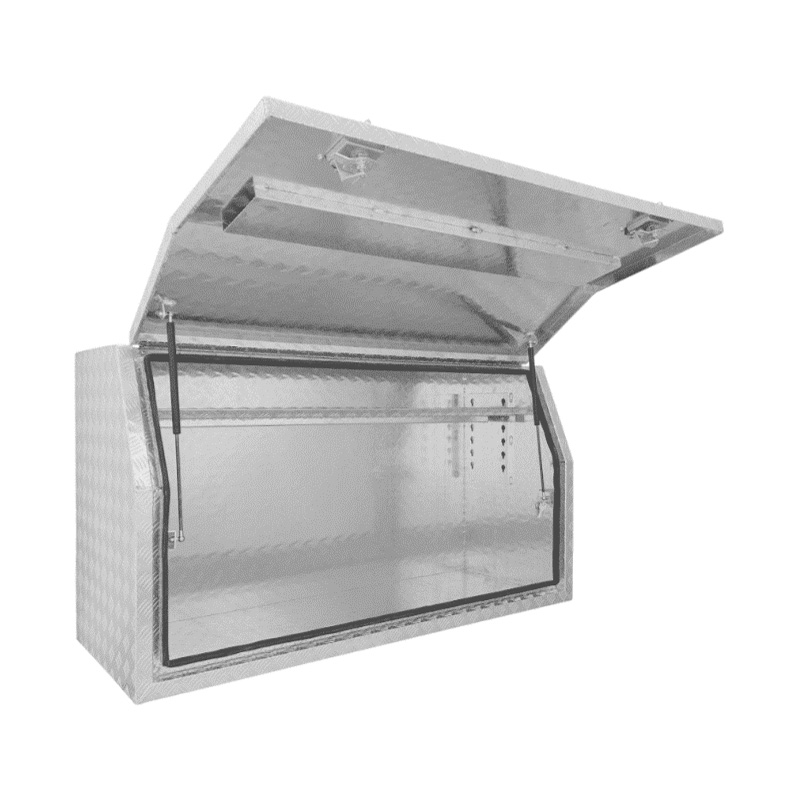 1500 x 530 x 820mm Aluminium Checker Full Side Opening Ute Tool Box Truck Trailer Toolbox ShelvingThickness:...
 -
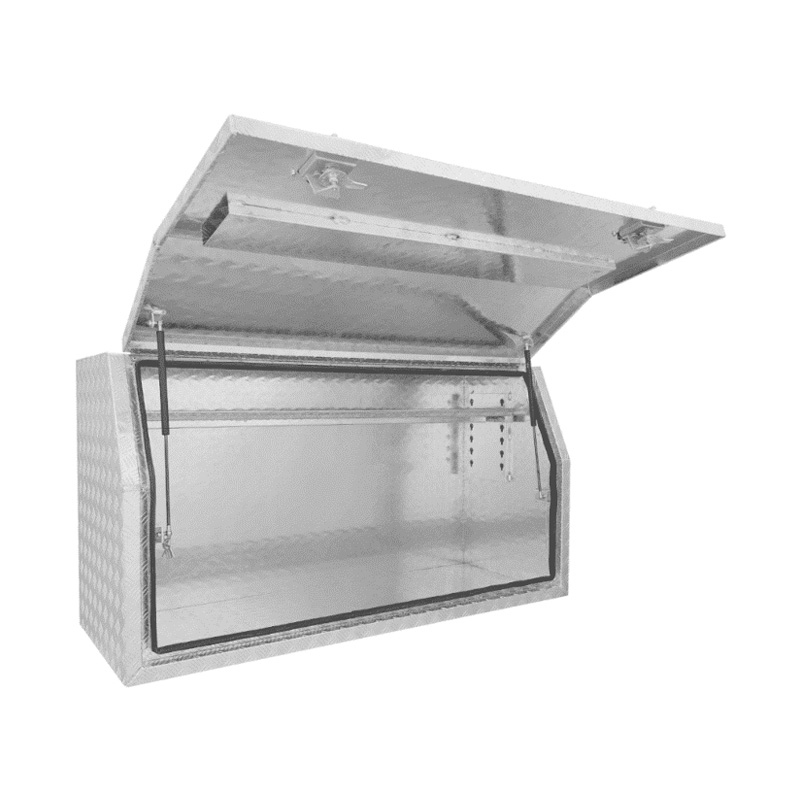 1600 x 530 x 820mm Aluminium Checker Full Side Opening Ute Tool Box Truck Trailer Toolbox ShelvingThickness:...
 -
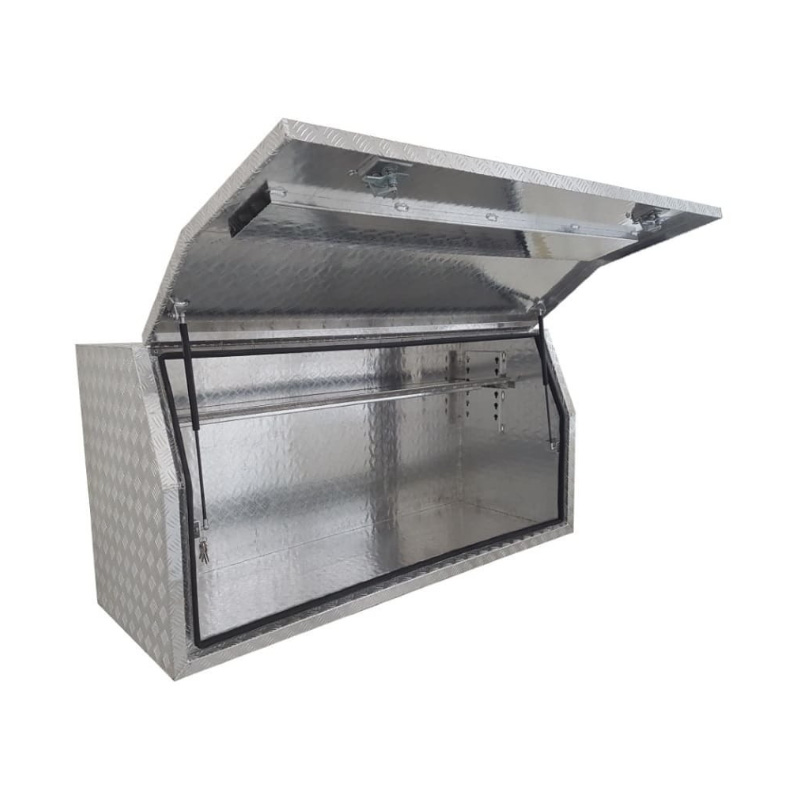 1600 x 600 x 820mm Aluminium Full Side Opening Ute Tool Box Truck Trailer Toolbox ShelvingThickness:...
 -
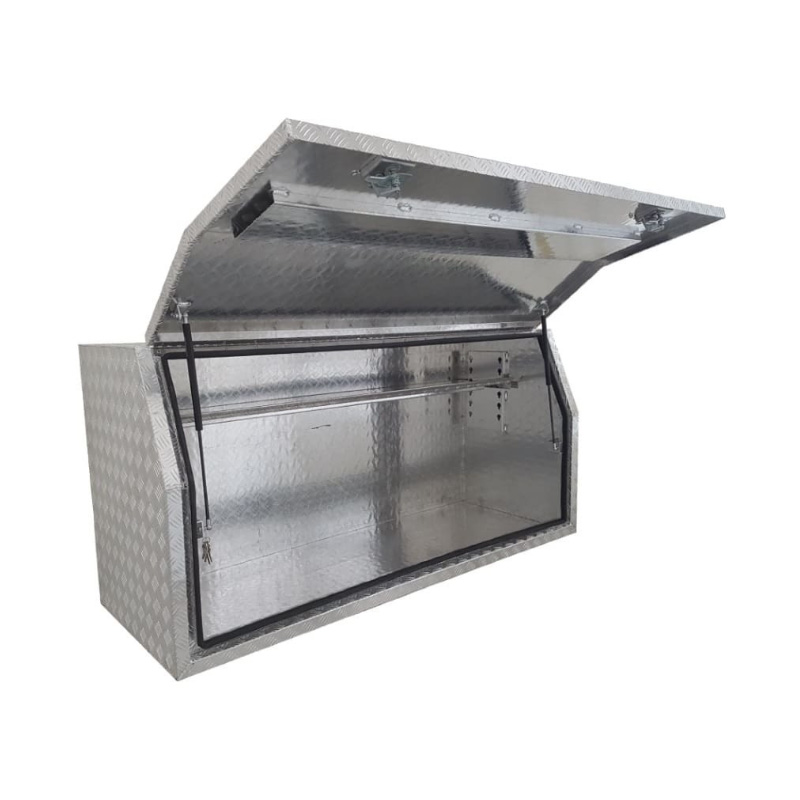 1700 x 530 x 820mm Aluminium Checker Full Side Opening Ute Tool Box Truck Trailer Toolbox ShelvingThickness:...
 -
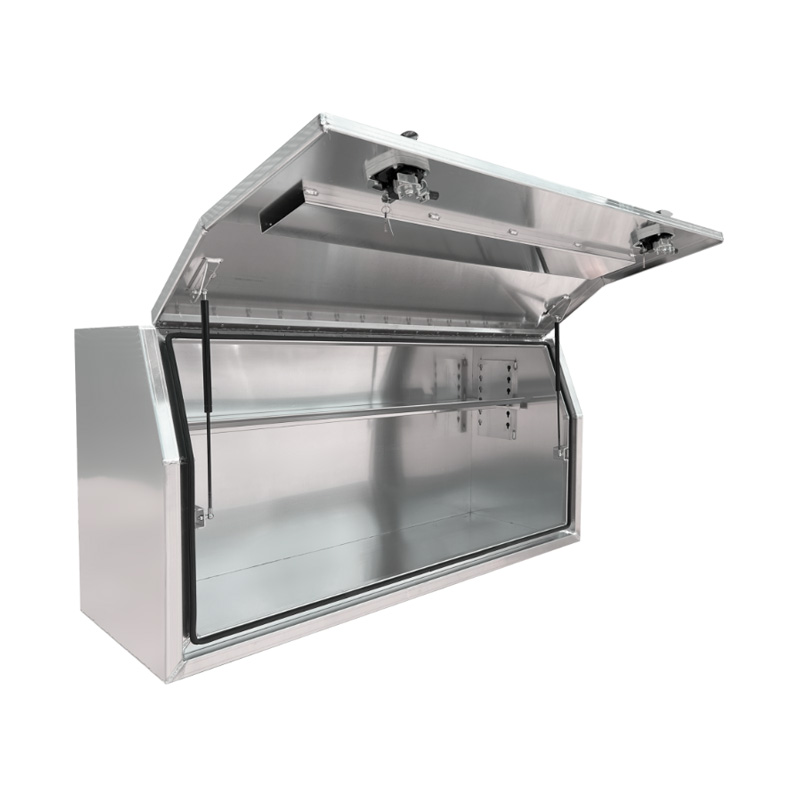 1700 x 600 x 820mm Aluminium Full Side Opening Ute Tool Box Truck Trailer Toolbox ShelvingThickness:...
 -
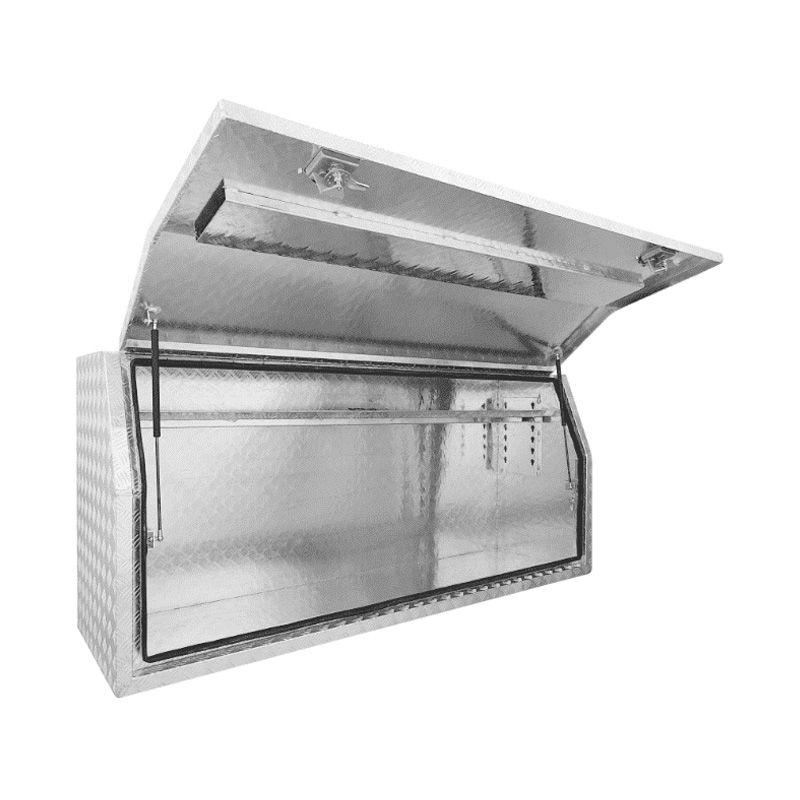 1800 x 530 x 820mm Aluminium Checker Full Side Opening Ute Tool Box Truck Trailer Toolbox ShelvingThickness:...
 -
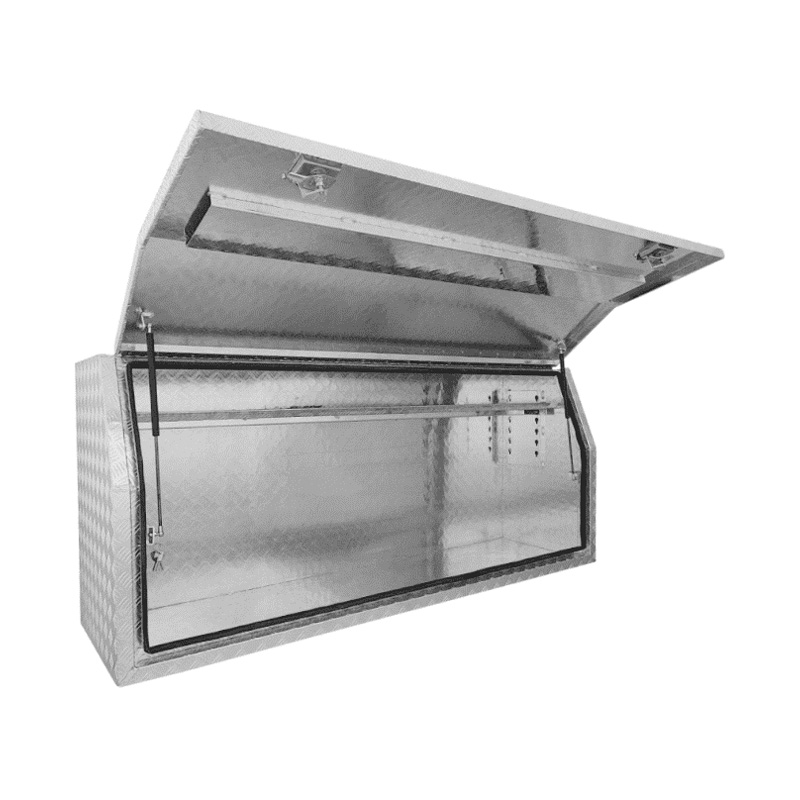 1900 x 530 x 820mm Aluminium Checker Full Side Opening Ute Tool Box Truck Trailer Toolbox ShelvingThickness:...
 -
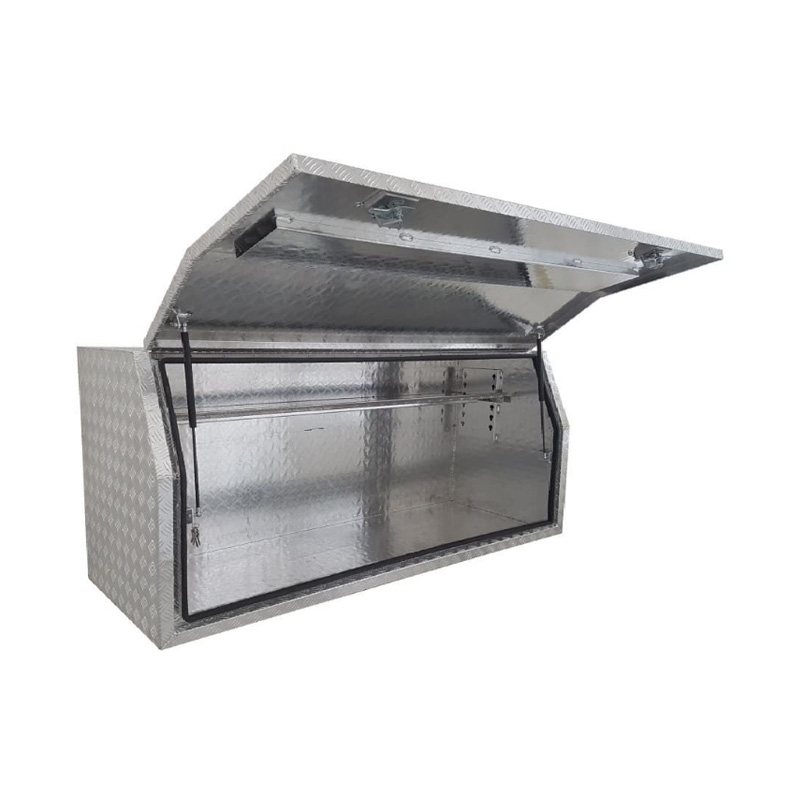 2100 x 600 x 820mm Aluminium Full Side Opening Ute Tool Box Truck Trailer Toolbox ShelvingThickness:...
 -
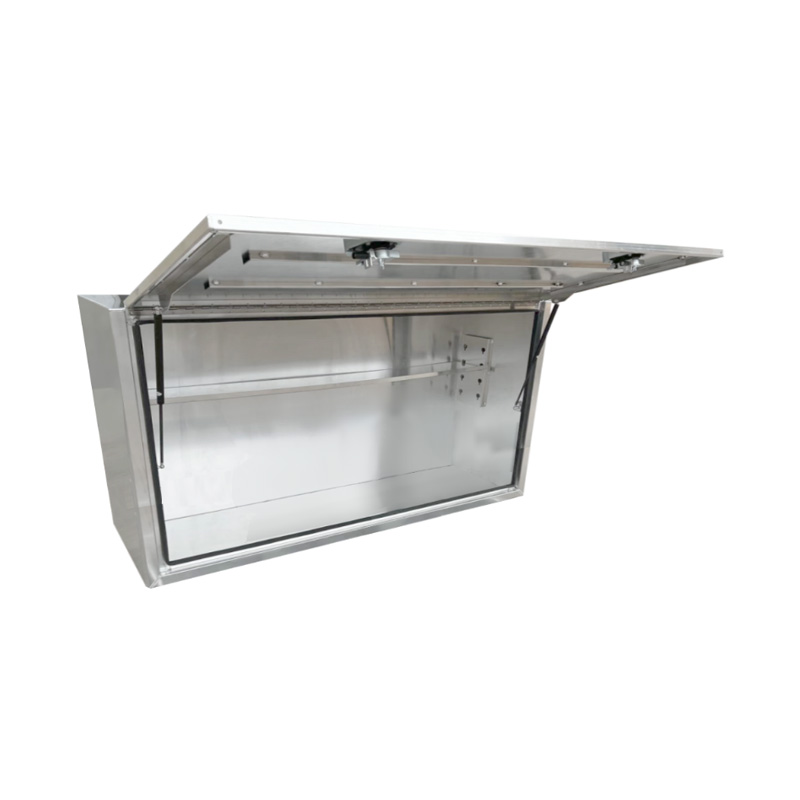 1900 x 600 x 820mm Aluminium Full Side Opening Truck Tool Box HIGH Side Trailer Toolbox ShelvingThickness:...
-
-
Full Lid Ute Toolbox With Drawers
>
-
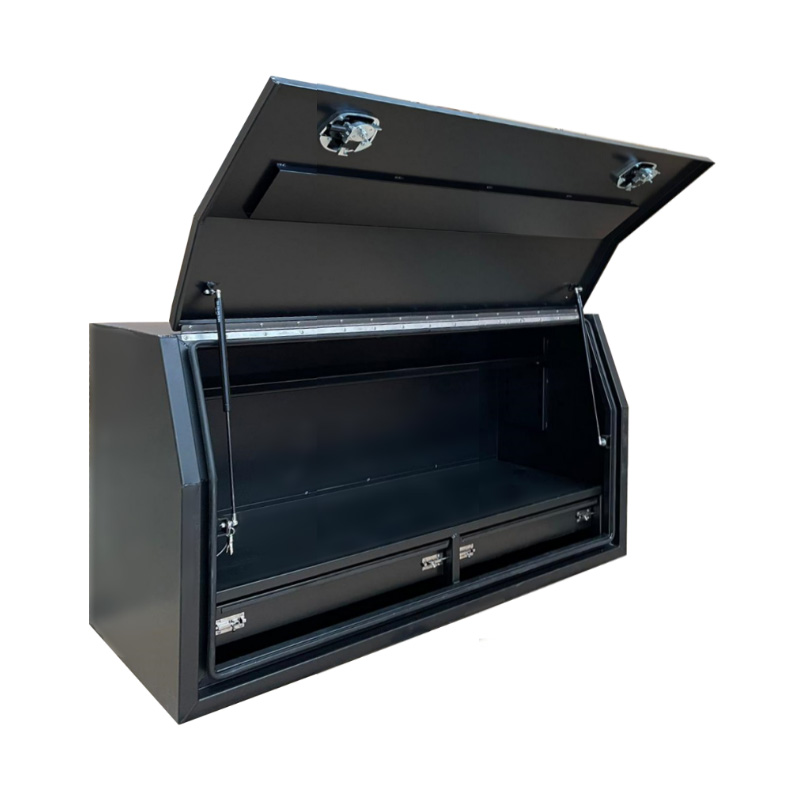 1400 x 600 x 820mm Aluminium Full Side Opening 2 Drawer Slide Ute Tool Box Truck Trailer Toolbox ShelvingThickness:...
 -
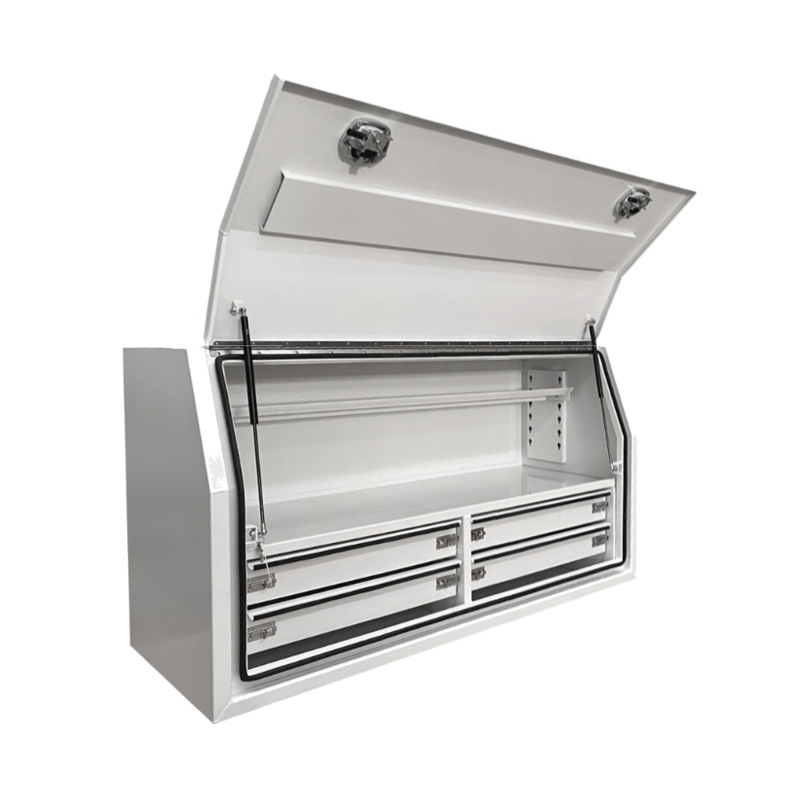 1400 x 600 x 820mm Aluminium Full Side Opening 4 Drawer Slide Ute Tool Box Truck Trailer Toolbox ShelvingThickness:...
 -
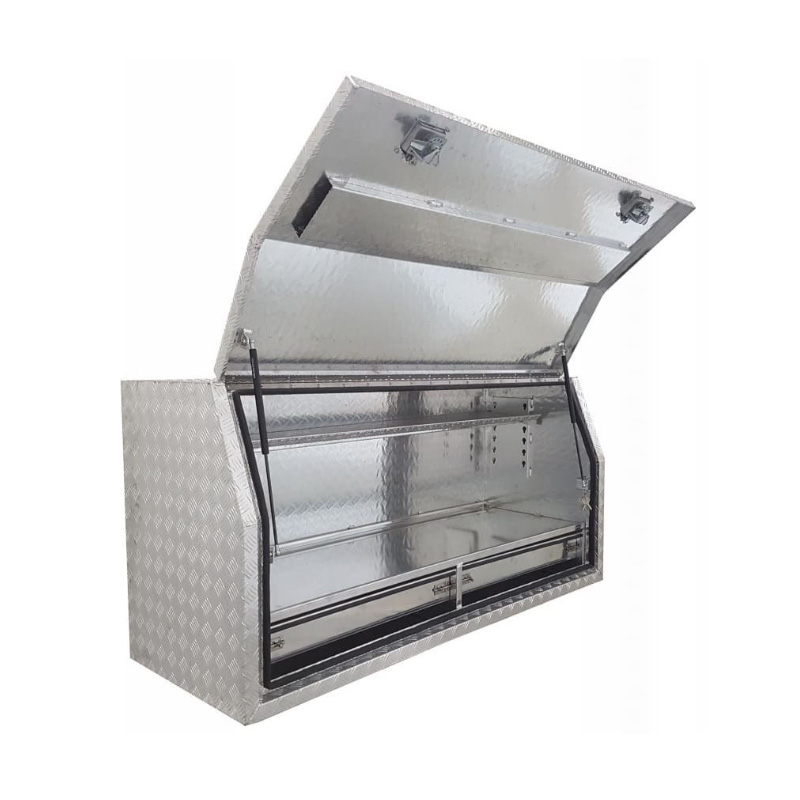 1700 x 600 x 820mm Aluminium Full Side Opening 2 Drawer Slide Ute Tool Box Truck Trailer Toolbox ShelvingThickness:...
 -
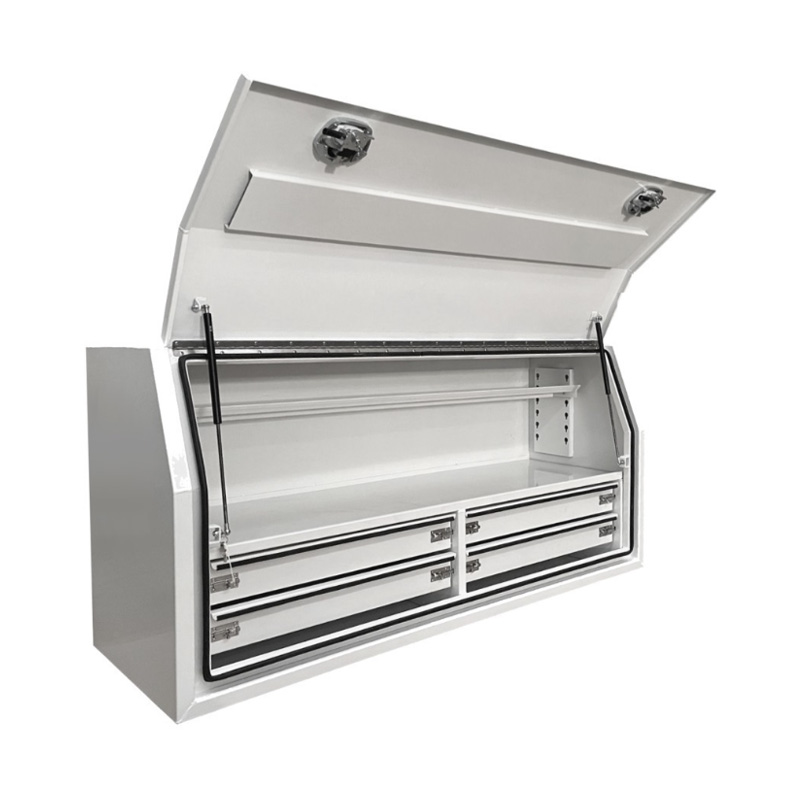 1700 x 600 x 820mm Aluminium Full Side Opening 4 Drawer Slide Ute Tool Box Truck Trailer Toolbox ShelvingThickness:...
-
-
Multi-Lid Ute Toolbox
>
-
1770 x 600 x 500mm Aluminium Checker Sloped Top Gullwing Cross Deck Dual 2 Lid Ute Tool box 4 Your Truck Ute Trailer Toolbox & CanopyThickness:...
-
1770 x 600 x 500mm Aluminium Checker Flat Top Gullwing Cross Deck Dual 2 Lid Ute Tool box 4 Your Truck Ute Trailer Toolbox & CanopyThickness:...
-
1400 x 600 x 820mm Aluminium Checker Full or Half Side Multi Lid Opening Ute Tool Box Truck Trailer Toolbox ShelvingThickness:...
-
1700 x 600 x 820mm Aluminium Full or Half Side Multi Lid Opening Ute Tool Box Truck Trailer Toolbox ShelvingThickness:...
-
1400 x 600 x 820mm Aluminium Checker Full or Half Side Multi Lid Opening Ute Tool Box Truck Trailer Toolbox ShelvingThickness:...
-
1700 x 600 x 820mm Aluminium Full or Half Side Multi Lid Opening Ute Tool Box Truck Trailer Toolbox ShelvingThickness:...
-
-
Half Lid Opening Ute Toolbox
>
-
Truck Toolboxes
>
-
Under Truck Tool Boxes
>
-
600 x 450 x 450mm Aluminium Checker Under Tray Body Tool box Truck Storage ToolboxThickness:...
-
600 x 450 x 450mm Flat Aluminium Under Tray Body Tool box Truck Storage ToolboxThickness:...
-
900 x 450 x 450mm Flat Aluminium Under Tray Body Tool box Truck Storage ToolboxThickness:...
-
1000 x 450 x 450mm Flat Aluminium Under Tray Body Tool box Truck Storage ToolboxThickness:...
-
1200 x 450 x 450mm Flat Aluminium Under Tray Body Tool box Truck Storage ToolboxThickness:...
-
600 x 500 x 500mm Black Aluminium Under Tray Slide Drawer Body Tool box Truck Storage ToolboxThickness:...
-
900 x 500 x 500mm Raw Flat Aluminium Under Tray Slide Drawer Body Tool box Truck Storage ToolboxThickness:...
-
- Half Lid Truck Toolbox With Drawers >
-
Full Lid Opening Truck Toolbox
>
-
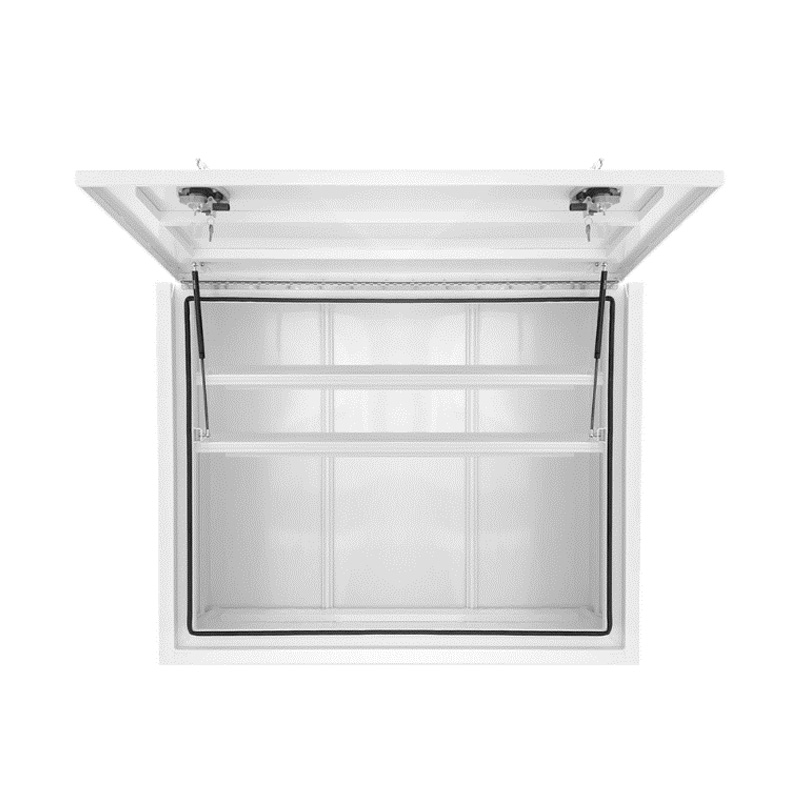 1400 x 600 x 1200mm Aluminium Full Side Opening Truck Tool Box HIGH Side Trailer Toolbox ShelvingThickness:...
 -
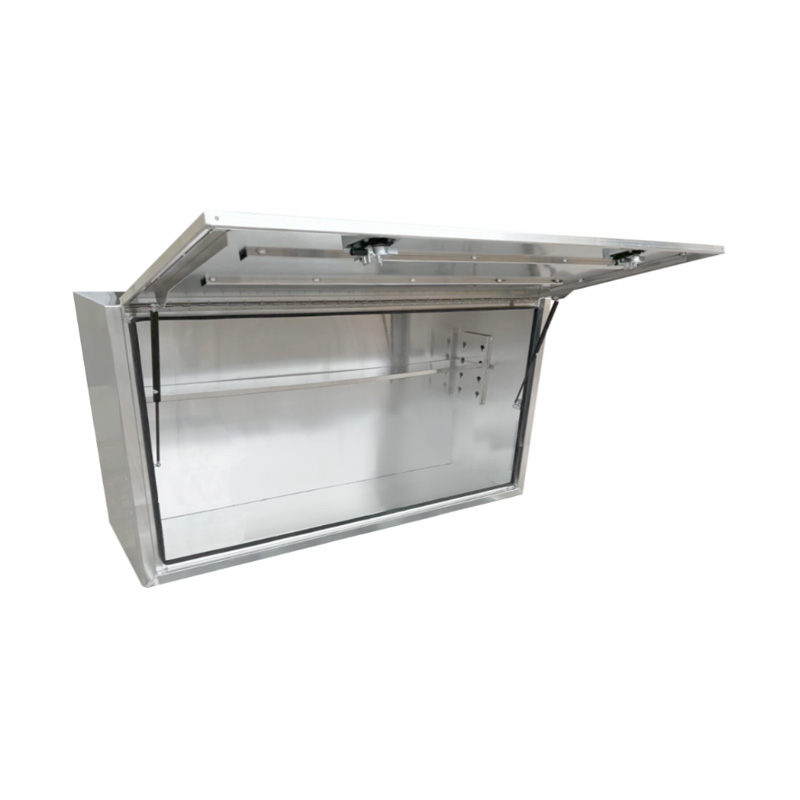 1900 x 600 x 820mm Aluminium Full Side Opening Truck Tool Box HIGH Side Trailer Toolbox Shelving 1968SFD-CPThickness:...
 -
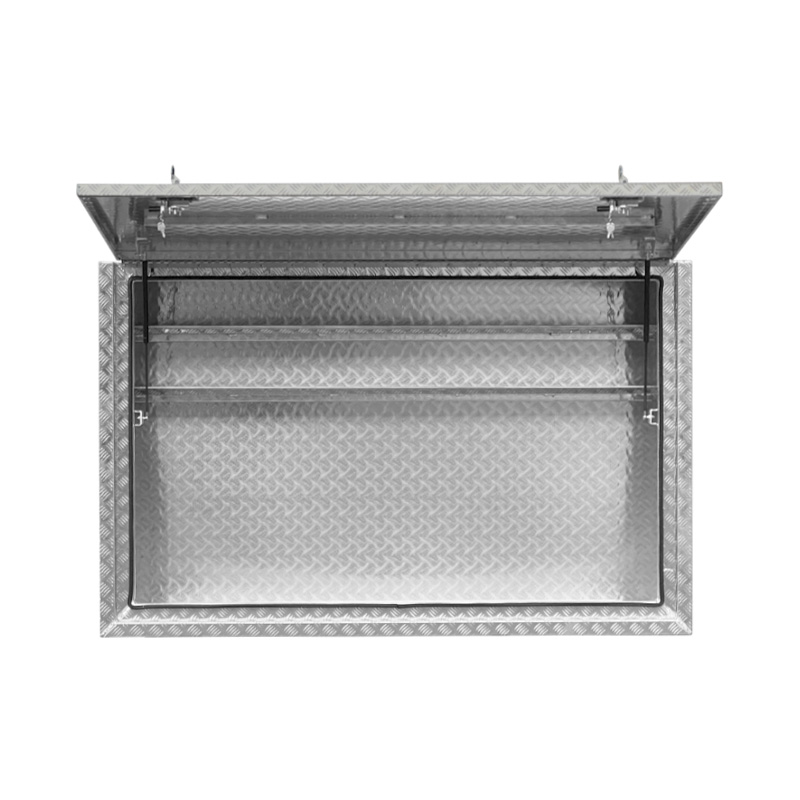 1900 x 600 x 1200mm Aluminium Checker Full Side Opening Truck Tool Box HIGH Side Trailer Toolbox ShelvingThickness:...
 -
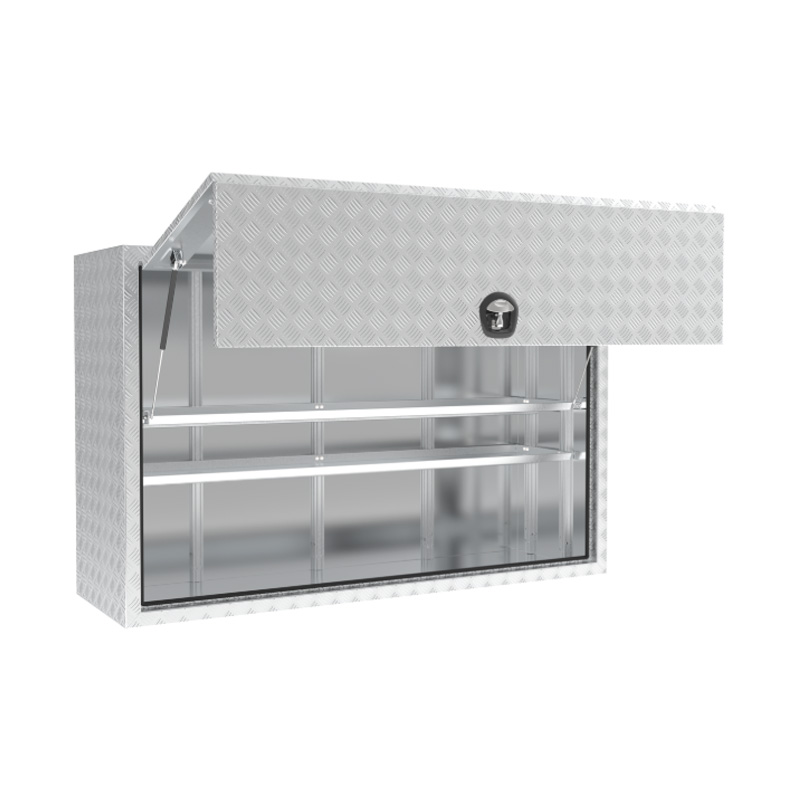 1900 x 600 x 1200mm Checker PRO Full Side Truck Tool Box HIGH Side Toolbox Shelving ReinforcedThickness:...
 -
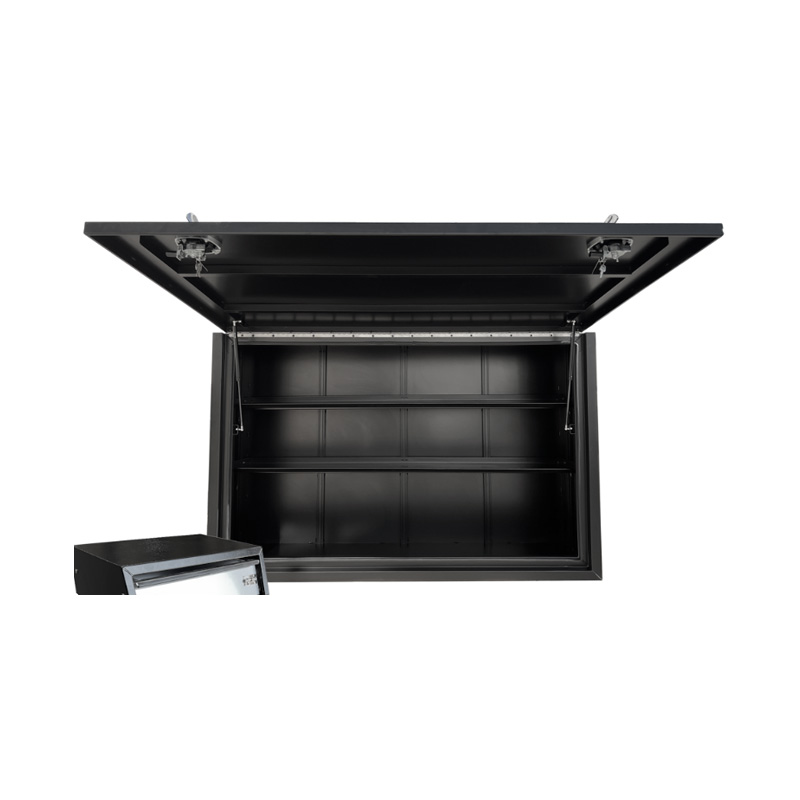 1900 x 600 x 1200mm Aluminium Flat PRO Full Side Truck Tool Box HIGH Side Toolbox Shelving ReinforcedThickness:...
 -
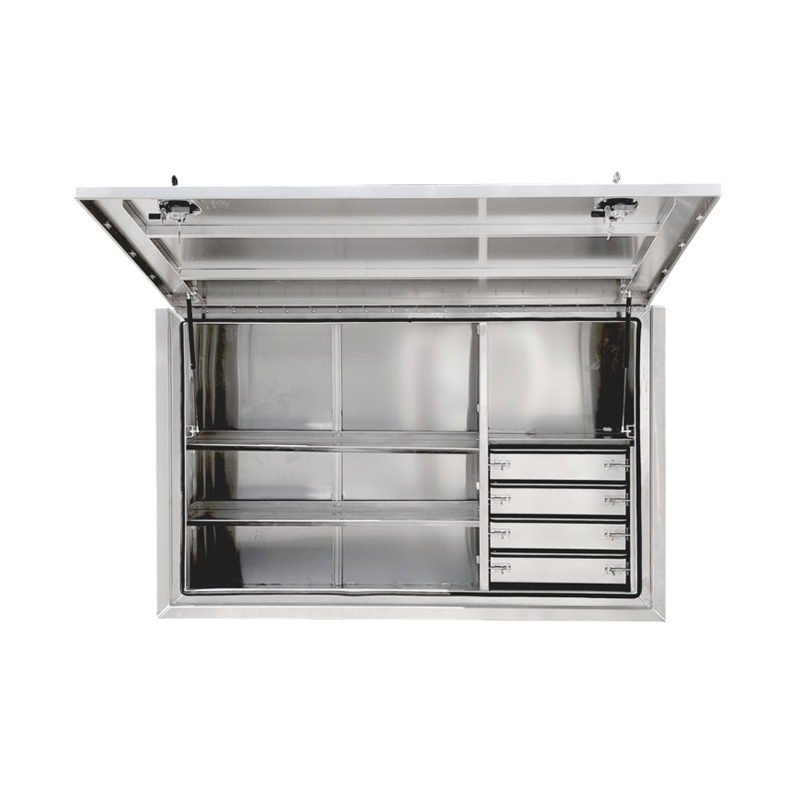 1900 x 600 x 1200mm Aluminium 4 Drawer Full Side Truck Tool Box HIGH Side Trailer Toolbox ShelvingThickness:...
 -
1400 x 600 x 820mm Aluminium Checker Full Side Opening Square Edge Ute Tool Box Truck Trailer Toolbox ShelvingThickness:...
-
1700 x 600 x 820mm Aluminium Checker Full Side Opening Square Edge Ute Tool Box Truck Trailer Toolbox ShelvingThickness:...
-
- Full Lid Truck Toolbox With Drawers >
-
Under Truck Tool Boxes
>
- Dog Boxes >
-
Toolbox Canopies
>
-
1770 x 600 x 500mm Aluminium Checker Sloped Top Gullwing Cross Deck Dual 2 Lid Ute Tool box 4 Your Truck Ute Trailer Toolbox & CanopyThickness:...
-
1770 x 600 x 500mm Aluminium Checker Flat Top Gullwing Cross Deck Dual 2 Lid Ute Tool box 4 Your Truck Ute Trailer Toolbox & CanopyThickness:...
-
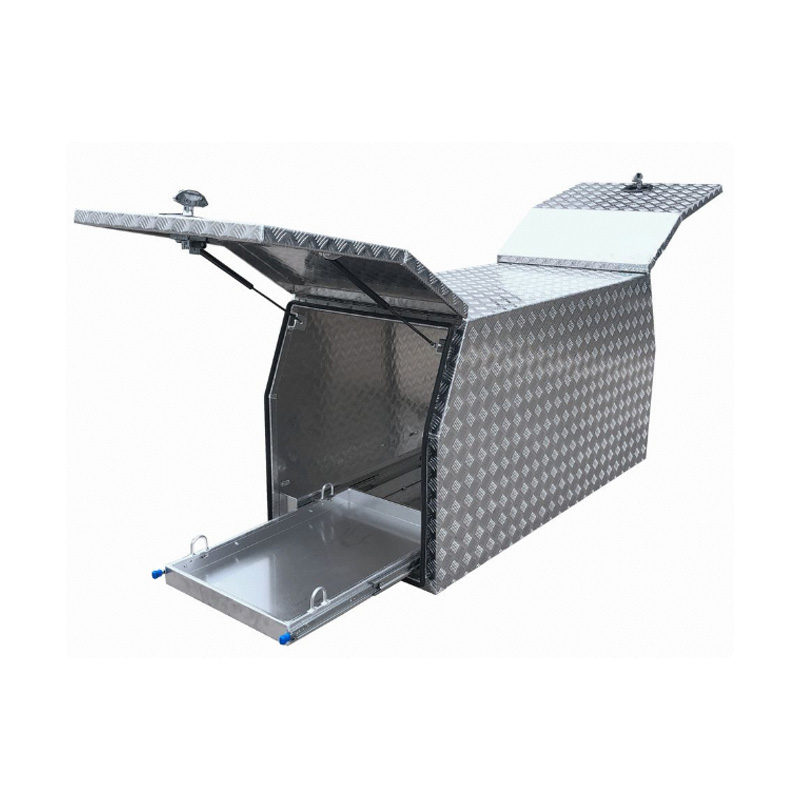 1600 x 700 x 820mm Aluminium Ute Truck Trailer Toolbox Canopy Gullwing 1678-CP-SLDThickness:...
 -
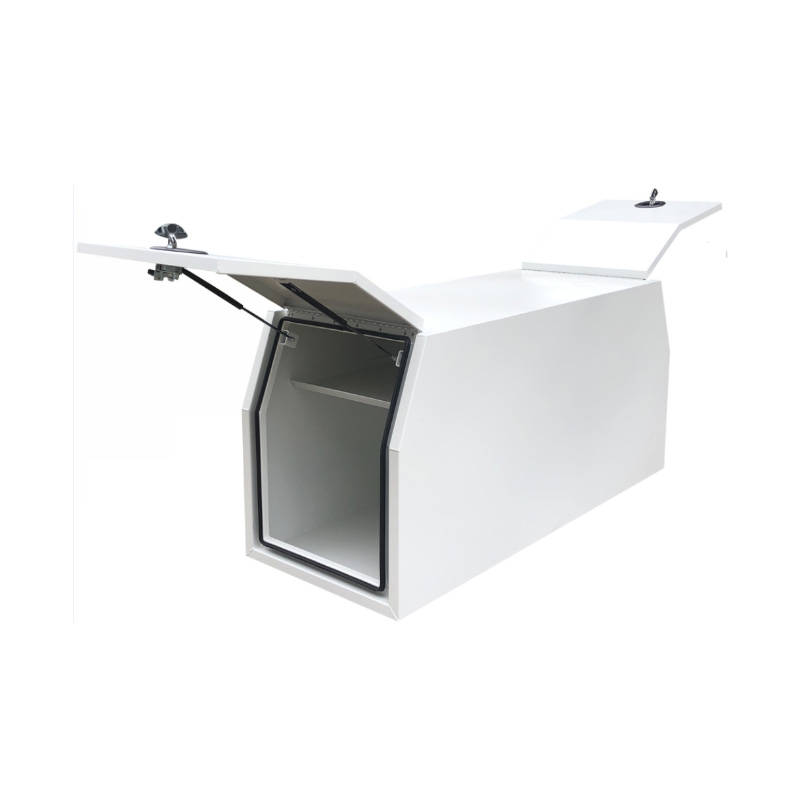 1770 x 700 x 820mm Aluminium Ute Tool Box Truck Trailer Full Lid Part Canopy ToolboxThickness:...
 -
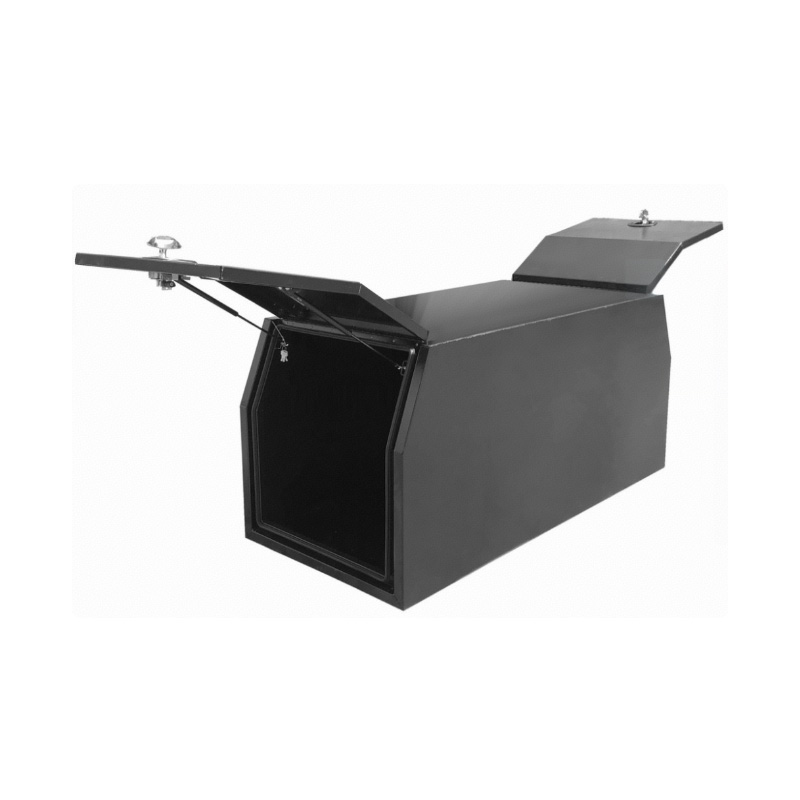 1770 x 800 x 820mm Flat Aluminium Ute Tool Box Truck Trailer Full Lid Part Canopy ToolboxThickness:...
 -
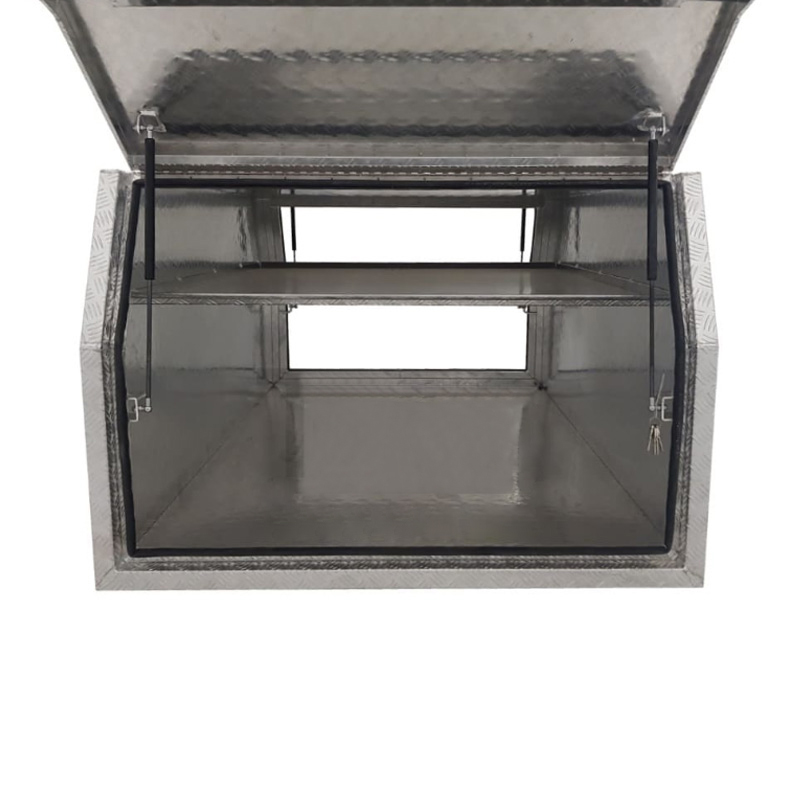 1770 x 1200 x 820mm Aluminium Checker Full Side Part Canopy Tool Box Ute Truck Trailer Toolbox Storage Gullwing ShelvingThickness:...
-
-
Camper & Trailer Boxes
>
-
Trailer Boxes/Draw bar Boxes
>
-
900 x 400 x 400mm Aluminium Checker Top Opening Ute Tool box 4 Your Truck Ute Trailer Toolbox & CanopyThickness:...
-
1220 x 400 x 350mm Aluminium Top Opening Ute Tool box 4 Your Truck Ute Trailer Toolbox & CanopyThickness:...
-
1220 x 500 x 500mm Aluminium Top Opening Ute Tool box 4 Your Truck Ute Trailer Toolbox & Canopy 1255Thickness:...
-
1500 x 500 x 450mm Aluminium Checker Top Opening Ute Tool box 4 Your Truck Ute Trailer Toolbox & CanopyThickness:...
-
1200 x 600 x 700mm Aluminium Checker Tool Box Ute Truck Fridge Trailer 3/4 Angle Storage ToolboxThickness:...
-
1400 x 600 x 700mm Aluminium Checker Tool Box Ute Truck Fridge Trailer 3/4 Angle Storage ToolboxThickness:...
-
1500 x 400 x 400mm Aluminium Checker 3 Lid Ute Toolbox Trailer Camping Camper Caravan Truck Tool BoxThickness:...
-
1500 x 500 x 500mm Raw Flat Aluminium 3 Lid Ute Toolbox Trailer Camping Camper Caravan Truck Tool BoxThickness:...
-
2000 x 500 x 500mm Aluminium 3 Lid Ute Toolbox Trailer Camping Camper Caravan Truck Tool BoxThickness:...
-
1700 x 550 x 610mm Black Aluminium Checker Ute Truck Tool Box Fridge Slide & Webber BBQ Slide Camper ToolboxThickness:...
-
2200 x 550 x 550mm Aluminium 3 Lid Slides BBQ Generator Camper ToolboxThickness:...
-
1400 x 550 x 800mm Black Aluminium Checker Ute Toolbox Webber BBQ & Fridge Slide Camper Caravan Canopy Tool BoxThickness:...
-
1700 x 550 x 800mm Black Aluminium Checker Ute Toolbox Webber BBQ & Fridge Slide Camper Caravan Canopy Tool BoxThickness:...
-
2000 x 550 x 800mm Black Aluminium Checker Ute Toolbox Webber BBQ & Fridge Slide Camper Caravan Canopy Tool BoxThickness:...
-
1770 x 600 x 500mm Aluminium Checker Sloped Top Gullwing Cross Deck Dual 2 Lid Ute Tool box 4 Your Truck Ute Trailer Toolbox & CanopyThickness:...
-
1770 x 600 x 500mm Aluminium Checker Flat Top Gullwing Cross Deck Dual 2 Lid Ute Tool box 4 Your Truck Ute Trailer Toolbox & CanopyThickness:...
-
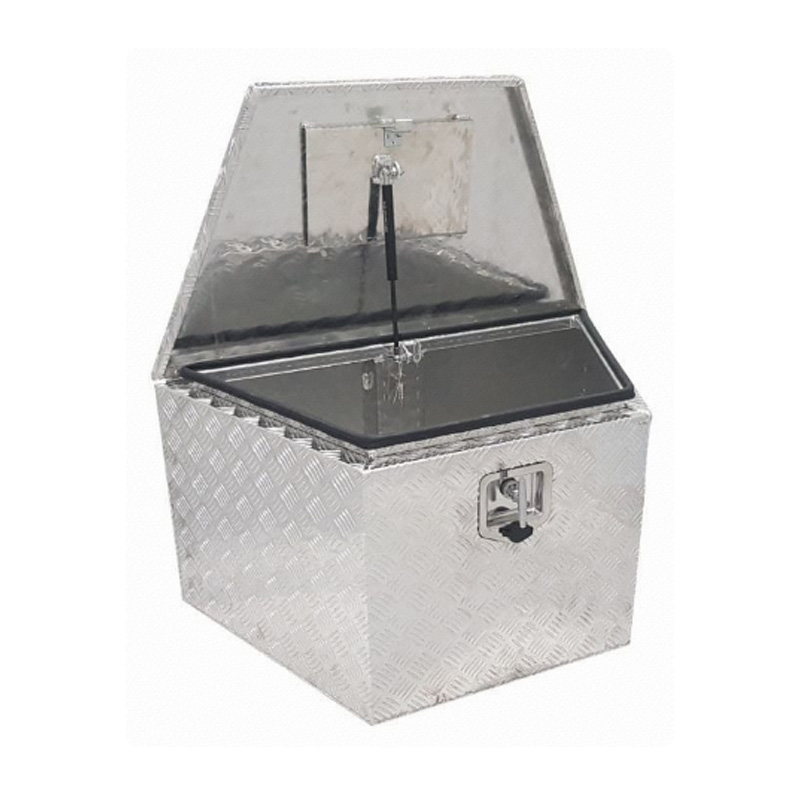 860 x 460 x 460mm Aluminium Checker Toolbox Trailer Draw Bar Storage DrawBar Tool BoxThickness:...
 -
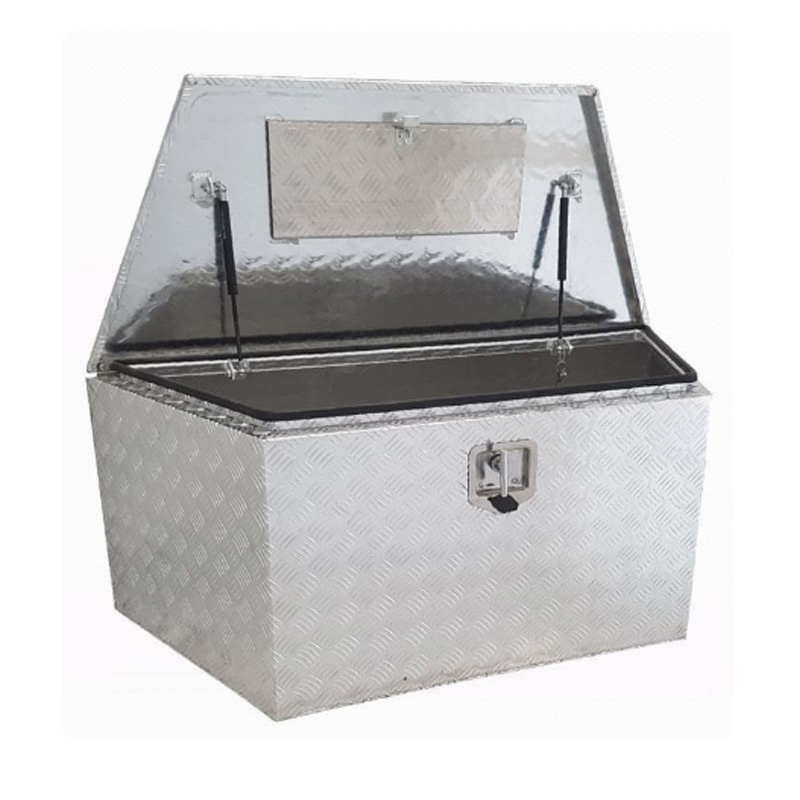 1200 x 500 x 500mm Aluminium Toolbox Trailer Draw Bar Storage DrawBar Tool BoxThickness:...
 -
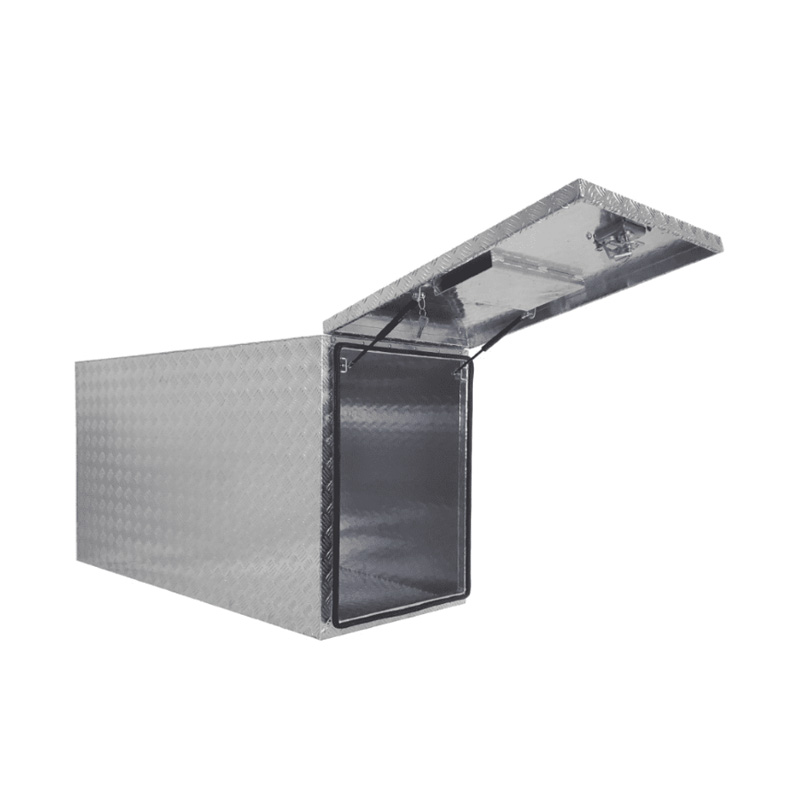 1400 x 580 x 820mm Aluminium Checker Full Side Center Box Caravan Ute Tool Box Truck Cab Trailer ToolboxThickness:...
 -
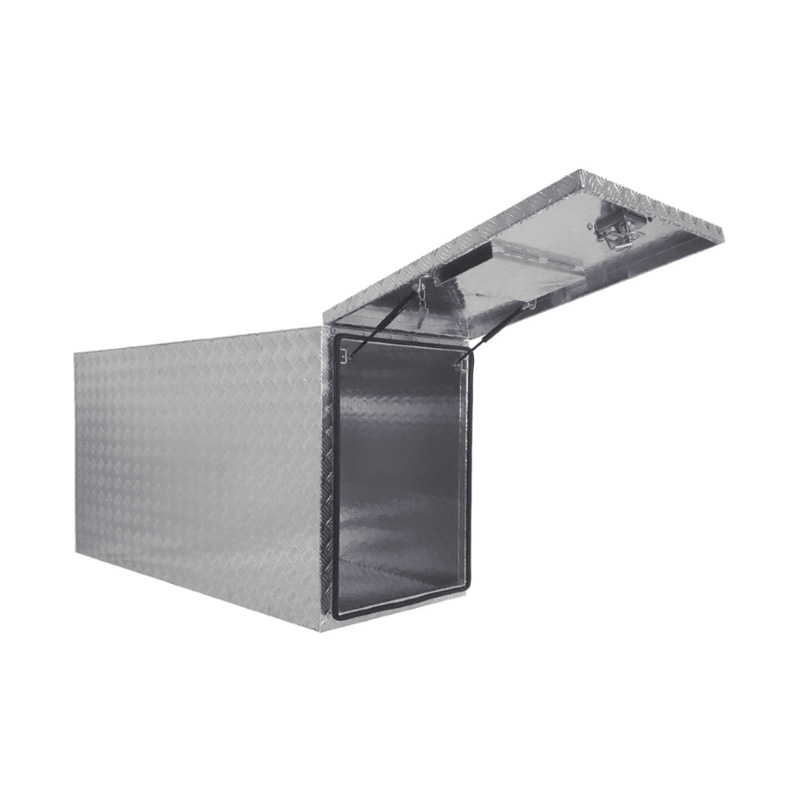 1700 x 580 x 820mm Aluminium Checker Full Side Center Box Caravan Ute Tool Box Truck Cab Trailer ToolboxThickness:...
-
-
Caravan Boxes
>
-
1500 x 400 x 400mm Aluminium Checker 3 Lid Ute Toolbox Trailer Camping Camper Caravan Truck Tool BoxThickness:...
-
1500 x 500 x 500mm Raw Flat Aluminium 3 Lid Ute Toolbox Trailer Camping Camper Caravan Truck Tool BoxThickness:...
-
2000 x 500 x 500mm Aluminium 3 Lid Ute Toolbox Trailer Camping Camper Caravan Truck Tool BoxThickness:...
-
1700 x 550 x 610mm Black Aluminium Checker Ute Truck Tool Box Fridge Slide & Webber BBQ Slide Camper ToolboxThickness:...
-
2200 x 550 x 550mm Aluminium 3 Lid Slides BBQ Generator Camper ToolboxThickness:...
-
1400 x 550 x 800mm Black Aluminium Checker Ute Toolbox Webber BBQ & Fridge Slide Camper Caravan Canopy Tool BoxThickness:...
-
1700 x 550 x 800mm Black Aluminium Checker Ute Toolbox Webber BBQ & Fridge Slide Camper Caravan Canopy Tool BoxThickness:...
-
2000 x 550 x 800mm Black Aluminium Checker Ute Toolbox Webber BBQ & Fridge Slide Camper Caravan Canopy Tool BoxThickness:...
-
1600 x 700 x 820mm Aluminium Ute Truck Trailer Toolbox Canopy Gullwing 1678-CP-SLDThickness:...
-
-
Generator Boxes
>
-
610 x 330 x 540mm Aluminium Checker Ute Toolbox Trailer Camper Caravan Generator Tool Box for Honda 2kvaThickness:...
-
700 x 450 x 650mm Aluminium Checker Ute Toolbox Trailer Camper Caravan Generator Tool BoxThickness:...
-
760 x 500 x 560mm Aluminium Checker Ute Toolbox Trailer Camper Caravan Generator Tool BoxThickness:...
-
-
Trailer Boxes/Draw bar Boxes
>
-
Under Tray Toolboxes
>
- Accessories
-
Trailers Accessories
>
- Trailer Jockey Wheel >
-
Trailer Coupler
>
-
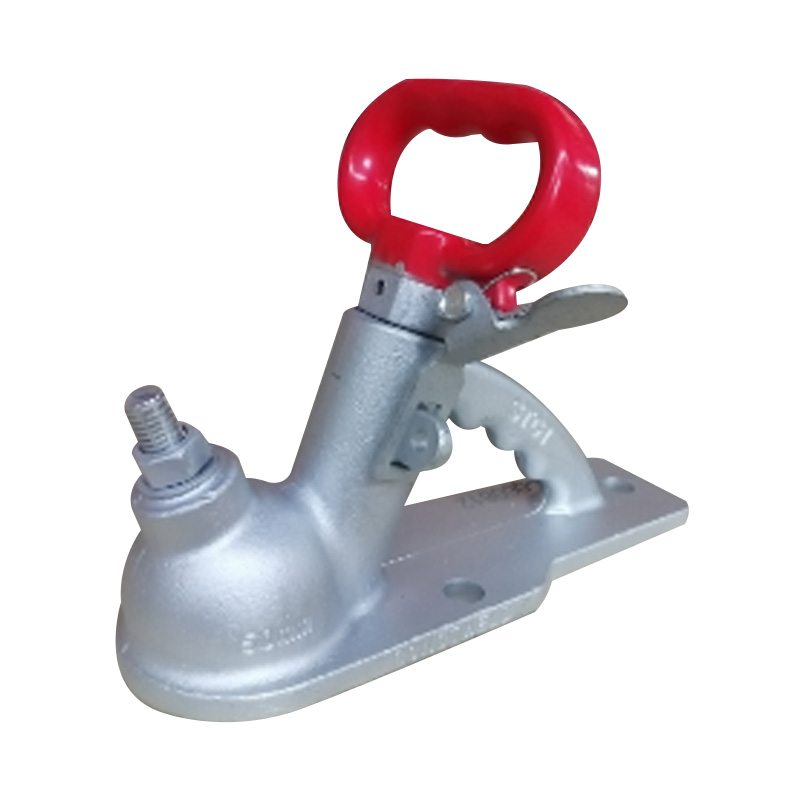 AU 2/3 Hole Quick Release 50 mm Non Braked CouplerSuits 50mm...
 -
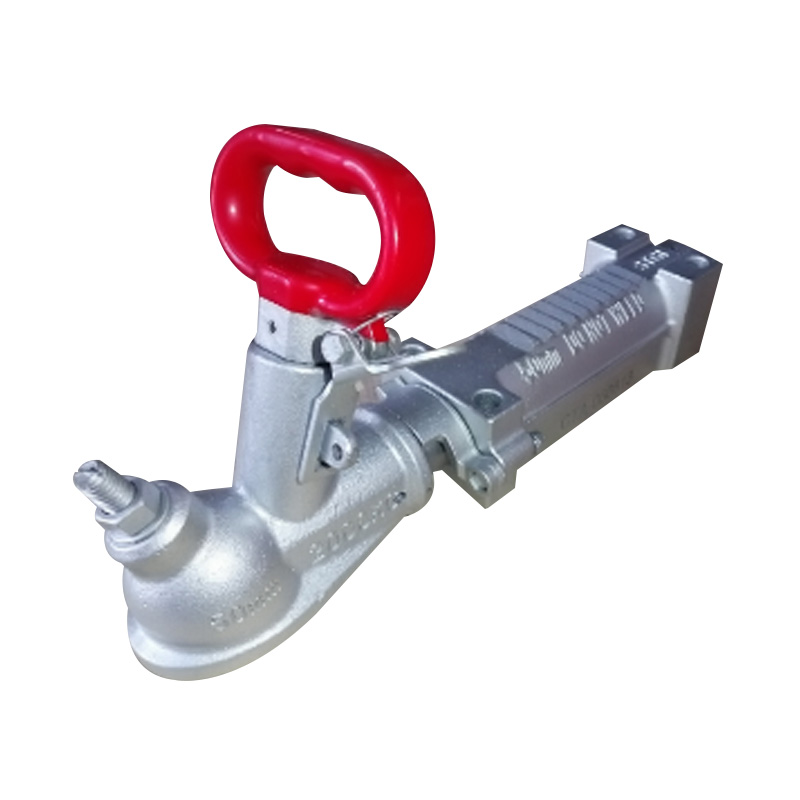 AU 50 mm Mechanical Brake CouplerSuits 50mm...
 -
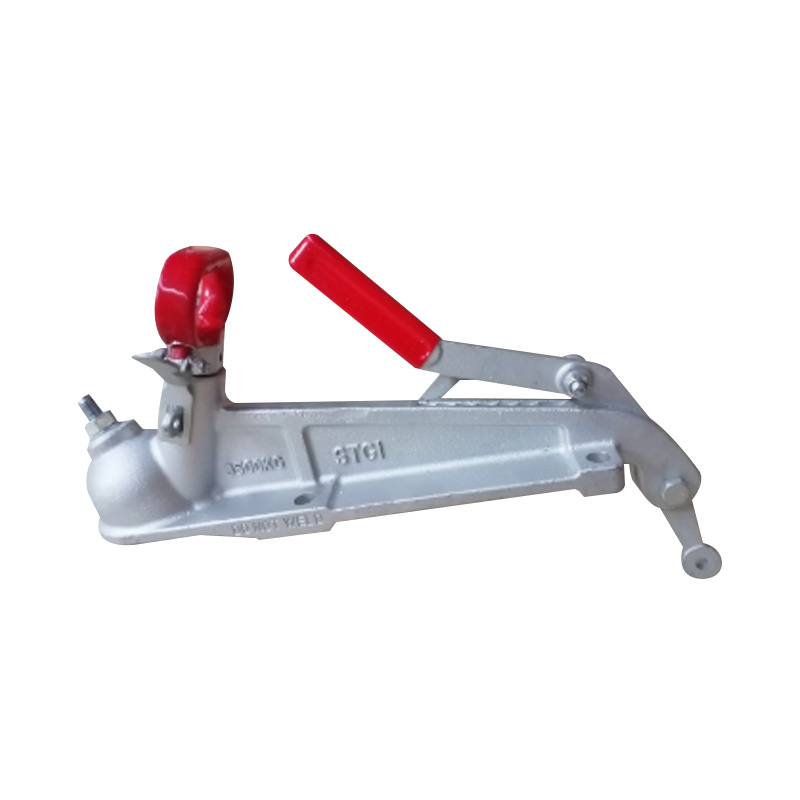 AU Electric Coupling 50 mm Towball 3.5T RatedSuits 50mm...
 -
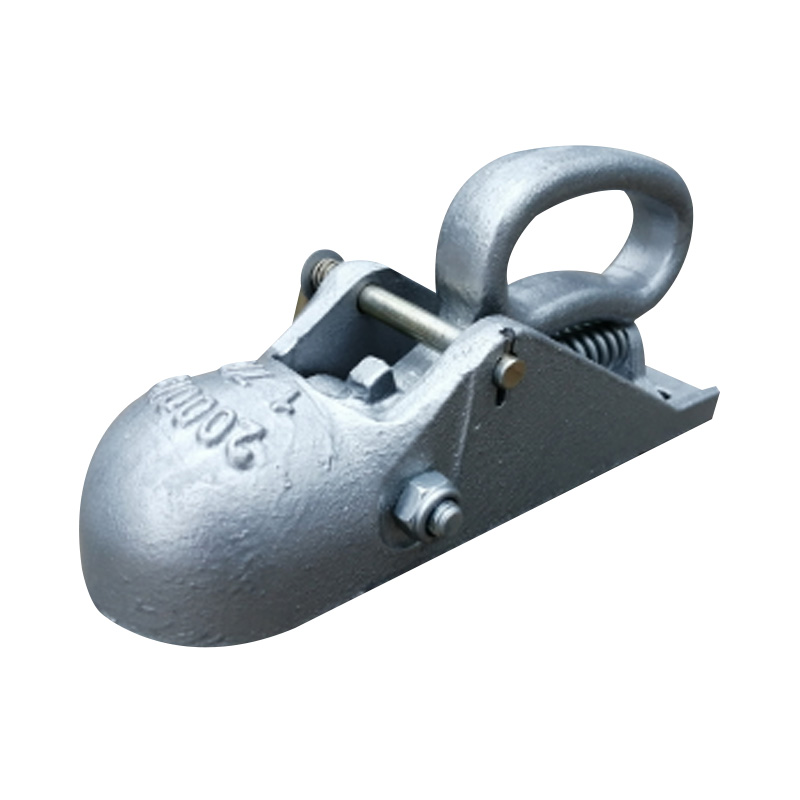 NZ 1-7/8 Non Braked CouplerSuits 45mm...
 -
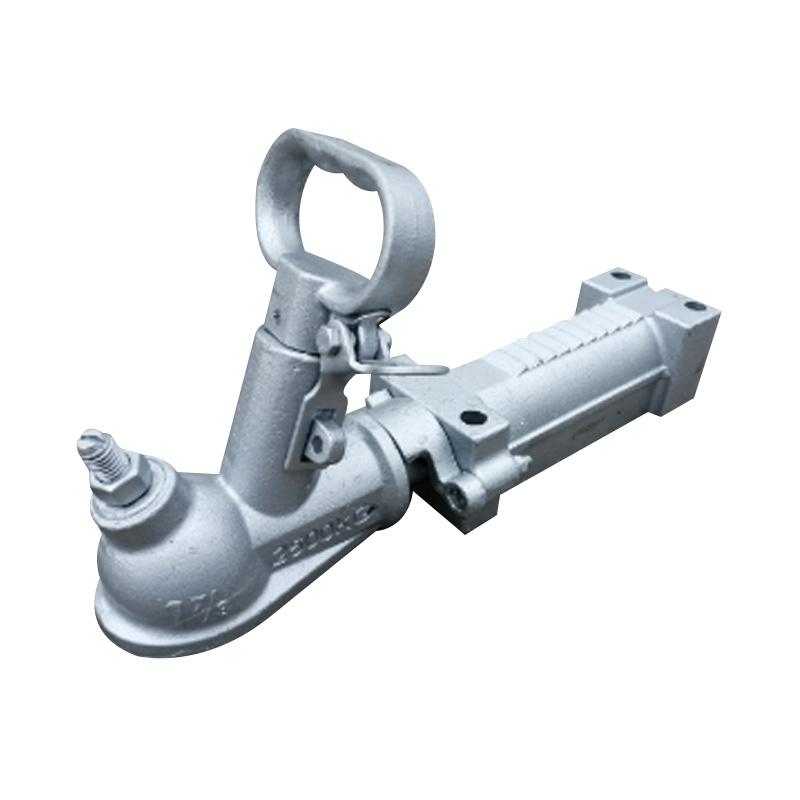 NZ 1-7/8 Mechanical Brake CouplerSuits 45mm...
 -
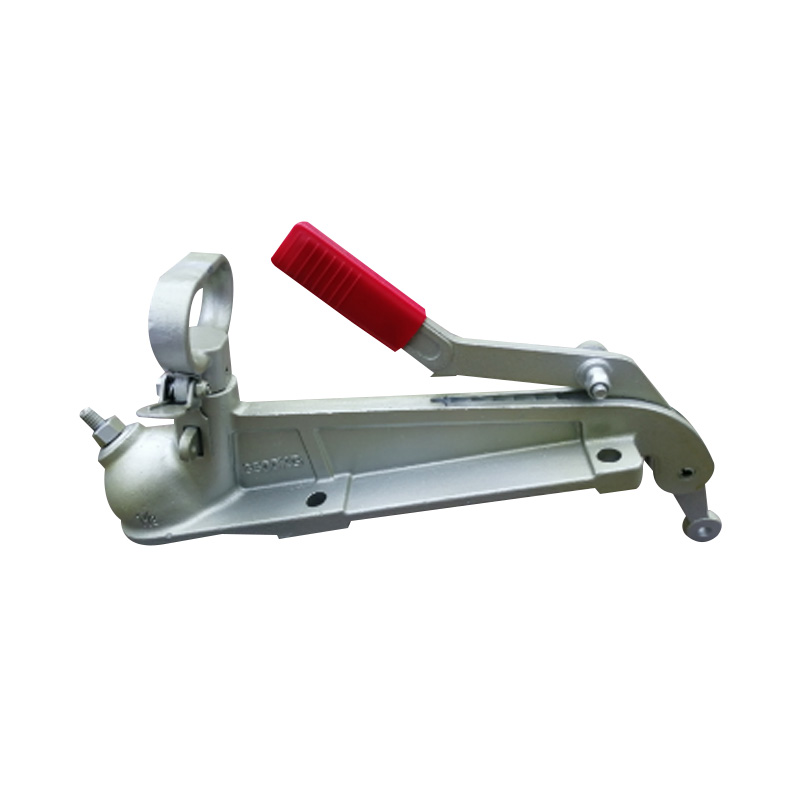 NZ Electric Coupling 50 mm Towball 3.5T RatedSuits 50mm...
-
-
Trailer Spring
>
-
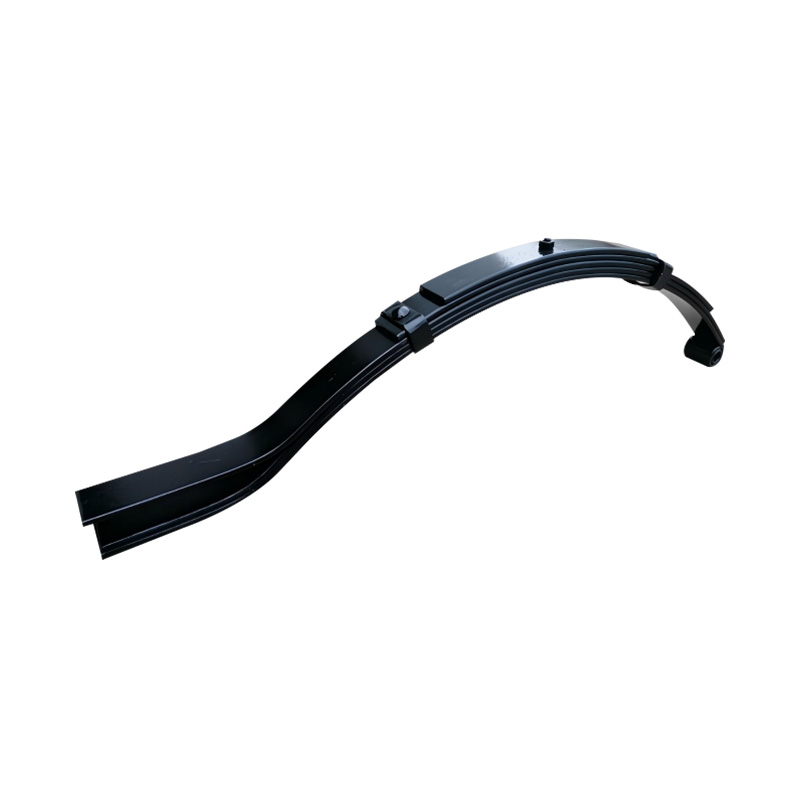 Slipper to Eye Spring, 6×45×5
 -
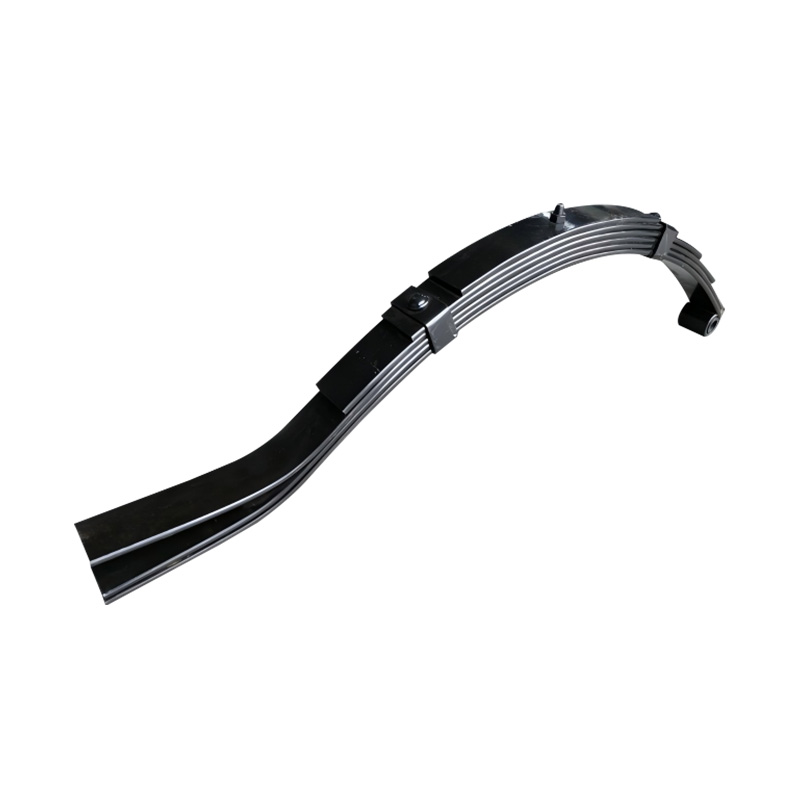 Slipper to Eye Spring, 6×45×6
 -
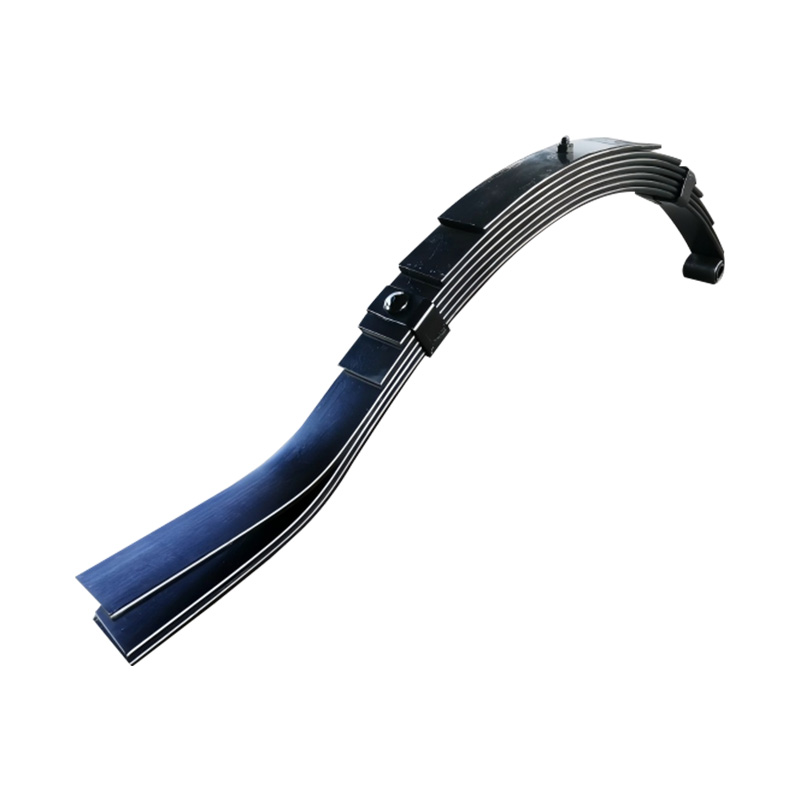 Slipper to Eye Spring, 6×45×7
 -
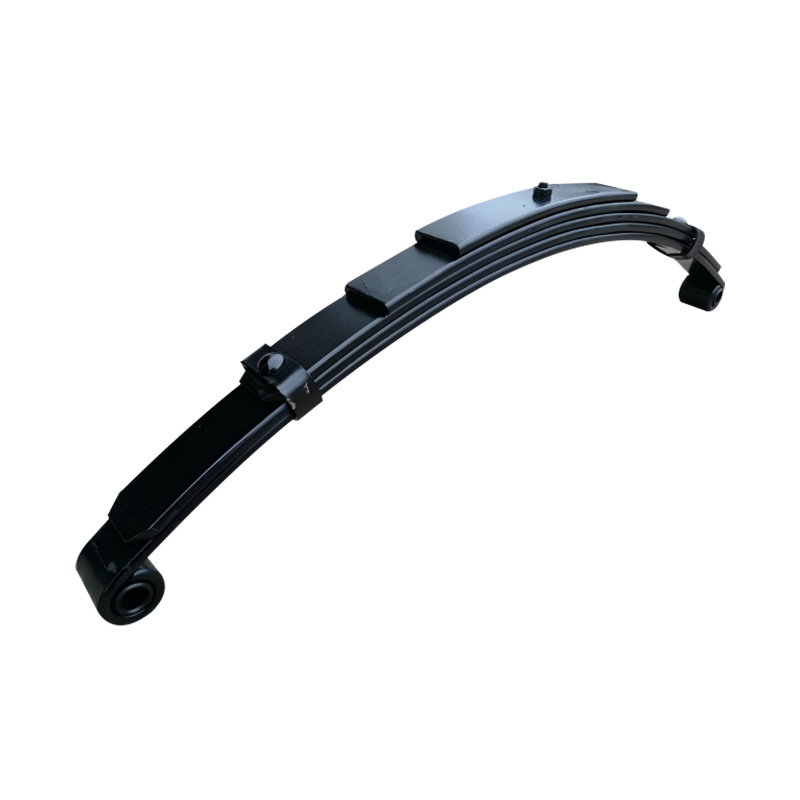 Eye to Eye Spring, 8×45×5
 -
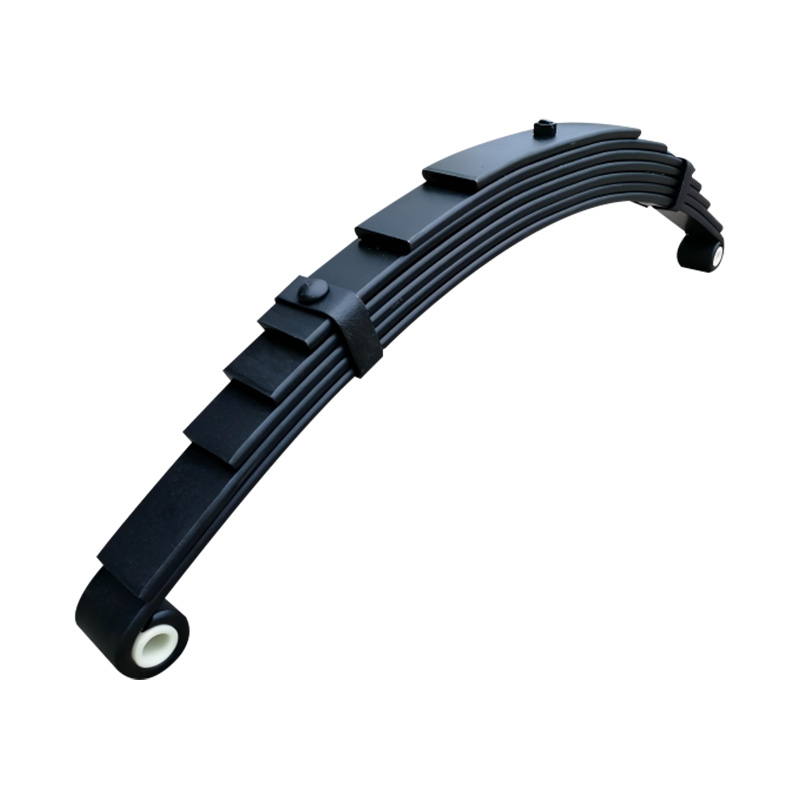 Eye to Eye Spring, 8×45×7
 -
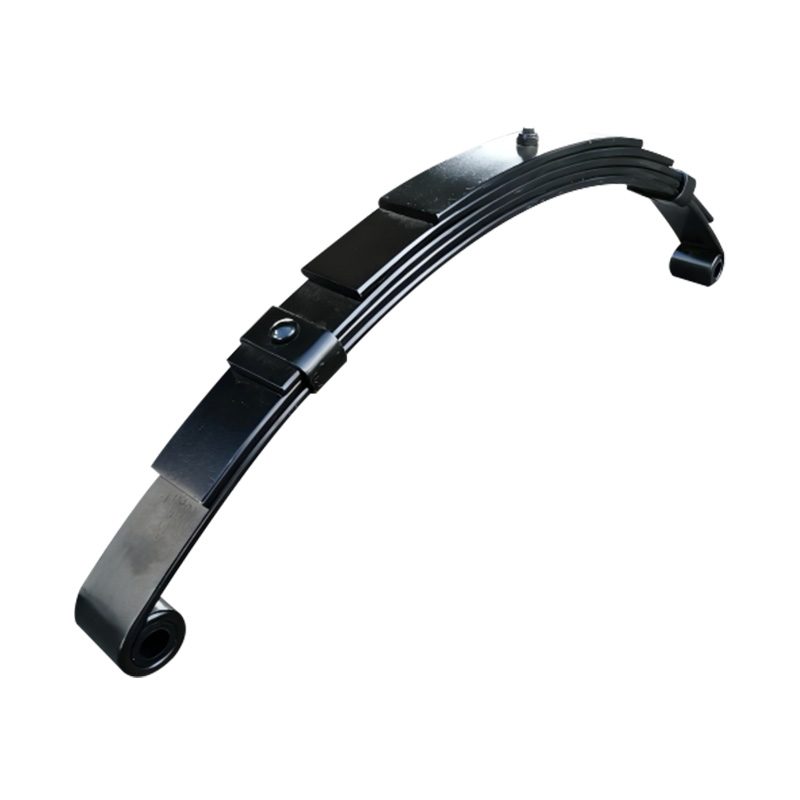 Eye to Eye Spring 6×45×5
 -
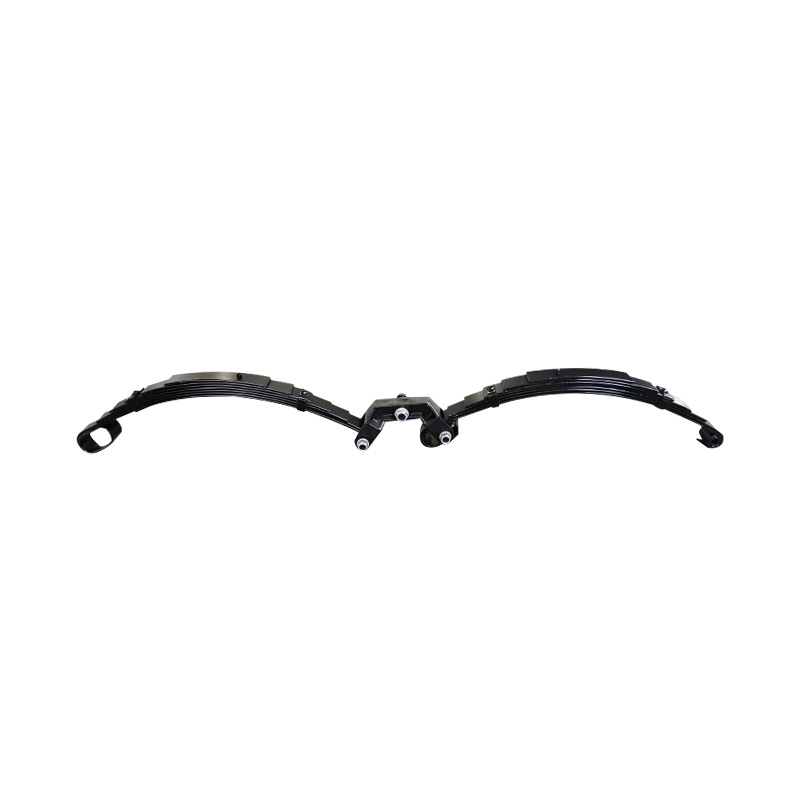 Leaf Rocker Roller Spring, 6×60×7
 -
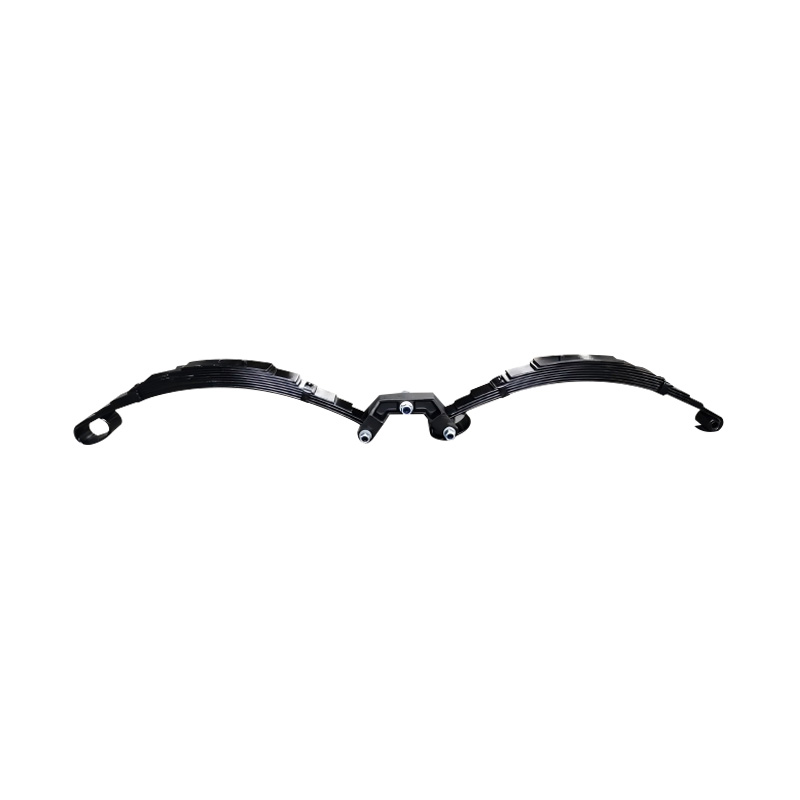 Leaf Rocker Roller Spring, 6×60×9
 -
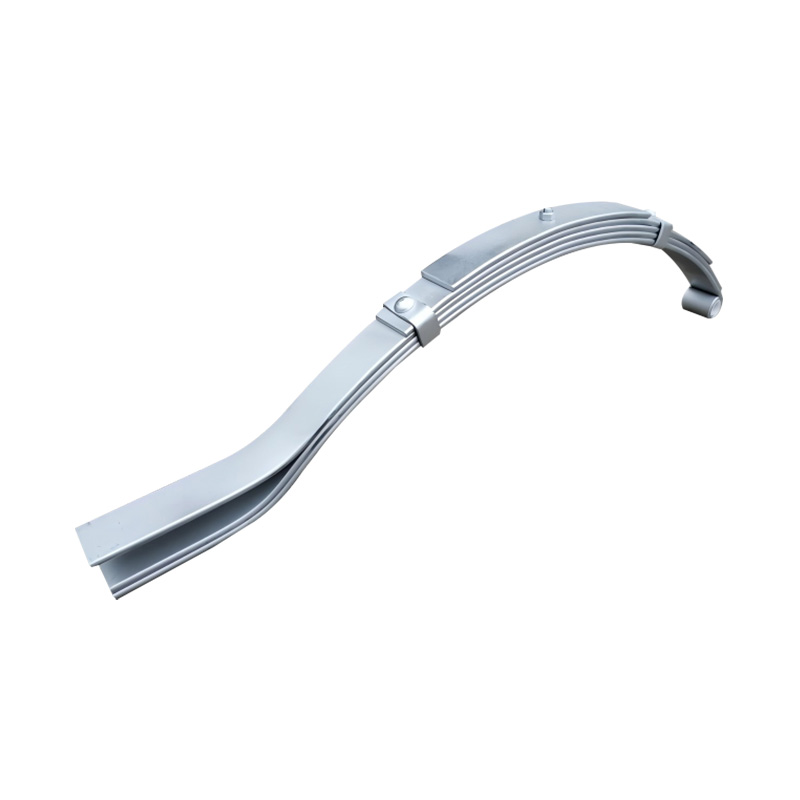 Boat trailer Slipper to Eye Spring 6×45×5
 -
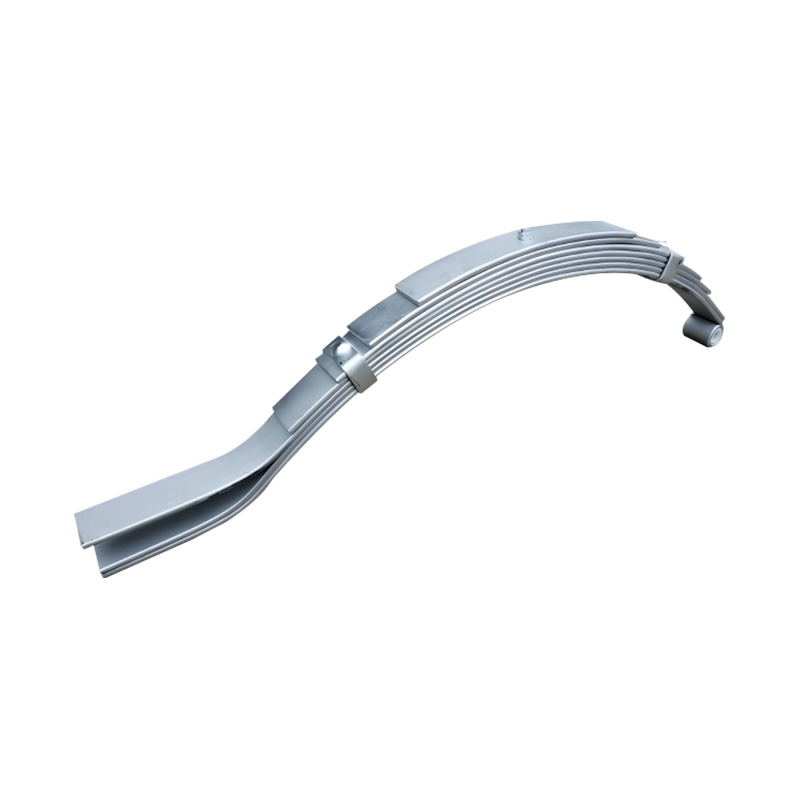 Boat trailer Slipper to Eye Spring 6×45×7
-
- Trailer Axle >
- Trailer Brake >
- Trailer U Bolt >
- Trailer Wheel >
-
Trailer Mudguard
>
-
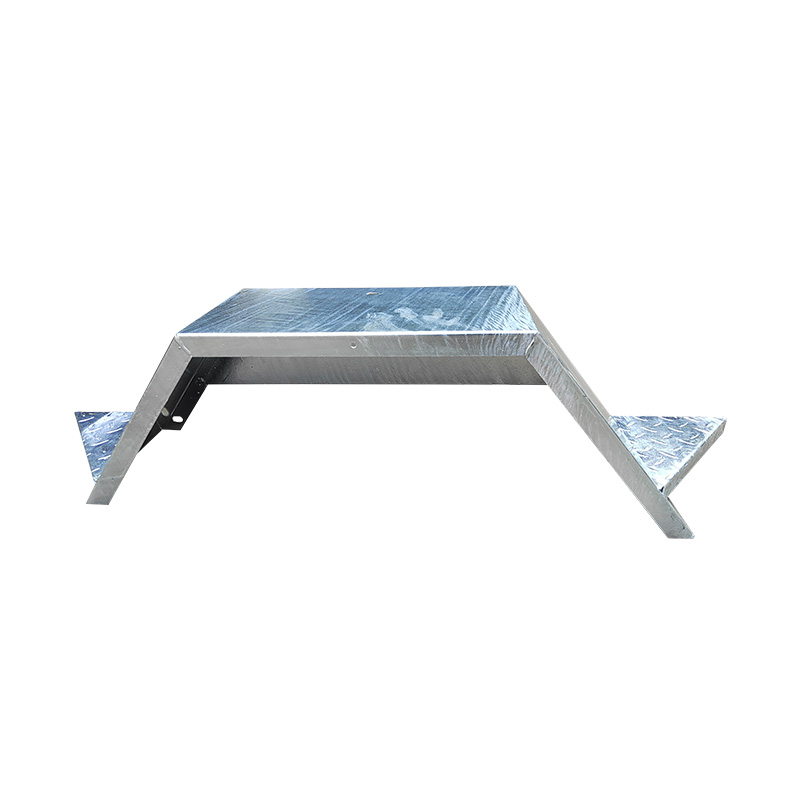 13" Single Axle Galvanized Trailer MudguardThis 13-in...
 -
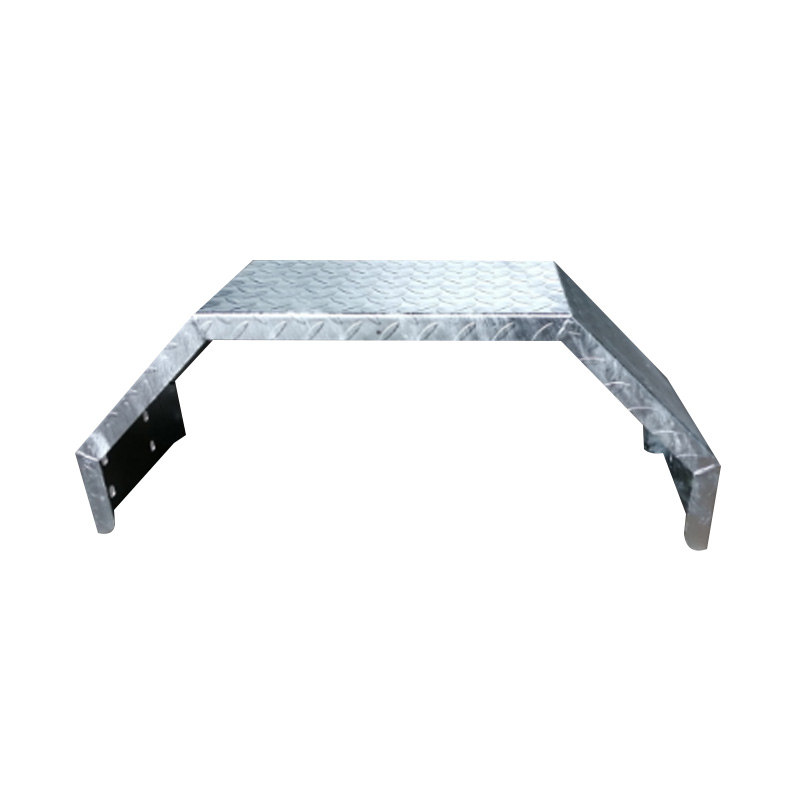 14" Single Axle Galvanized Trailer MudguardBuilt for ...
 -
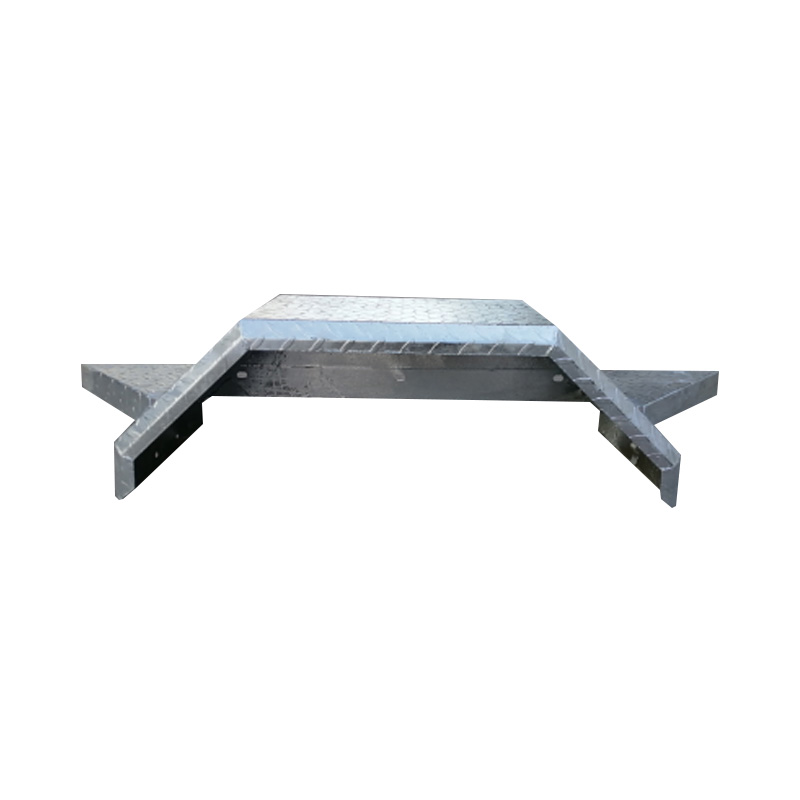 14" Single Axle Galvanized Trailer Mudguard with Side StepThis 14-in...
 -
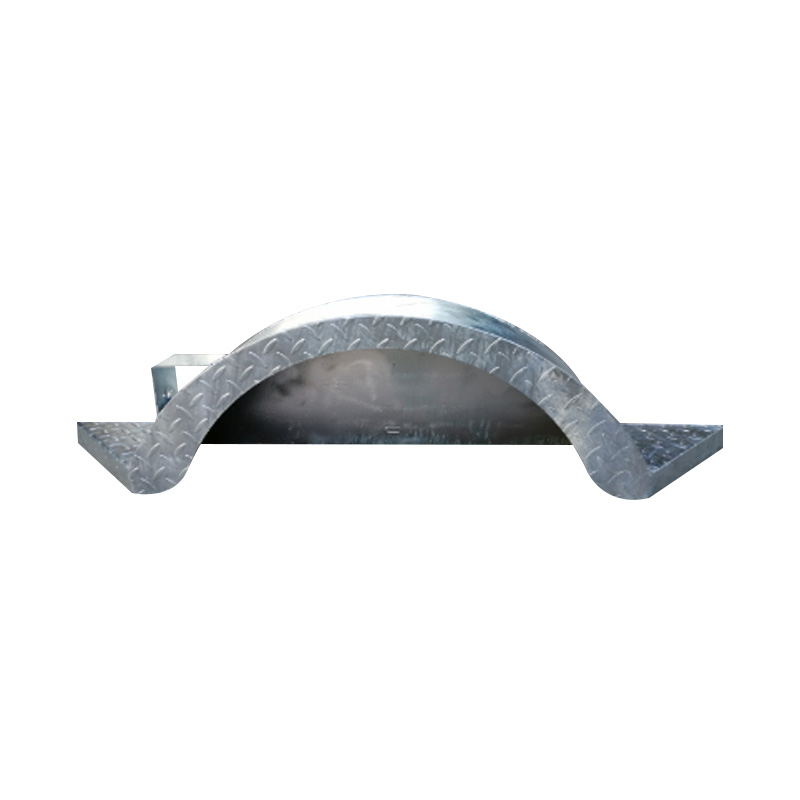 14" Single Axle Round Galvanized Trailer MudguardCrafted wi...
 -
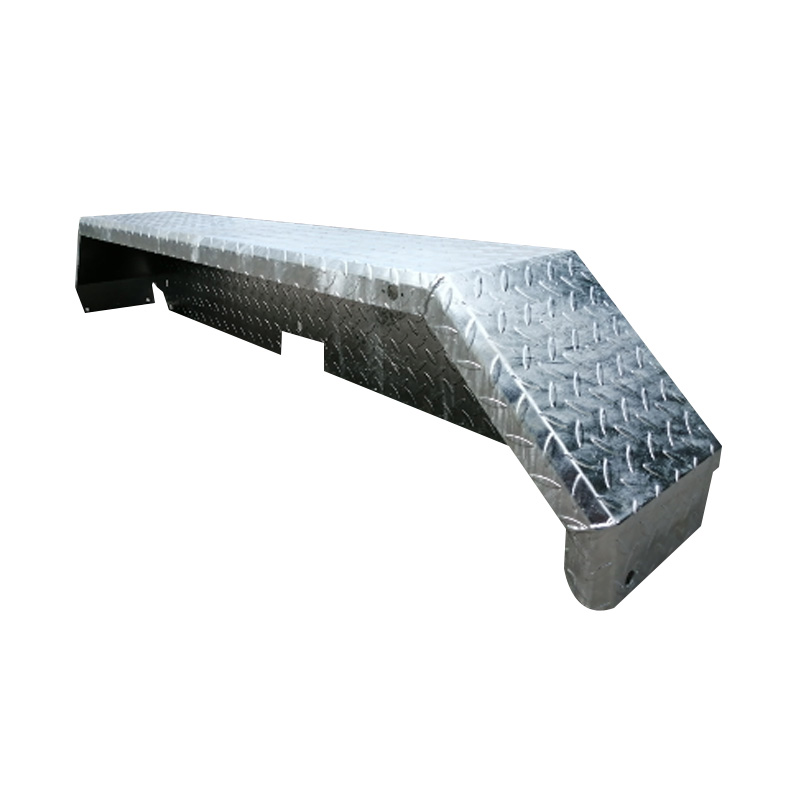 14" Tandem Galvanized Trailer MudguardEngineered...
 -
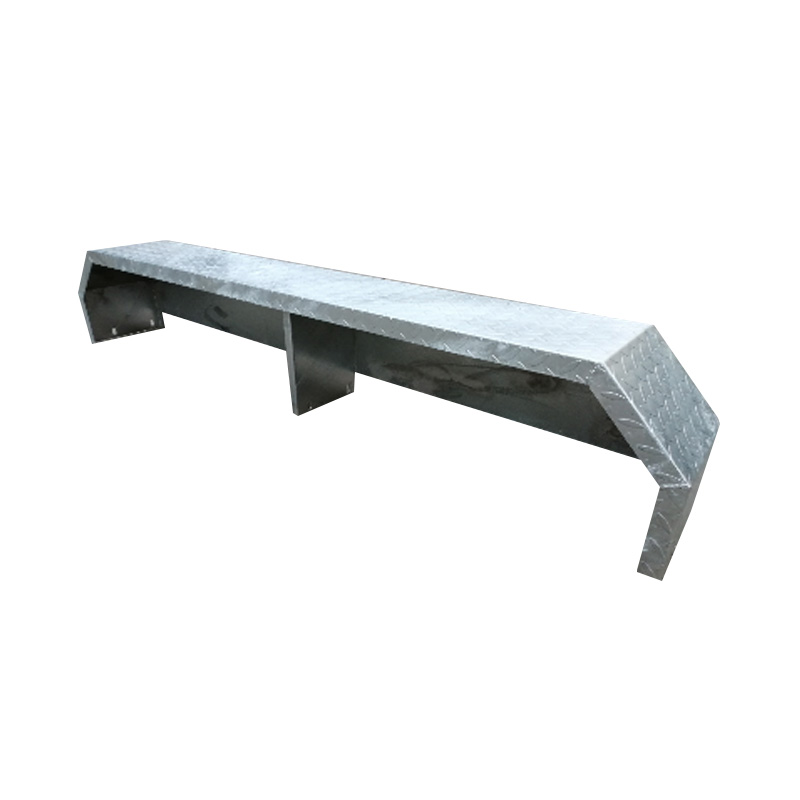 14" Tandem Aluminum Trailer MudguardThis 14-in...
-
-
Trailer Light
>
-
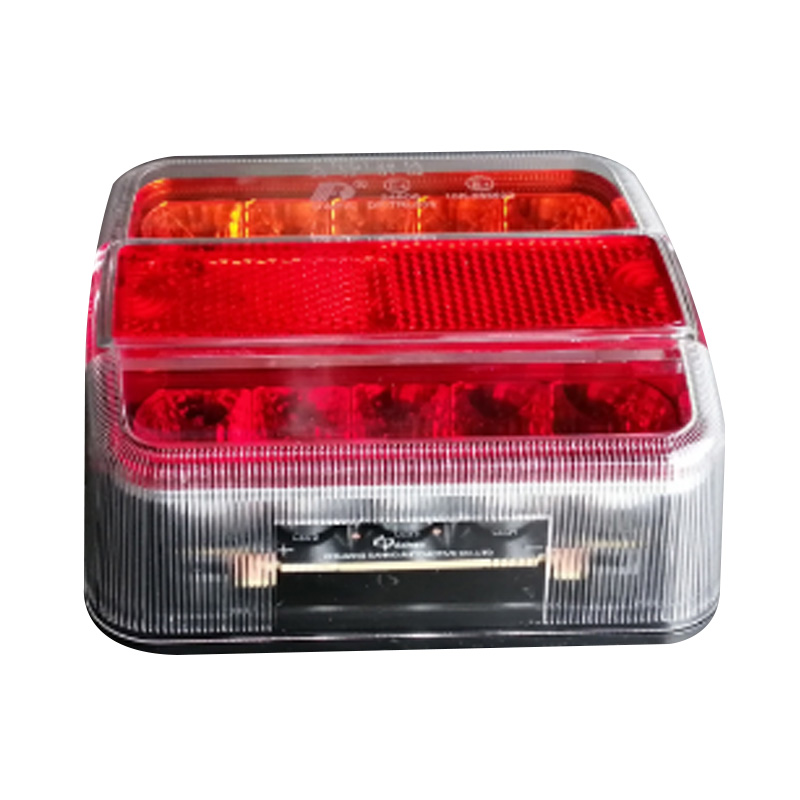 LED Tail light M/Volt 107 x 99 mm 12/24V without Number Plate LightTrailer li...
 -
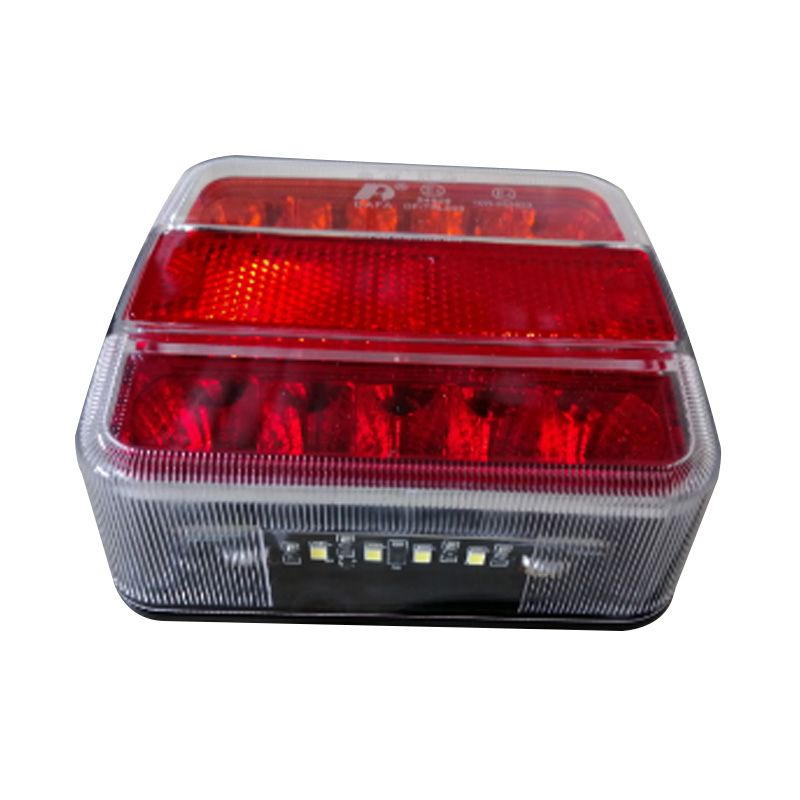 LED Tail light M/Volt 107 x 99 mm 12/24V with Number Plate LightTrailer li...
 -
 White- LED SIDE Marker 60×38 mm M/Volt ClearTrailer si...
 -
 Yellow-LED SIDE Marker 59×35 mm M/Volt ClearTrailer si...
 -
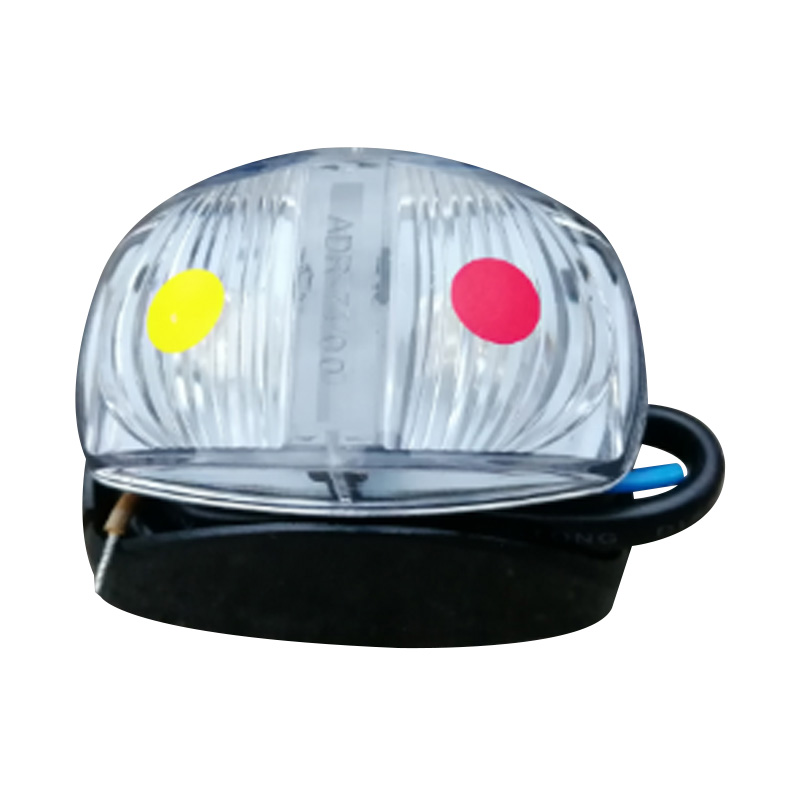 Yellow & Red-LED SIDE 59×35 mm Marker M/Volt ClearTrailer si...
 -
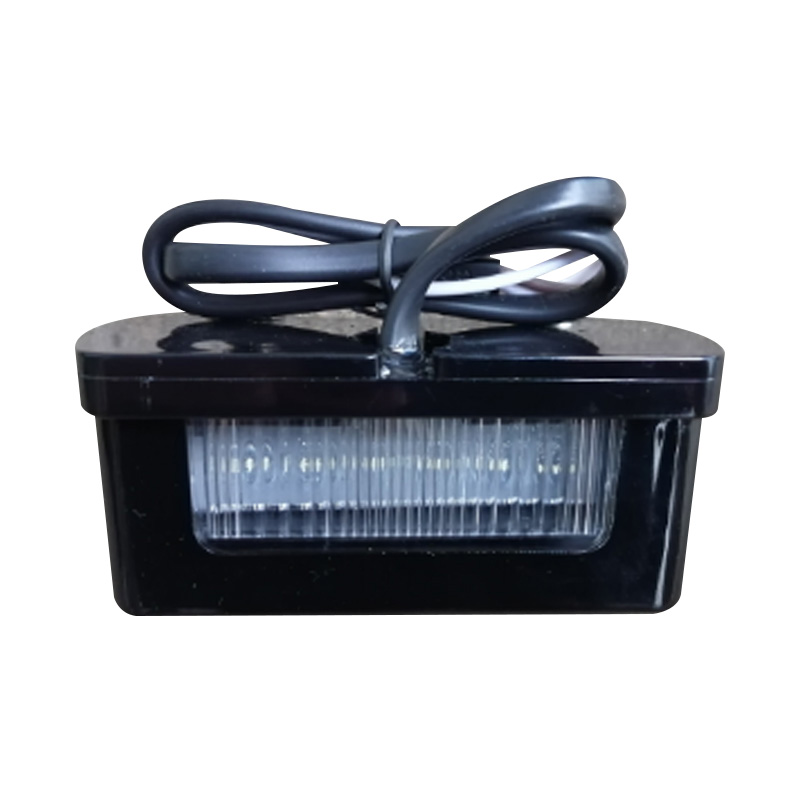 80×35 mm LED Number Plate LightTrailer nu...
 -
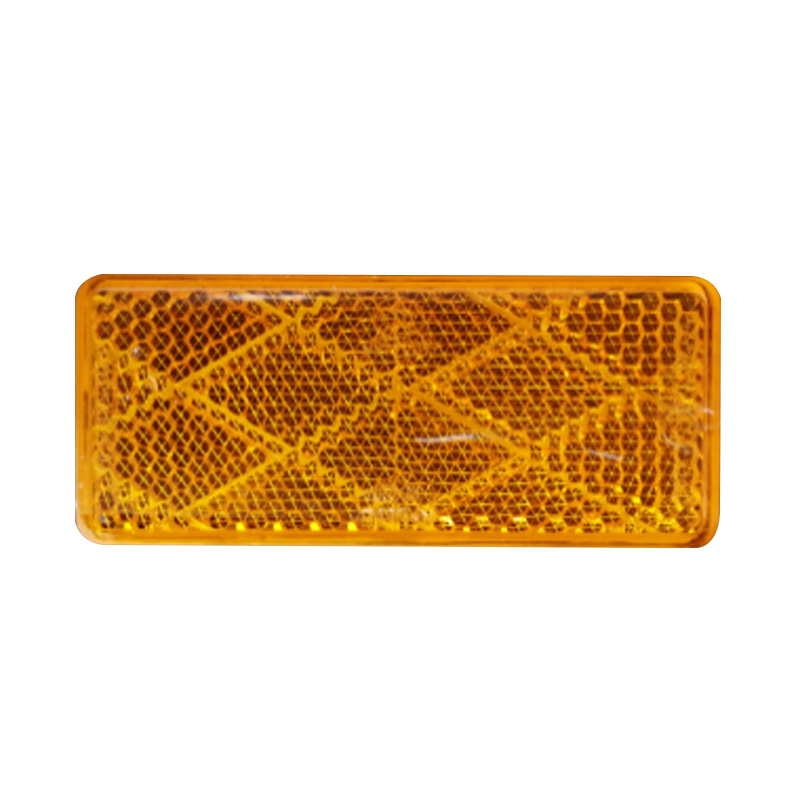 70×30 mm Reflector Stick On AmberReflectors...
 -
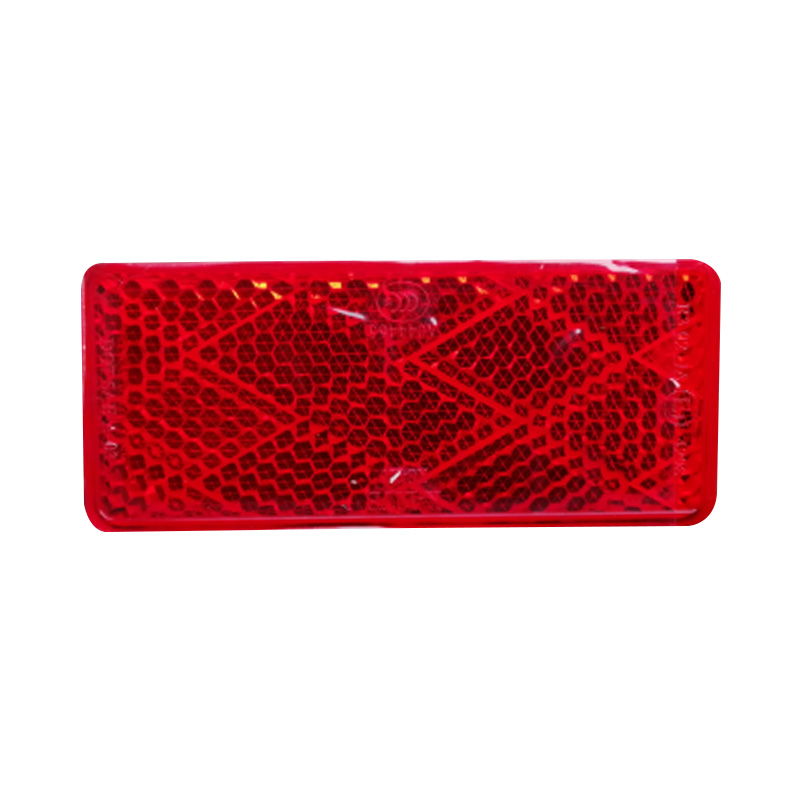 70×30 mm Reflector Stick On RedReflectors...
 -
 70×30 mm Reflector Stick On ClearReflectors...
-
- Trailer Cage >
- Trailer Canvas Cover >
-
Trailer Drawbar Toolbox
>
-
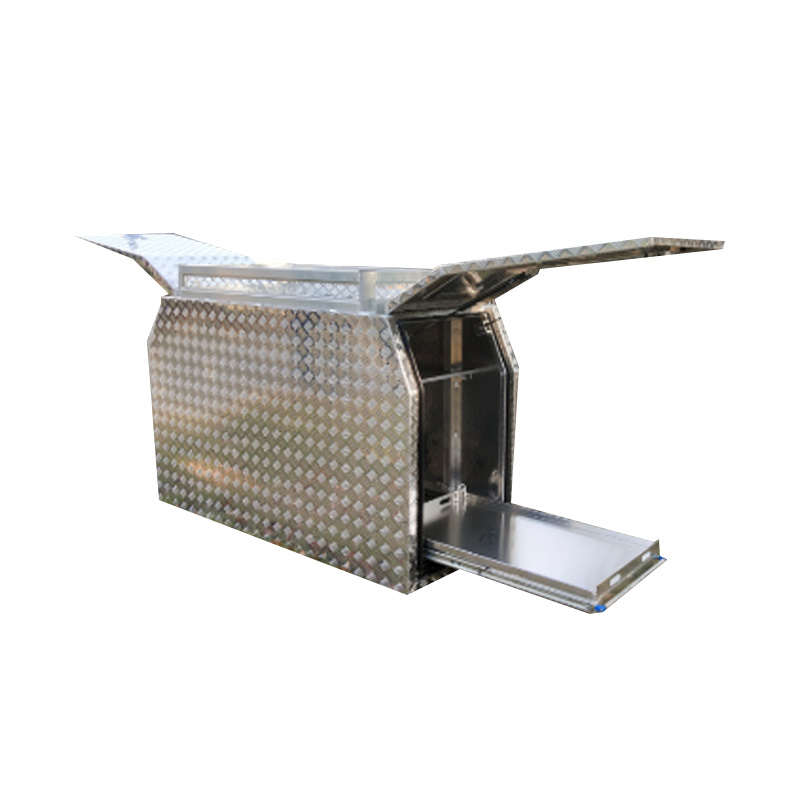 Side Open Trailer Drawbar Aluminum Toolbox with Fridge Slideavaiable f...
 -
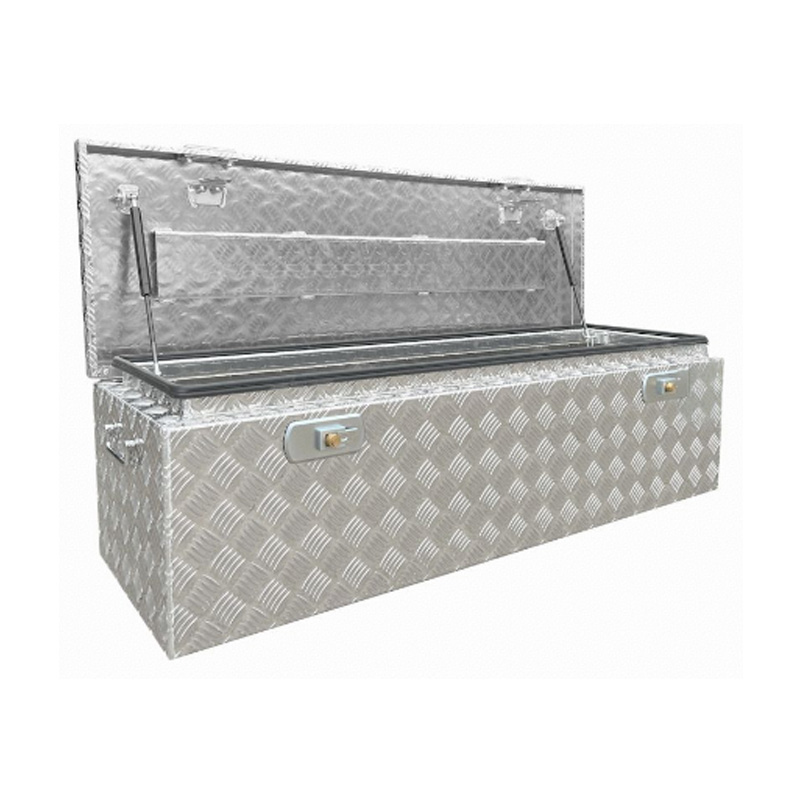 Top Opening Trailer Drawbar Aluminum Toolboxavaiable f...
 -
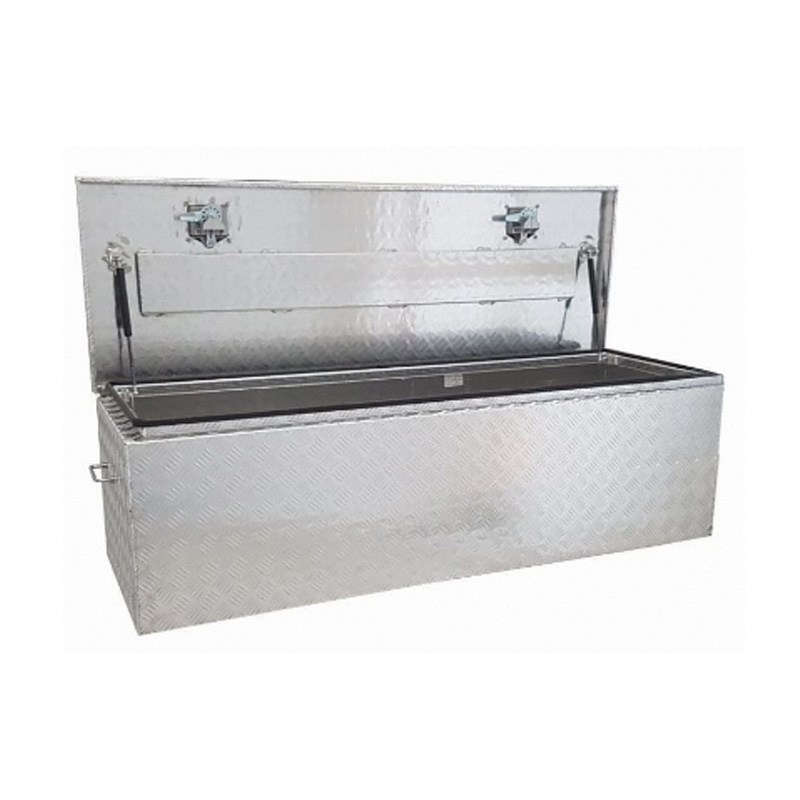 Checker Top Opening Trailer Drawbar Aluminum Toolboxavaiable f...
 -
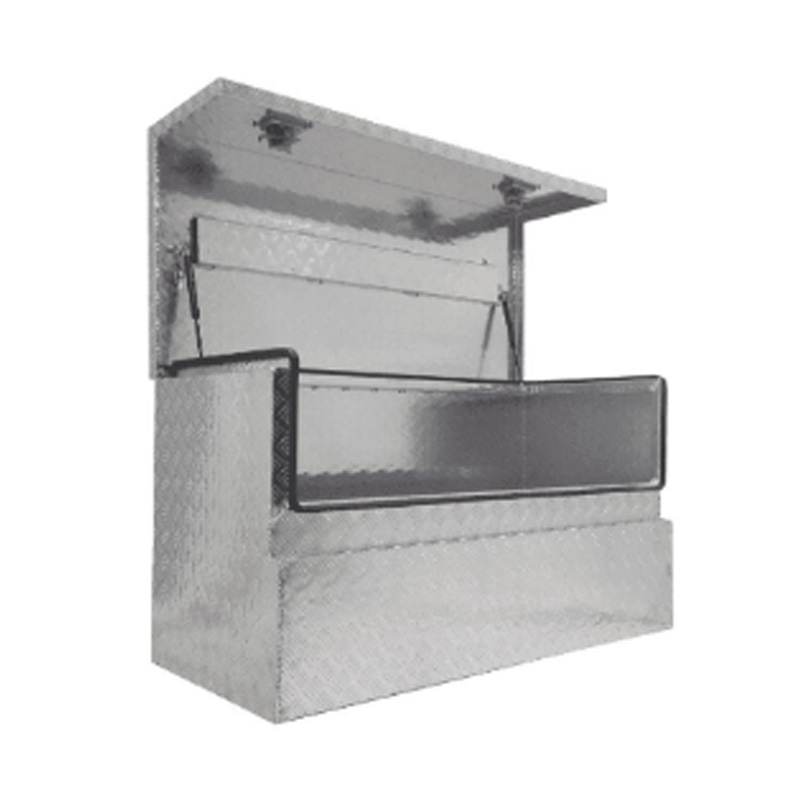 3/4 Angle Toolbox Trailer Drawbar Aluminum Toolboxavaiable f...
 -
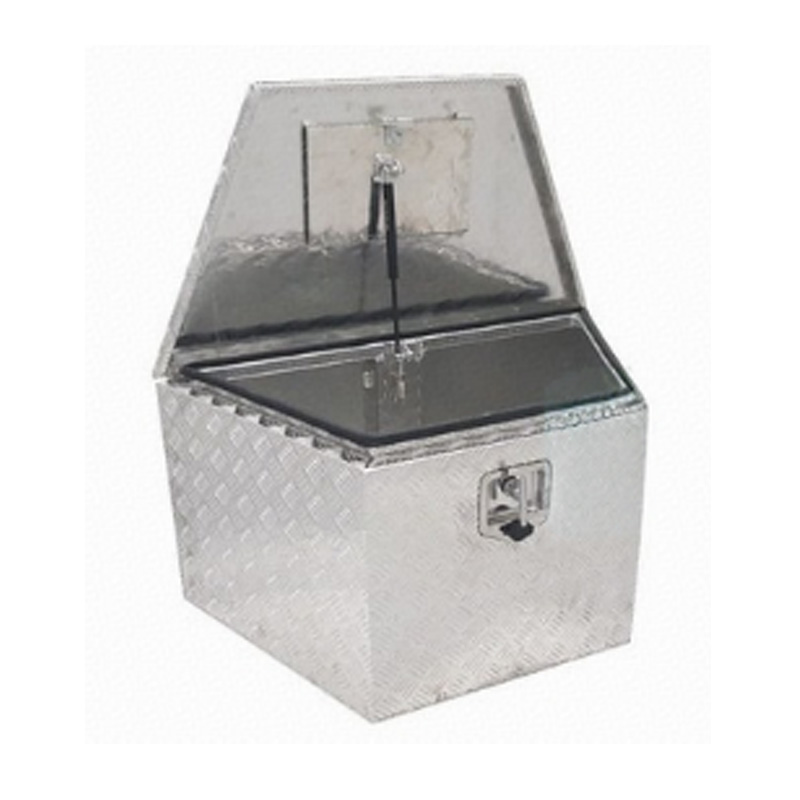 Aluminum Trailer Tongue Storage Toolbox with Lockavaiable f...
 -
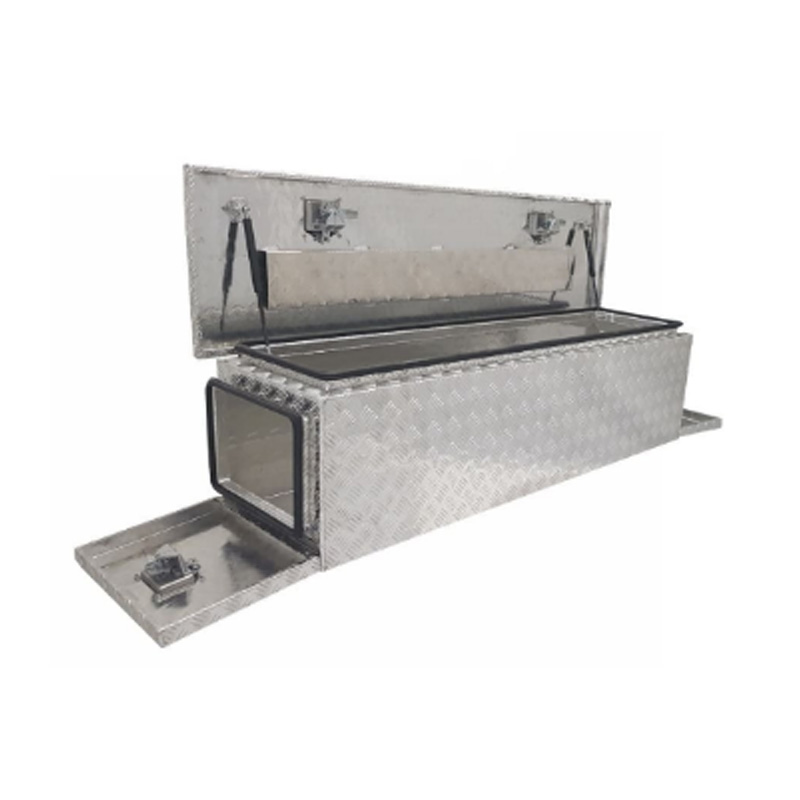 Checker 3 Lid Ute Toolbox Trailer Drawbar Aluminum Toolboxavaiable f...
 -
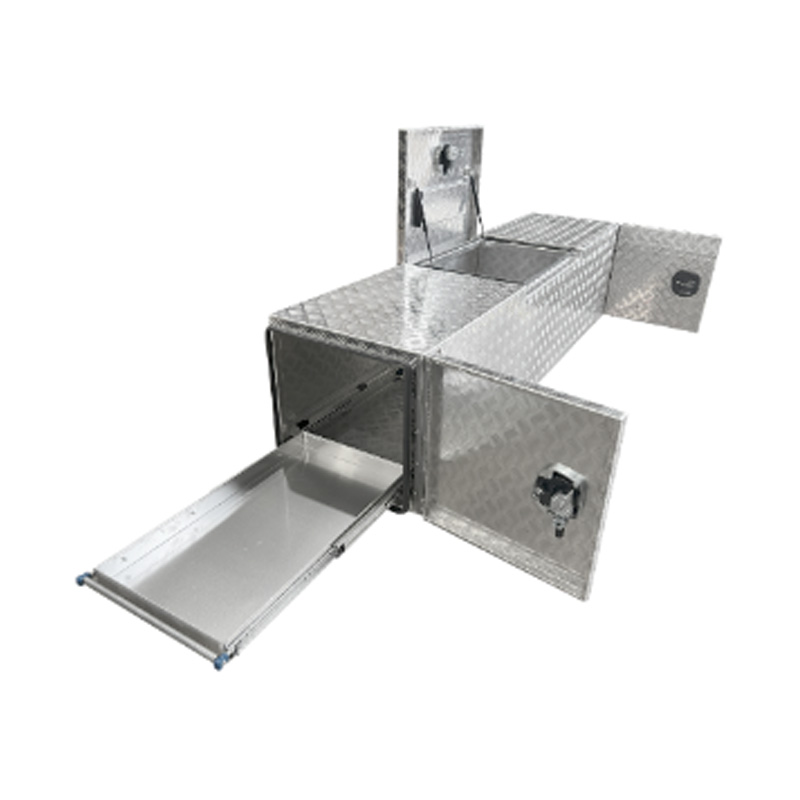 Aluminium 3 Lid Slides Trailer Drawbar Toolbox with Fridge Slideavaiable f...
 -
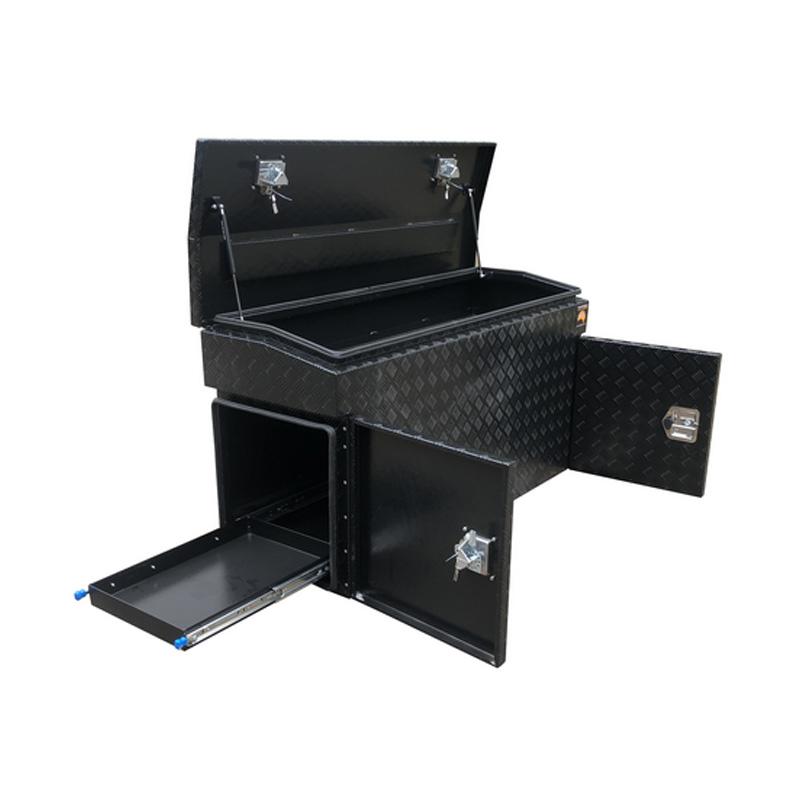 Black Aluminium Ute Toolbox Fridge Slide Trailer Drawbar Toolboxavaiable f...
 -
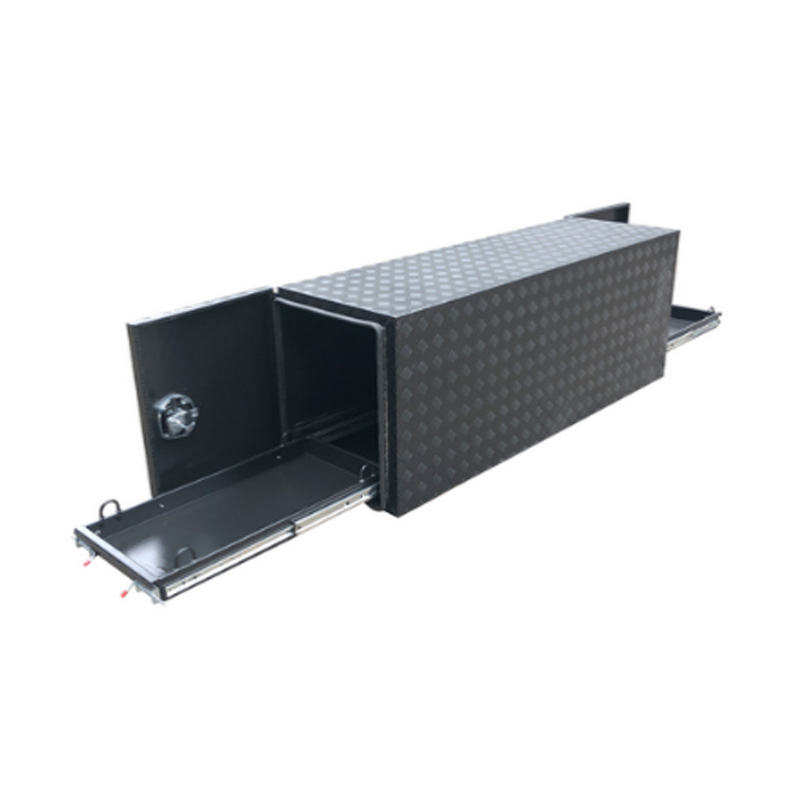 Black Trailer Drawbar Aluminum Toolbox with Fridge Slideavaiable f...
 -
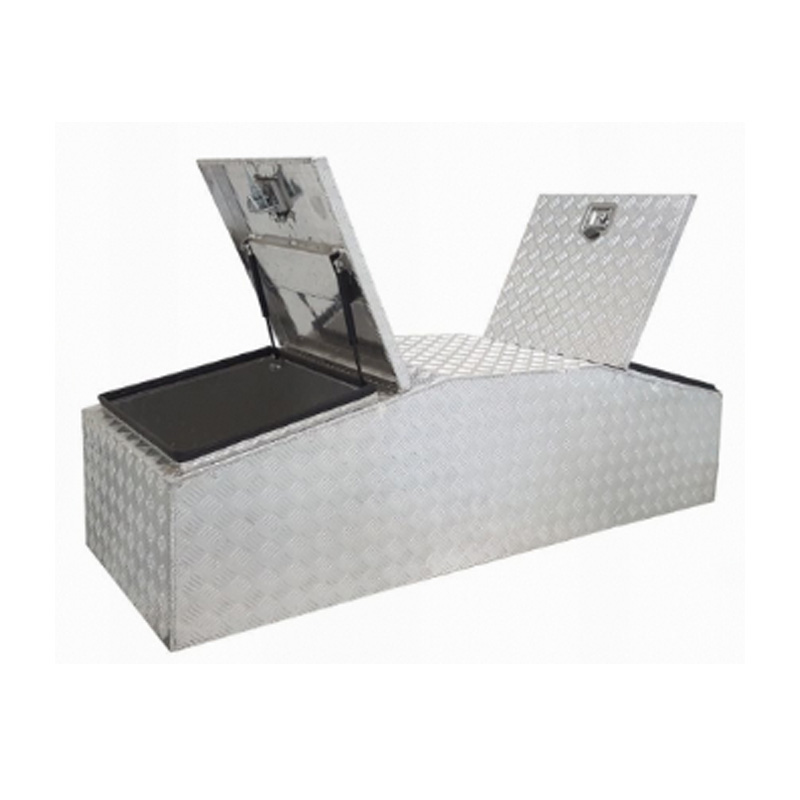 Gullwing 2 Lid Trailer Drawbar Aluminum Toolboxavaiable f...
 -
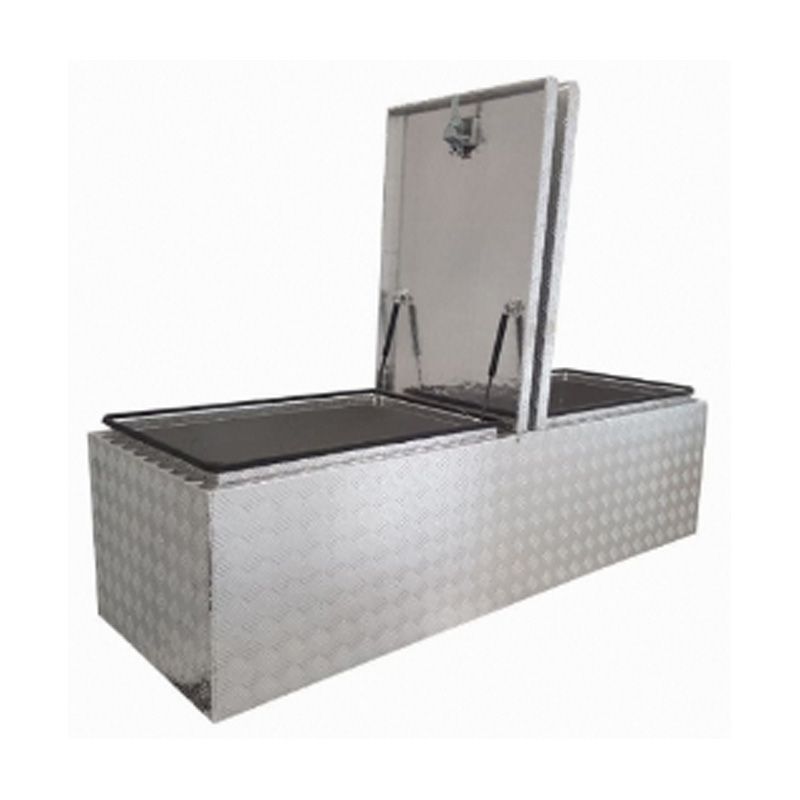 Checker Flat Top Dual 2 Lid Trailer Drawbar Aluminum Toolboxavaiable f...
 -
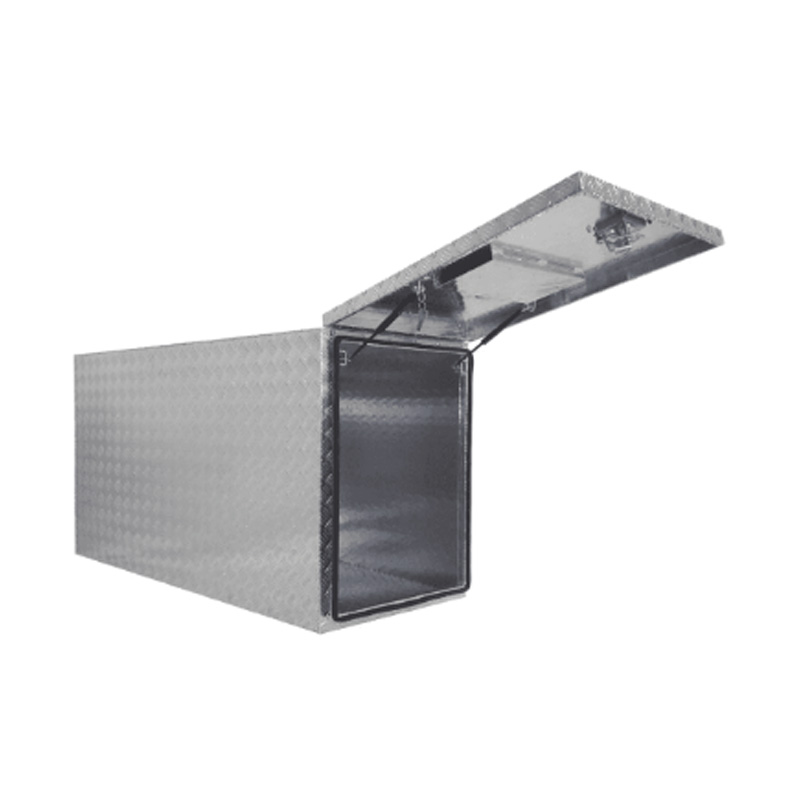 Full Side Opening Door Trailer Drawbar Aluminum Toolboxavaiable f...
-
- Trailer Mower Box >
- Trailer H Bar >
- Trailer Spare Wheel Holder >
-
Toolbox Accessories
>
- Toolbox Mounting Kit >
-
Toolbox Locks
>
-
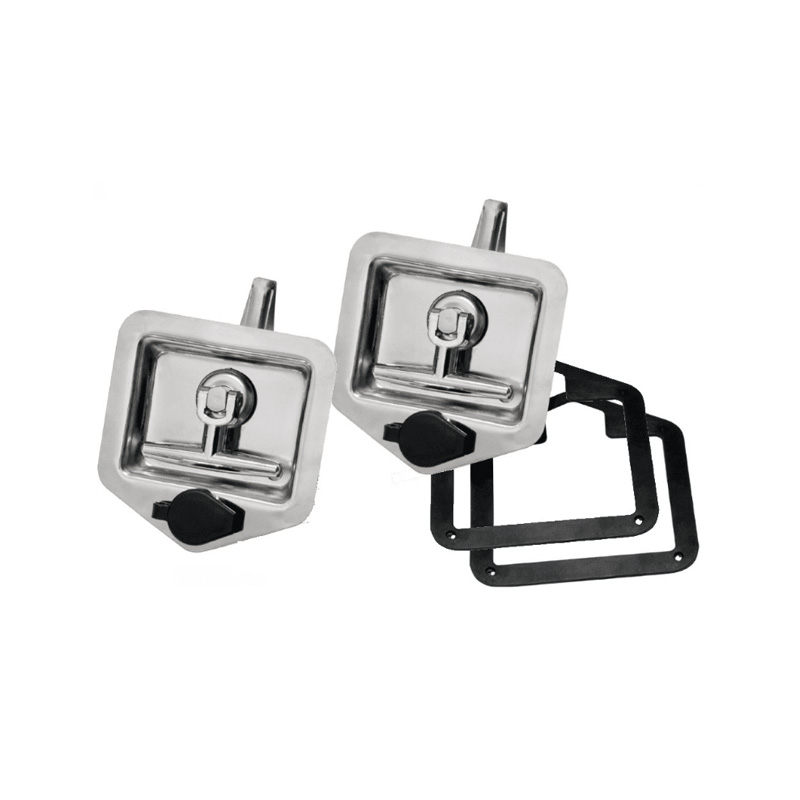 Stainless Steel T-Lock STUD MountMaterial: ...
 -
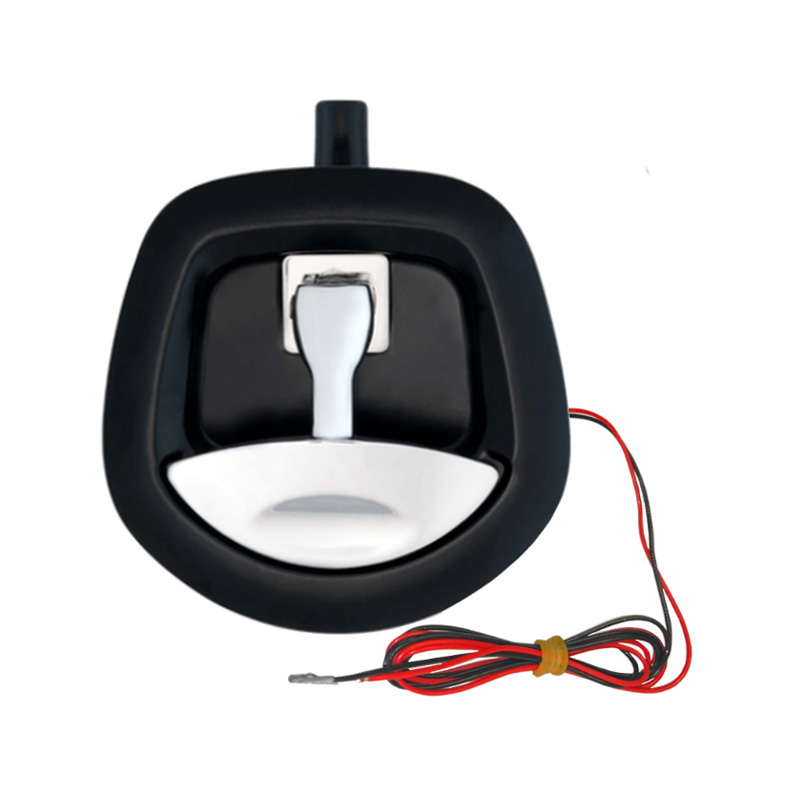 12V Recessed Folding Padlock Friendly Whale Tail Handle ACT-WTLOCKKey lockin...
 -
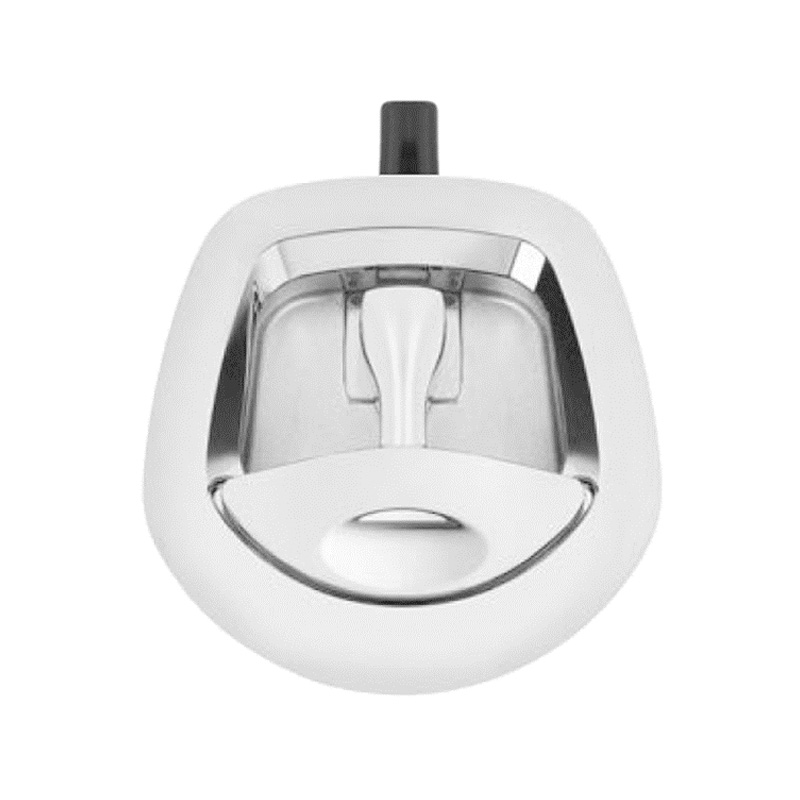 Whale Tail T-Lock Padlockable Whale Tail HandleKey lockin...
 -
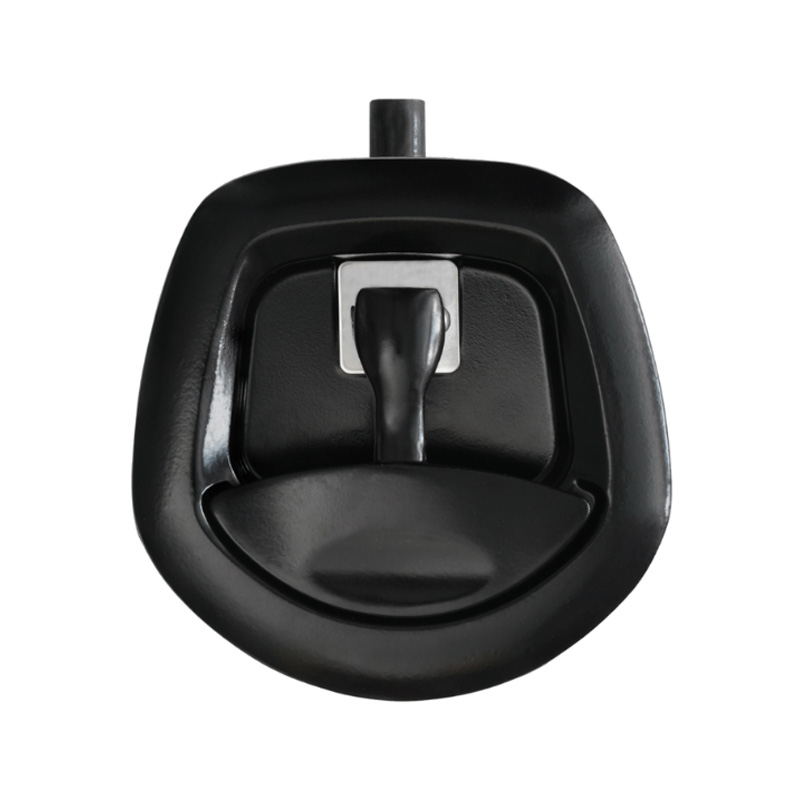 Black Whale Tail T-Lock Padlockable Whale Tail HandleKey lockin...
 -
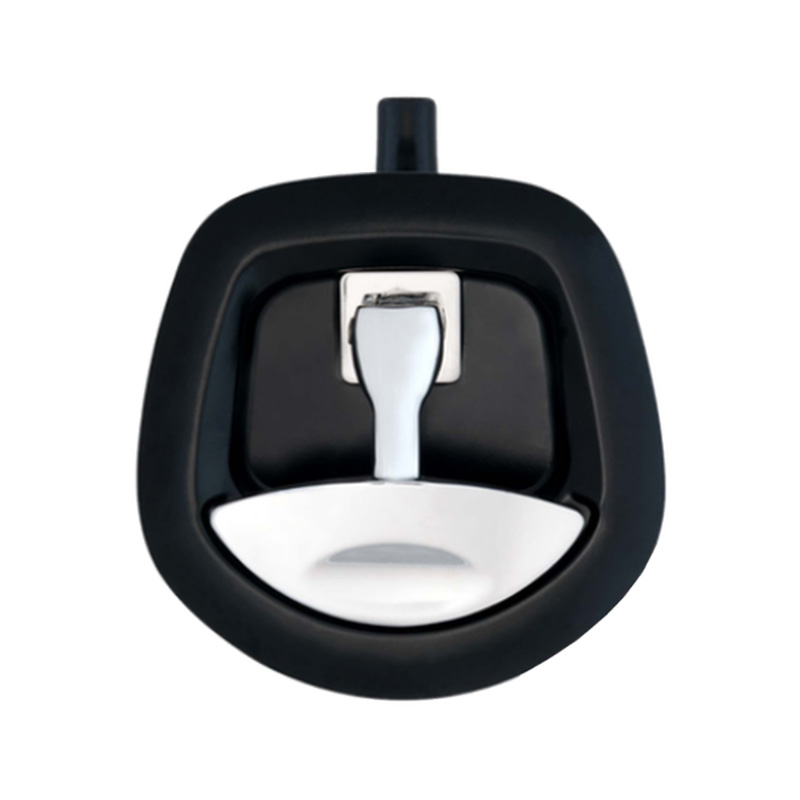 Chome & Black Whale Tail T-Lock Padlockable Whale Tail HandleKey lockin...
 -
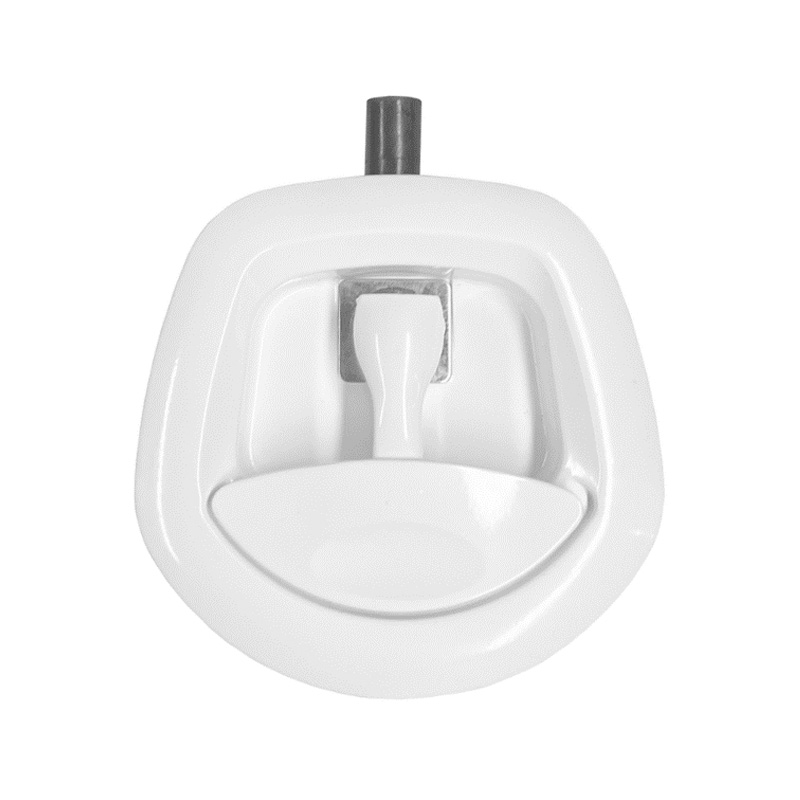 White Whale Tail T-Lock Padlockable Whale Tail HandleKey lockin...
-
-
Toolbox Drawer Unites
>
-
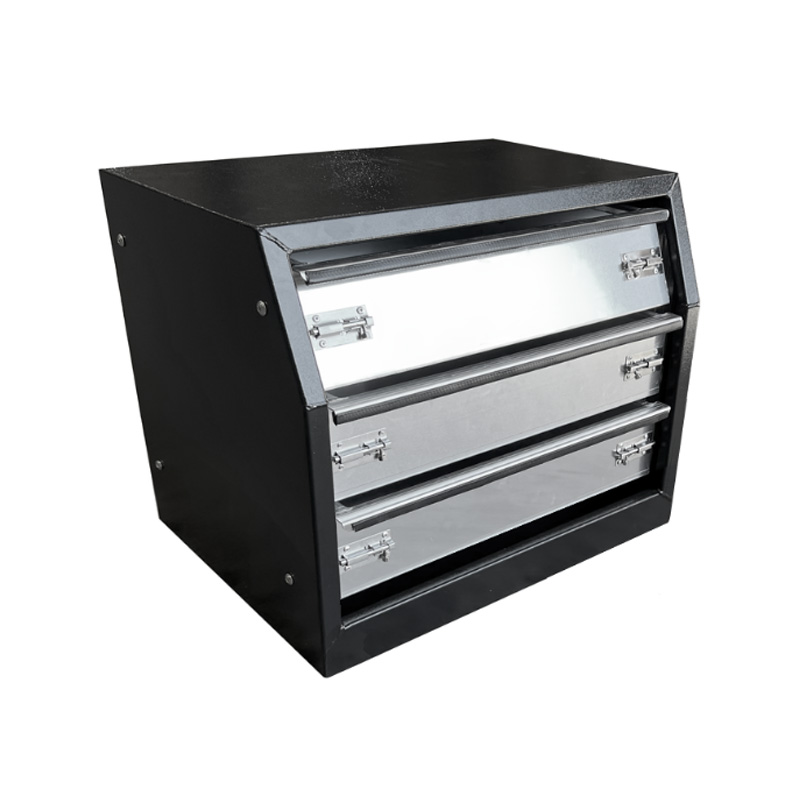 600 x 430 x 450mm Black Aluminium 3 Drawer Unit for Ute Truck Tool box Canopy Caravan Tool BoxThickness:...
 -
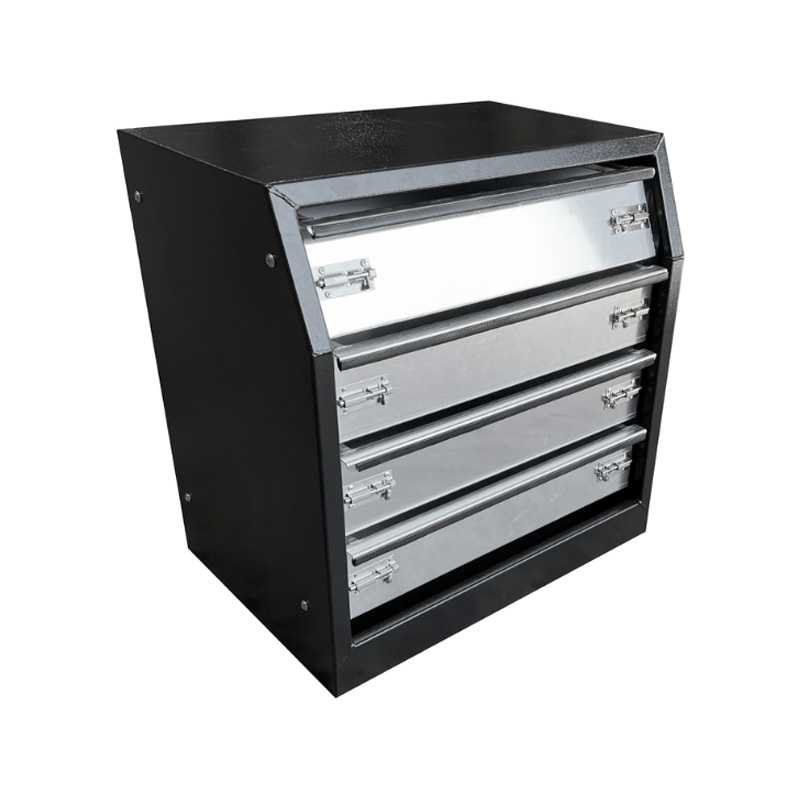 600 x 430 x 620mm Black Aluminium 4 Drawer Unit for Ute Truck Tool box Canopy Caravan Tool BoxThickness:...
 -
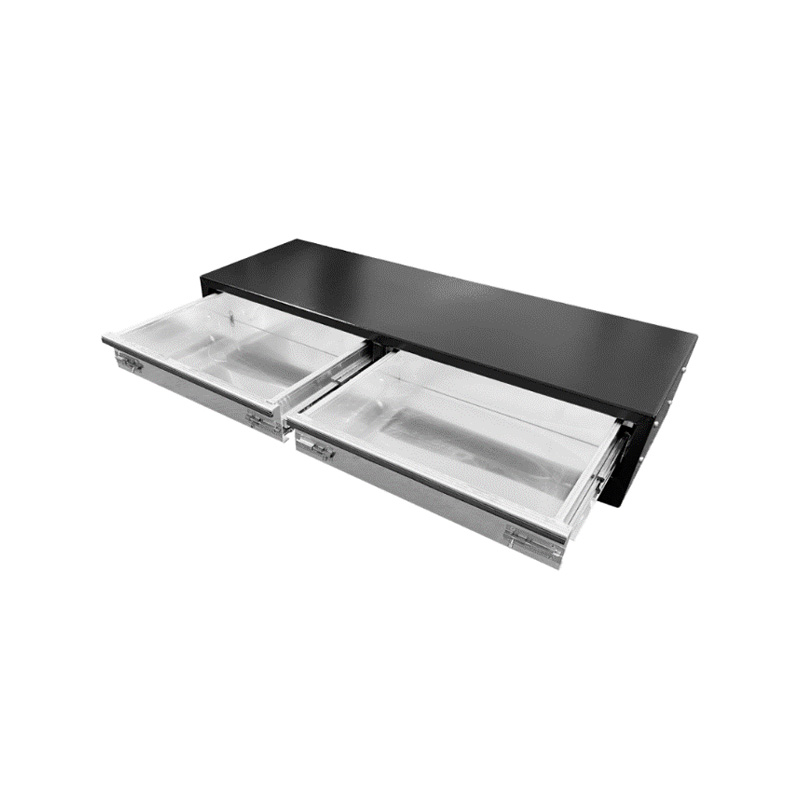 1020 x 440 x 230mm Black Aluminium 2 Drawer Unit for Ute Truck Tool box Canopy Caravan ToolboxThickness:...
 -
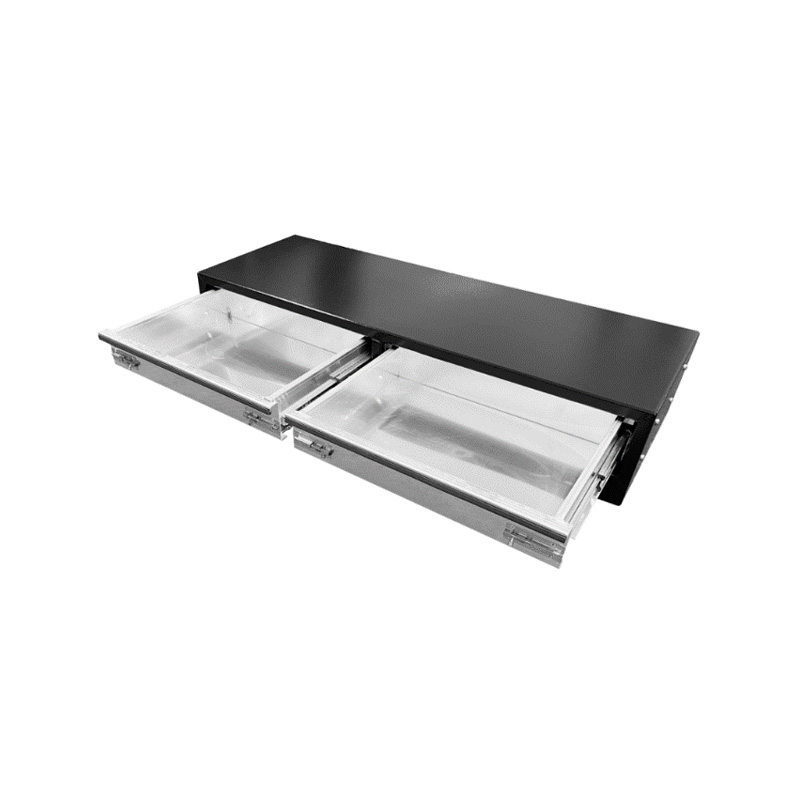 1220 x 440 x 230mm Black Aluminium 2 Drawer Unit for Ute Truck Tool box Canopy Caravan ToolboxThickness:...
 -
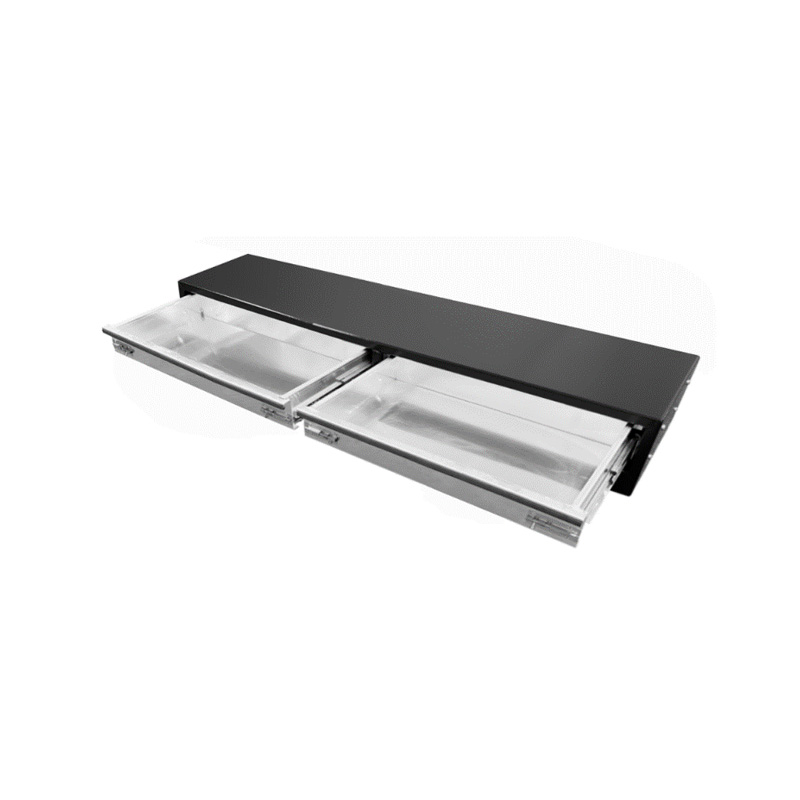 520 x 440 x 230mm Black Aluminium 2 Drawer Unit for Ute Truck Tool box Canopy Caravan ToolboxThickness:...
 -
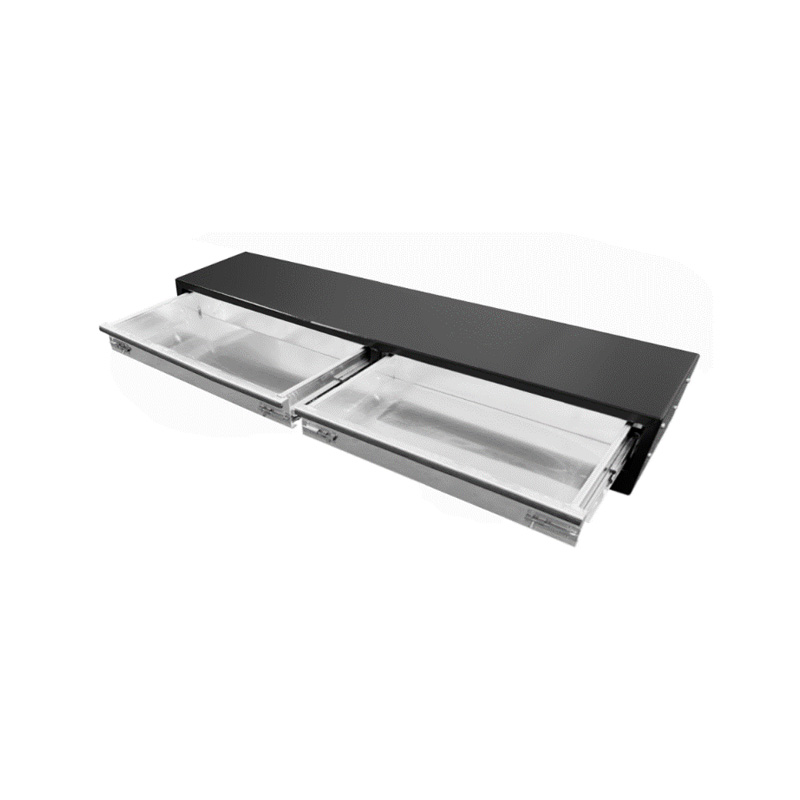 1920 x 440 x 230mm Black Aluminium 2 Drawer Unit for Ute Truck Tool box Canopy Caravan Tool BoxThickness:...
 -
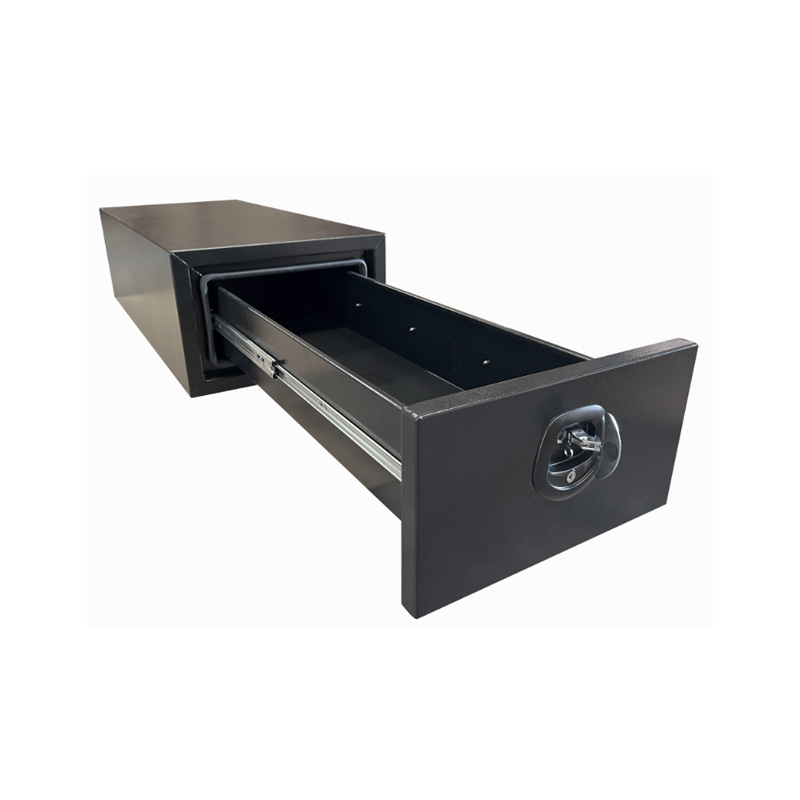 1400 x 600 x 380mm 1 Drawer Unit for Ute Truck Tool box Canopy Caravan ToolboxThickness:...
 -
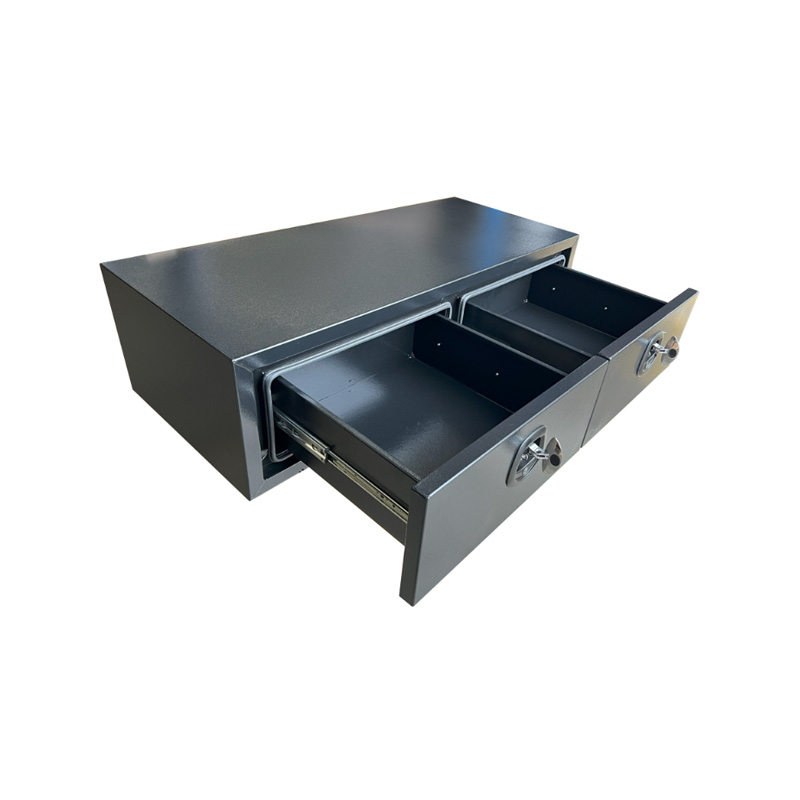 1400 x 600 x 380mm 2 Drawer Unit for Ute Truck Tool box Canopy Caravan ToolboxThickness:...
 -
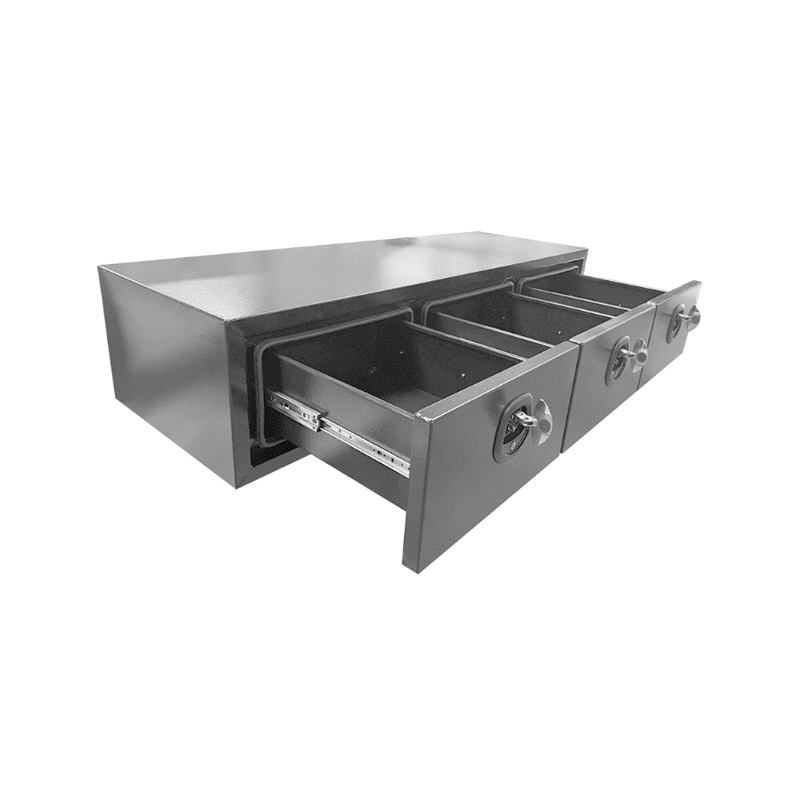 1700 x 600 x 380mm 3 Drawer Unit for Ute Truck Tool box Canopy Caravan ToolboxThickness:...
 -
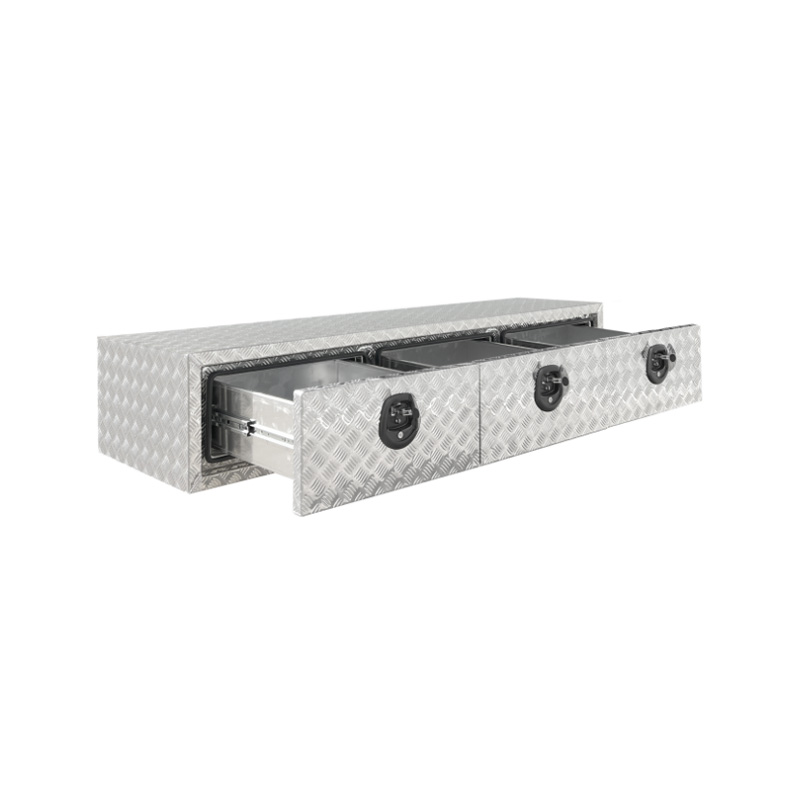 1900 x 600 x 380mm 3 Drawer Unit for Ute Truck Tool box Canopy Caravan ToolboxThickness:...
 -
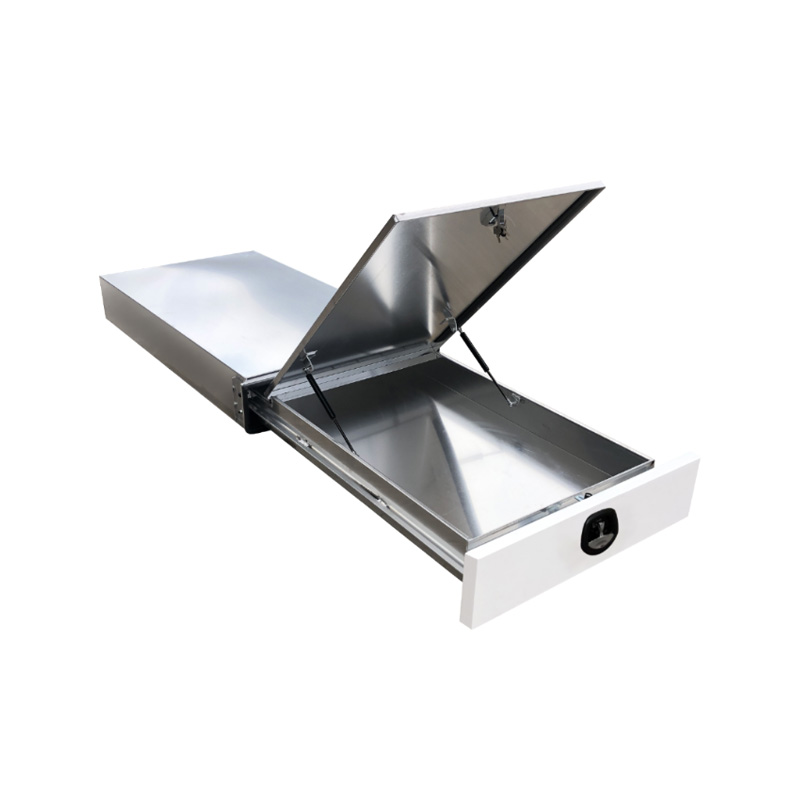 1.4m Aluminium Ute Tool box Under Tray Toolbox Trundle Roller Tray Slide Out Drawer Toolbox Benchtop LidThickness:...
 -
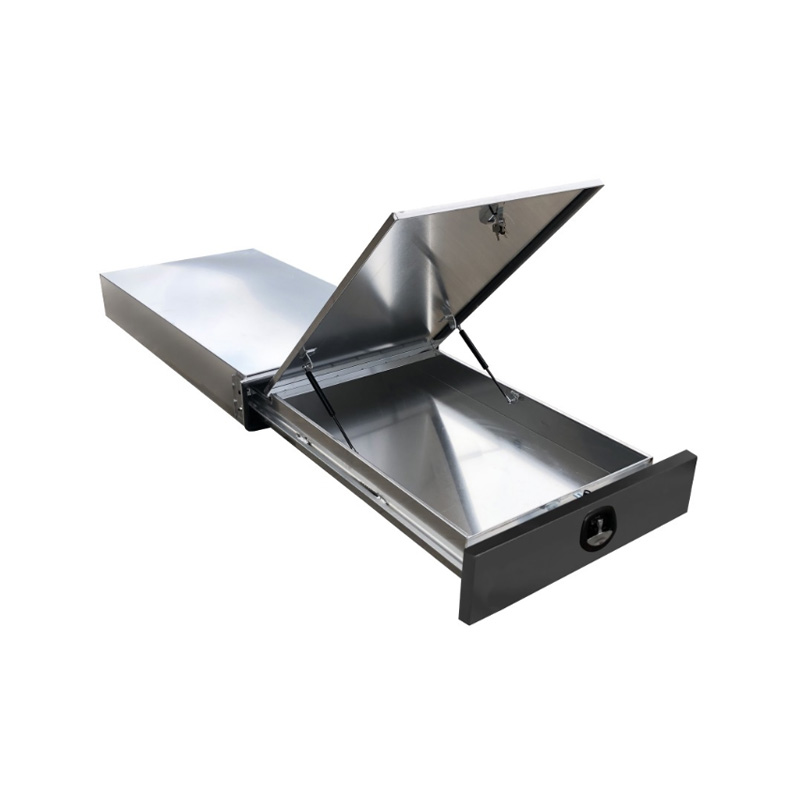 1.6m Aluminium Ute Tool box Under Tray Toolbox Trundle Roller Tray Slide Out Drawer Toolbox Benchtop LidThickness:...
 -
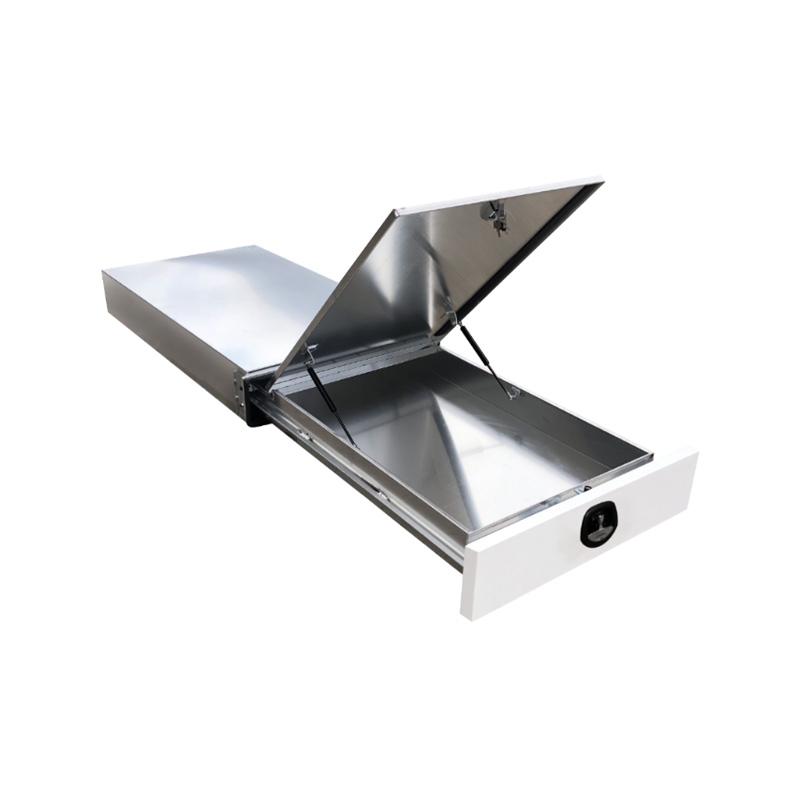 1.7m Aluminium Ute Tool box Under Tray Toolbox Trundle Roller Tray Slide Out Drawer Toolbox Benchtop LidThickness:...
-
-
Toolbox Shelves
>
-
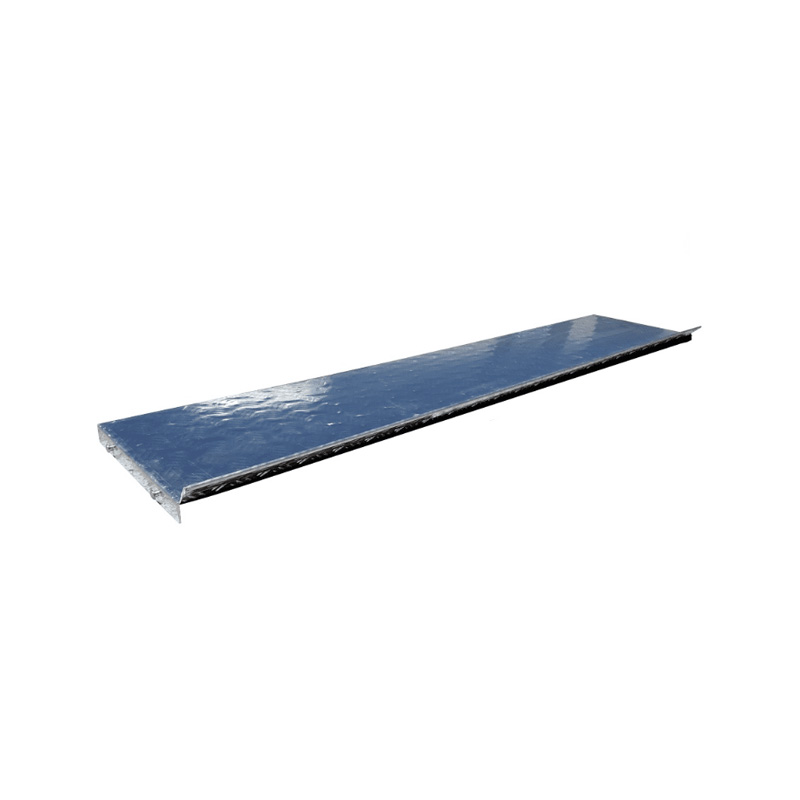 0.9m Shelf - For Aluminium Storage Toolbox Tool BoxThickness:...
 -
1.2m Shelf - For Aluminium Storage Toolbox Tool BoxThickness:...
-
1.4m Shelf - For Aluminium Storage Toolbox Tool BoxThickness:...
-
1.5m Shelf - For Aluminium Storage Toolbox Tool BoxThickness:...
-
1.6m Shelf - For Aluminium Storage Toolbox Tool BoxThickness:...
-
1.7m Shelf - For Aluminium Storage Toolbox Tool BoxThickness:...
-
1.8m Shelf - For Aluminium Storage Toolbox Tool BoxThickness:...
-
1.9m Shelf - For Aluminium Storage Toolbox Tool BoxThickness:...
-
1.94m Shelf - For Aluminium Storage Toolbox Tool BoxThickness:...
-
2.1m Shelf - For Aluminium Storage Toolbox Tool BoxThickness:...
-
-
Gas Strut
>
-
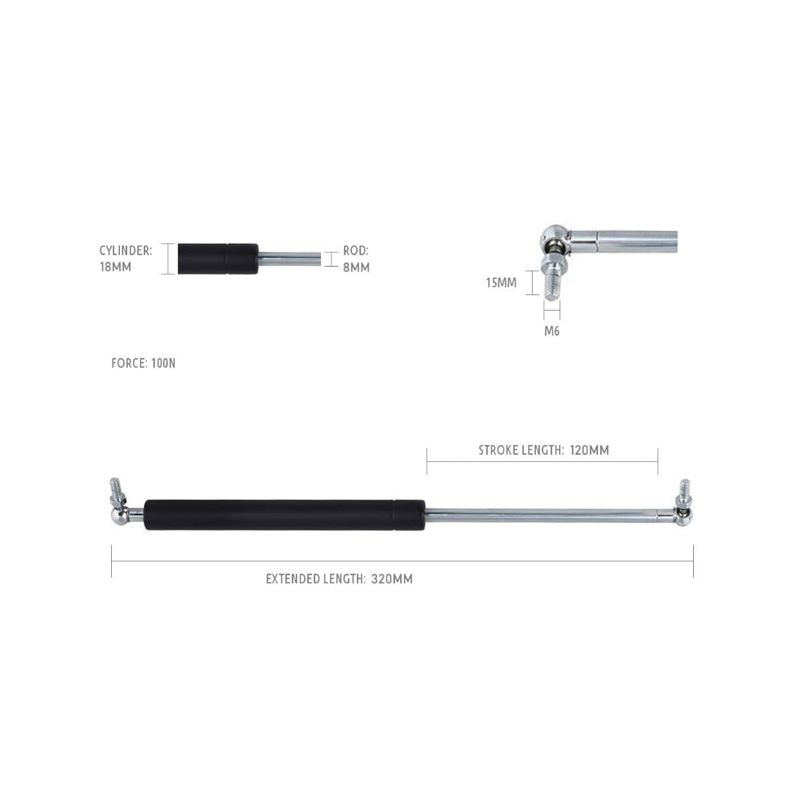 Gas Strut 120-320/100N GS120-320-100NExtended L...
 -
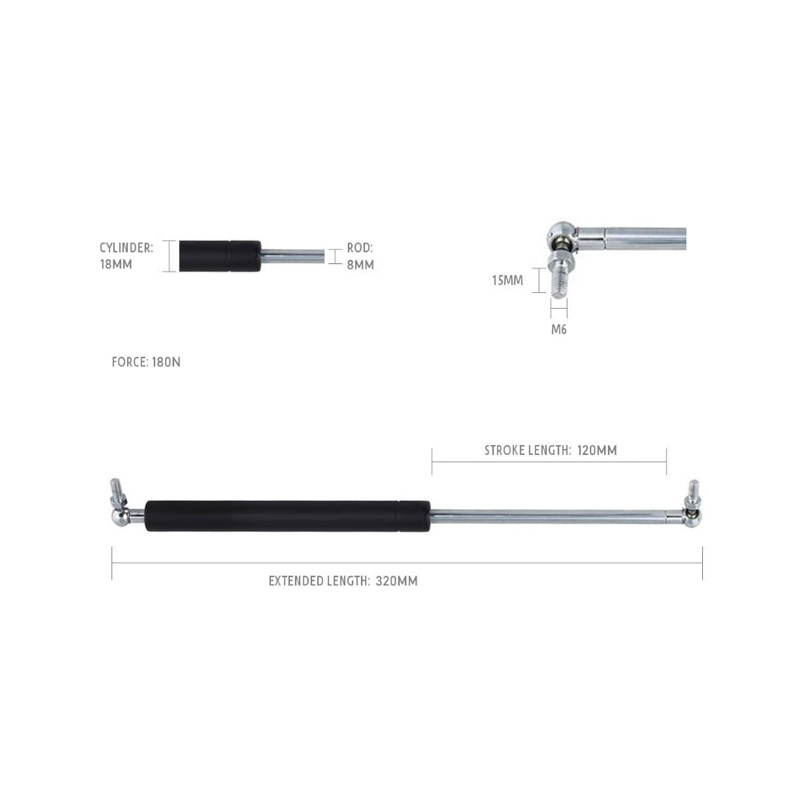 Gas Strut 120-320/180N GS120-320-180NExtended L...
 -
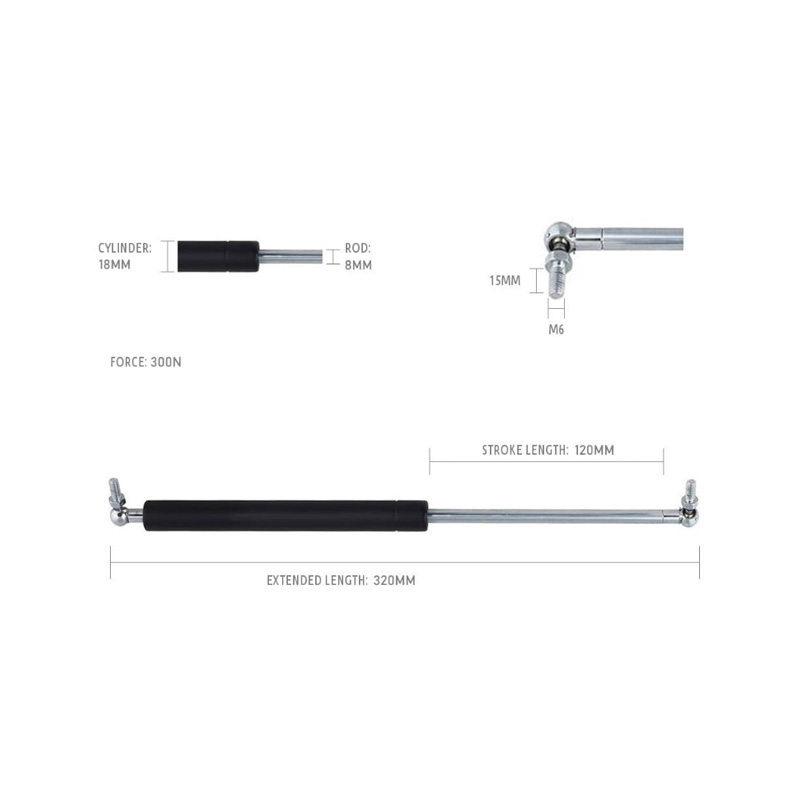 Gas Strut 120-320/300N GS120-320-300NExtended L...
 -
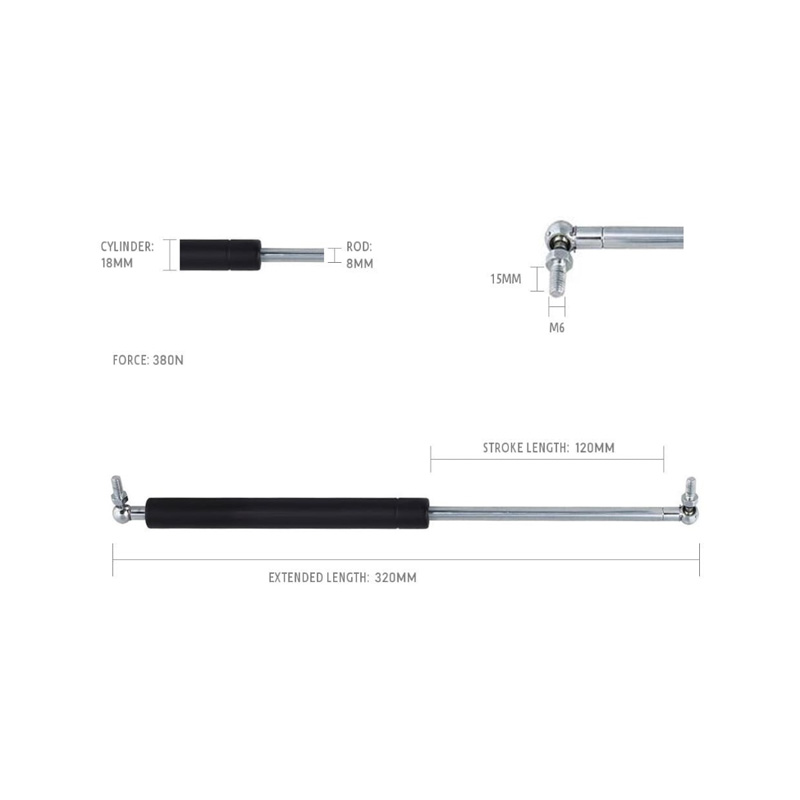 Gas Strut 120-320/380N GS120-320-380NExtended L...
 -
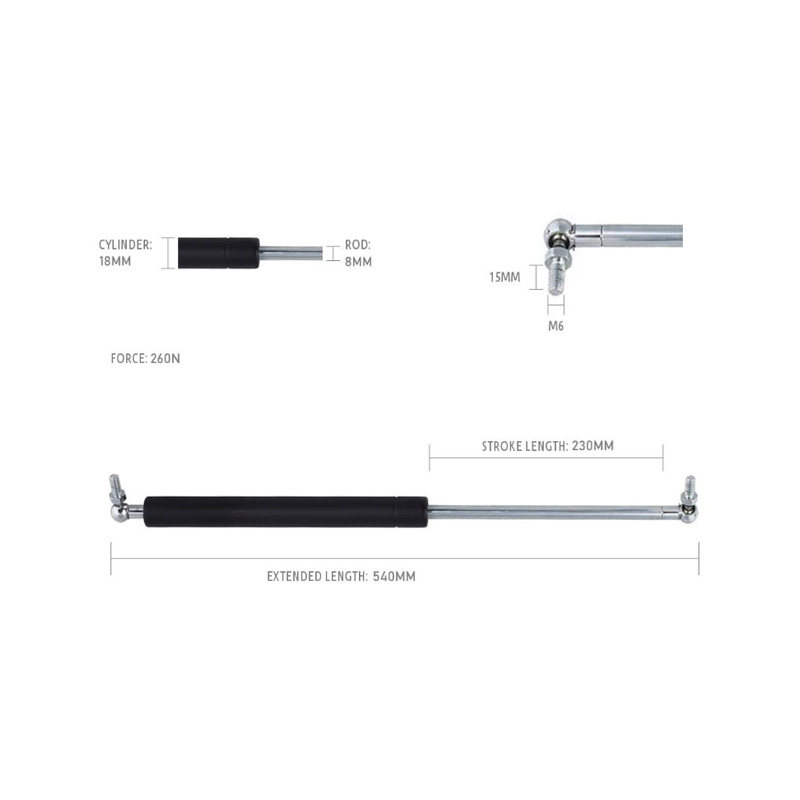 Gas Strut 230-540/260N GS230-540-260NExtended L...
 -
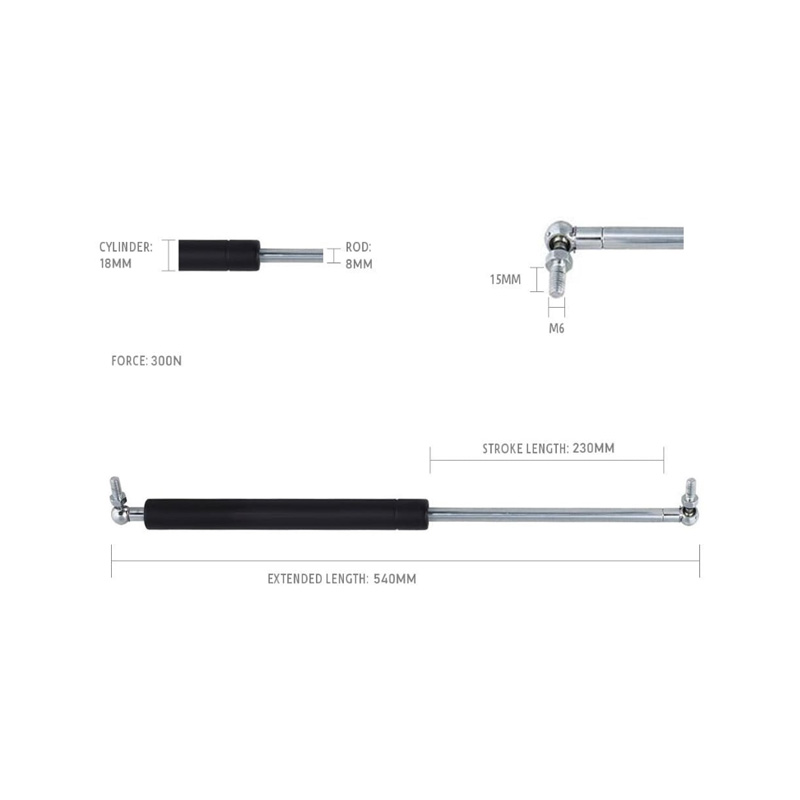 Gas Strut 230-540/300N GS230-540-300NExtended L...
 -
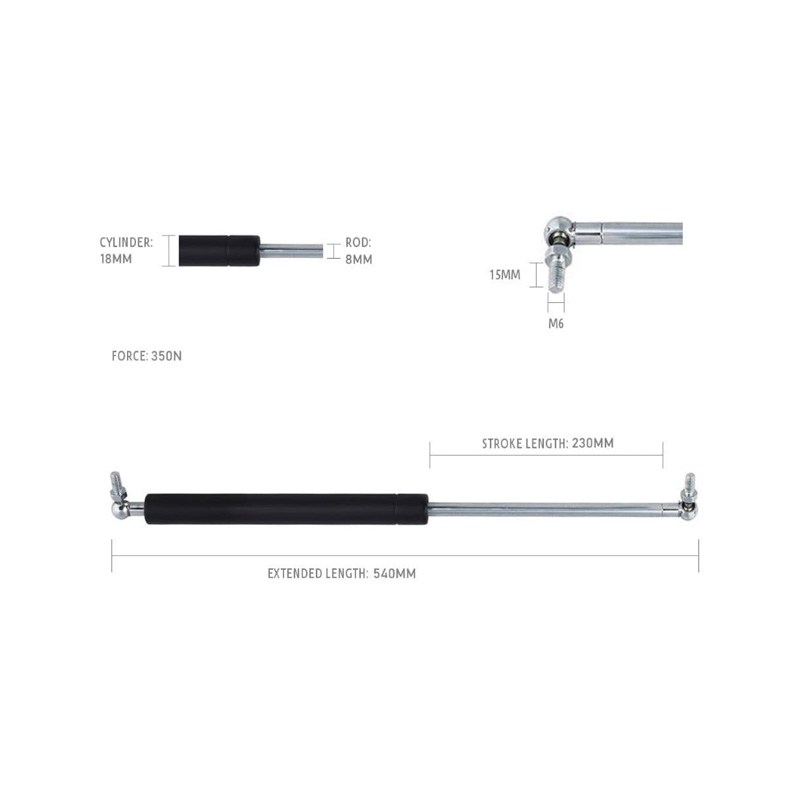 Gas Strut 230-540/350N GS230-540-350NExtended L...
 -
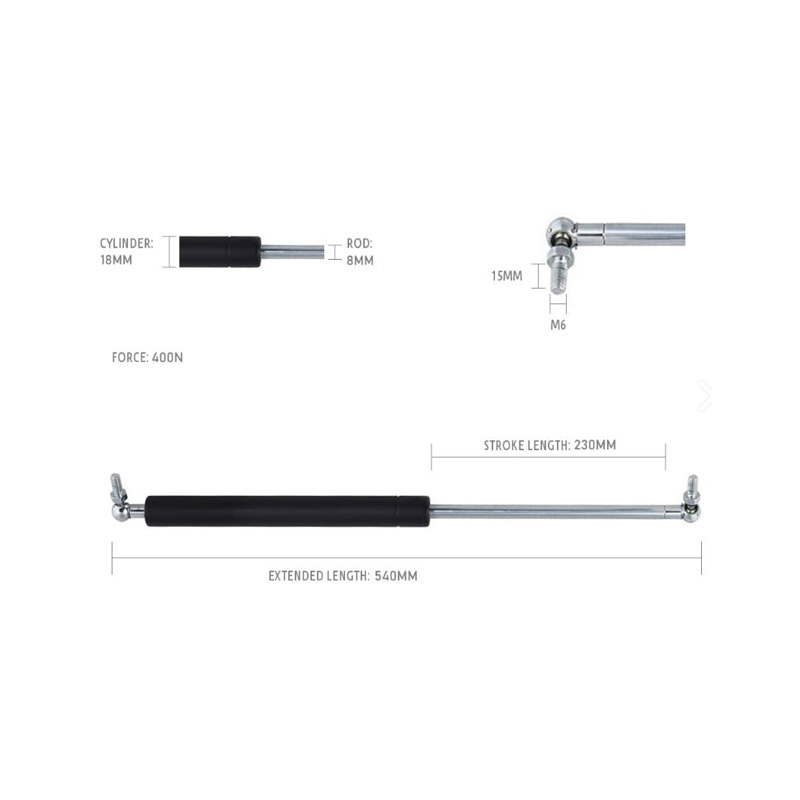 Gas Strut 230-540/400N GS230-540-400NExtended L...
-
- Ladder Rack >
- Canopy Ladder >
- Toolbox Cargo Cage >
- Toolbox Rear Gate >
-
Fuel Gas Tool Holder
>
-
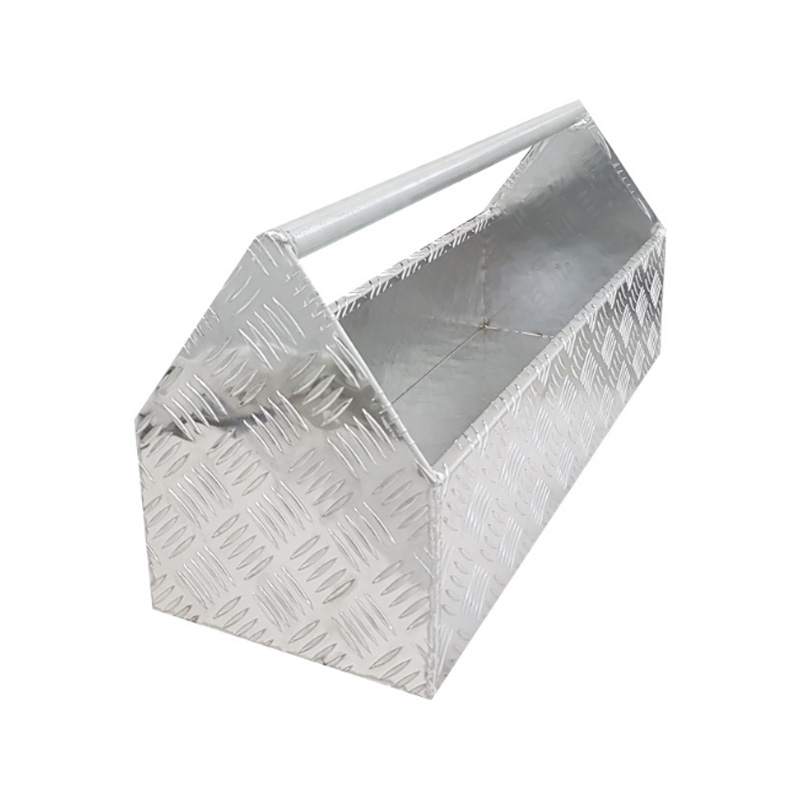 600 x 230 x 290mm Aluminium Tool Storage Handle Holder Heavy Duty ToteThickness:...
 -
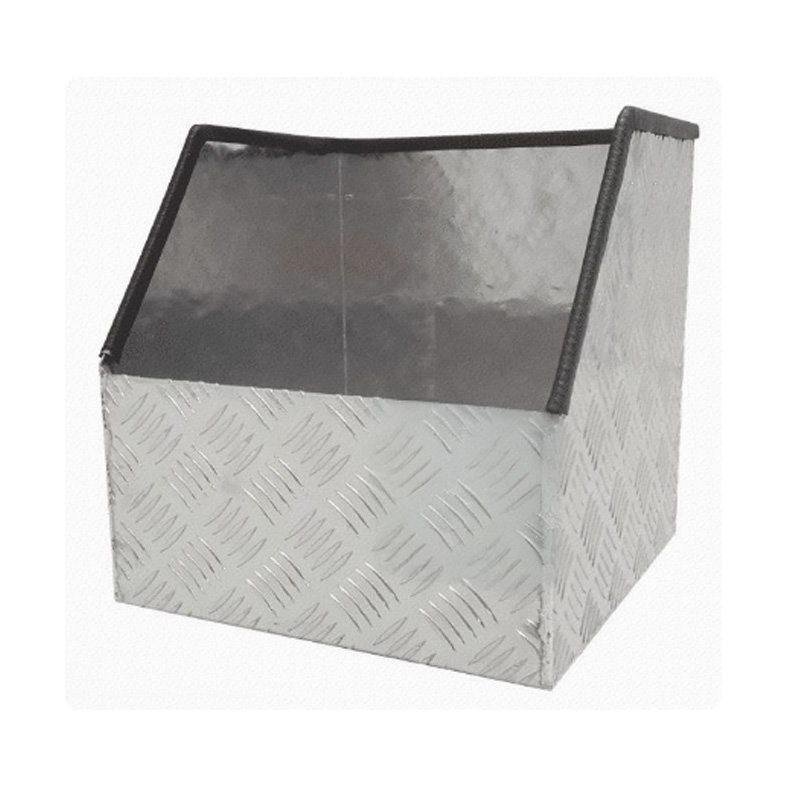 320 x 320 x 320mm Aluminium Checker Camping Camper 4x4 Ute Truck Trailer Gas Bottle HolderSize Lengt...
 -
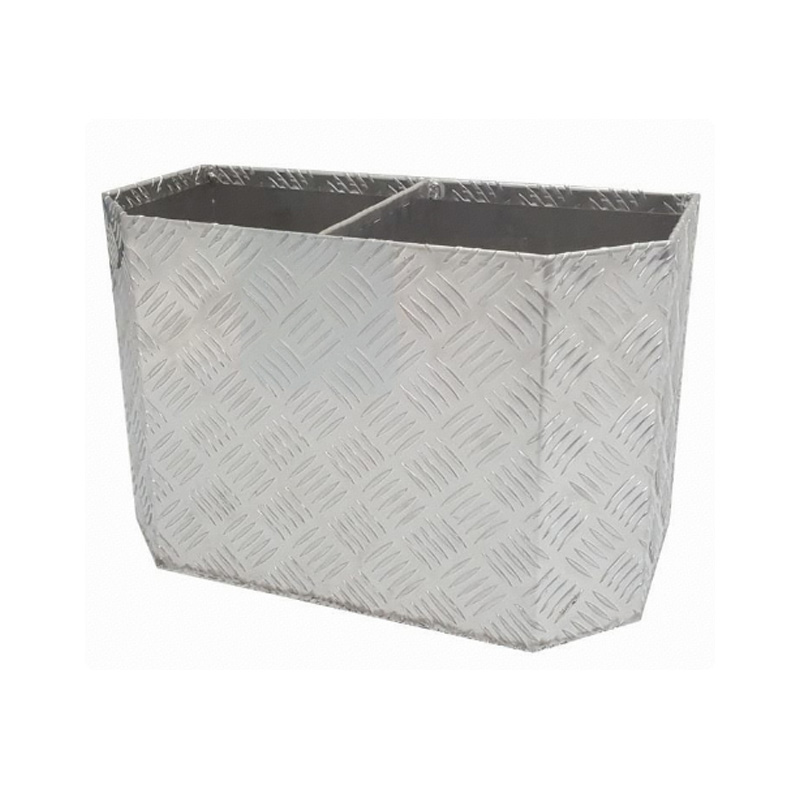 450 x 230 x 300mm Aluminium Checker Camping Camper 4x4 Ute Truck Acetylene Oxy Gas Bottle Holder with DividerThickness:...
 -
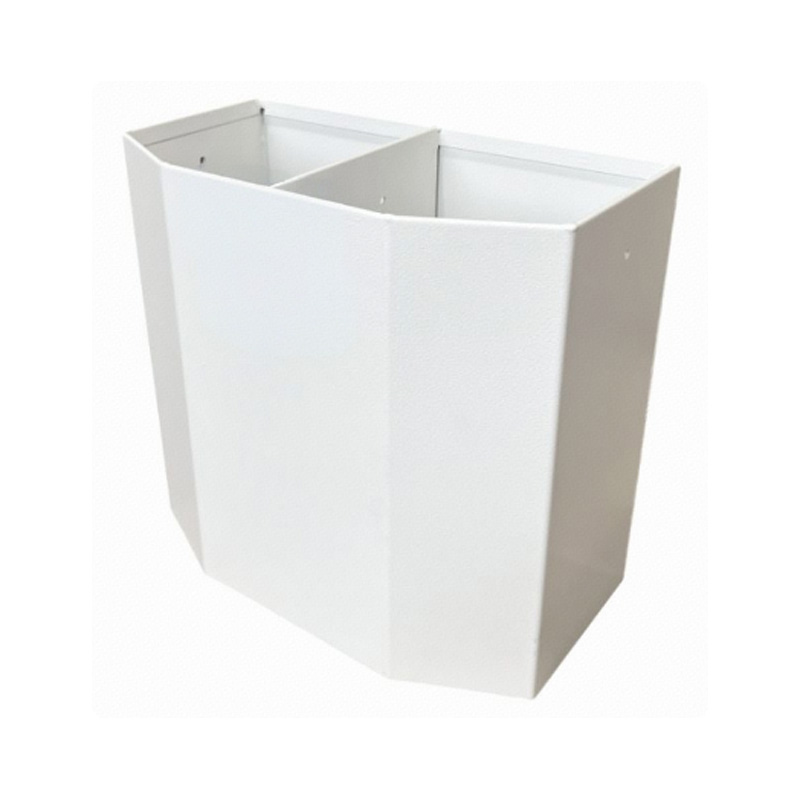 450 x 230 x 380mm Aluminium Camping 4x4 Ute Truck Acetylene Oxy Gas Bottle Holder with DividerThickness:...
 -
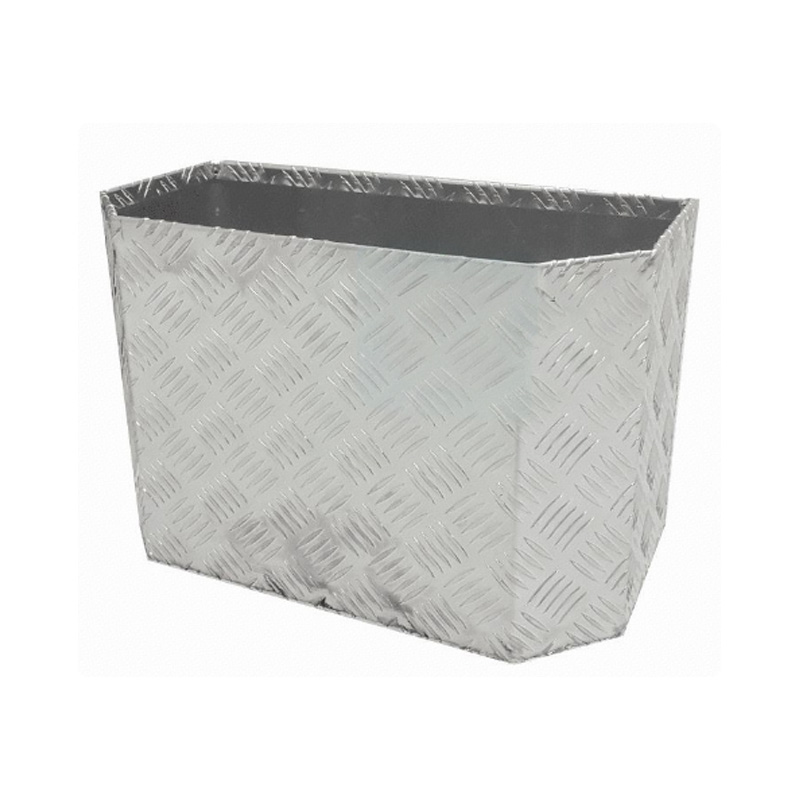 450 x 230 x 300mm Aluminium Checker Camping Camper 4x4 Ute Truck Acetylene Oxy Gas Bottle HolderThickness:...
 -
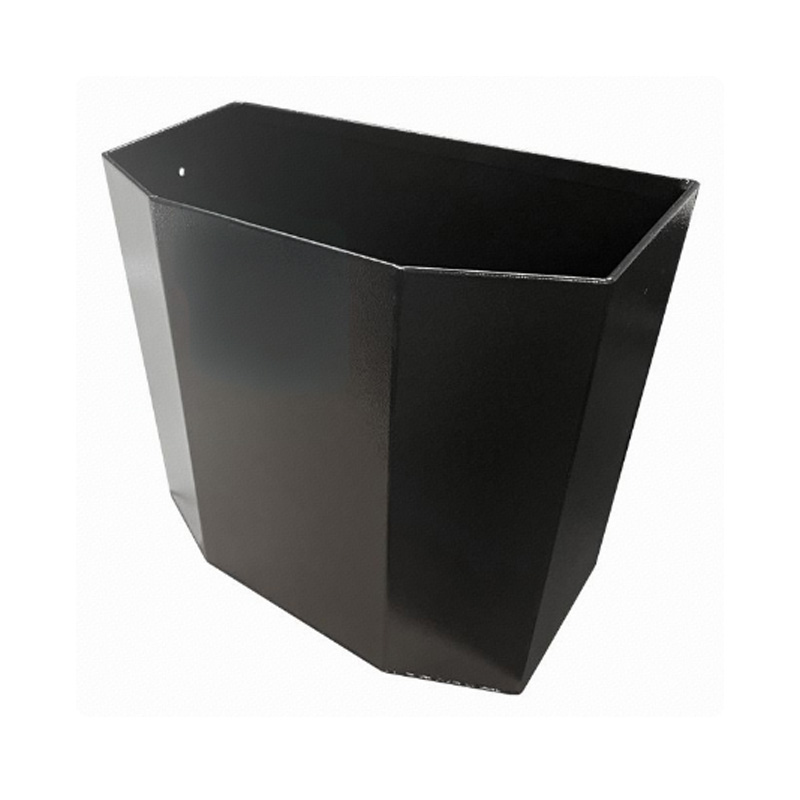 450 x 230 x 380mm Aluminium Camping 4x4 Ute Truck Acetylene Oxy Gas Bottle HolderSize Lengt...
 -
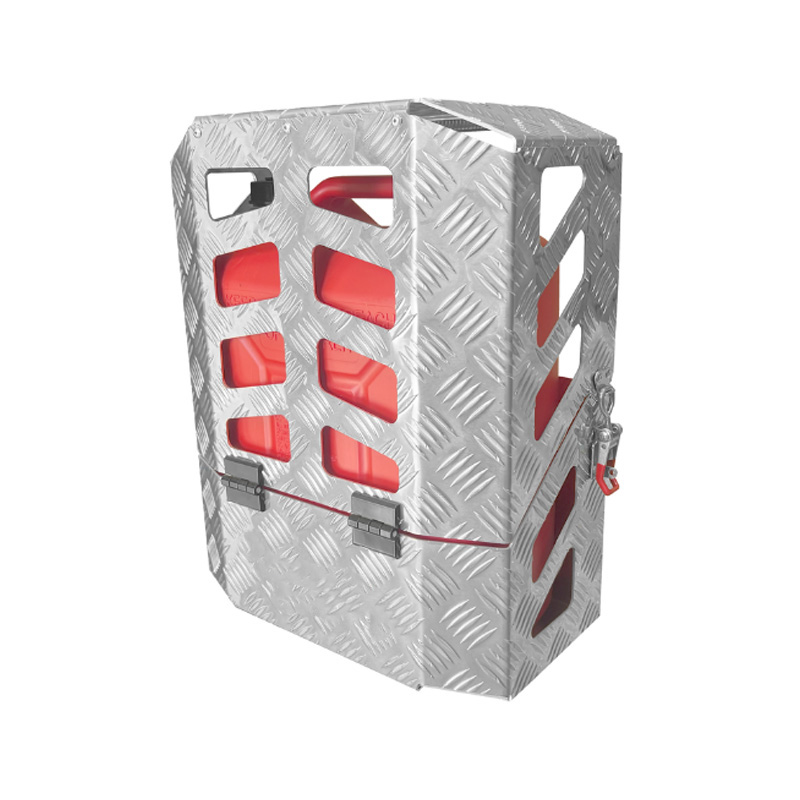 400 x 220 x 500mm Checker Aluminium Ute Camping Camper Jerry Can Bottle Holder Pad lockable Tool BoxThickness:...
 -
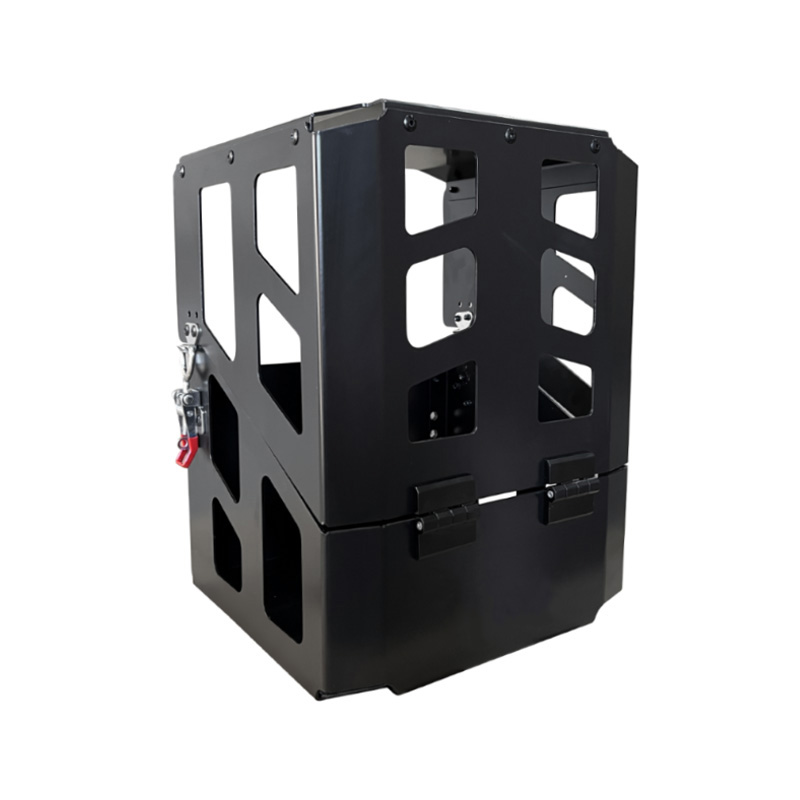 335 x 285 x 400mm 4.5kg Aluminium Gas Bottle HolderThickness:...
 -
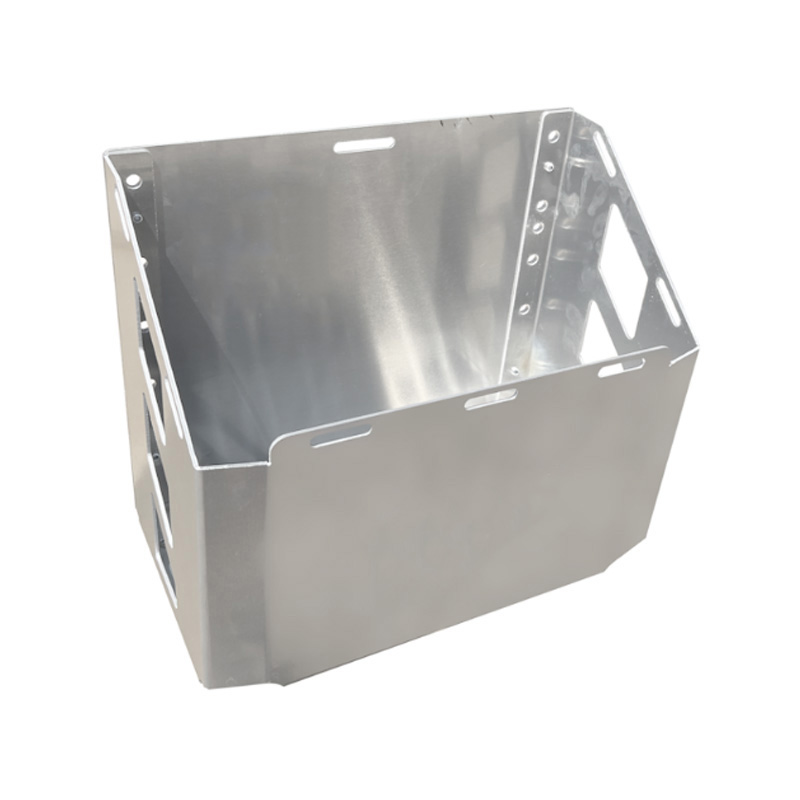 361 x 196 x 303mm Flat Aluminium Ute Camping Camper Jerry Can Bottle Holder Tool BoxThickness:...
-
- Jack off Legs >
-
Trailers Accessories
>
- About
- News
- Contact


 English
  Español
  русский
 When Does a Tandem Tipper Trailer Become the Right Choice
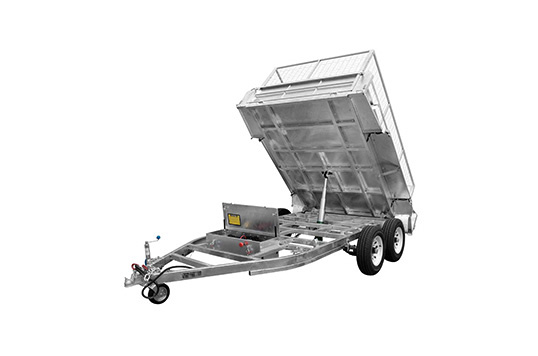
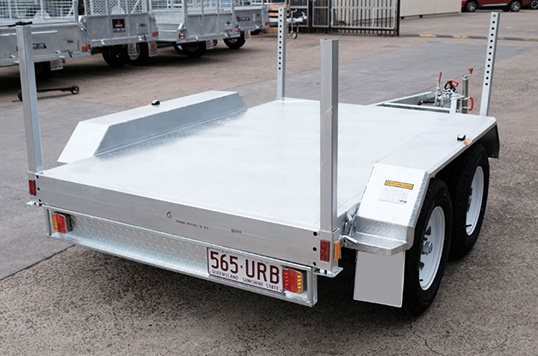
Moving heavy materials requires more than just extra loading space. The trailer design, axle structure, tipping system, and weight distribution all influence transportation performance. A Tandem Flatbed Hydraulic Tipper Trailer has become a practical option for users who need to transport bulk materials while maintaining better stability and unloading convenience.
From construction sites and landscaping projects to agricultural operations and equipment transport, tandem tipper trailers provide a combination of strength and flexibility. Compared with smaller trailer designs, the dual axle configuration helps distribute cargo weight across multiple points, making it suitable for demanding hauling tasks. Many hydraulic flatbed tipper models are available with tandem axle options, different platform sizes, and rated capacities from around 3500kg ATM and above depending on the structure.
Heavy Loads Require Better Weight Distribution
A major reason users move from single axle trailers to tandem axle models is the need for improved load control. Heavy cargo can create significant pressure on the frame, suspension, and tires. A tandem axle setup uses two axles working together, helping spread the load more evenly during transportation.
- Improved load balance: Two axle assemblies help support heavier materials and reduce stress concentration on individual components.
- Greater towing stability: The additional axle support can provide smoother handling, especially on longer routes or uneven surfaces.
- Suitable for variable cargo: Bulk materials such as gravel, soil, machinery parts, and construction waste can be transported with greater flexibility.
For contractors and operators who regularly carry changing cargo weights, tandem axle trailers provide additional capacity and confidence compared with smaller trailer configurations.
Hydraulic Tipping Changes the Loading Process
Traditional flatbed trailers often require manual unloading methods, which can increase labor requirements and extend project times. Hydraulic tipping systems change this process by using hydraulic cylinders to raise the deck and release materials through controlled movement.
A typical hydraulic tipper system may include a hydraulic pump unit, battery power supply, remote control operation, and heavy-duty lifting cylinders. Some flatbed hydraulic tipper designs use multi-stage hydraulic rams that provide a tipping angle around 45 degrees for unloading materials efficiently.
- Controlled lifting operation: Hydraulic power allows users to raise and lower the platform smoothly.
- Reduced manual handling: Loose materials can be discharged without extensive physical effort.
- Flexible work applications: Suitable for sand, gravel, soil, green waste, and other bulk cargo.
Flatbed Design Adds More Transport Options
A flatbed structure gives users more freedom compared with enclosed trailer bodies. The open deck area allows transportation of oversized items that may not fit inside traditional box-style trailers.
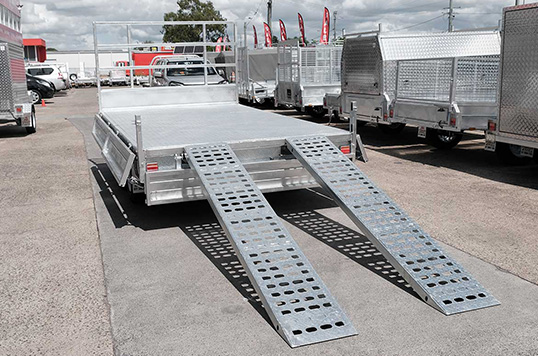
Many hydraulic flatbed tipper trailers feature reinforced steel decks, removable side panels, tie-down points, and optional ramps. These details allow the same trailer to handle materials, machinery, pallets, and equipment. Some heavy-duty models offer deck lengths from compact sizes to larger platforms, depending on payload requirements.
Construction and Landscaping Applications
Construction companies often use hydraulic tipper trailers to move aggregates, demolition materials, timber, and tools between locations. Landscaping professionals can transport soil, mulch, rocks, and green waste while using the hydraulic function for faster unloading.
Agricultural Transportation
Farm operators benefit from flatbed hydraulic trailers because they can carry feed, equipment, fencing materials, and harvested products. The ability to tip the platform makes handling loose agricultural materials easier.
Equipment and Machinery Movement
With suitable ramps and securing points, tandem flatbed trailers can support small machinery transport. Compact loaders, generators, and other equipment can be loaded onto the platform and safely secured during movement.
Key Specifications Worth Reviewing
The right trailer configuration depends on cargo type, towing vehicle capacity, and working environment. Reviewing technical specifications before purchase helps users match the trailer with their actual requirements.
| Specification | Common Details |
| Trailer Type | Tandem flatbed hydraulic tipper trailer |
| Axle Configuration | Dual axle with suspension system |
| Hydraulic System | Electric hydraulic power pack with lifting cylinder |
| Deck Material | Steel checker plate or reinforced steel flooring |
| Tipping Angle | Approximately 40–45 degrees depending on design |
| ATM Rating | Common options include 3500kg, 4500kg, and higher ratings |
For example, some tandem hydraulic tipper trailers feature dual braked axles, rocker roller suspension, electric brakes, and payload capacities above 2500kg depending on tare weight and configuration.
Features That Improve Daily Operation
Modern trailer users often look beyond basic carrying ability. Practical features can make transportation safer and more convenient during regular work.
- Electric brake systems: Provide additional braking control for heavier trailer loads.
- Removable ramps: Allow easier loading of machinery and equipment.
- Tie-down rails: Help secure different types of cargo.
- Protective coatings: Galvanised finishes and durable coatings help improve resistance against outdoor exposure.
Is a Tandem Tipper Trailer Suitable for Every User?
A tandem tipper trailer provides clear advantages for users handling heavier loads, frequent transport tasks, or materials that require quick unloading. However, it may not be necessary for occasional light-duty hauling where a smaller trailer can meet the requirements.
The decision depends on cargo weight, travel distance, towing vehicle capacity, and working frequency. Users who regularly transport bulk materials or equipment often find the additional stability and hydraulic unloading capability valuable.
A Smarter Solution for Demanding Transport Tasks
The growing use of tandem hydraulic tipper trailers reflects a change in how people approach material transportation. Instead of relying only on larger vehicles, many operators are choosing versatile trailer solutions that combine carrying strength with easier unloading.
A Tandem Flatbed Hydraulic Tipper Trailer offers a practical balance between capacity, flexibility, and operational convenience. With a strong frame, dual axle support, and hydraulic tipping technology, it can handle a wide range of professional and commercial transport applications.
Post a comment
- GET A QUOTE
- PRODUCTS
- TRAILERS
- TOOLBOXES
- ACCESSORIES
- CONTACT US
-
-
 +86-0579-82795522
 -
 +86-13362901332(Jack)
-

-
 No. 1533 Huaxi Road, Jinhua City, Zhejiang Province, China
-
- MOBILE SITE

