

- Home
-
Trailers
- Box Trailers >
-
Flat Top/Flat Bed Trailers
>
- Single Axle Flatbed Trailers >
-
Tandem Axle Flatbed Trailers
>
-
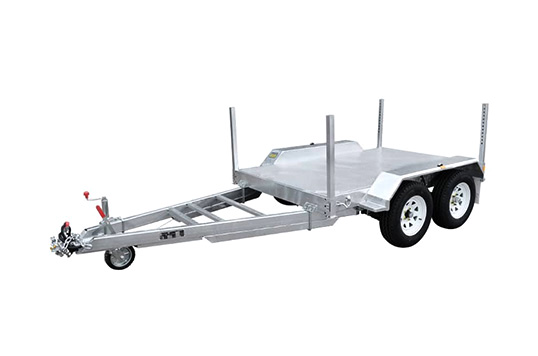 8×5ft ATM 1990KG Flat Top /Flat Bed TrailerTrail...
 -
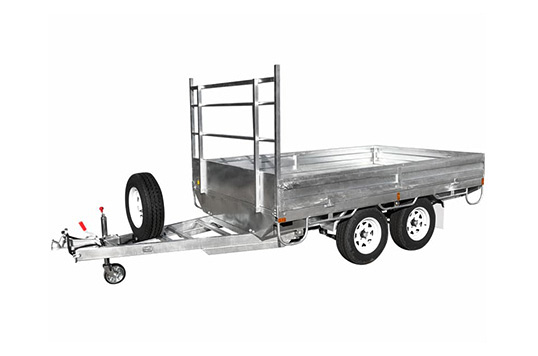 10×6.3ft ATM 2800KG Flat Top /Flat Bed Tandem TrailerTrail...
 -
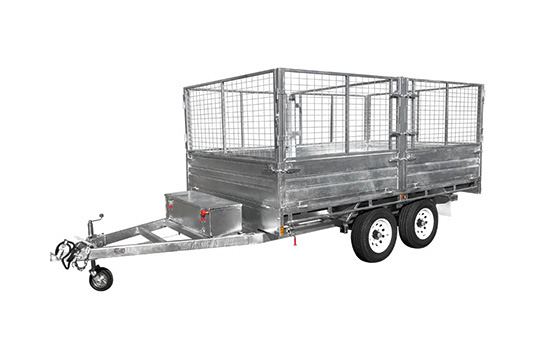 10×6ft ATM 3500KG Flat Top /Flat Bed Hydraulic Tipper TrailerTrail...
 -
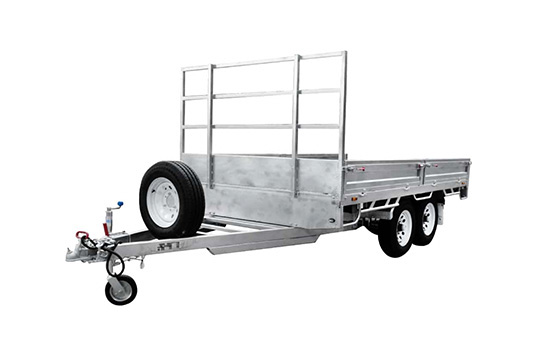 12×7ft ATM 3500KG Flat Top /Flat Bed Tandem TrailerTrail...
 -
14×7ft 3500KG ATM Flat Bed Tandem TrailerTrail...
-
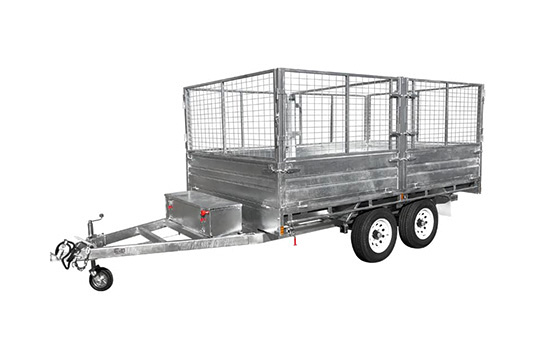 12×7ft ATM 3500KG Tandem Flatbed Hydraulic Tipper TrailerTrail...
-
- Tri Axle Flatbed Trailers >
- Hydraulic Tippers >
- Cattle/ Livestock Trailers >
-
Boat, Kayak & Jet Ski Trailers
>
-
Single Axle Rollers Boat Trailer
>
-
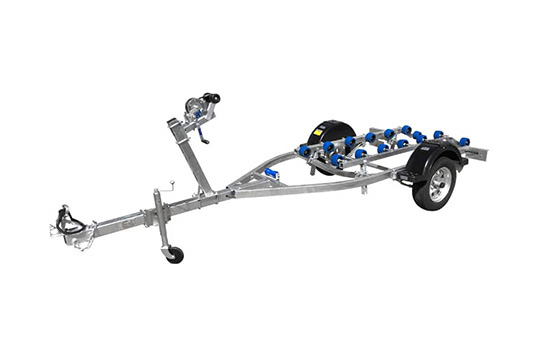 4100 Series 750KG ATM Single Axle Rollers Boat TrailerTrail...
 -
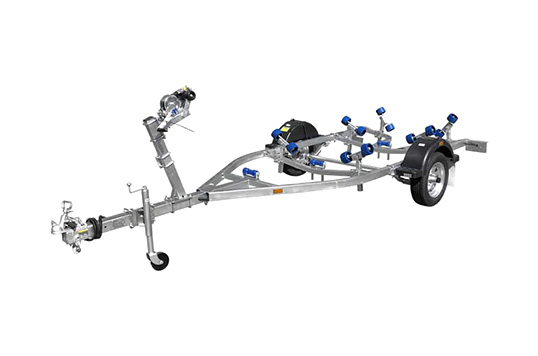 4500 Series 750KG ATM Single Axle Rollers Boat TrailerTrail...
 -
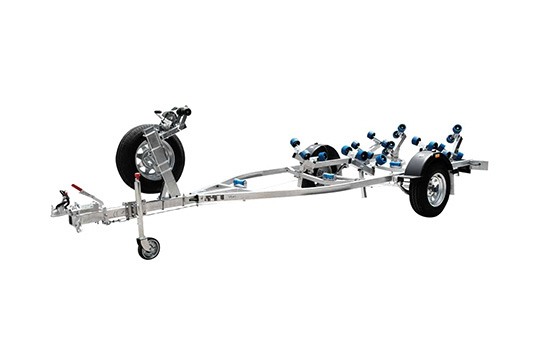 4900 Series 1200KG ATM Single Axle Rollers Boat TrailerTrail...
 -
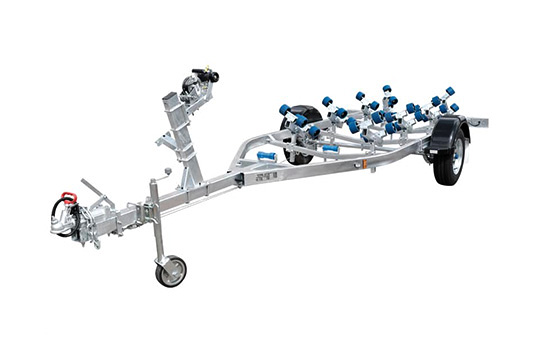 5700 Series 1500KG ATM Single Axle Rollers Boat TrailerTrail...
 -
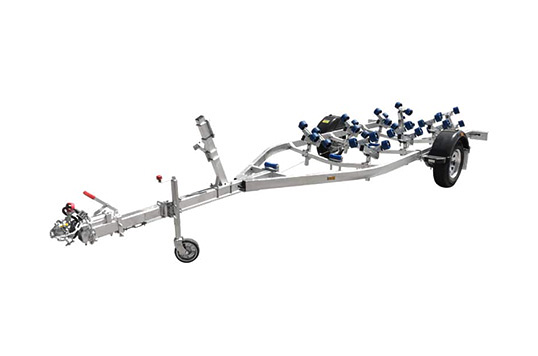 6300 Series 1500KG ATM Single Axle Rollers Boat TrailerTrail...
-
- Single Axle Skid Boat Trailer >
- Tandem Axle Rollers Boat Trailer >
- Kayak & Canoe Trailer >
-
Single Axle Rollers Boat Trailer
>
- Motorcycles, ATV & Buggy Trailers >
- Car & Plant Trailers >
- Gardening & Mowing Trailers >
-
Builders/Tradesman Trailers
>
-
Single Axle Fully Enclosed & Luggage Trailer
>
-
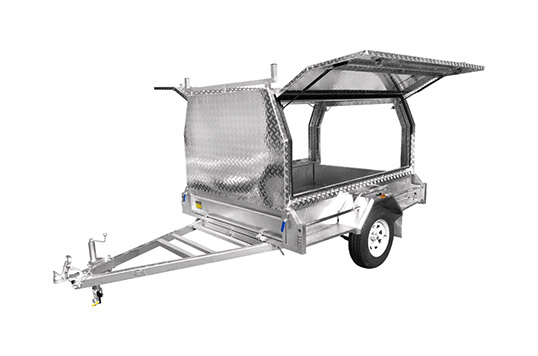 6×4ft Small Tradesman/ Builders TrailerTrail...
 -
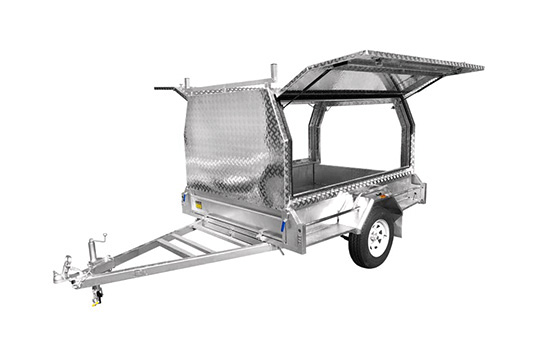 7×4ft Tradesman/ Builders TrailerTrail...
 -
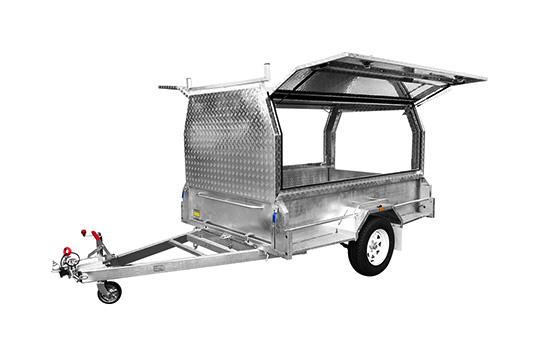 7×5ft Tradesman/ Builders Trailer with Aluminium CanopyTrail...
 -
8×5ft Durable Tradesman/ Builders TrailerTrail...
-
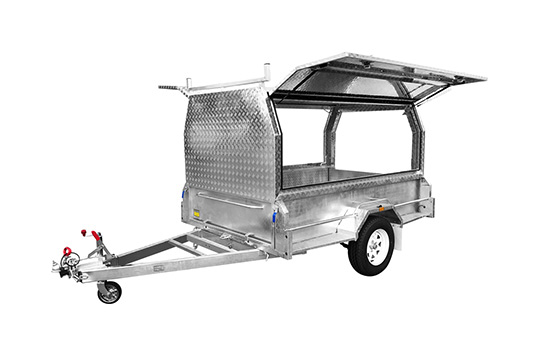 8×6ft ATM 750KG Tradesman/ Builders TrailerTrail...
 -
7×5ft Heavy Duty Tradesman/ Builders TrailerTrail...
-
8×5ft Heavy Duty ATM 1400KG Tradesman/ Builders TrailerTrail...
-
8×6ft Heavy Duty Enclosed Tradesman/ Builders TrailerTrail...
-
-
Tandem Axle Builders/Tradesman Trailer
>
-
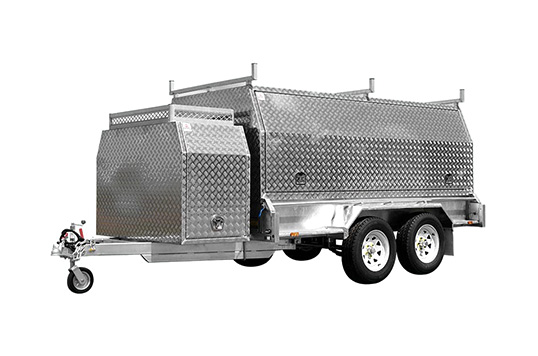 8×5ft Dual Axle Builders/Tradesman TrailerTrail...
 -
10×5ft Tandem Builders/Tradesman TrailerTrail...
-
10×6ft Tandem Builders/Tradesman TrailerTrail...
-
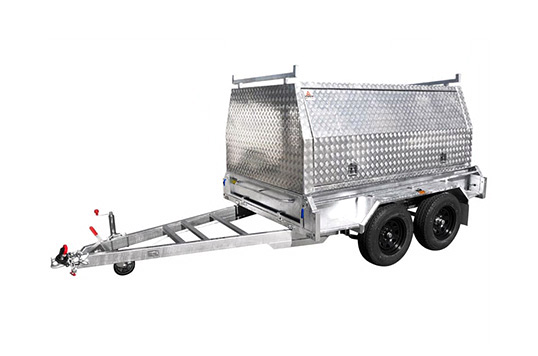 8×5ft Tandem Axle Tradesman/ Builders TrailerTrail...
 -
10×5ft Tandem Tradesman/ Builders TrailerTrail...
-
10×6ft Tandem Tradesman/ Builders Trailer with Aluminium CanopyTrail...
-
-
Single Axle Fully Enclosed & Luggage Trailer
>
- Enclosed/Luggage Trailers >
-
Toolboxes
-
Under Tray Toolboxes
>
-
Ute Under Tray Toolboxes
>
-
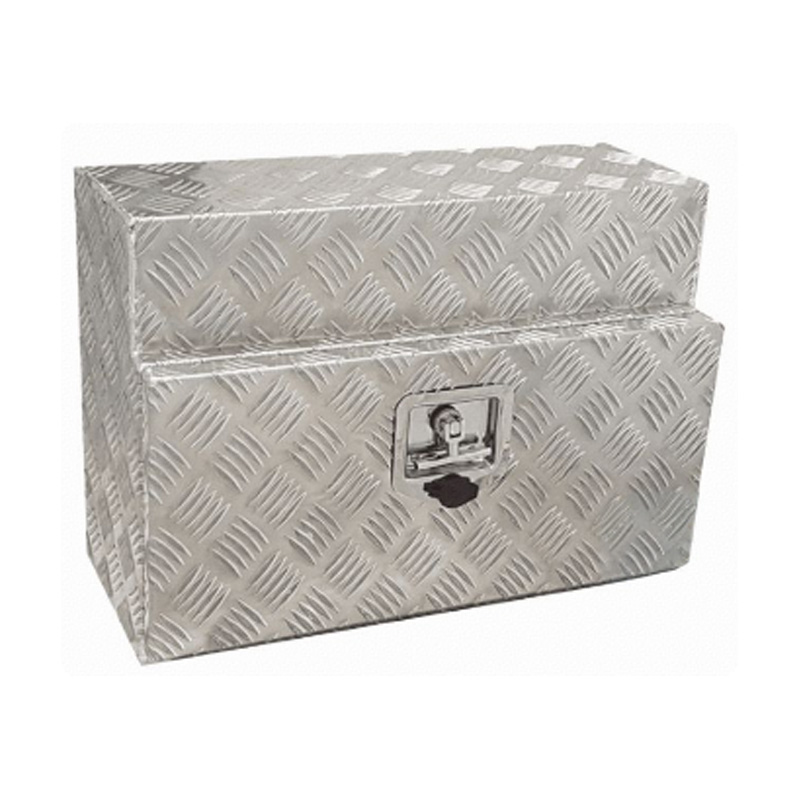 580 x 230 x 400mm Aluminium Checker Ute Toolbox Truck Storage Under Body Tray Storage Strap Tool BoxThickness:...
 -
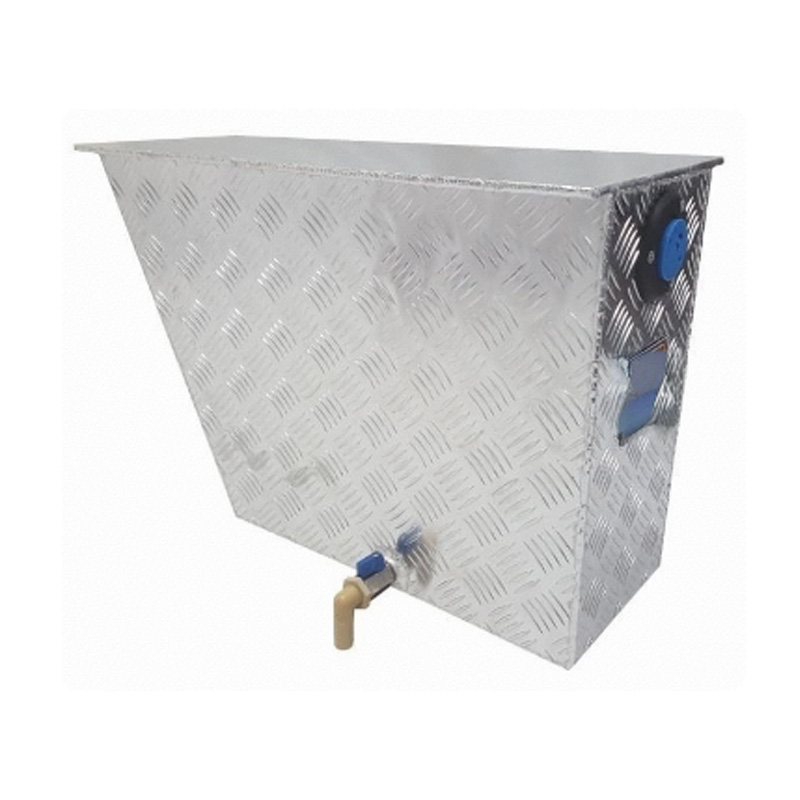 600 x 200 x 400mm Aluminium 20L Ute Camping Under Tray Body Box Storage Water TankThickness:...
 -
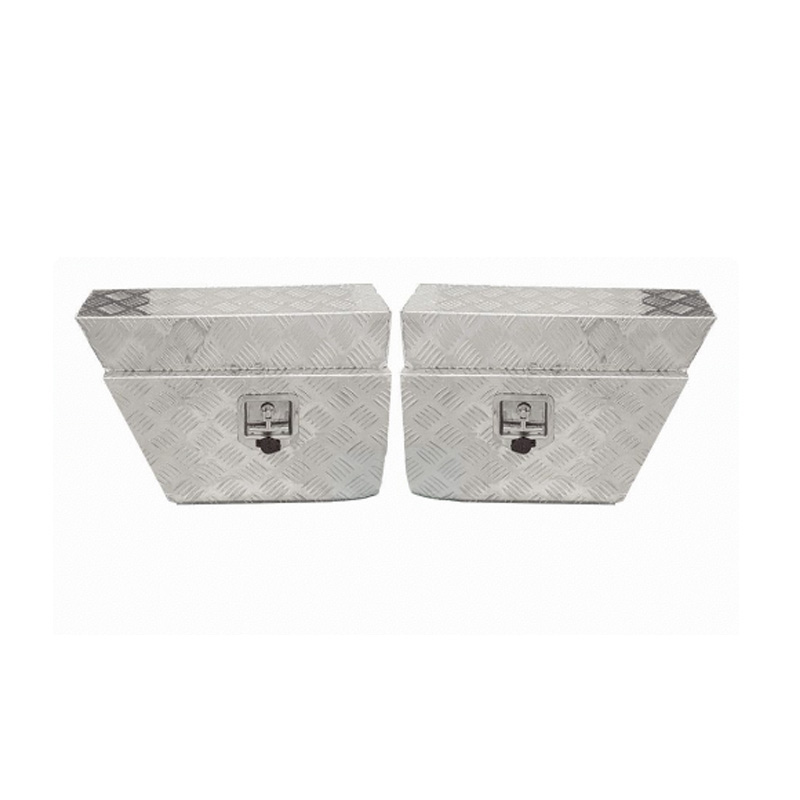 600 x 230 x 400mm Aluminium Pair Ute Toolbox Truck Storage Under Body Tray Storage Strap Tool Box Off Road TapperThickness:...
 -
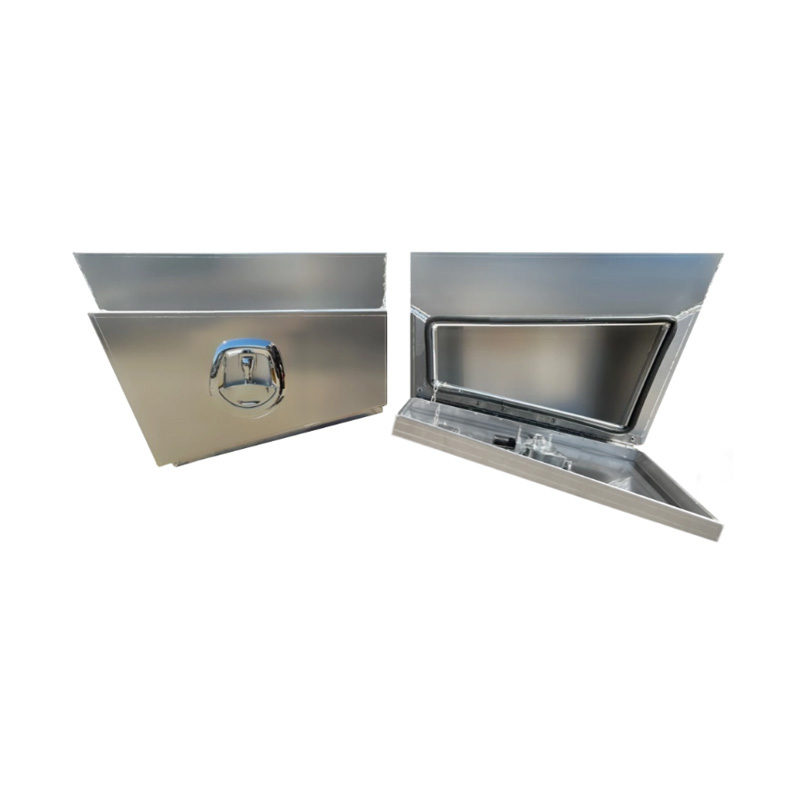 600 x 230 x 400mm Aluminium Set Pair Ute Toolbox Truck Storage Under Body Tray Storage Strap Tool Box Off Road TapperThickness:...
 -
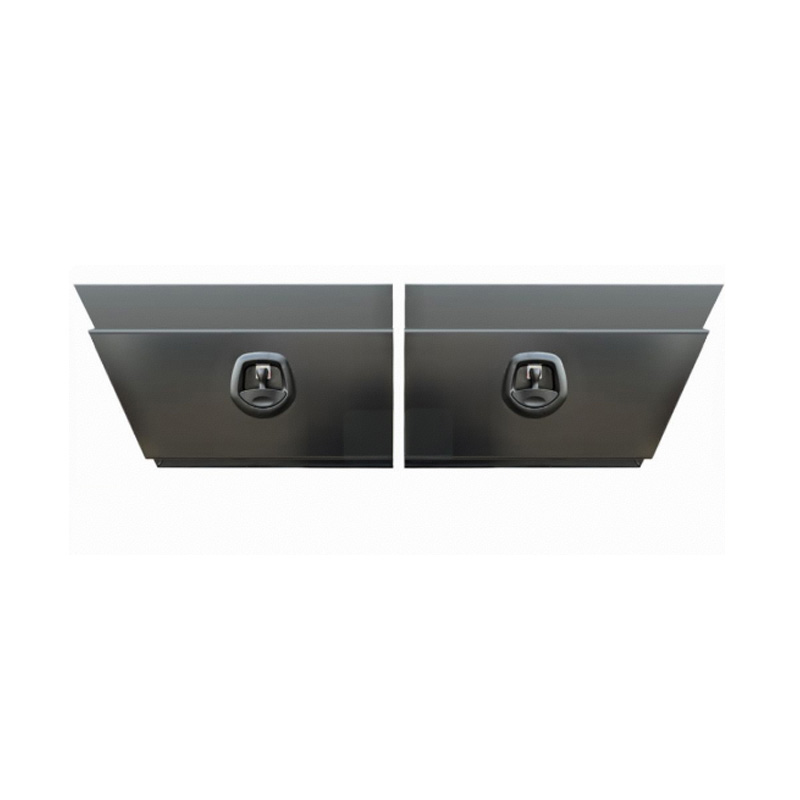 750 x 230 x 400mm Aluminium SET PAIR Ute Toolbox Truck Storage Under Body Tray Storage Strap Tool Box Off Road TapperThickness:...
 -
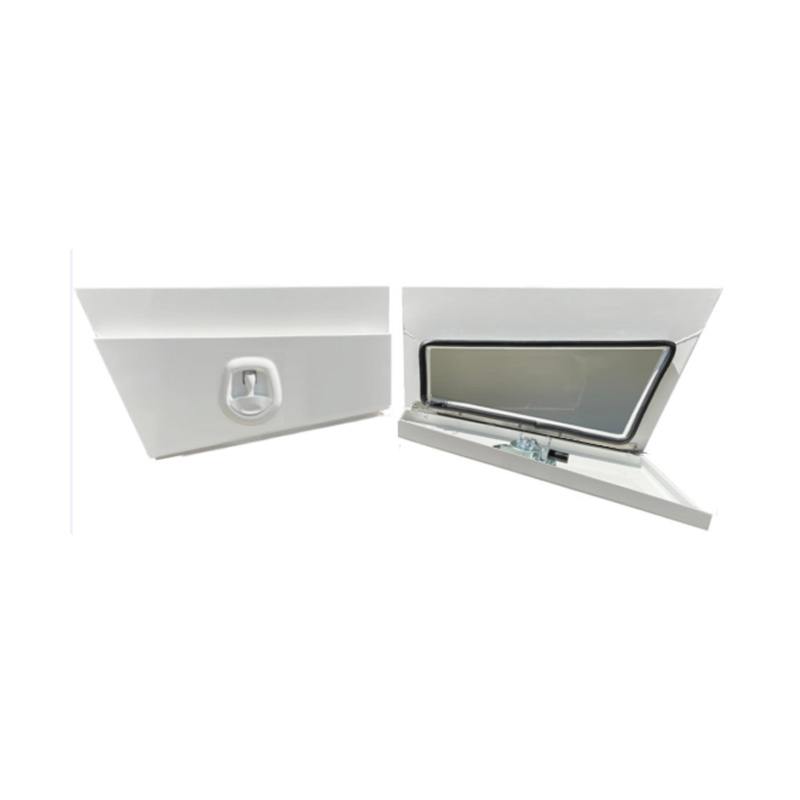 750 x 230 x 400mm Aluminium SET PAIR Ute Toolbox Truck Storage Under Body Tray Storage Strap Tool Box Off Road TapperThickness:...
 -
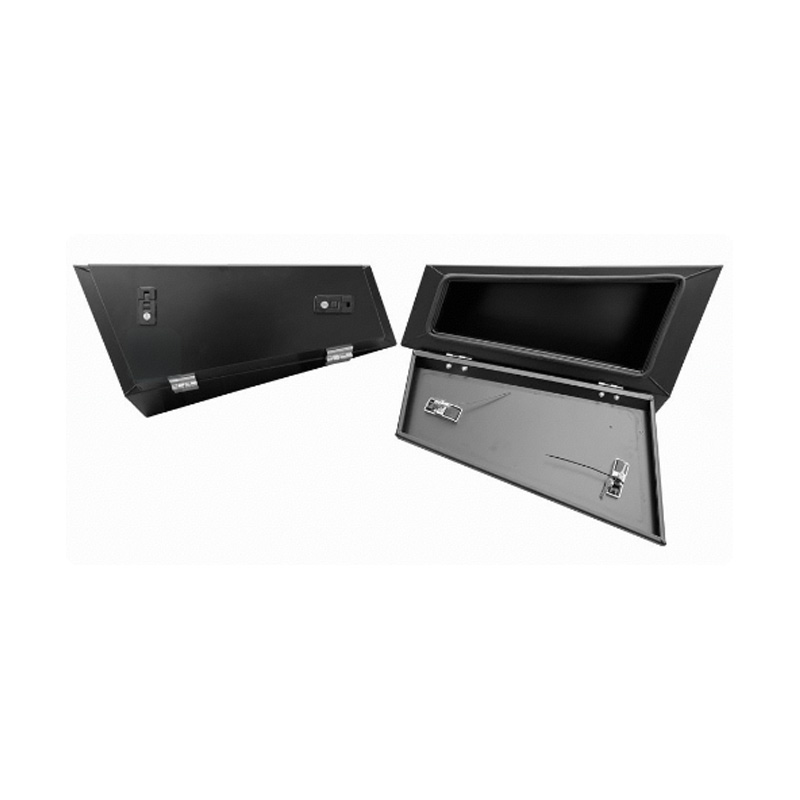 700 x 260 x 400mm (LIMITED EDITION) Under Tray Toolbox TapperedThickness:...
 -
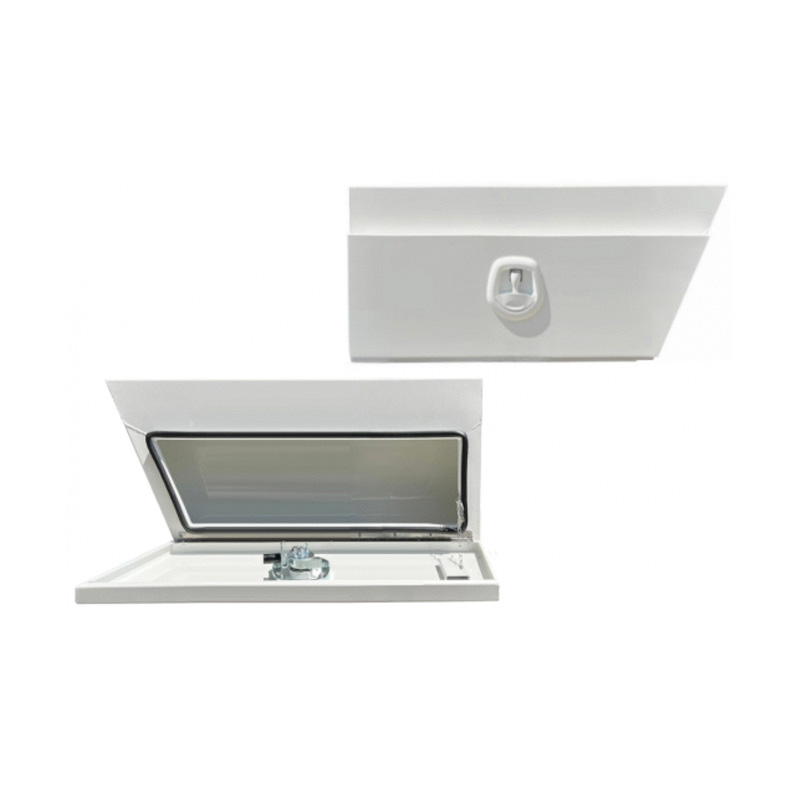 940 x 230 x 400mm Aluminium SET PAIR Ute Toolbox Truck Storage Under Body Tray Storage Strap Tool Box Off Road TapperThickness:...
 -
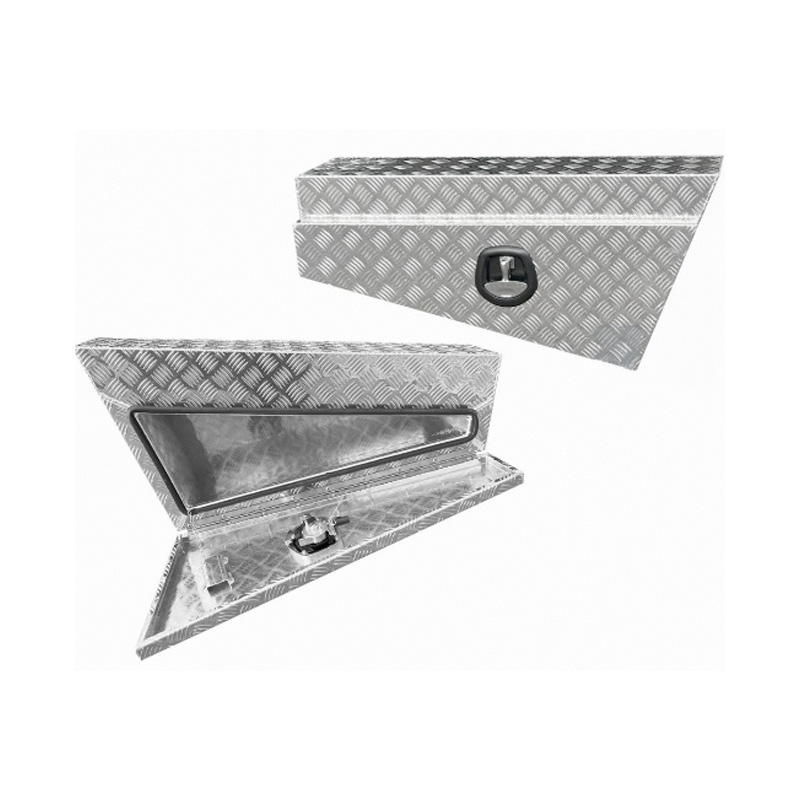 940 x 230 x 400mm Aluminium SET PAIR Ute Toolbox Truck Storage Under Body Tray Storage Strap Tool Box Off Road TapperThickness:...
 -
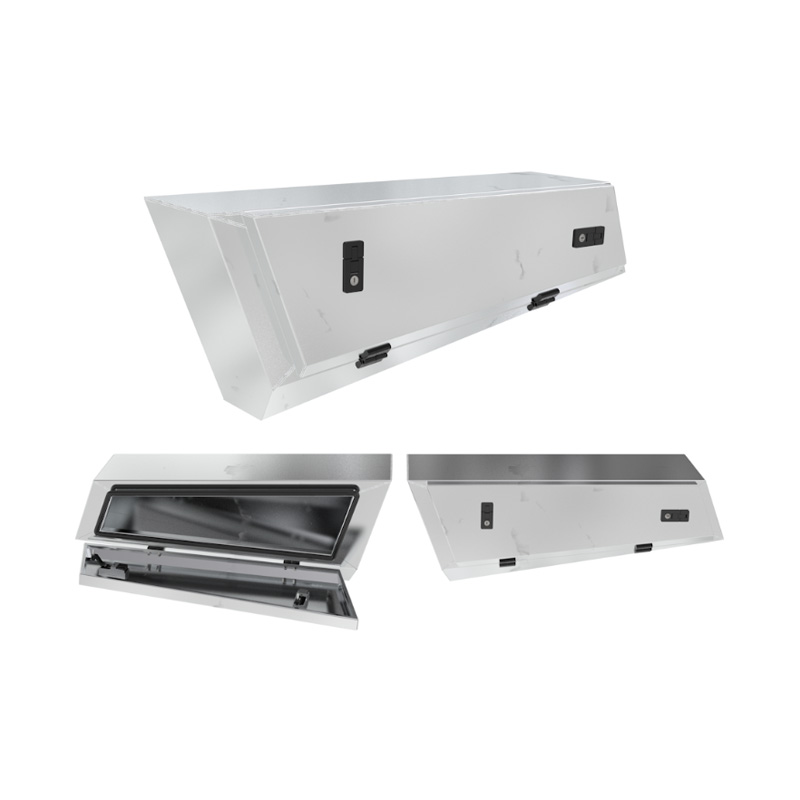 900 x 260 x 400mm (LIMITED EDITION) Under Tray Toolbox TapperedThickness:...
-
-
Truck Under Tray Boxes
>
-
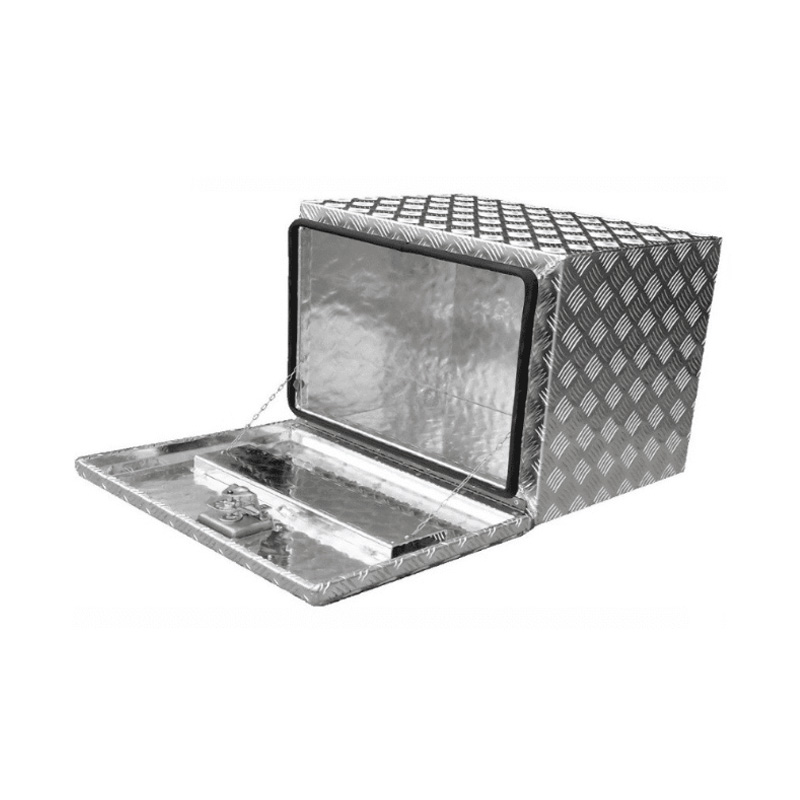 600 x 450 x 450mm Aluminium Checker Under Tray Body Tool box Truck Storage ToolboxThickness:...
 -
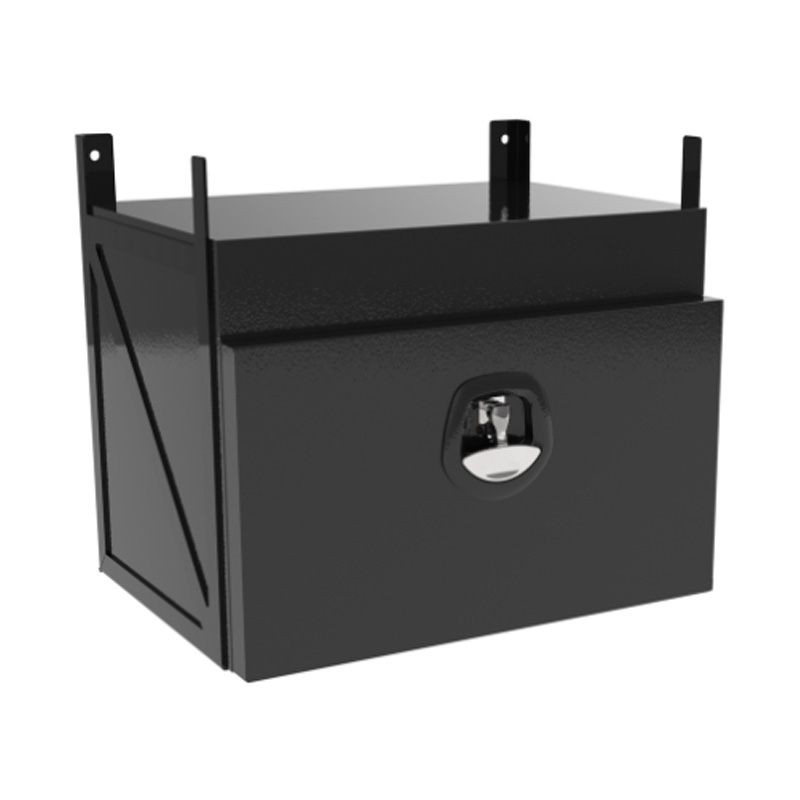 600 x 450 x 450mm Flat Aluminium Under Tray Body Tool box Truck Storage ToolboxThickness:...
 -
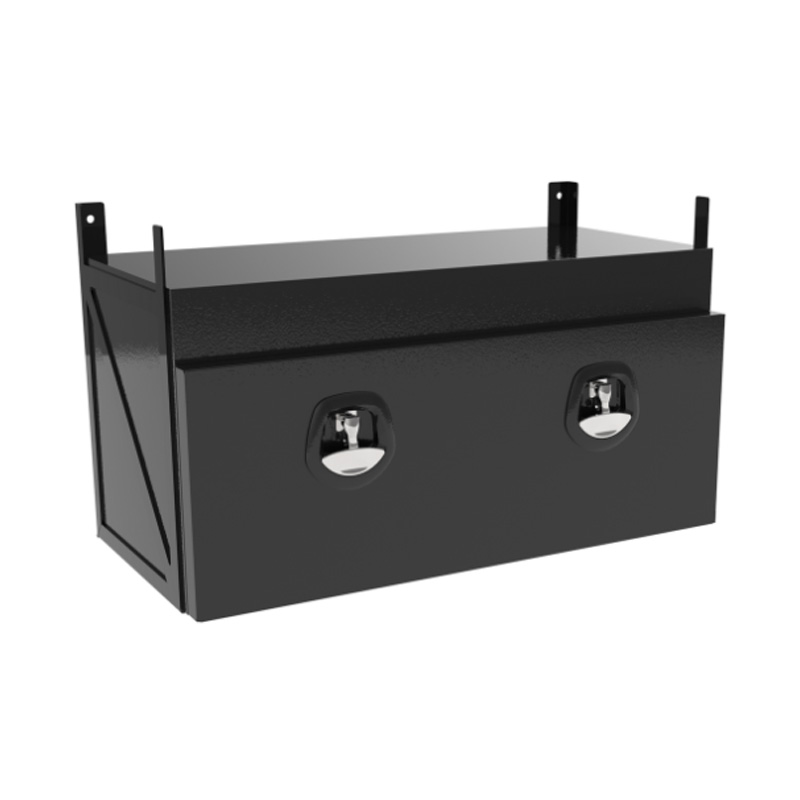 900 x 450 x 450mm Flat Aluminium Under Tray Body Tool box Truck Storage ToolboxThickness:...
 -
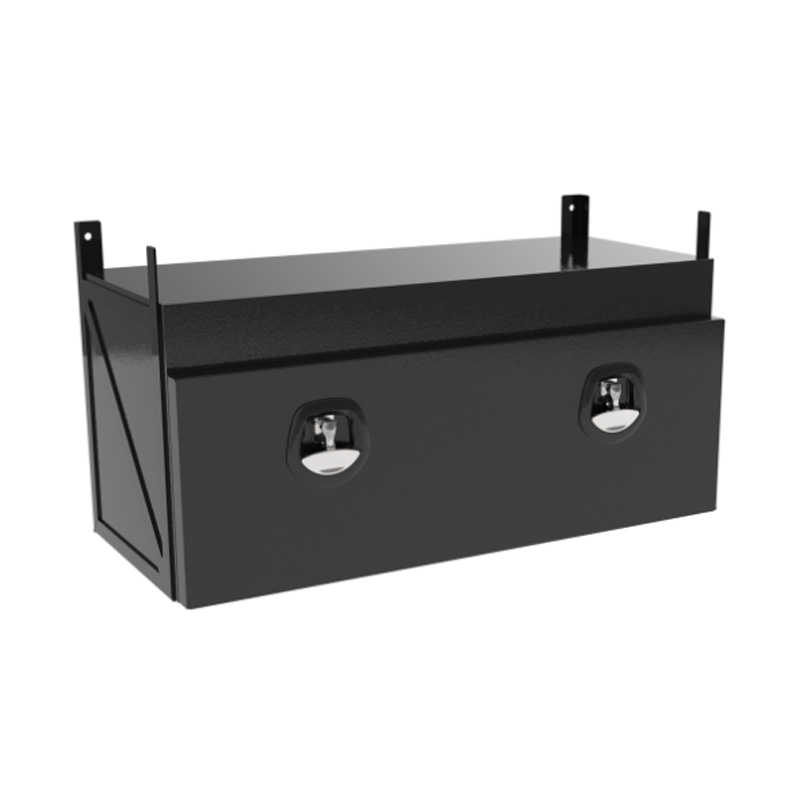 1000 x 450 x 450mm Flat Aluminium Under Tray Body Tool box Truck Storage ToolboxThickness:...
 -
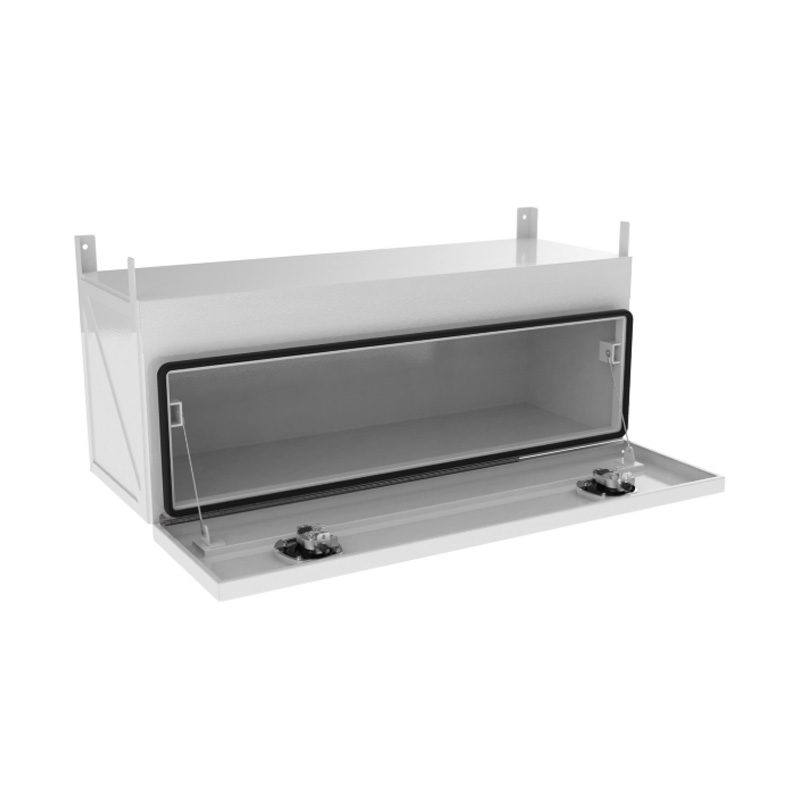 1200 x 450 x 450mm Flat Aluminium Under Tray Body Tool box Truck Storage ToolboxThickness:...
 -
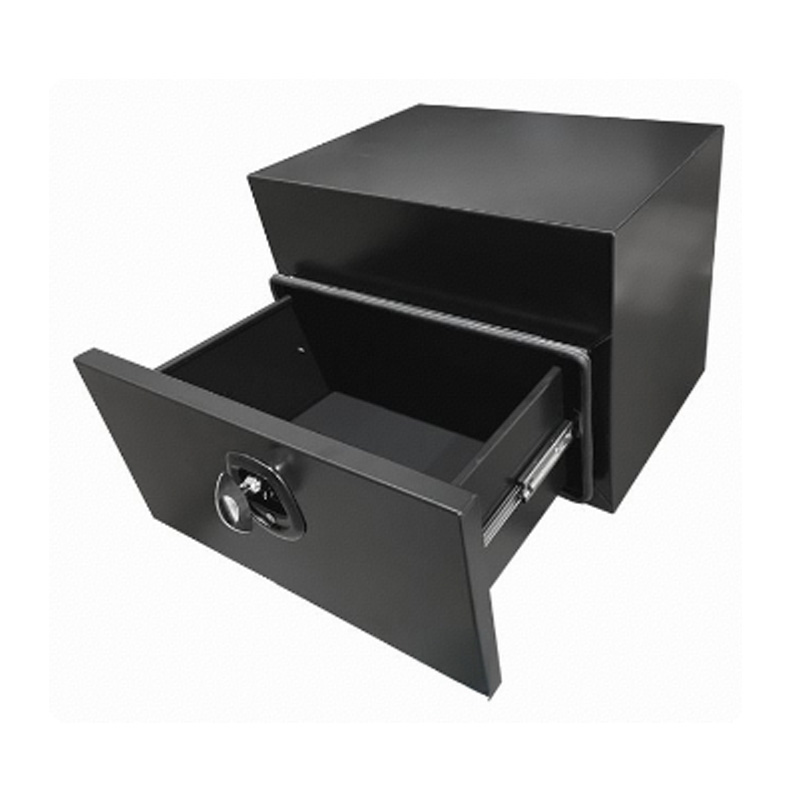 600 x 500 x 500mm Black Aluminium Under Tray Slide Drawer Body Tool box Truck Storage ToolboxThickness:...
 -
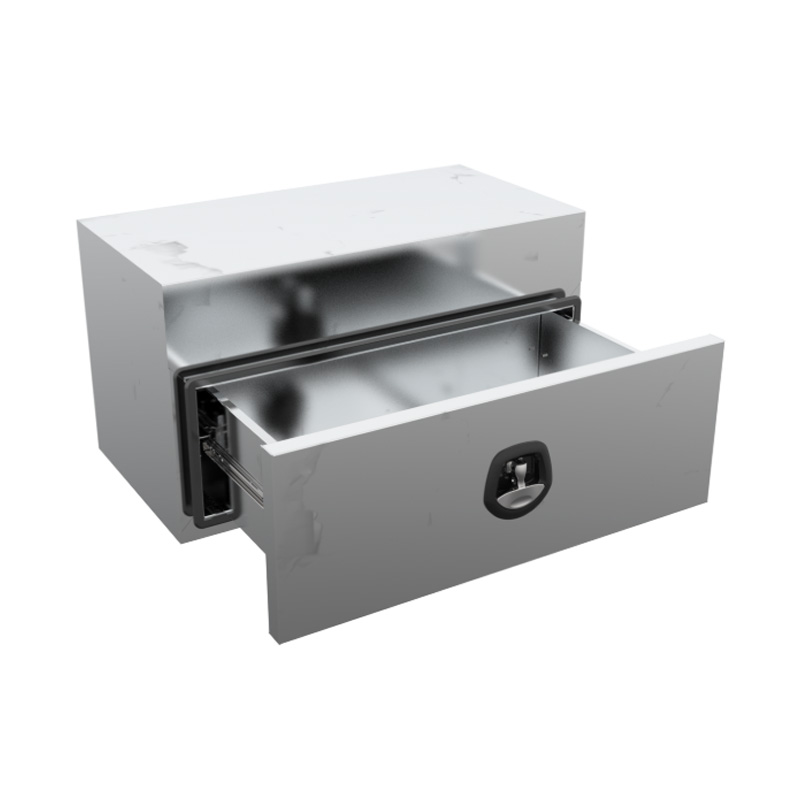 900 x 500 x 500mm Raw Flat Aluminium Under Tray Slide Drawer Body Tool box Truck Storage ToolboxThickness:...
 -
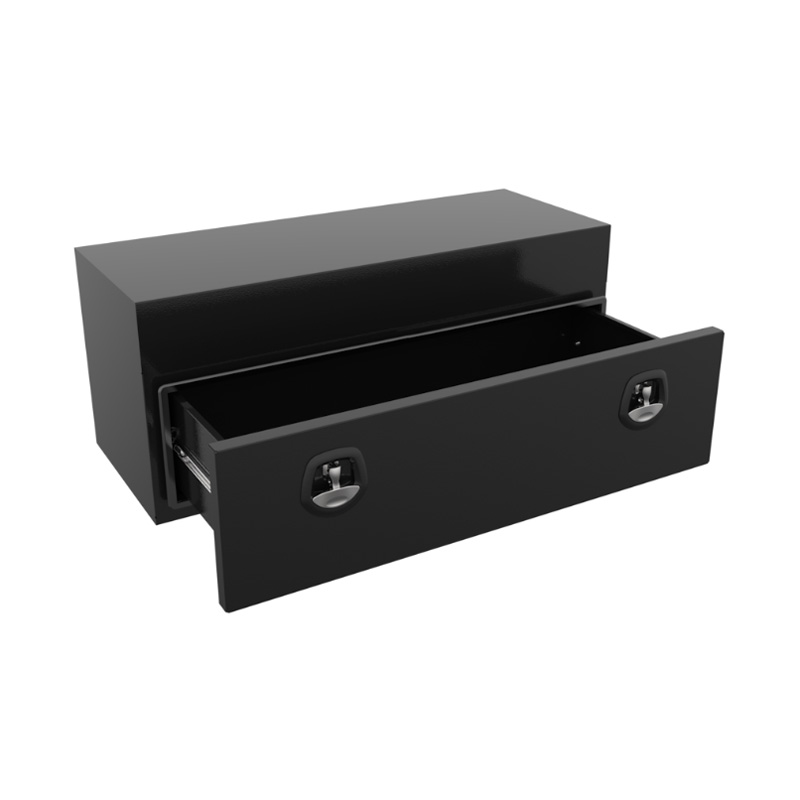 1200 x 500 x 500mm Black Aluminium Under Tray Slide Drawer Body Tool box Truck Storage ToolboxThickness:...
-
-
Trundle-Trays
>
-
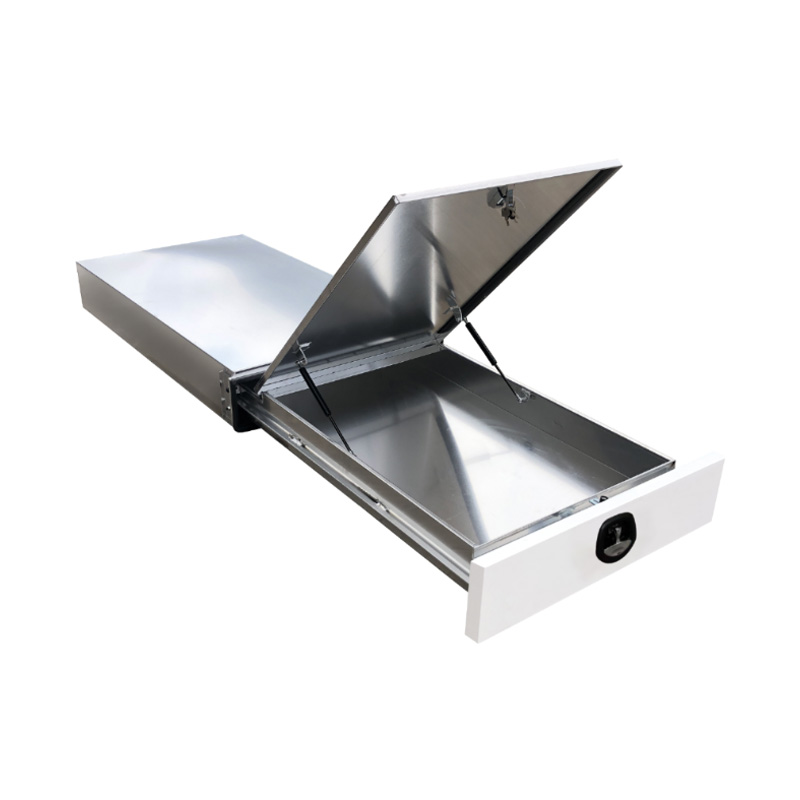 1.4m Aluminium Ute Tool box Under Tray Toolbox Trundle Roller Tray Slide Out Drawer Toolbox Benchtop LidThickness:...
 -
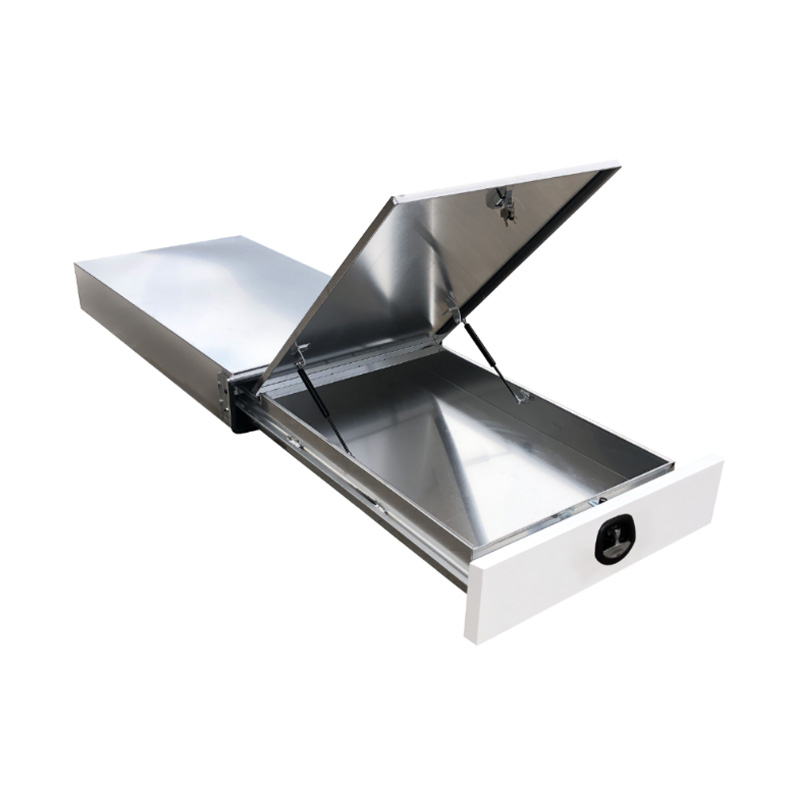 1.6m Aluminium Ute Tool box Under Tray Toolbox Trundle Roller Tray Slide Out Drawer Toolbox Benchtop LidThickness:...
 -
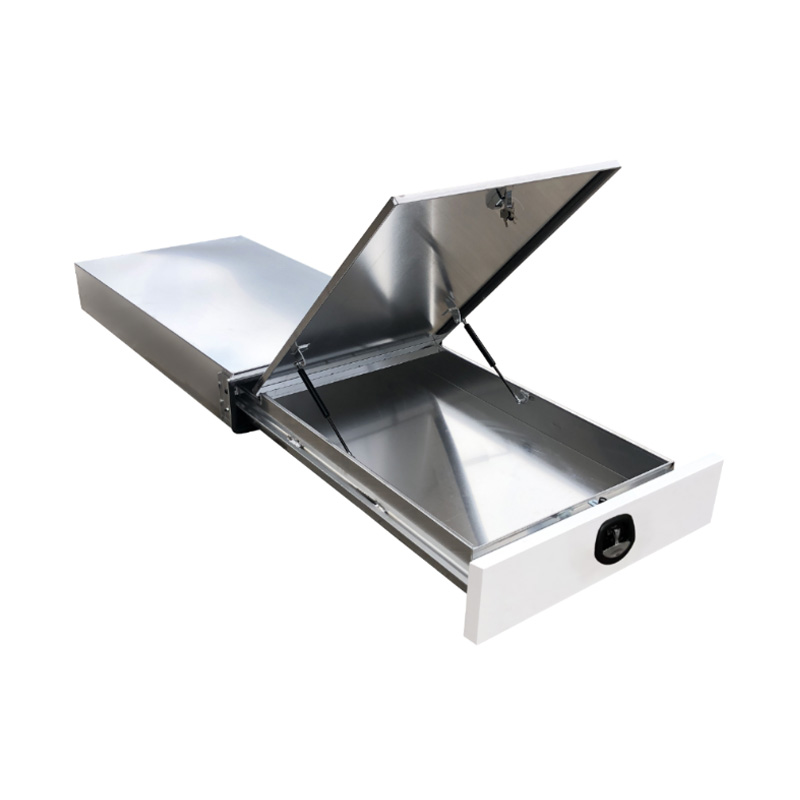 1.7m Aluminium Ute Tool box Under Tray Toolbox Trundle Roller Tray Slide Out Drawer Toolbox Benchtop LidThickness:...
-
- Under Tray Water Tanks >
-
Ute Under Tray Toolboxes
>
-
Top Opening Toolboxes
>
-
Rectangle Ute Toolbox
>
-
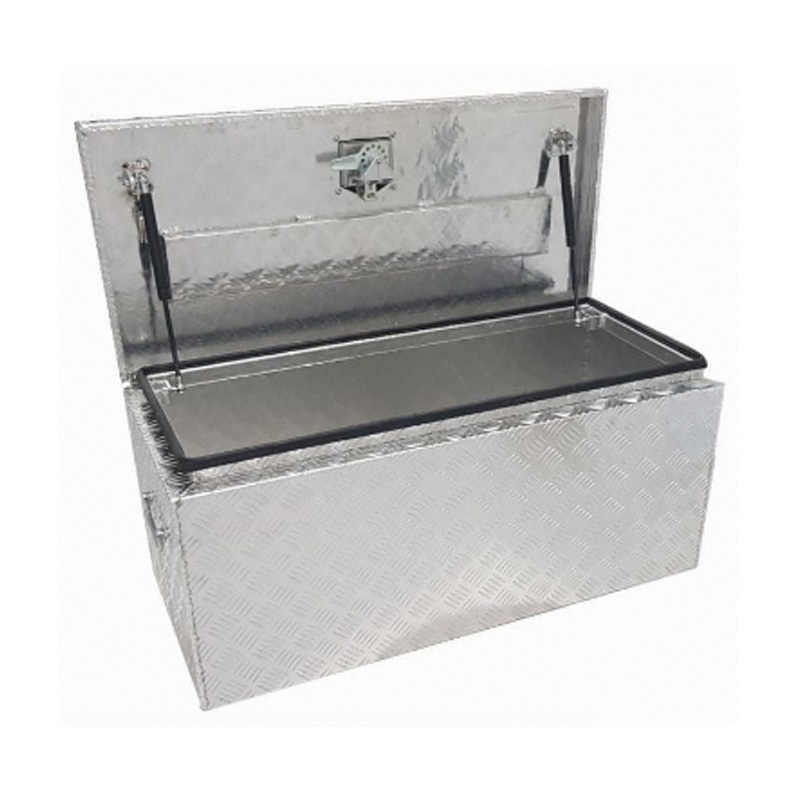 900 x 400 x 400mm Aluminium Checker Top Opening Ute Tool box 4 Your Truck Ute Trailer Toolbox & CanopyThickness:...
 -
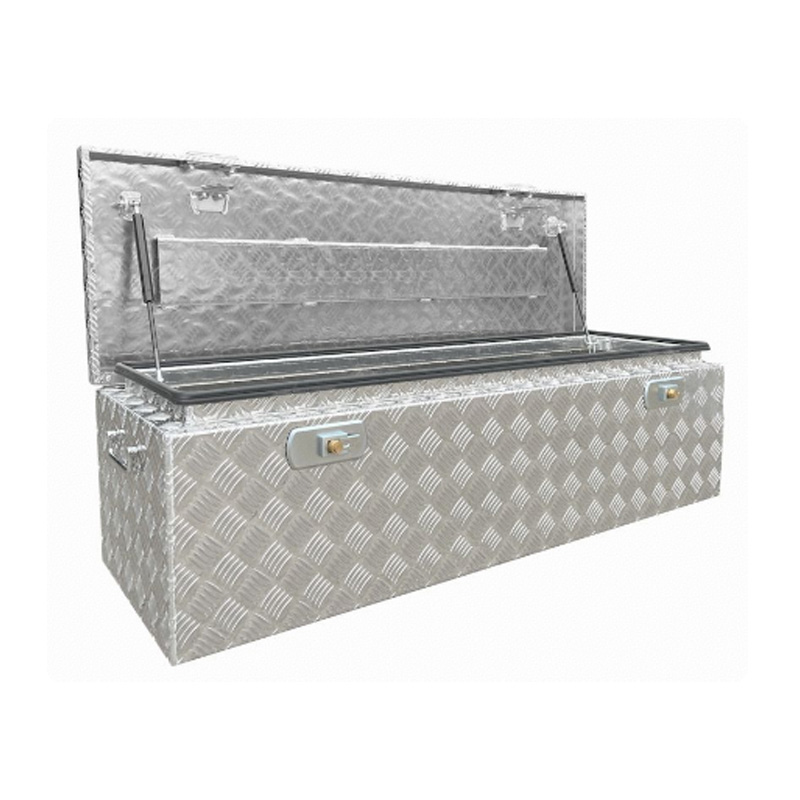 1220 x 400 x 350mm Aluminium Top Opening Ute Tool box 4 Your Truck Ute Trailer Toolbox & CanopyThickness:...
 -
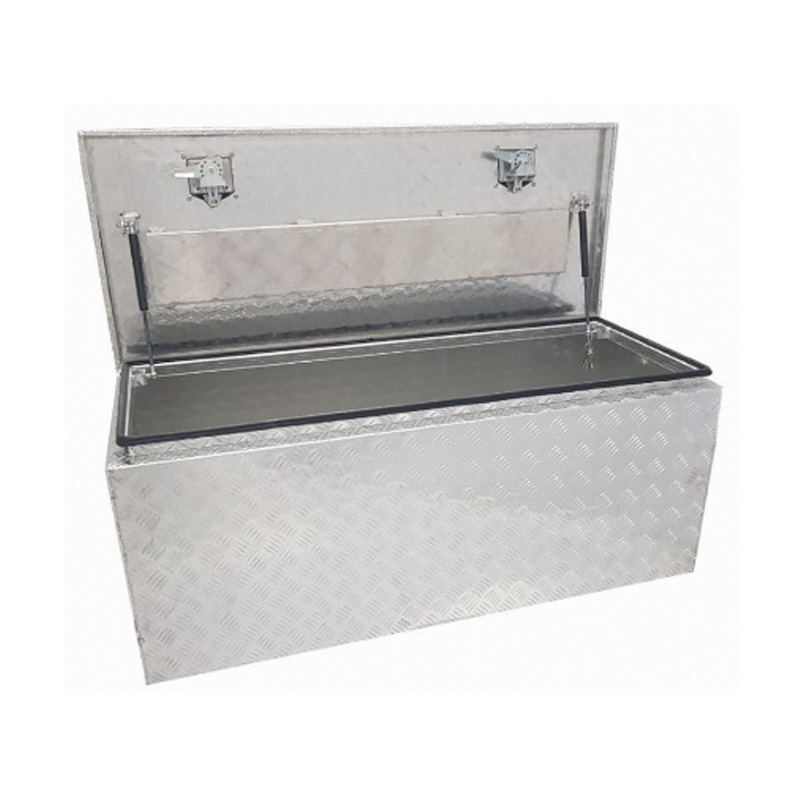 1220 x 500 x 500mm Aluminium Top Opening Ute Tool box 4 Your Truck Ute Trailer Toolbox & Canopy 1255Thickness:...
 -
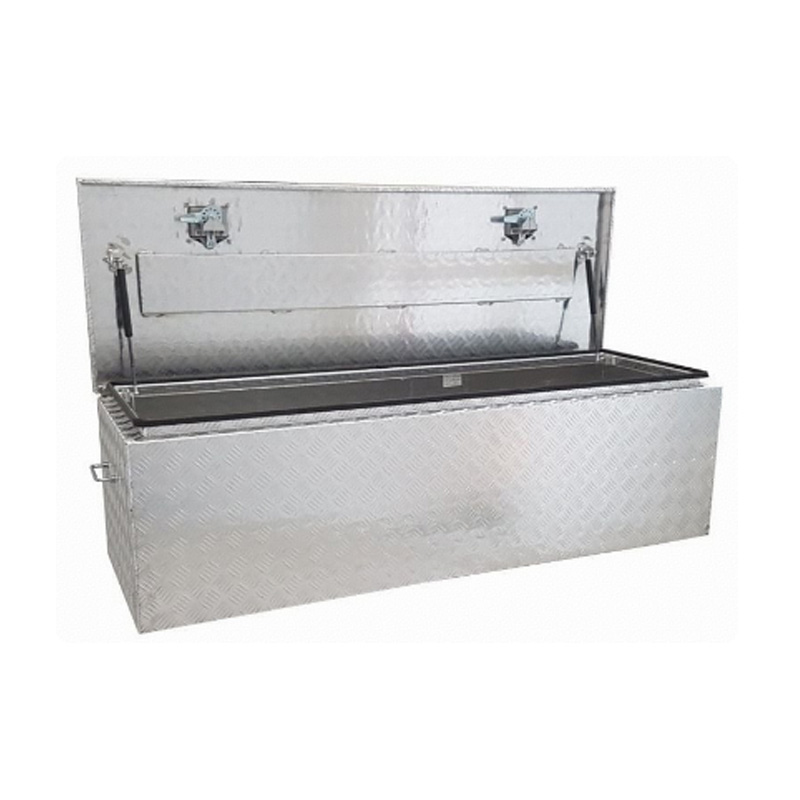 1500 x 500 x 450mm Aluminium Checker Top Opening Ute Tool box 4 Your Truck Ute Trailer Toolbox & CanopyThickness:...
 -
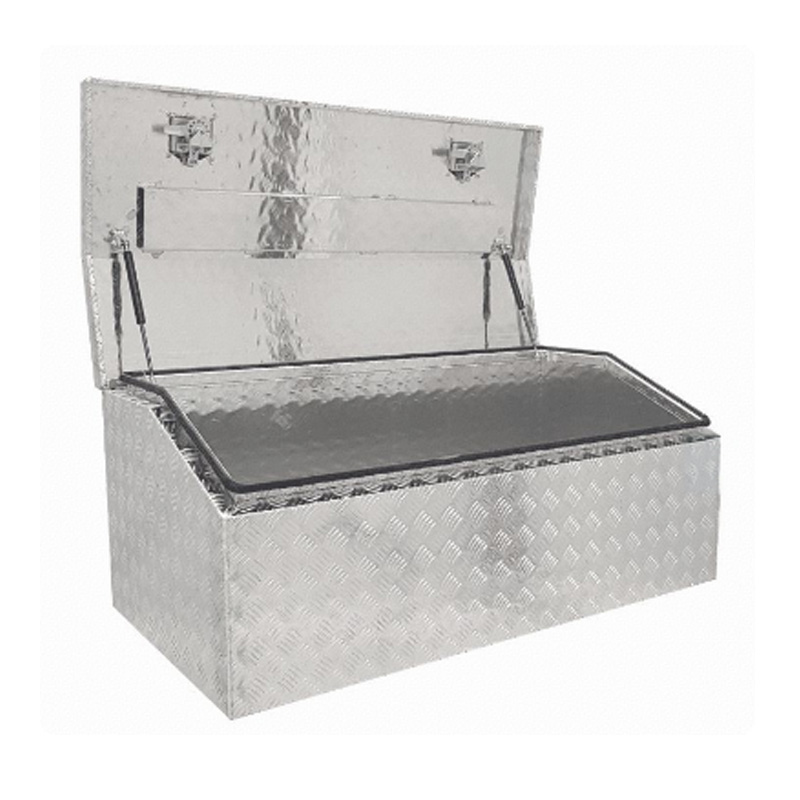 1200 x 600 x 500mm Aluminium Top Chest Opening Ute Tool box 4 Your Truck Ute Trailer Toolbox & Canopy(Chest Style)Thickness:...
 -
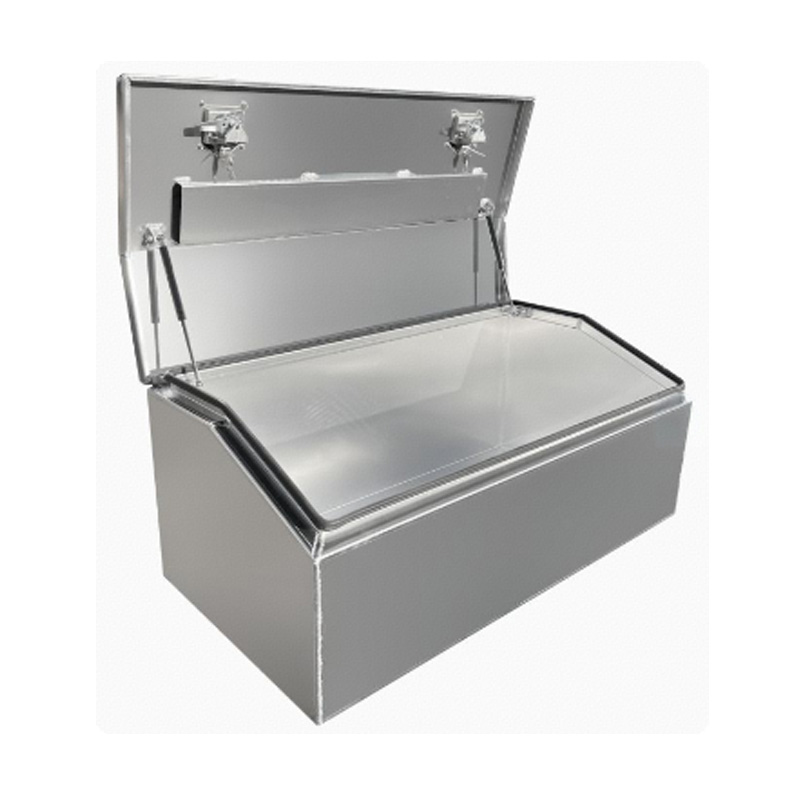 1400 x 600 x 500mm Aluminium Top Chest Opening Ute Tool box 4 Your Truck Ute Trailer Toolbox & CanopyThickness:...
 -
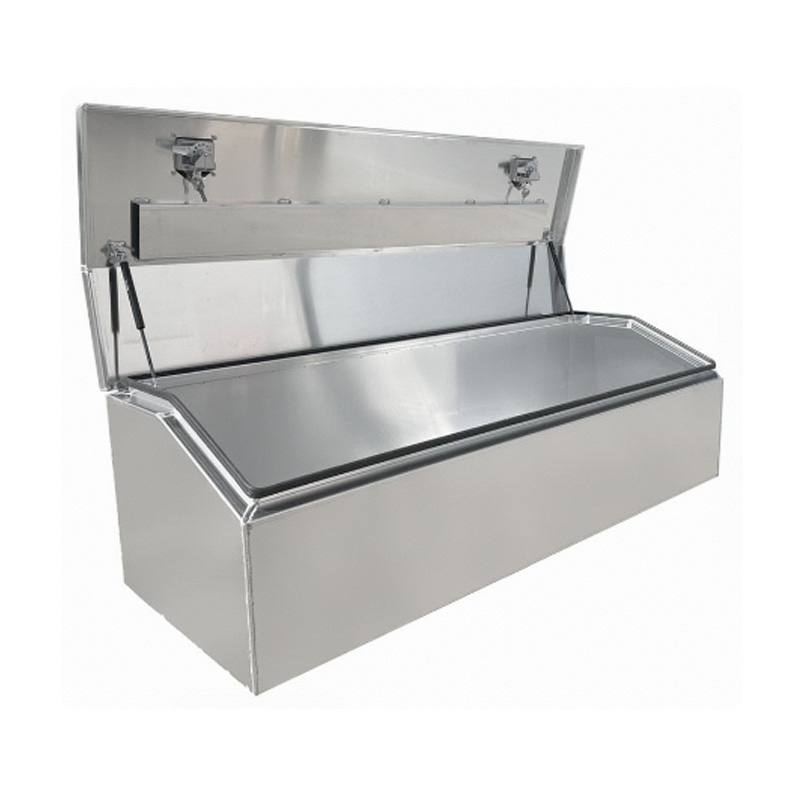 1700 x 600 x 500mm Aluminium Top Chest Opening Ute Tool box 4 Your Truck Ute Trailer Toolbox & CanopyThickness:...
 -
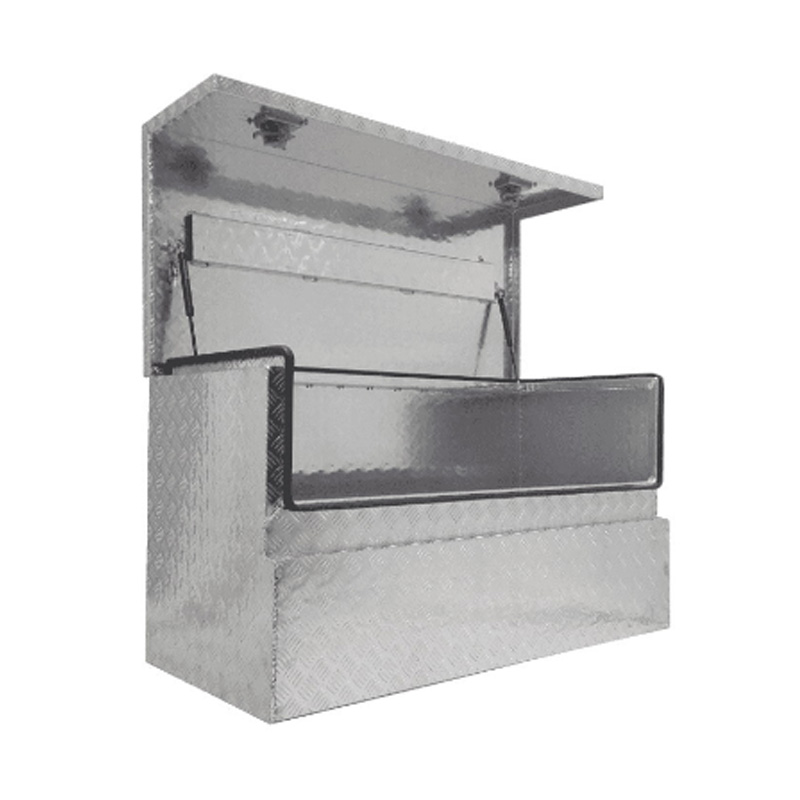 1200 x 600 x 700mm Aluminium Checker Tool Box Ute Truck Fridge Trailer 3/4 Angle Storage ToolboxThickness:...
 -
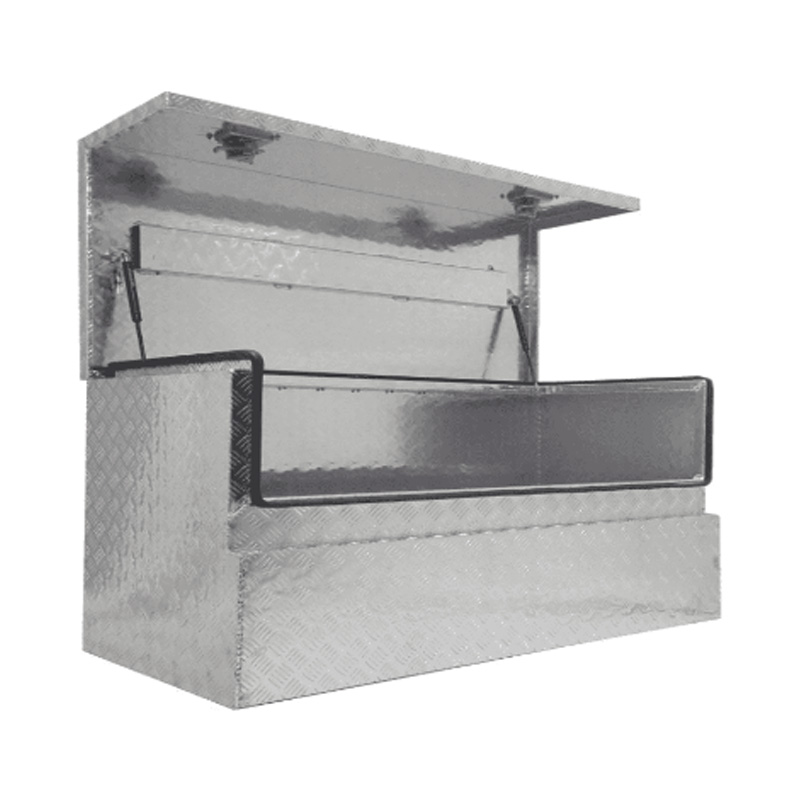 1400 x 600 x 700mm Aluminium Checker Tool Box Ute Truck Fridge Trailer 3/4 Angle Storage ToolboxThickness:...
 -
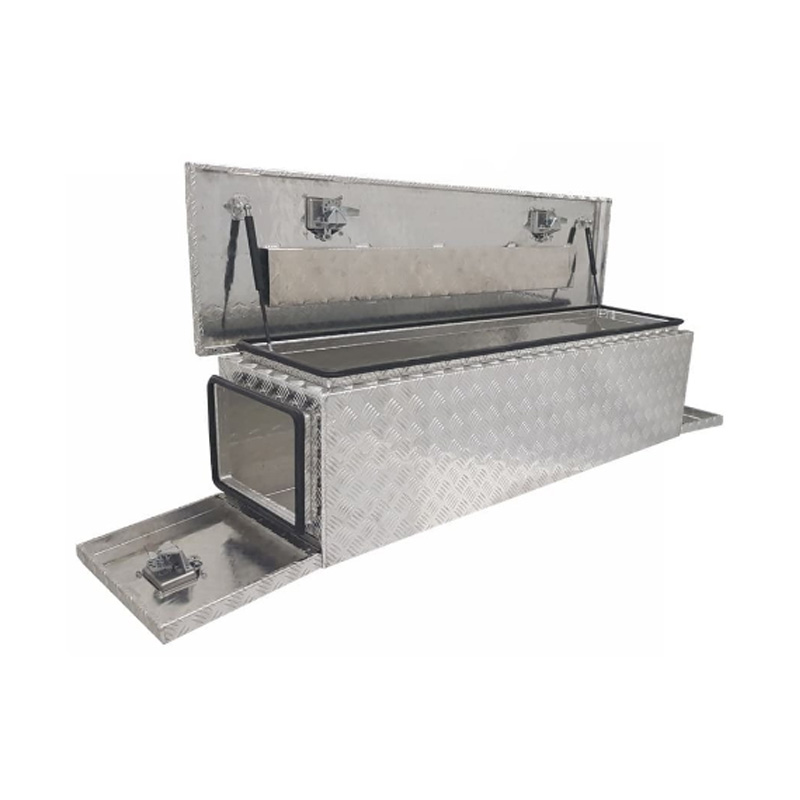 1500 x 400 x 400mm Aluminium Checker 3 Lid Ute Toolbox Trailer Camping Camper Caravan Truck Tool BoxThickness:...
 -
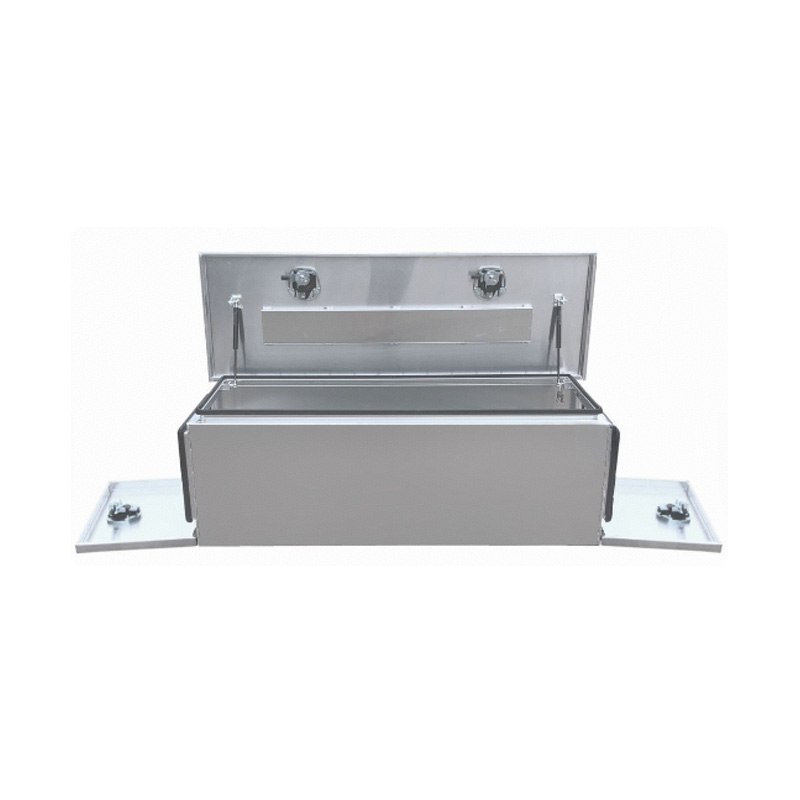 1500 x 500 x 500mm Raw Flat Aluminium 3 Lid Ute Toolbox Trailer Camping Camper Caravan Truck Tool BoxThickness:...
 -
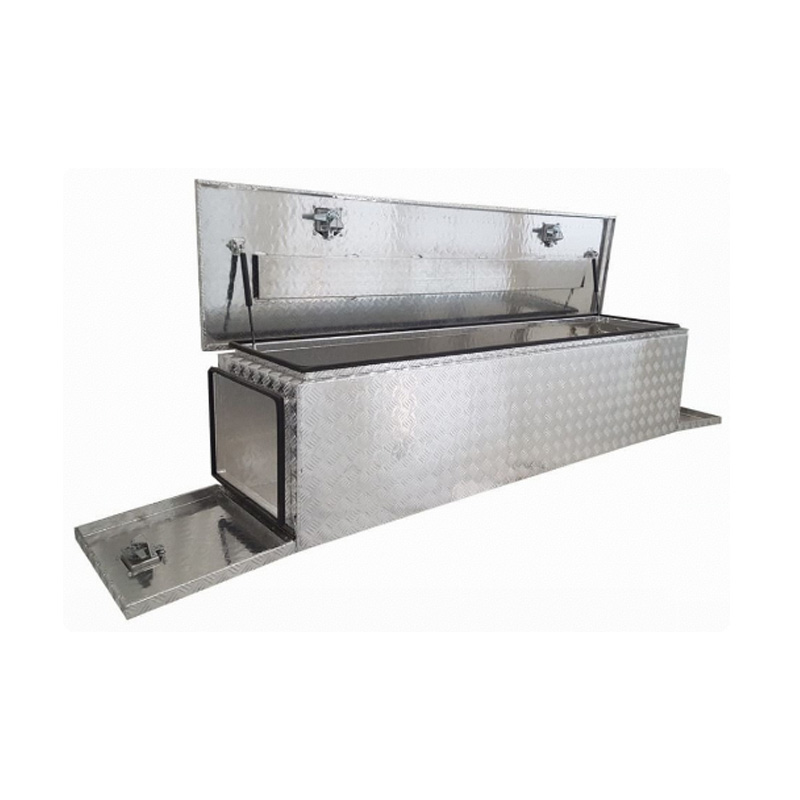 2000 x 500 x 500mm Aluminium 3 Lid Ute Toolbox Trailer Camping Camper Caravan Truck Tool BoxThickness:...
-
-
Chest Style Ute Toolbox
>
-
1500 x 500 x 450mm Aluminium Checker Top Opening Ute Tool box 4 Your Truck Ute Trailer Toolbox & CanopyThickness:...
-
1200 x 600 x 500mm Aluminium Top Chest Opening Ute Tool box 4 Your Truck Ute Trailer Toolbox & Canopy(Chest Style)Thickness:...
-
1400 x 600 x 500mm Aluminium Top Chest Opening Ute Tool box 4 Your Truck Ute Trailer Toolbox & CanopyThickness:...
-
- Tub Liner Ute Toolbox >
- Job Site Toolbox >
-
Camper Ute Toolbox
>
-
1500 x 400 x 400mm Aluminium Checker 3 Lid Ute Toolbox Trailer Camping Camper Caravan Truck Tool BoxThickness:...
-
1500 x 500 x 500mm Raw Flat Aluminium 3 Lid Ute Toolbox Trailer Camping Camper Caravan Truck Tool BoxThickness:...
-
2000 x 500 x 500mm Aluminium 3 Lid Ute Toolbox Trailer Camping Camper Caravan Truck Tool BoxThickness:...
-
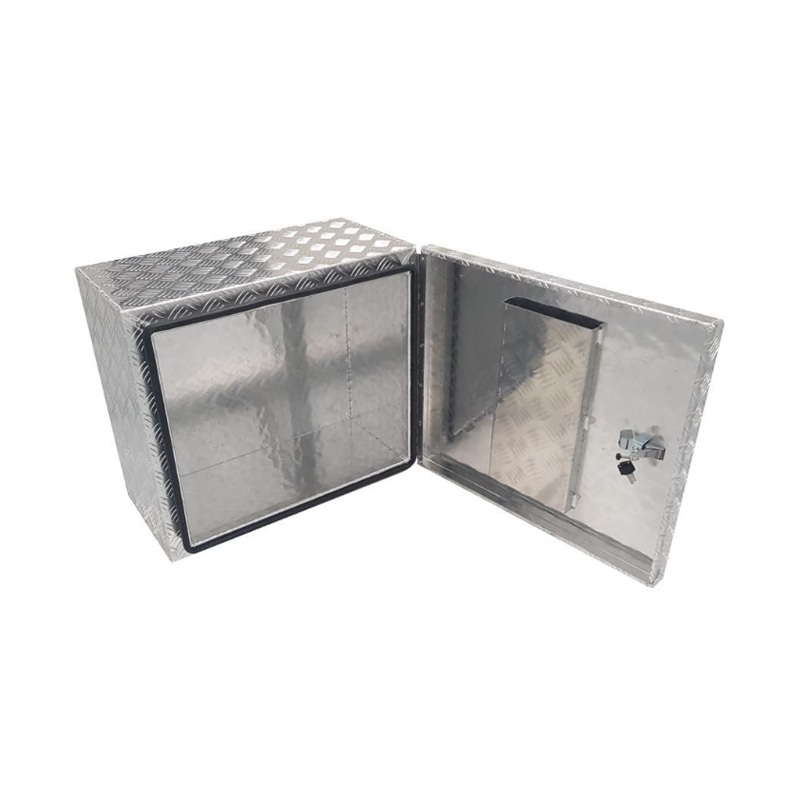 610 x 330 x 540mm Aluminium Checker Ute Toolbox Trailer Camper Caravan Generator Tool Box for Honda 2kvaThickness:...
 -
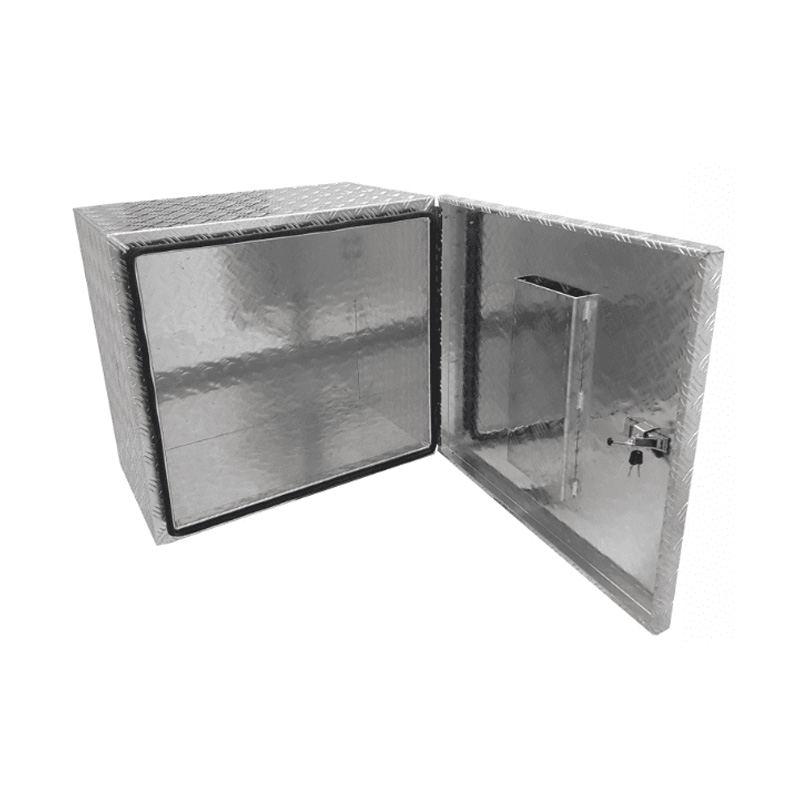 700 x 450 x 650mm Aluminium Checker Ute Toolbox Trailer Camper Caravan Generator Tool BoxThickness:...
 -
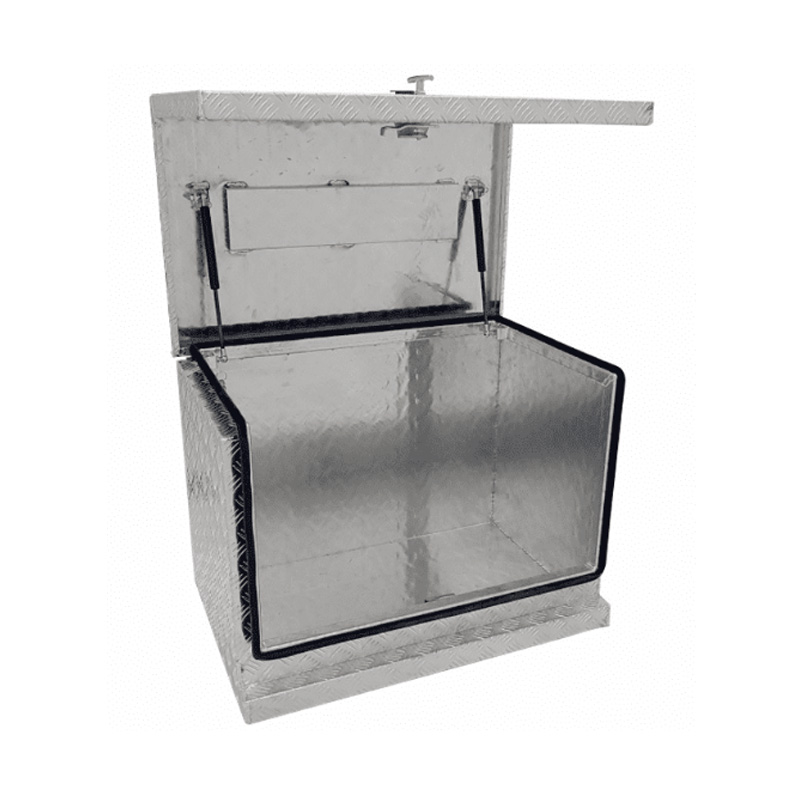 760 x 500 x 560mm Aluminium Checker Ute Toolbox Trailer Camper Caravan Generator Tool BoxThickness:...
 -
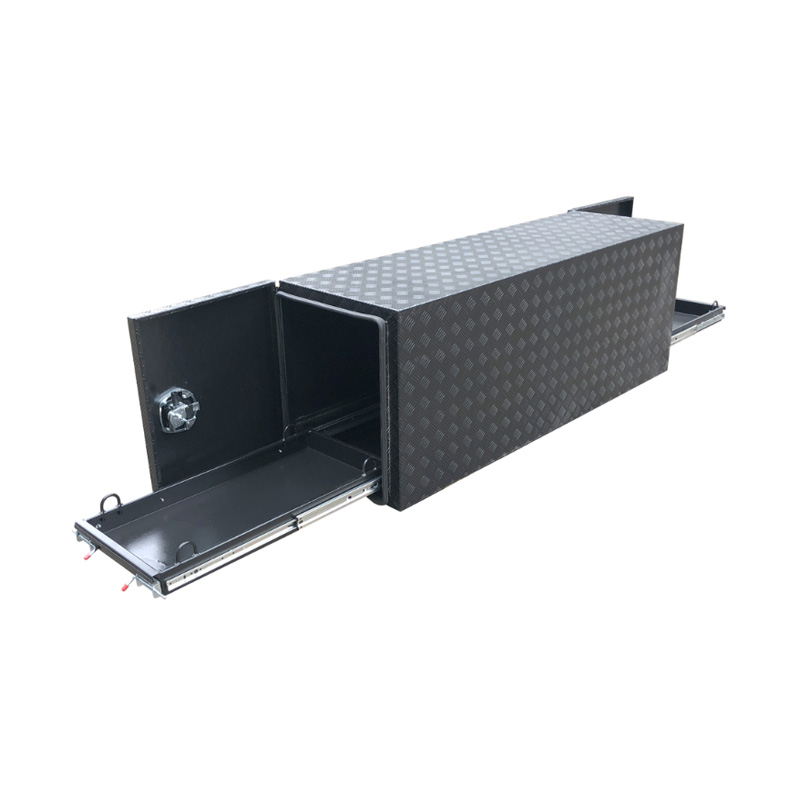 1700 x 550 x 610mm Black Aluminium Checker Ute Truck Tool Box Fridge Slide & Webber BBQ Slide Camper ToolboxThickness:...
 -
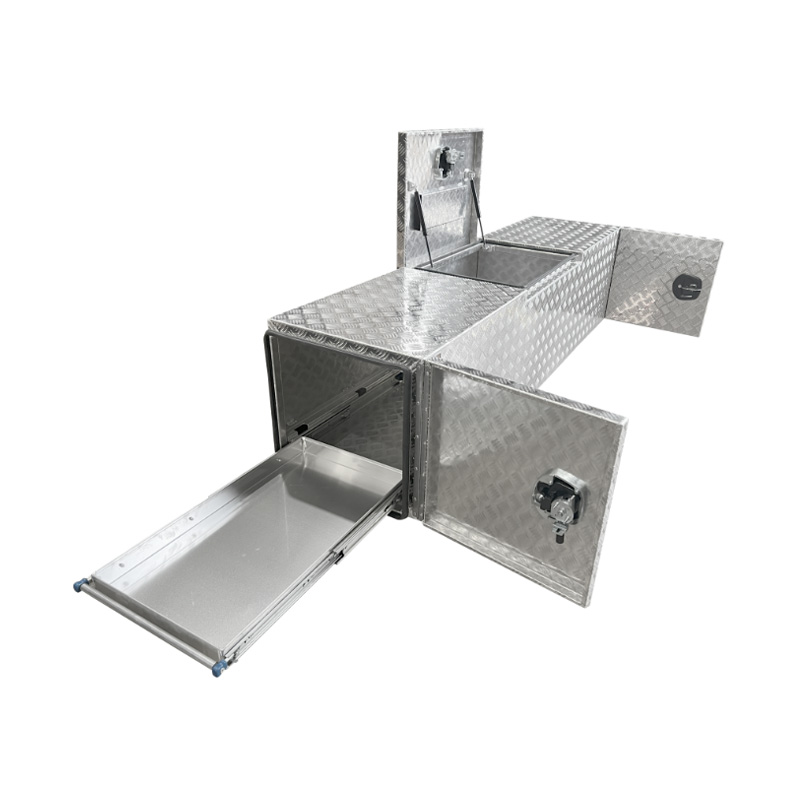 2200 x 550 x 550mm Aluminium 3 Lid Slides BBQ Generator Camper ToolboxThickness:...
 -
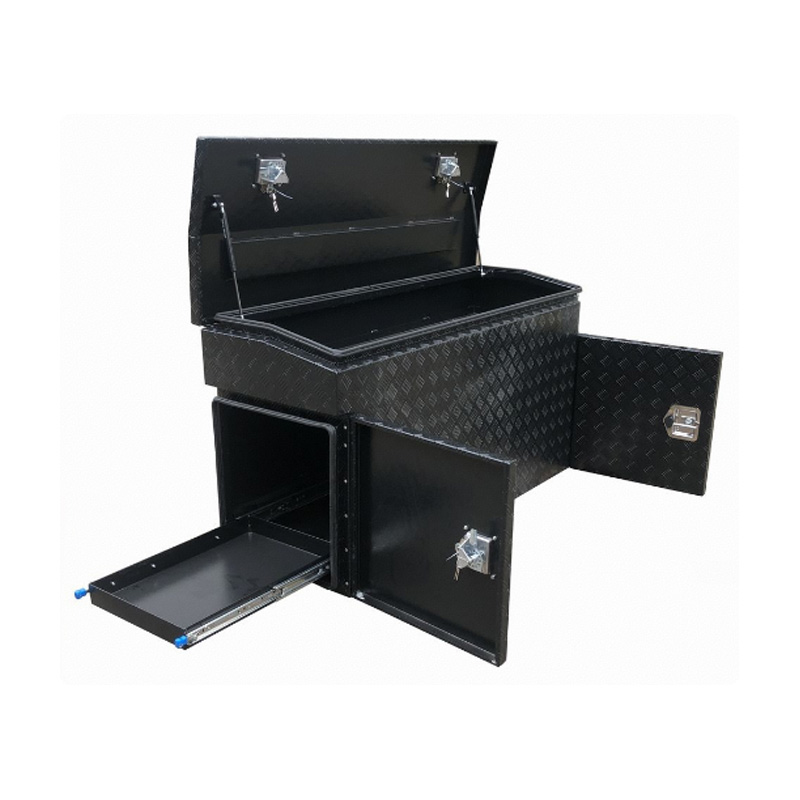 1400 x 550 x 800mm Black Aluminium Checker Ute Toolbox Webber BBQ & Fridge Slide Camper Caravan Canopy Tool BoxThickness:...
 -
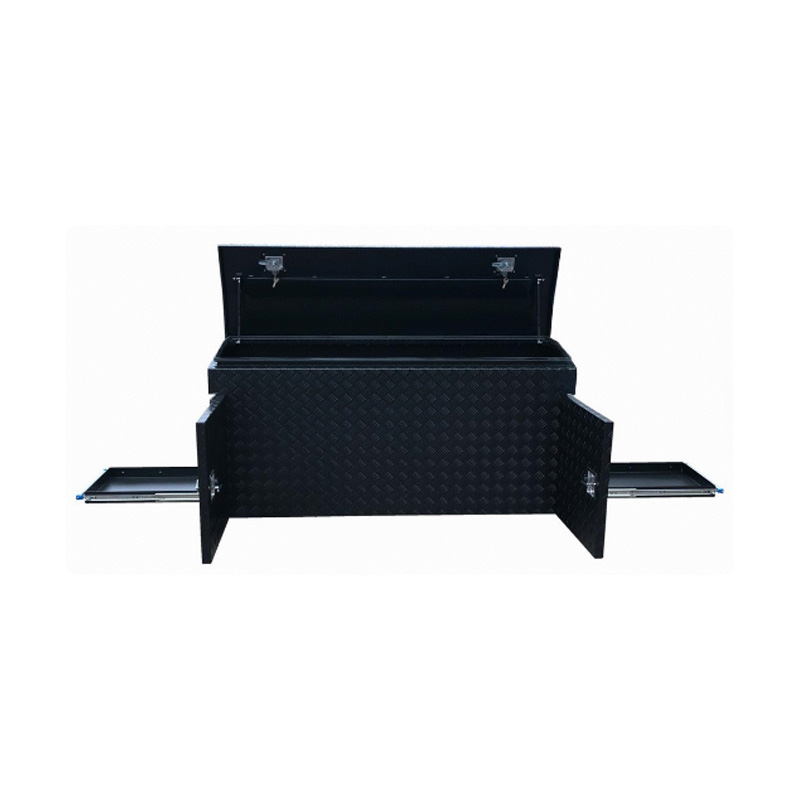 1700 x 550 x 800mm Black Aluminium Checker Ute Toolbox Webber BBQ & Fridge Slide Camper Caravan Canopy Tool BoxThickness:...
 -
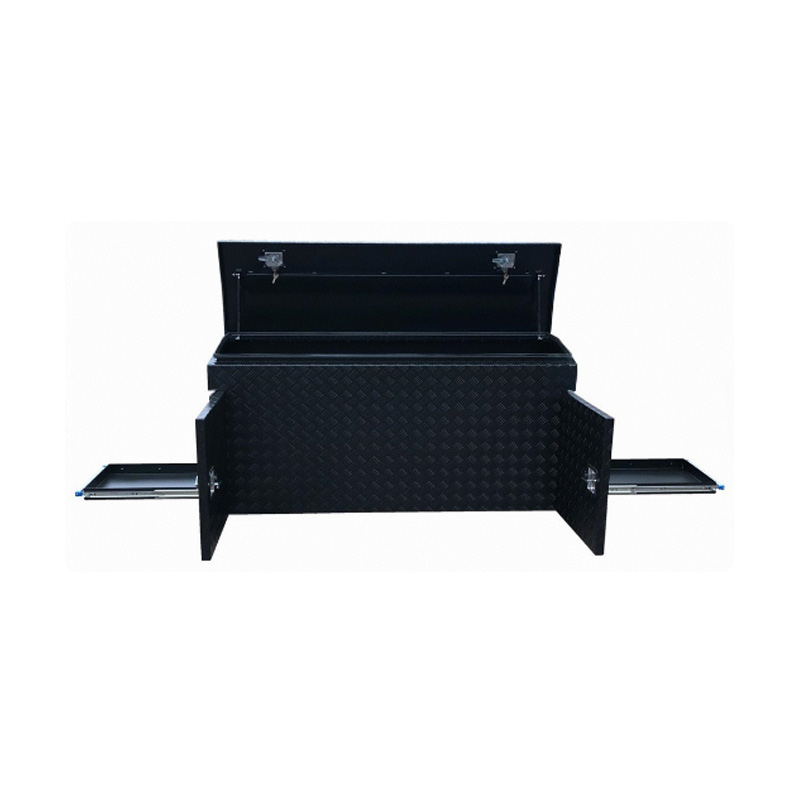 2000 x 550 x 800mm Black Aluminium Checker Ute Toolbox Webber BBQ & Fridge Slide Camper Caravan Canopy Tool BoxThickness:...
-
-
Cross Deck Gullwing
>
-
1500 x 500 x 500mm Raw Flat Aluminium 3 Lid Ute Toolbox Trailer Camping Camper Caravan Truck Tool BoxThickness:...
-
2000 x 500 x 500mm Aluminium 3 Lid Ute Toolbox Trailer Camping Camper Caravan Truck Tool BoxThickness:...
-
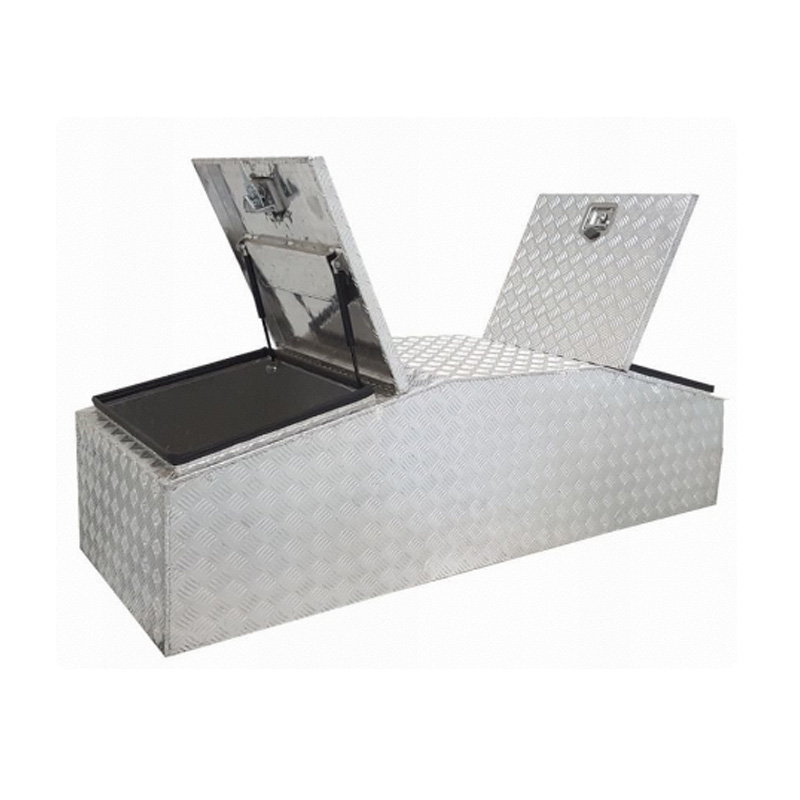 1770 x 600 x 500mm Aluminium Checker Sloped Top Gullwing Cross Deck Dual 2 Lid Ute Tool box 4 Your Truck Ute Trailer Toolbox & CanopyThickness:...
 -
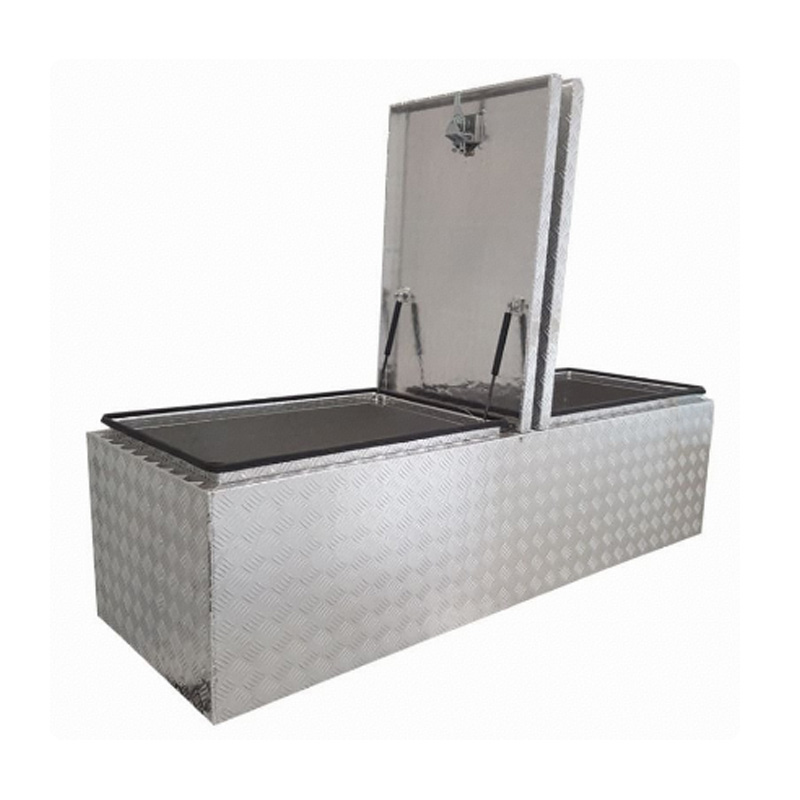 1770 x 600 x 500mm Aluminium Checker Flat Top Gullwing Cross Deck Dual 2 Lid Ute Tool box 4 Your Truck Ute Trailer Toolbox & CanopyThickness:...
-
-
Rectangle Ute Toolbox
>
-
Side Opening Toolboxes
>
-
Half Lid Opening Ute Toolbox
>
-
1200 x 600 x 700mm Aluminium Checker Tool Box Ute Truck Fridge Trailer 3/4 Angle Storage ToolboxThickness:...
-
1400 x 600 x 700mm Aluminium Checker Tool Box Ute Truck Fridge Trailer 3/4 Angle Storage ToolboxThickness:...
-
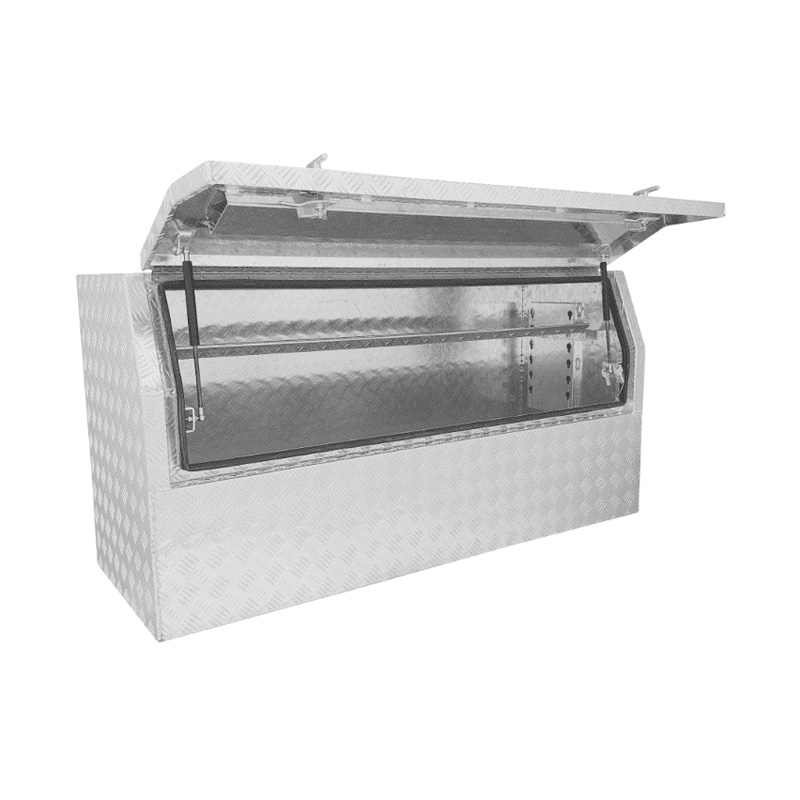 1400 x 500 x 700mm Aluminium Checker 3/4 Half Side Opening Ute Tool Box Truck Trailer Toolbox ShelvingxThickness:...
 -
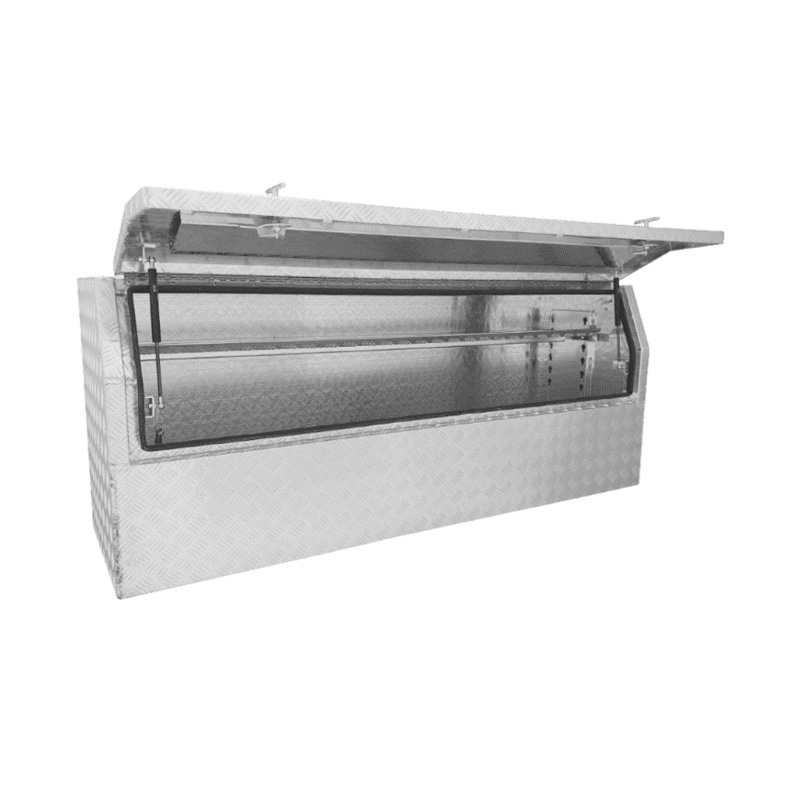 1700 x 500 x 700mm Aluminium Checker 3/4 Half Side Opening Ute Tool Box Truck Trailer Toolbox ShelvingThickness:...
 -
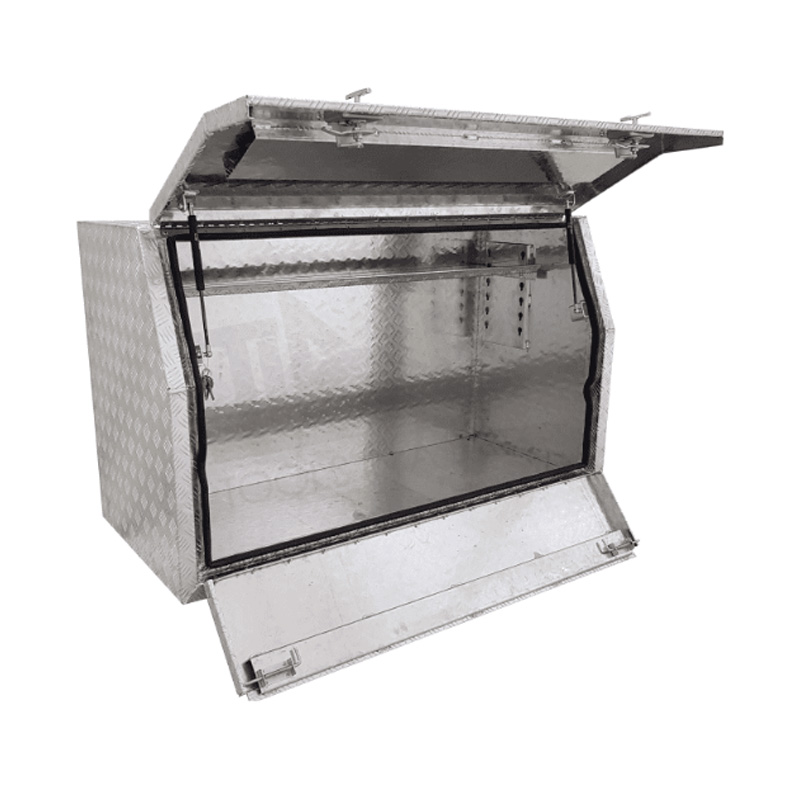 1400 x 600 x 820mm Aluminium Checker Full or Half Side Multi Lid Opening Ute Tool Box Truck Trailer Toolbox ShelvingThickness:...
 -
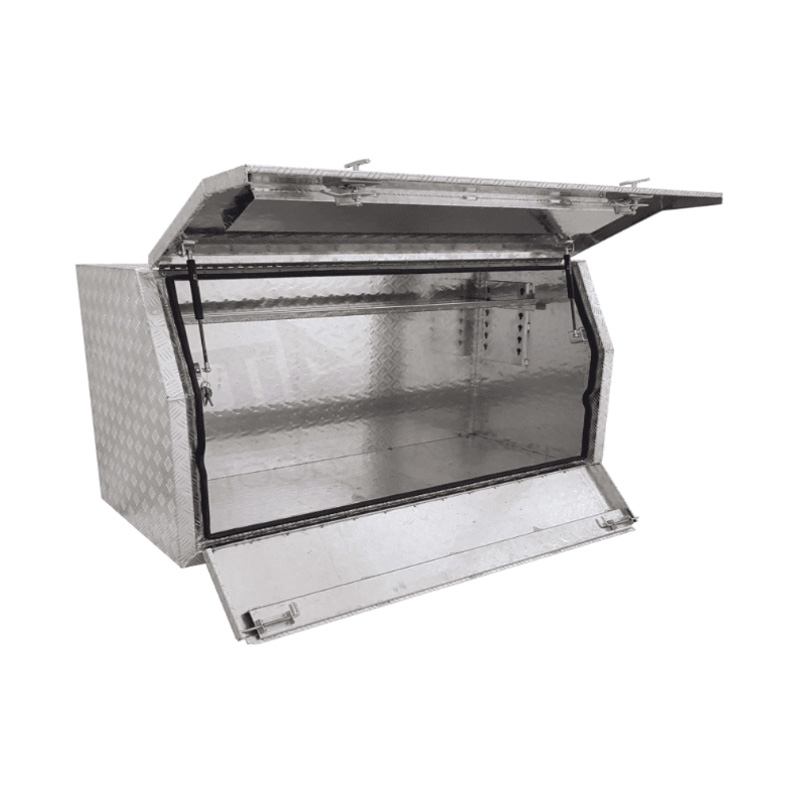 1700 x 600 x 820mm Aluminium Full or Half Side Multi Lid Opening Ute Tool Box Truck Trailer Toolbox ShelvingThickness:...
 -
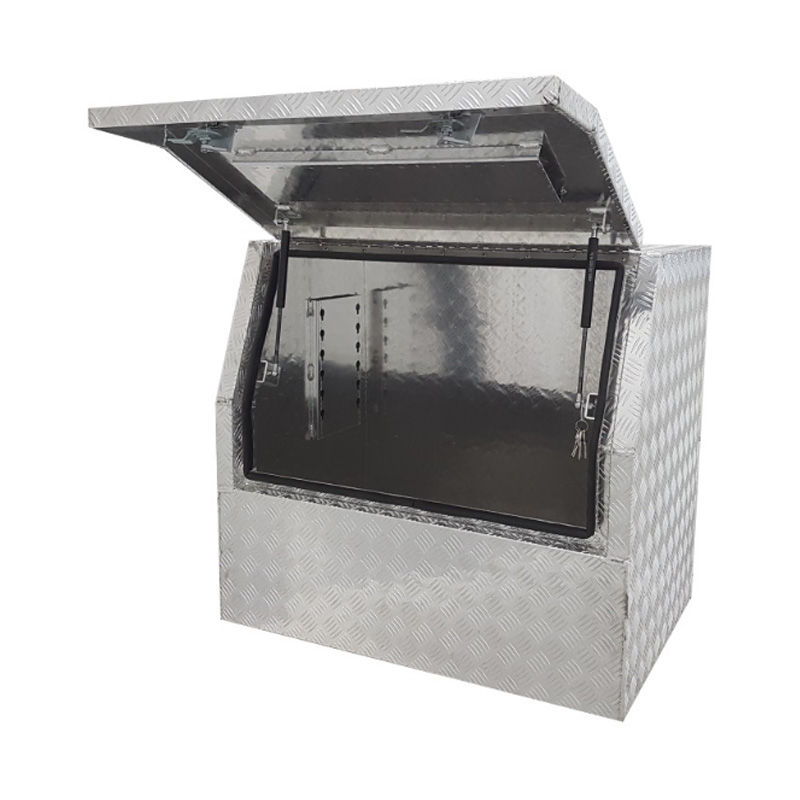 900 x 600 x 820mm Aluminium Checker 3/4 Half Side Opening Ute Tool Box Truck Trailer Toolbox ShelvingThickness:...
 -
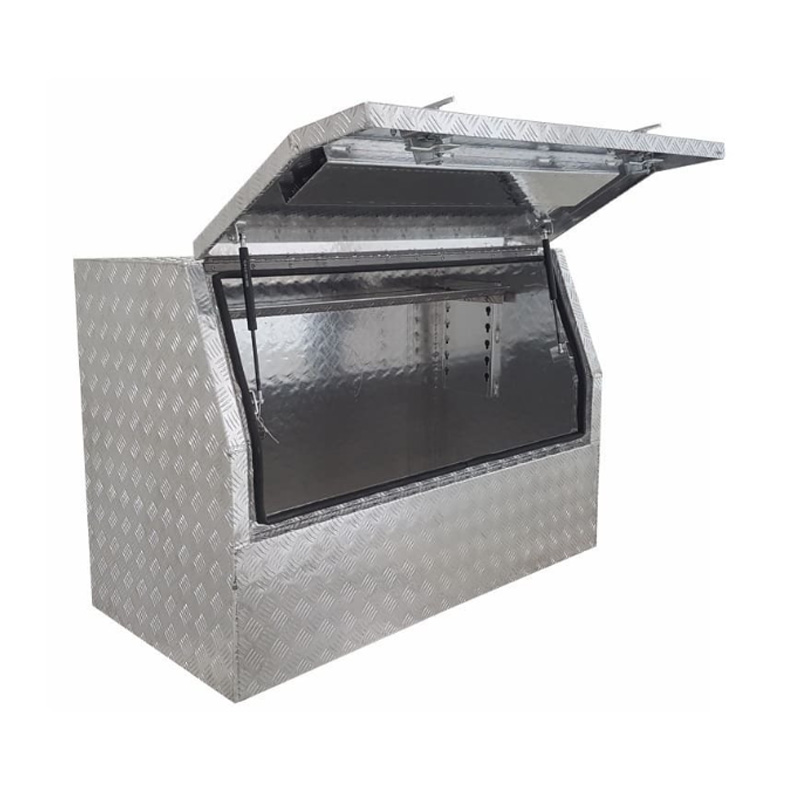 1200 x 600 x 820mm Aluminium Checker 3/4 Half Side Opening Ute Tool Box Truck Trailer Toolbox ShelvingThickness:...
 -
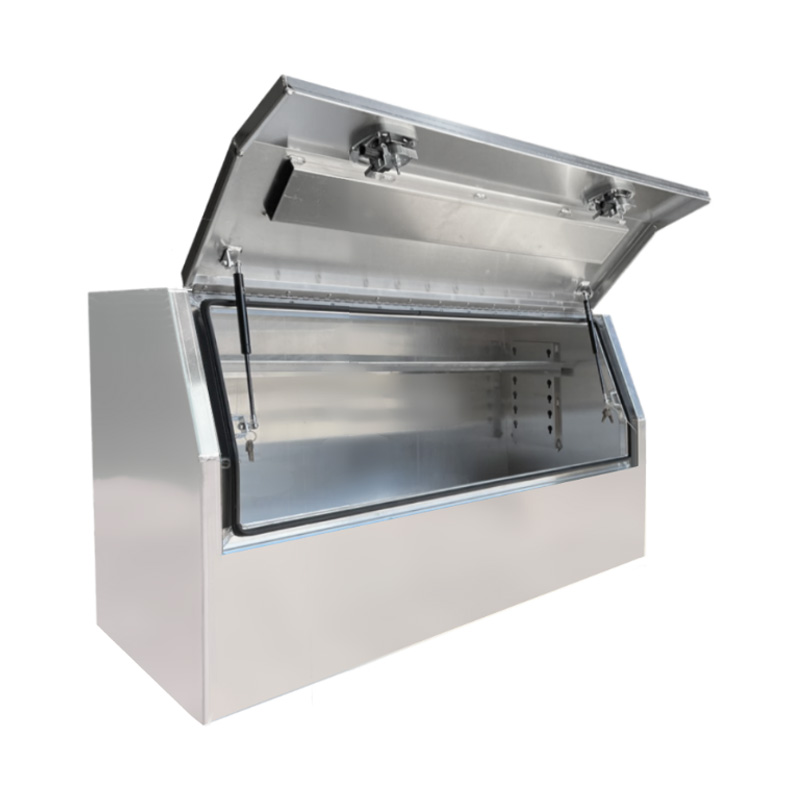 1400 x 600 x 820mm Aluminium 3/4 Half Side Opening Ute Tool Box Truck Trailer Toolbox ShelvingThickness:...
 -
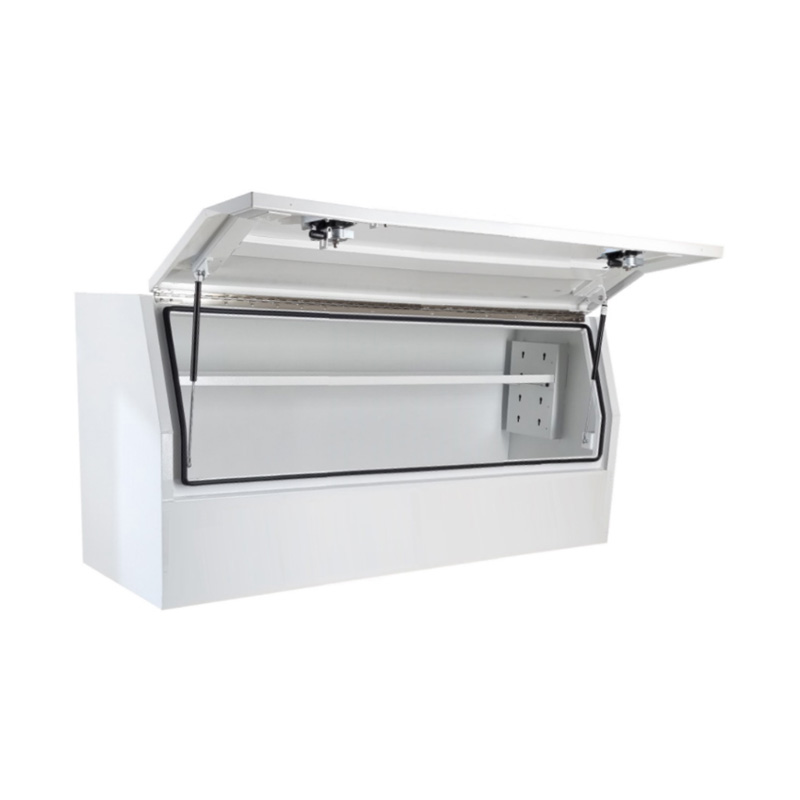 1700 x 600 x 820mm Aluminium 3/4 Half Side Opening Ute Tool Box Truck Trailer Toolbox ShelvingThickness:...
 -
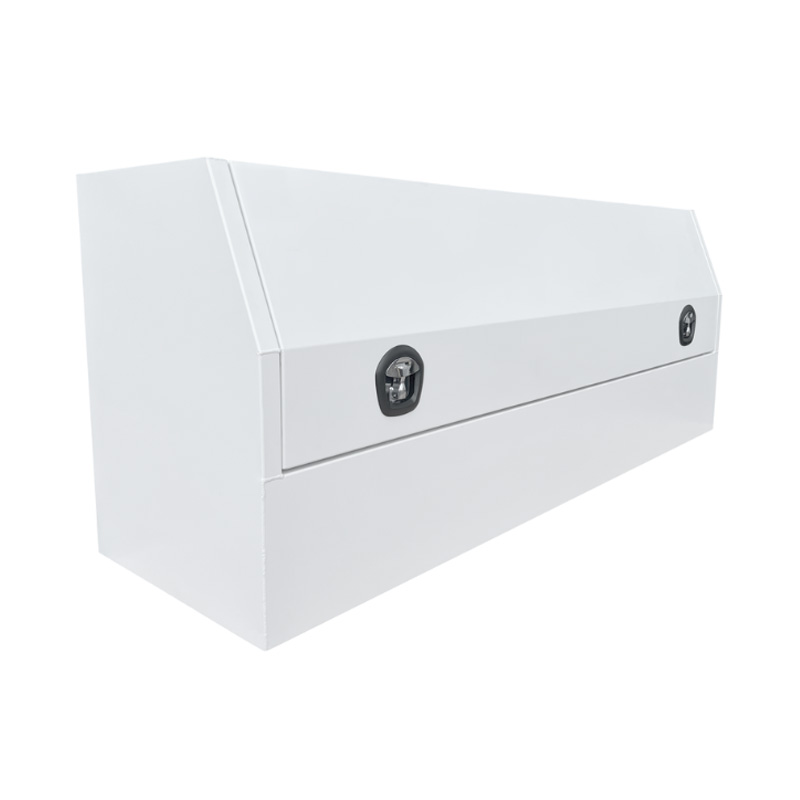 2100 x 600 x 820mm Aluminium 3/4 Half Side Opening Ute Tool Box Truck Trailer Toolbox ShelvingThickness:...
-
-
Half Lid Ute Toolbox With Drawers
>
-
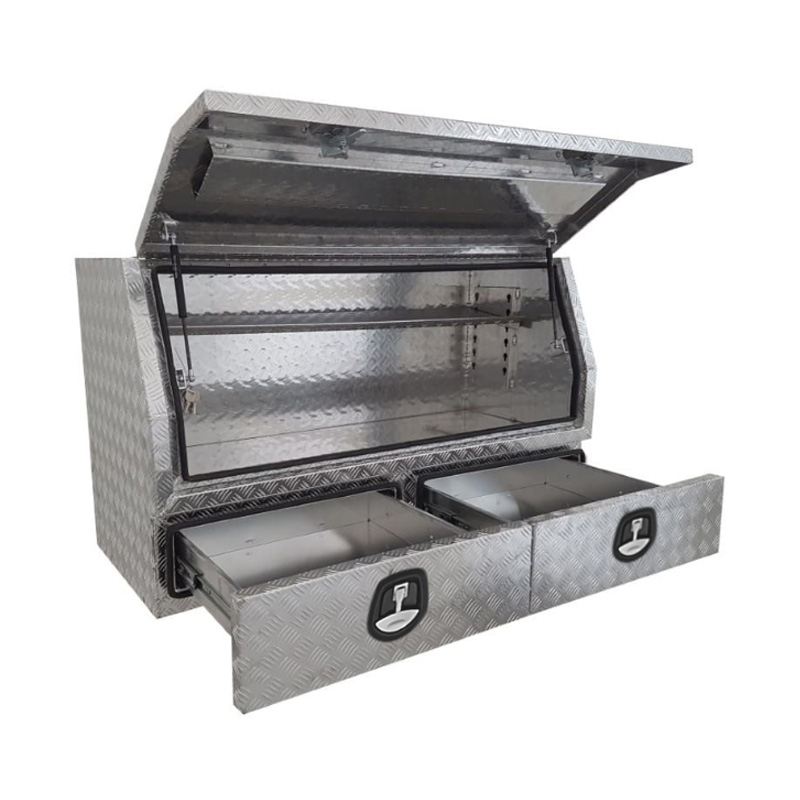 1500 x 600 x 820mm Aluminium Checker 3/4 Half Side Opening 2 Drawer Slide Ute Tool Box Truck Trailer Toolbox ShelvingThickness:...
 -
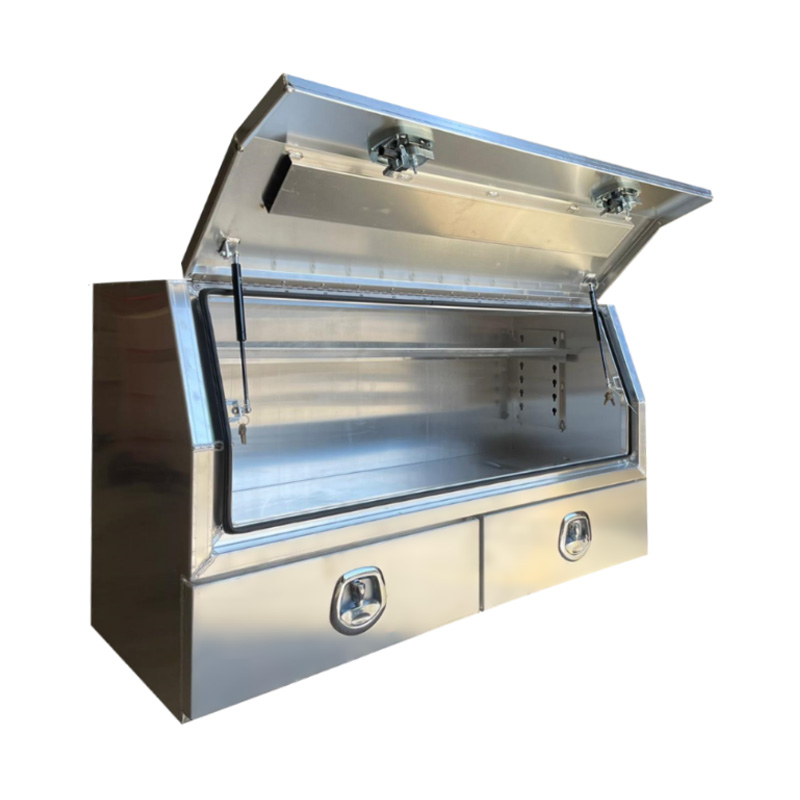 1400 x 600 x 820mm Aluminium 3/4 Half Side Opening 2 Drawer Slide Ute Tool Box Truck Trailer Toolbox ShelvingThickness:...
 -
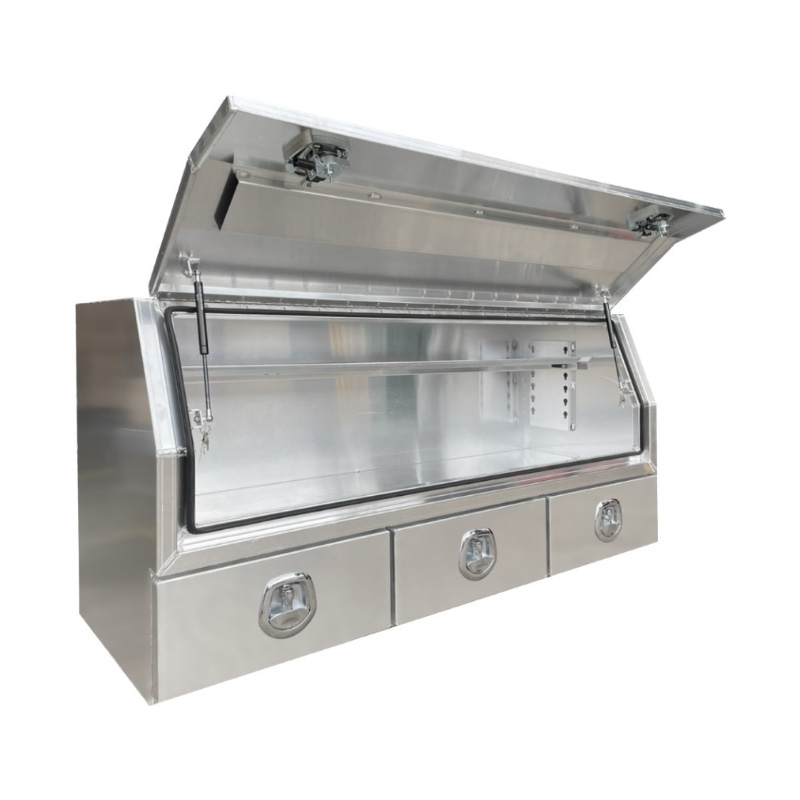 1700 x 600 x 820mm Aluminium 3/4 Half Side Opening 3 Drawer Slide Ute Tool Box Truck Trailer Toolbox ShelvingThickness:...
 -
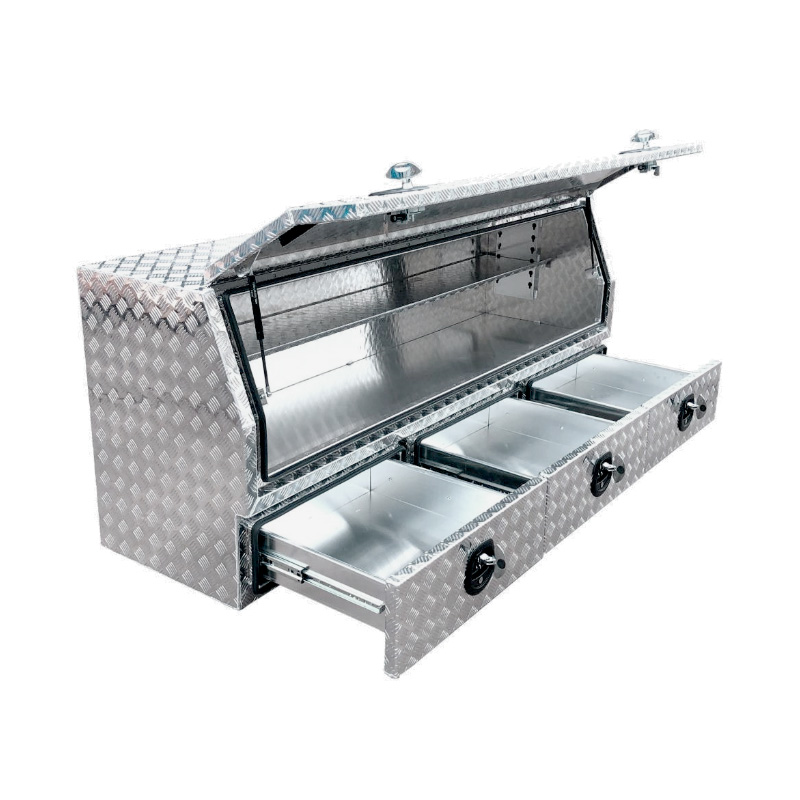 2100 x 600 x 820mm Aluminium 3/4 Half Side Opening 3 Drawer Slide Ute Tool Box Truck Trailer Toolbox ShelvingThickness:...
-
-
Full Lid Opening Ute Toolbox
>
-
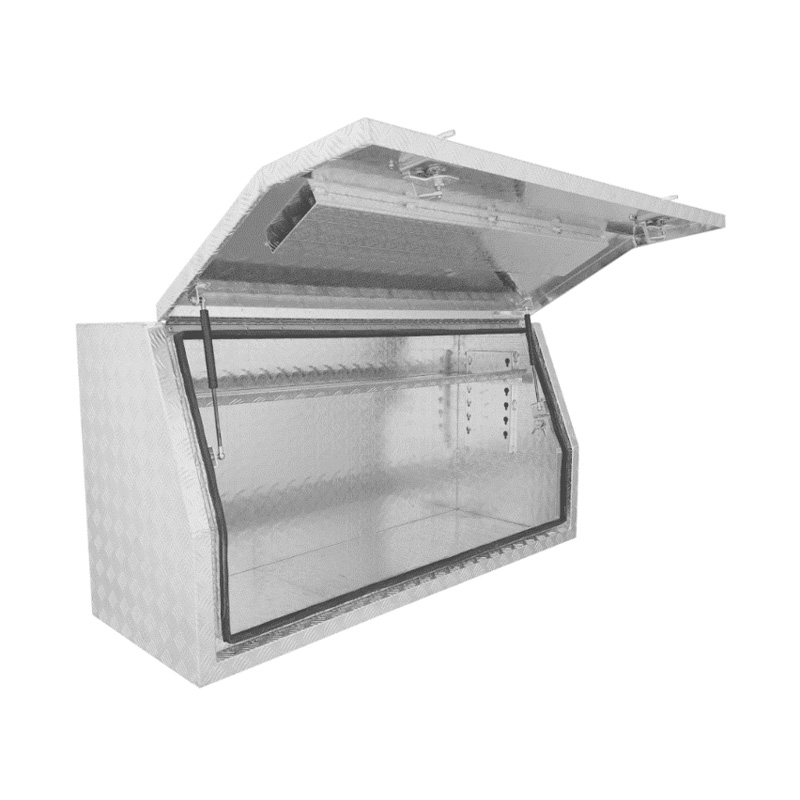 1400 x 500 x 700mm Aluminium Checker Full Side Opening Ute Tool Box Truck Trailer Toolbox ShelvingThickness:...
 -
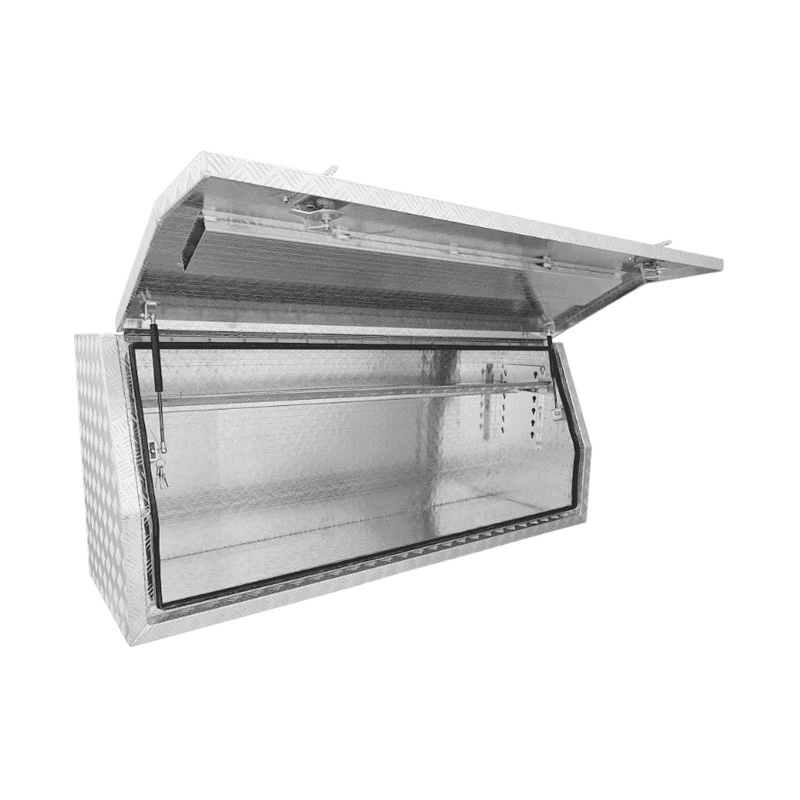 1700 x 500 x 700mm Aluminium Checker Full Side Opening Ute Tool Box Truck Trailer Toolbox ShelvingThickness:...
 -
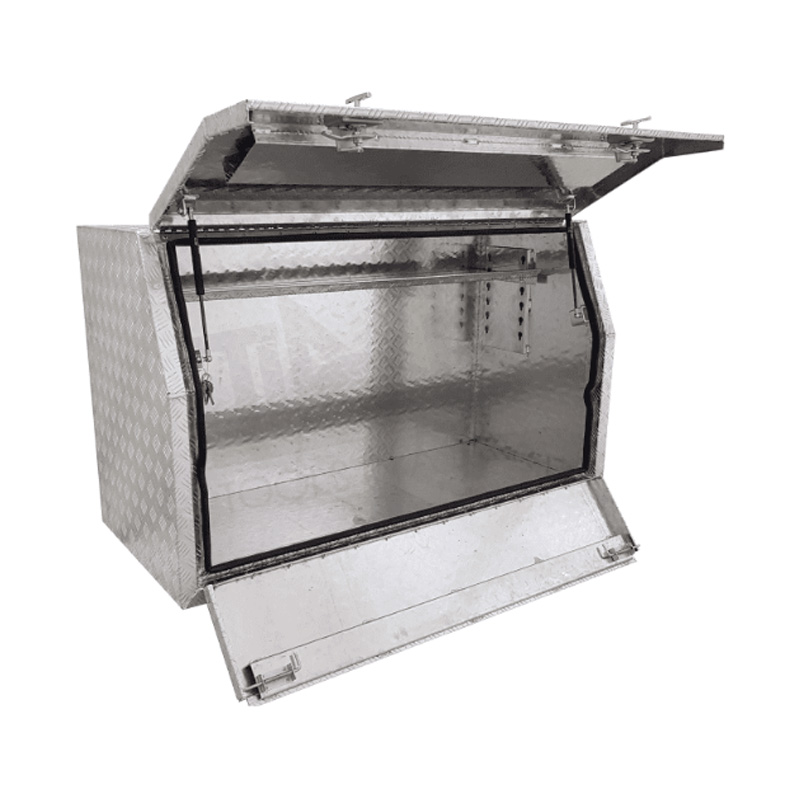 1400 x 600 x 820mm Aluminium Checker Full or Half Side Multi Lid Opening Ute Tool Box Truck Trailer Toolbox ShelvingThickness:...
 -
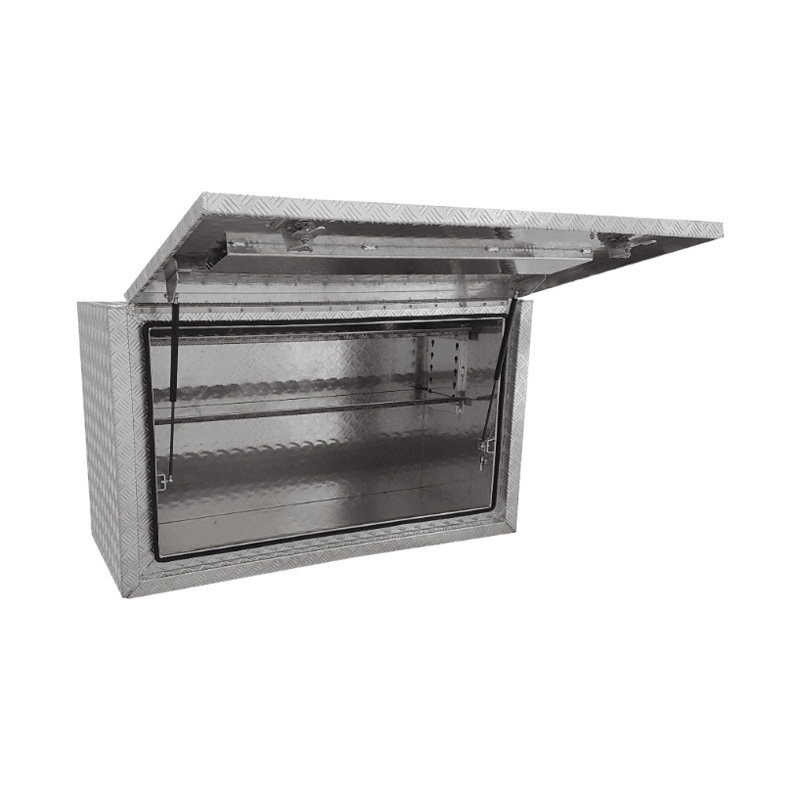 1400 x 600 x 820mm Aluminium Checker Full Side Opening Square Edge Ute Tool Box Truck Trailer Toolbox ShelvingThickness:...
 -
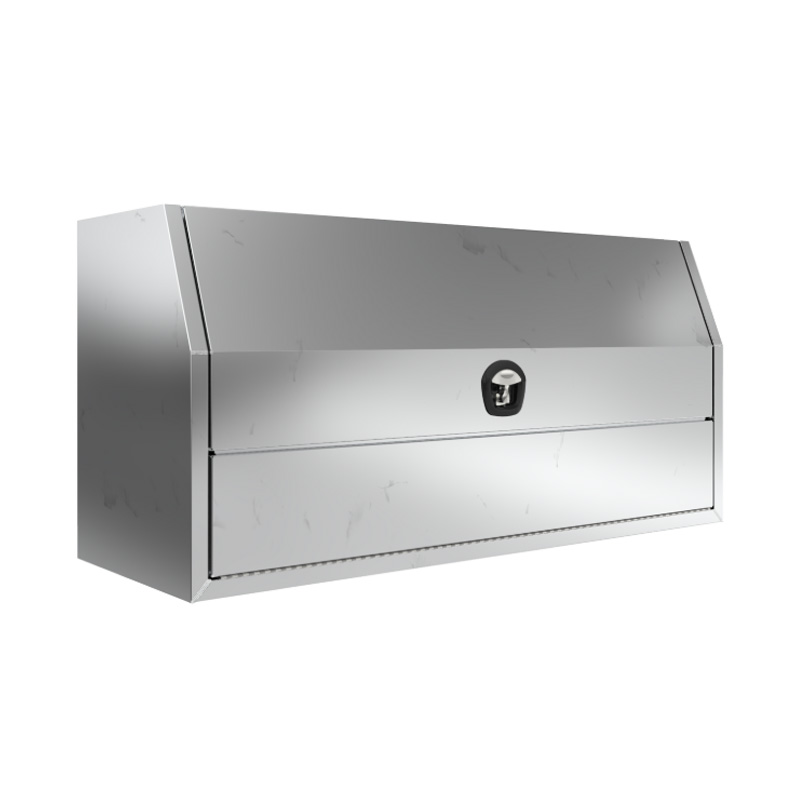 1700 x 600 x 820mm Aluminium Full or Half Side Multi Lid Opening Ute Tool Box Truck Trailer Toolbox ShelvingThickness:...
 -
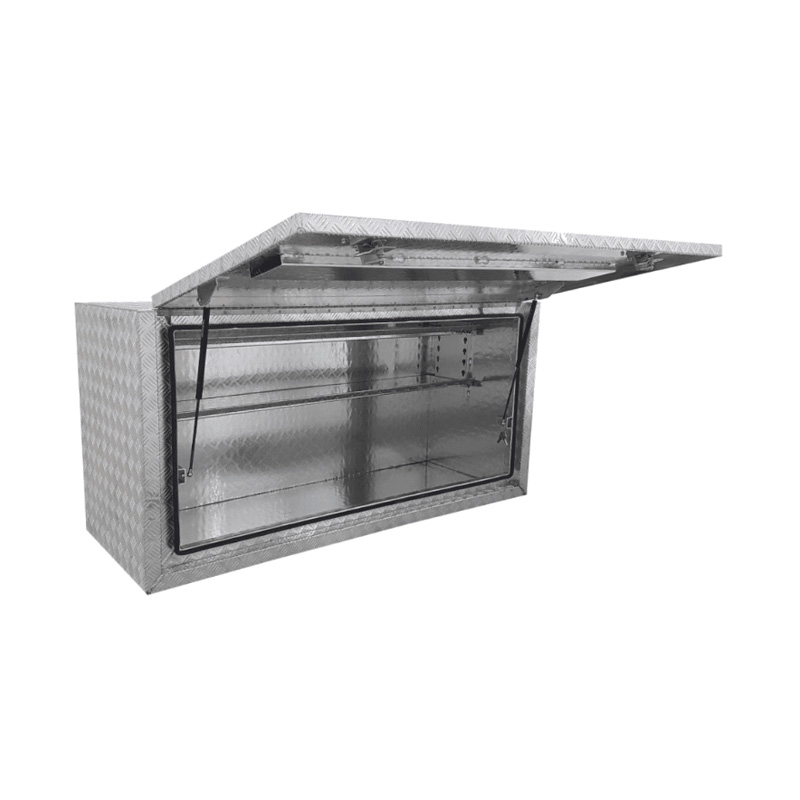 1700 x 600 x 820mm Aluminium Checker Full Side Opening Square Edge Ute Tool Box Truck Trailer Toolbox ShelvingThickness:...
 -
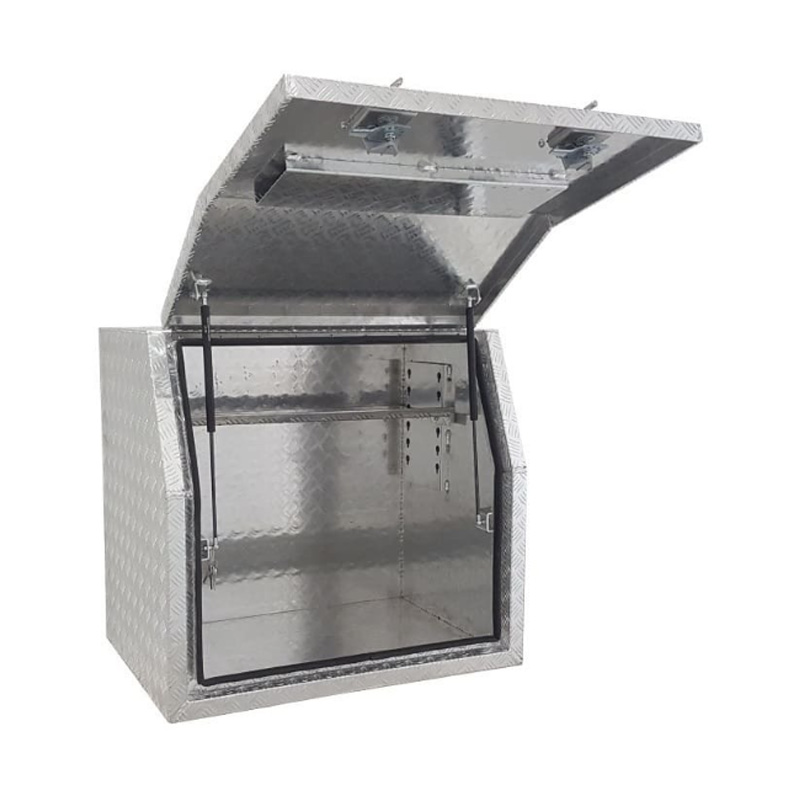 900 x 600 x 820mm Aluminium Checker Full Side Opening Ute Tool Box Truck Trailer Toolbox ShelvingThickness:...
 -
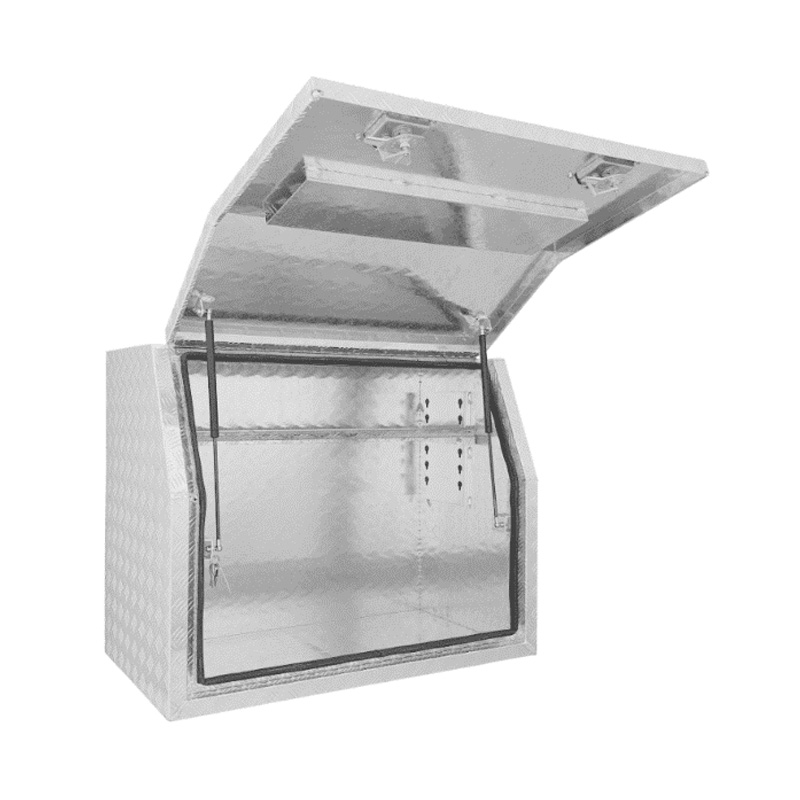 1000 x 530 x 820mm Aluminium Checker Side Opening Ute Tool box 4 Your Truck Ute Trailer Toolbox & CanopyThickness:...
 -
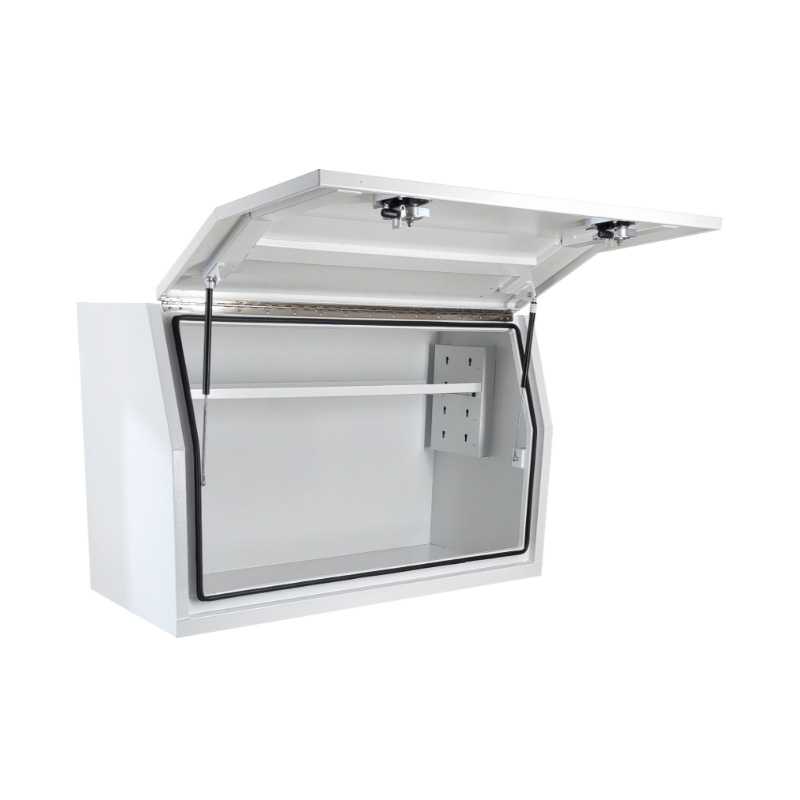 1200 x 600 x 820mm Aluminium Full Side Opening Ute Tool Box Truck Trailer Toolbox ShelvingThickness:...
 -
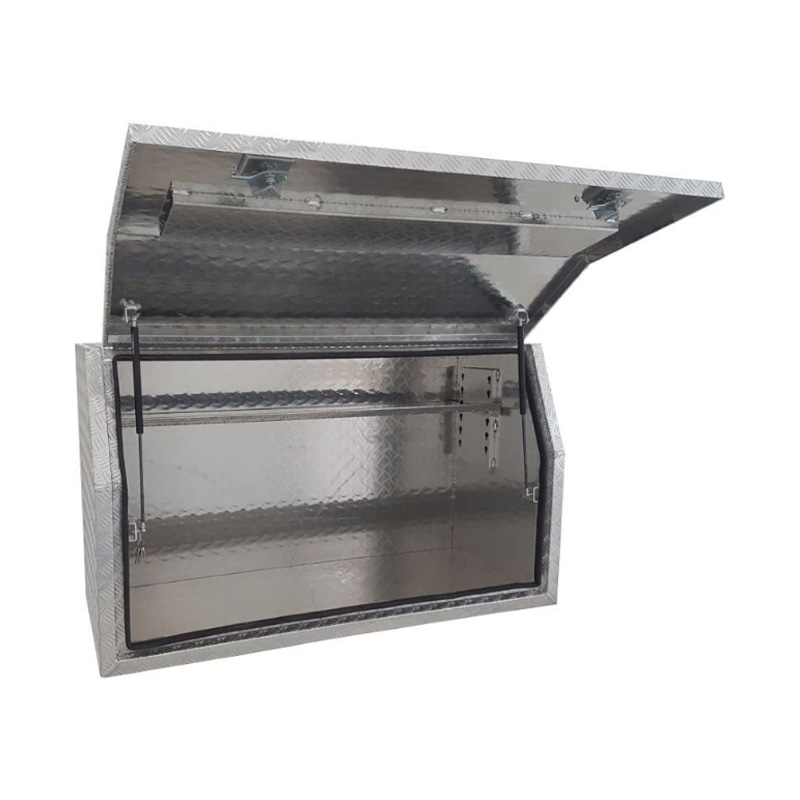 1400 x 530 x 820mm Aluminium Checker Full Side Opening Ute Tool Box Truck Trailer Toolbox ShelvingThickness:...
 -
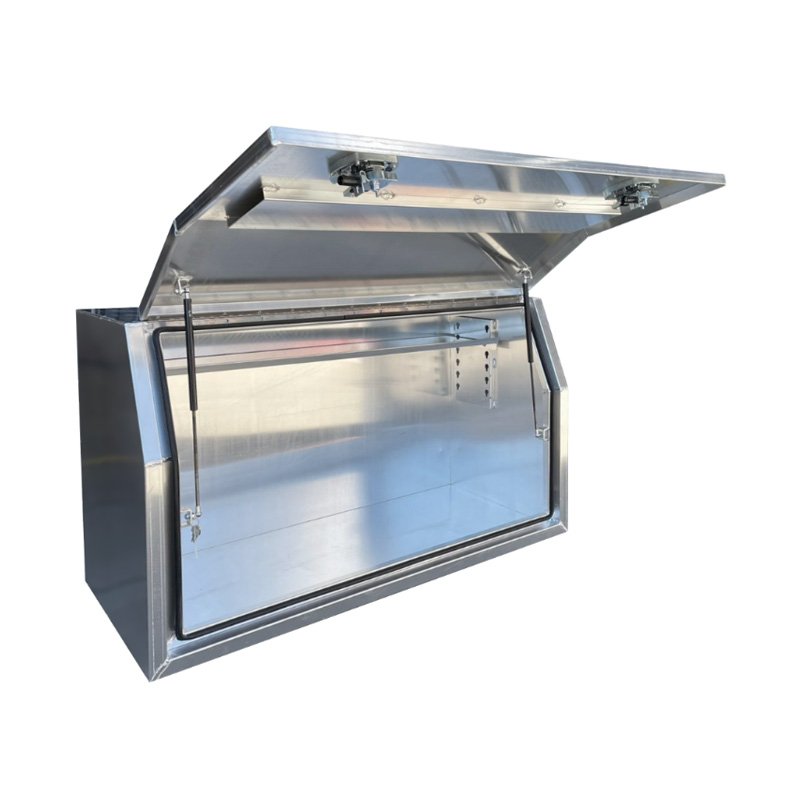 1400 x 600 x 820mm Aluminium Full Side Opening Ute Tool Box Truck Trailer Toolbox ShelvingThickness:...
 -
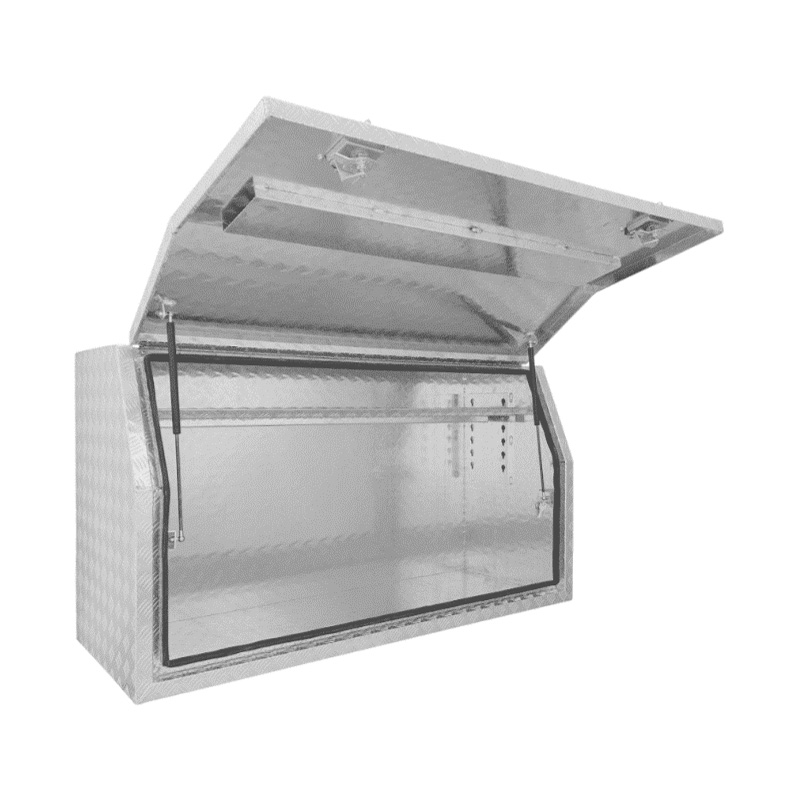 1500 x 530 x 820mm Aluminium Checker Full Side Opening Ute Tool Box Truck Trailer Toolbox ShelvingThickness:...
 -
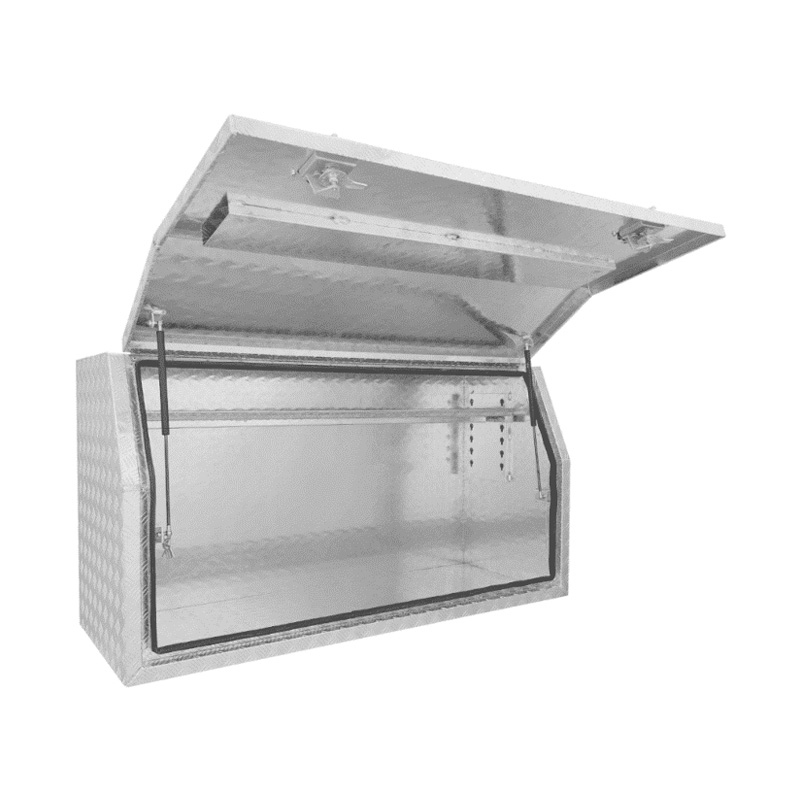 1600 x 530 x 820mm Aluminium Checker Full Side Opening Ute Tool Box Truck Trailer Toolbox ShelvingThickness:...
 -
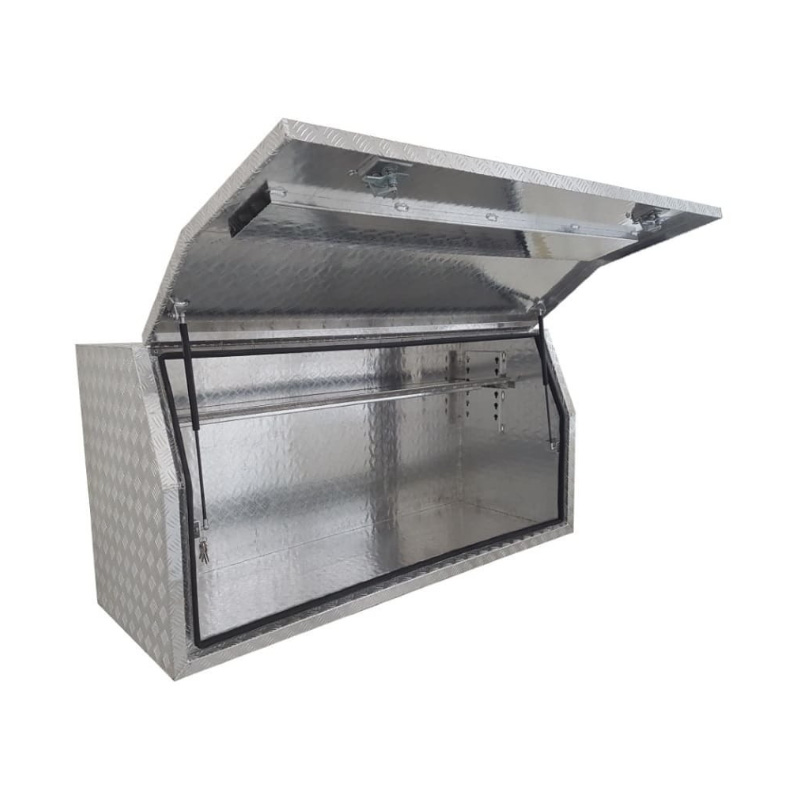 1600 x 600 x 820mm Aluminium Full Side Opening Ute Tool Box Truck Trailer Toolbox ShelvingThickness:...
 -
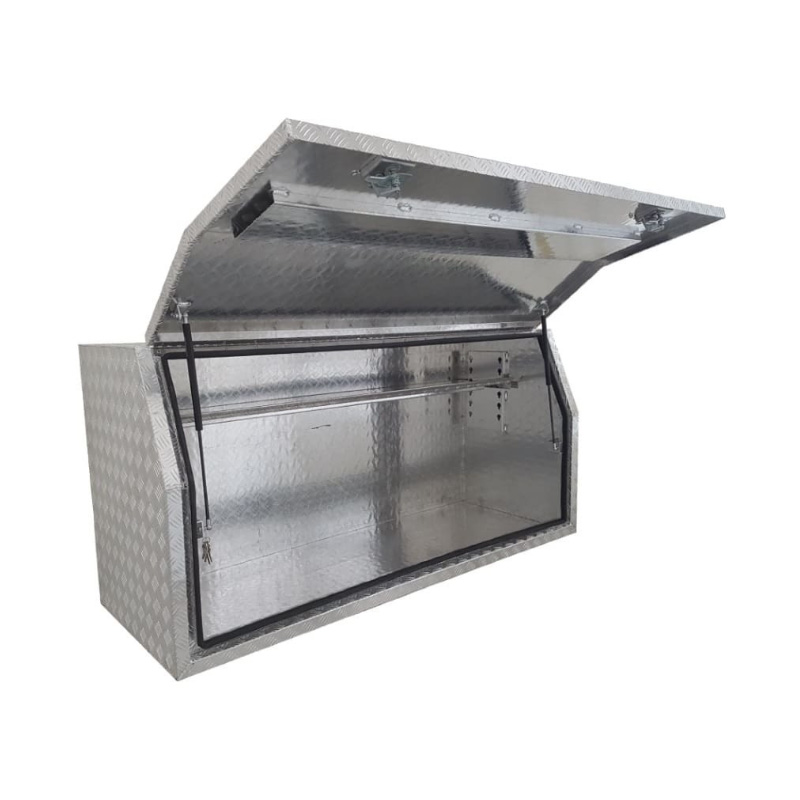 1700 x 530 x 820mm Aluminium Checker Full Side Opening Ute Tool Box Truck Trailer Toolbox ShelvingThickness:...
 -
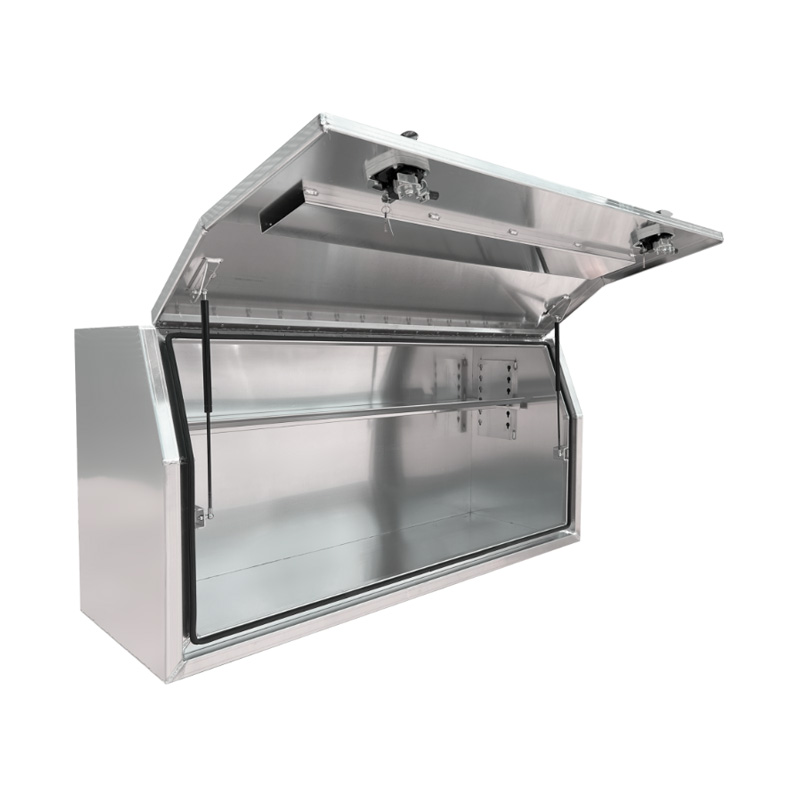 1700 x 600 x 820mm Aluminium Full Side Opening Ute Tool Box Truck Trailer Toolbox ShelvingThickness:...
 -
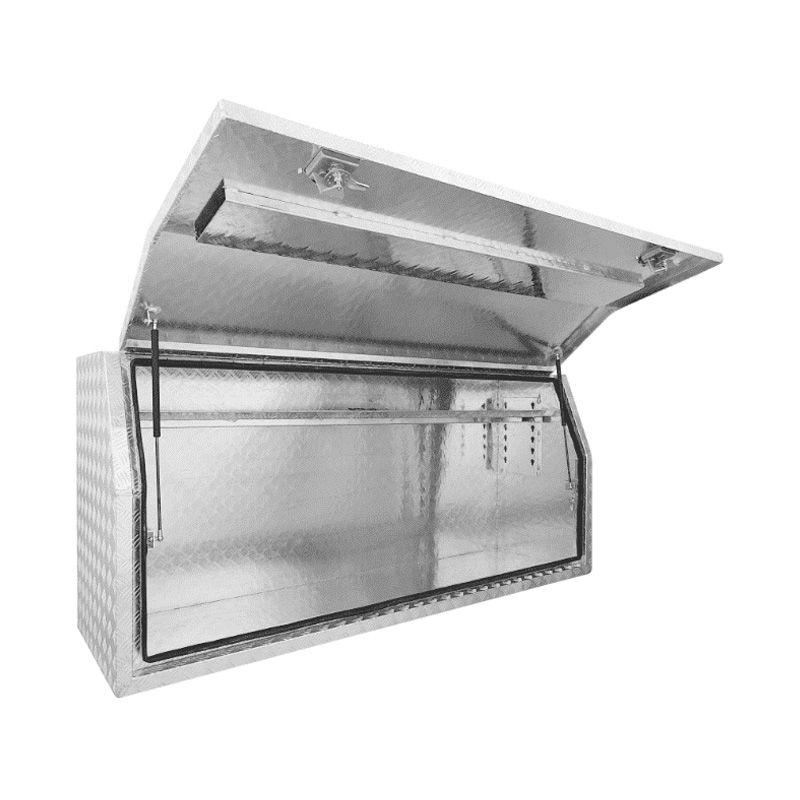 1800 x 530 x 820mm Aluminium Checker Full Side Opening Ute Tool Box Truck Trailer Toolbox ShelvingThickness:...
 -
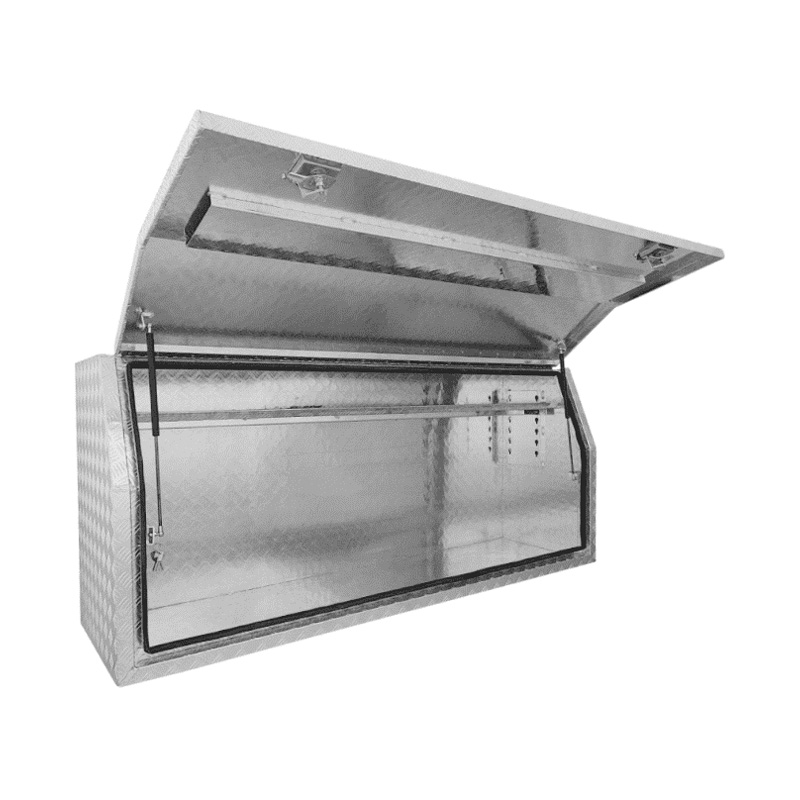 1900 x 530 x 820mm Aluminium Checker Full Side Opening Ute Tool Box Truck Trailer Toolbox ShelvingThickness:...
 -
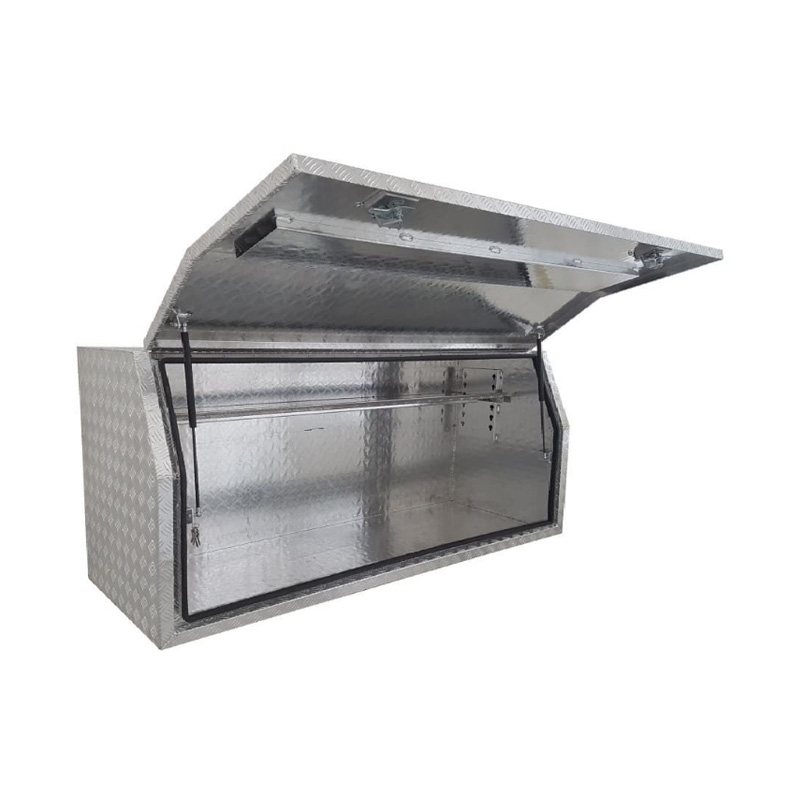 2100 x 600 x 820mm Aluminium Full Side Opening Ute Tool Box Truck Trailer Toolbox ShelvingThickness:...
 -
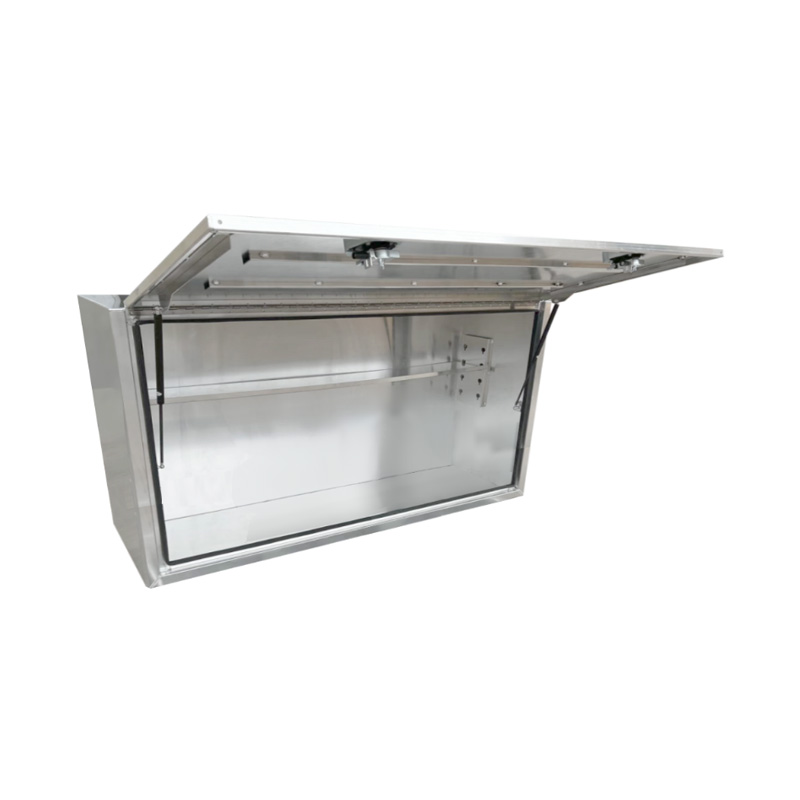 1900 x 600 x 820mm Aluminium Full Side Opening Truck Tool Box HIGH Side Trailer Toolbox ShelvingThickness:...
-
-
Full Lid Ute Toolbox With Drawers
>
-
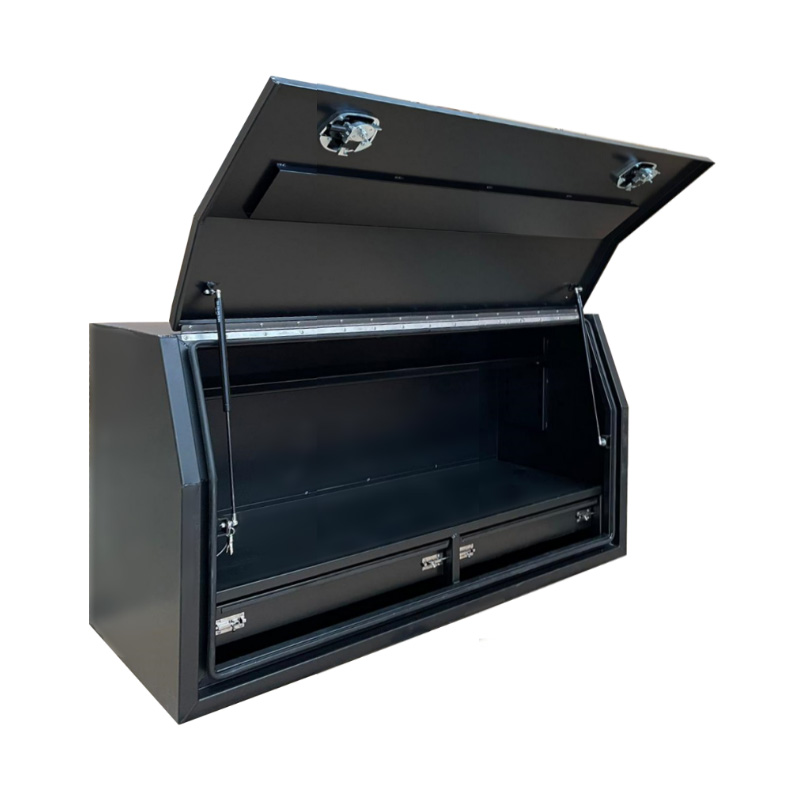 1400 x 600 x 820mm Aluminium Full Side Opening 2 Drawer Slide Ute Tool Box Truck Trailer Toolbox ShelvingThickness:...
 -
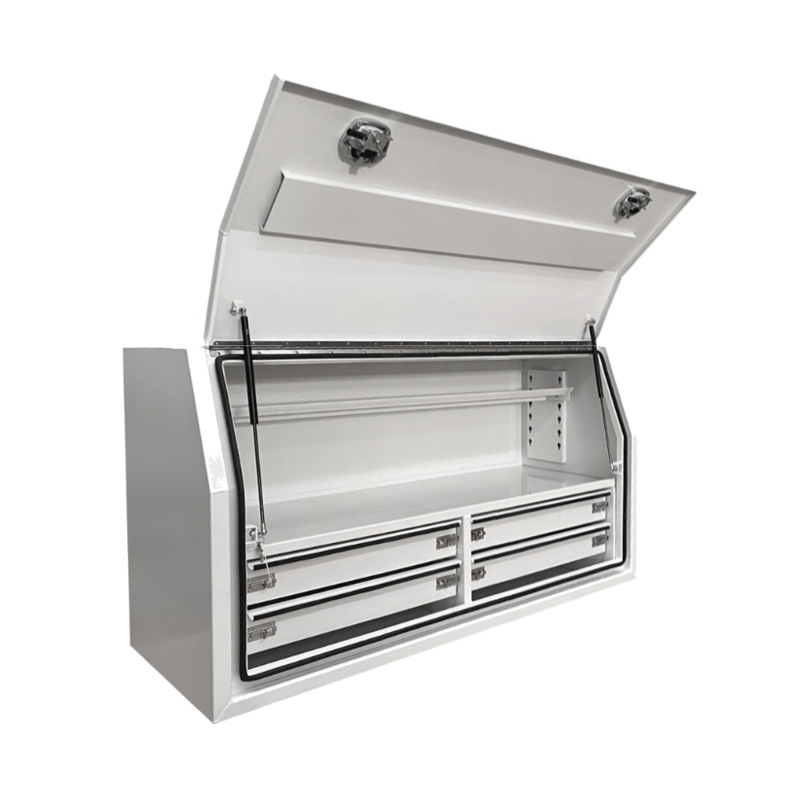 1400 x 600 x 820mm Aluminium Full Side Opening 4 Drawer Slide Ute Tool Box Truck Trailer Toolbox ShelvingThickness:...
 -
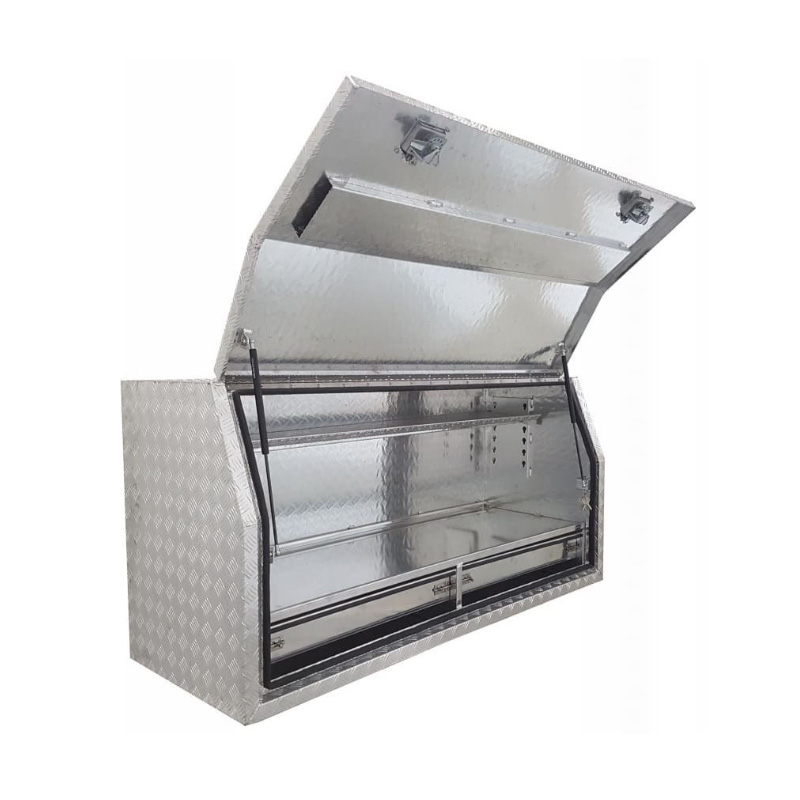 1700 x 600 x 820mm Aluminium Full Side Opening 2 Drawer Slide Ute Tool Box Truck Trailer Toolbox ShelvingThickness:...
 -
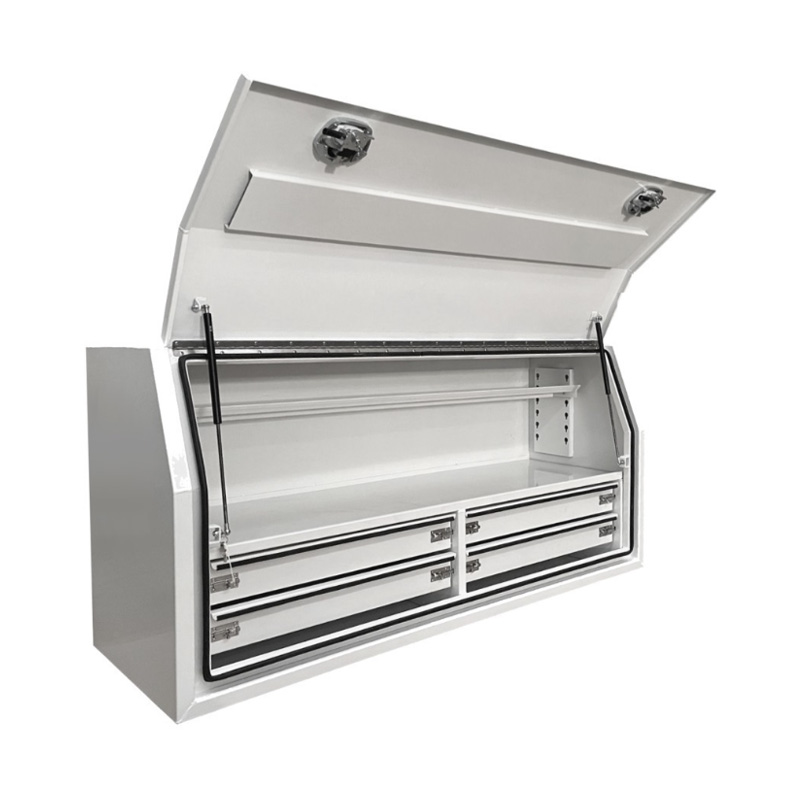 1700 x 600 x 820mm Aluminium Full Side Opening 4 Drawer Slide Ute Tool Box Truck Trailer Toolbox ShelvingThickness:...
-
-
Multi-Lid Ute Toolbox
>
-
1770 x 600 x 500mm Aluminium Checker Sloped Top Gullwing Cross Deck Dual 2 Lid Ute Tool box 4 Your Truck Ute Trailer Toolbox & CanopyThickness:...
-
1770 x 600 x 500mm Aluminium Checker Flat Top Gullwing Cross Deck Dual 2 Lid Ute Tool box 4 Your Truck Ute Trailer Toolbox & CanopyThickness:...
-
1400 x 600 x 820mm Aluminium Checker Full or Half Side Multi Lid Opening Ute Tool Box Truck Trailer Toolbox ShelvingThickness:...
-
1700 x 600 x 820mm Aluminium Full or Half Side Multi Lid Opening Ute Tool Box Truck Trailer Toolbox ShelvingThickness:...
-
1400 x 600 x 820mm Aluminium Checker Full or Half Side Multi Lid Opening Ute Tool Box Truck Trailer Toolbox ShelvingThickness:...
-
1700 x 600 x 820mm Aluminium Full or Half Side Multi Lid Opening Ute Tool Box Truck Trailer Toolbox ShelvingThickness:...
-
-
Half Lid Opening Ute Toolbox
>
-
Truck Toolboxes
>
-
Under Truck Tool Boxes
>
-
600 x 450 x 450mm Aluminium Checker Under Tray Body Tool box Truck Storage ToolboxThickness:...
-
600 x 450 x 450mm Flat Aluminium Under Tray Body Tool box Truck Storage ToolboxThickness:...
-
900 x 450 x 450mm Flat Aluminium Under Tray Body Tool box Truck Storage ToolboxThickness:...
-
1000 x 450 x 450mm Flat Aluminium Under Tray Body Tool box Truck Storage ToolboxThickness:...
-
1200 x 450 x 450mm Flat Aluminium Under Tray Body Tool box Truck Storage ToolboxThickness:...
-
600 x 500 x 500mm Black Aluminium Under Tray Slide Drawer Body Tool box Truck Storage ToolboxThickness:...
-
900 x 500 x 500mm Raw Flat Aluminium Under Tray Slide Drawer Body Tool box Truck Storage ToolboxThickness:...
-
- Half Lid Truck Toolbox With Drawers >
-
Full Lid Opening Truck Toolbox
>
-
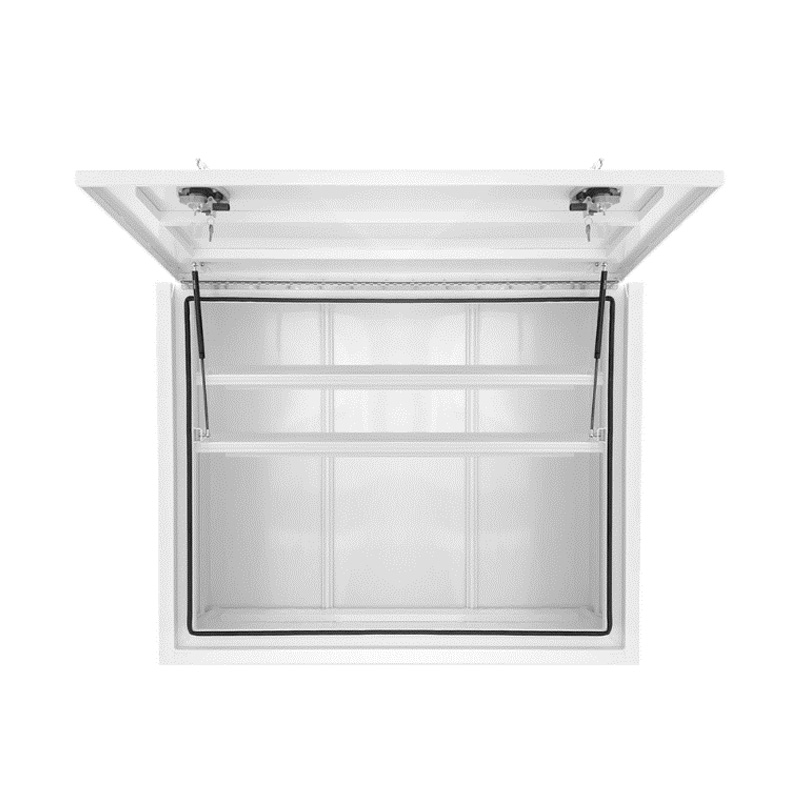 1400 x 600 x 1200mm Aluminium Full Side Opening Truck Tool Box HIGH Side Trailer Toolbox ShelvingThickness:...
 -
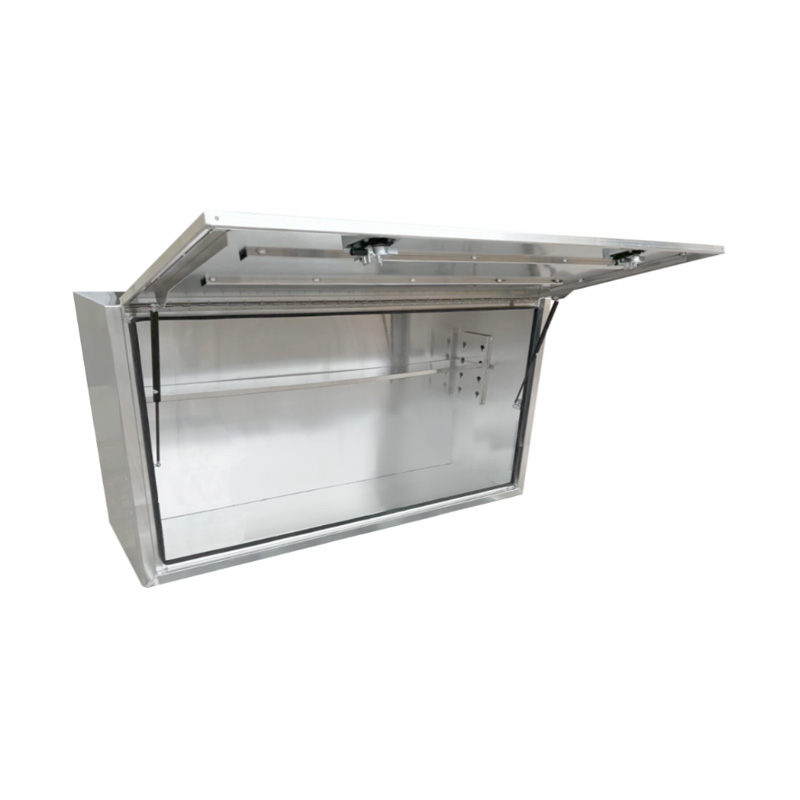 1900 x 600 x 820mm Aluminium Full Side Opening Truck Tool Box HIGH Side Trailer Toolbox Shelving 1968SFD-CPThickness:...
 -
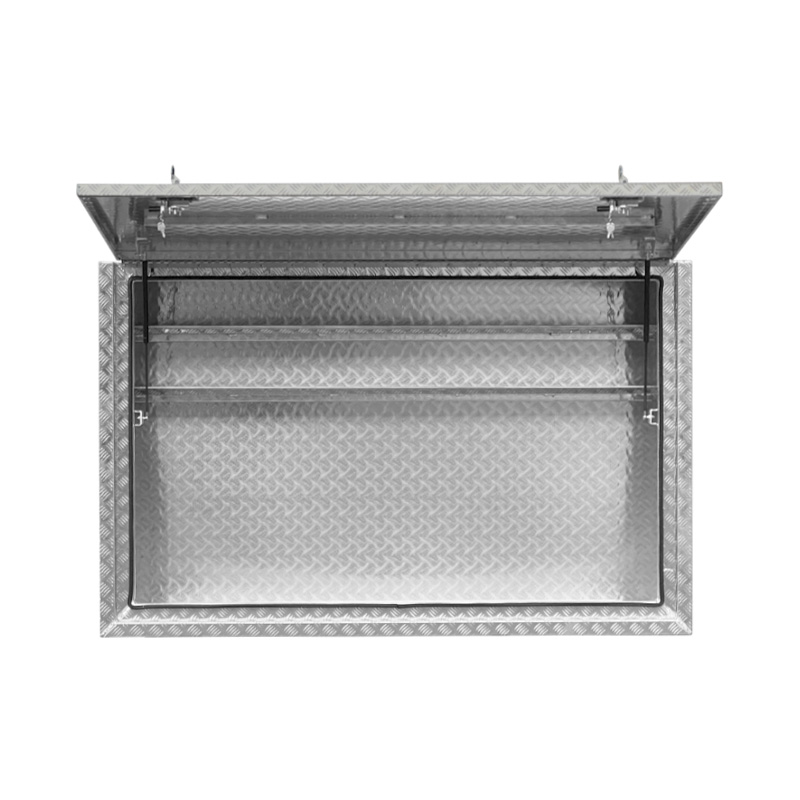 1900 x 600 x 1200mm Aluminium Checker Full Side Opening Truck Tool Box HIGH Side Trailer Toolbox ShelvingThickness:...
 -
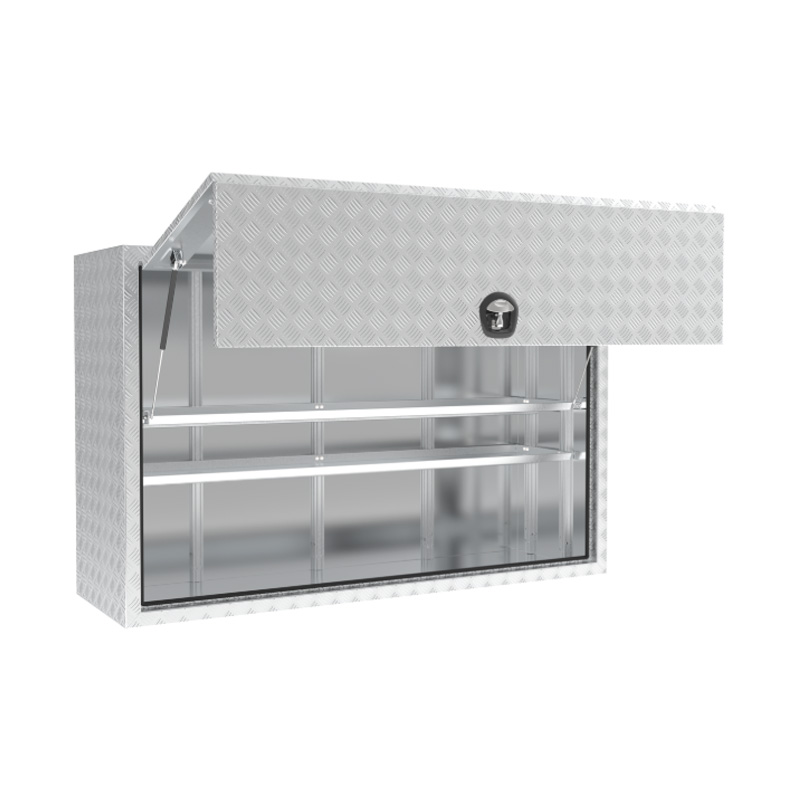 1900 x 600 x 1200mm Checker PRO Full Side Truck Tool Box HIGH Side Toolbox Shelving ReinforcedThickness:...
 -
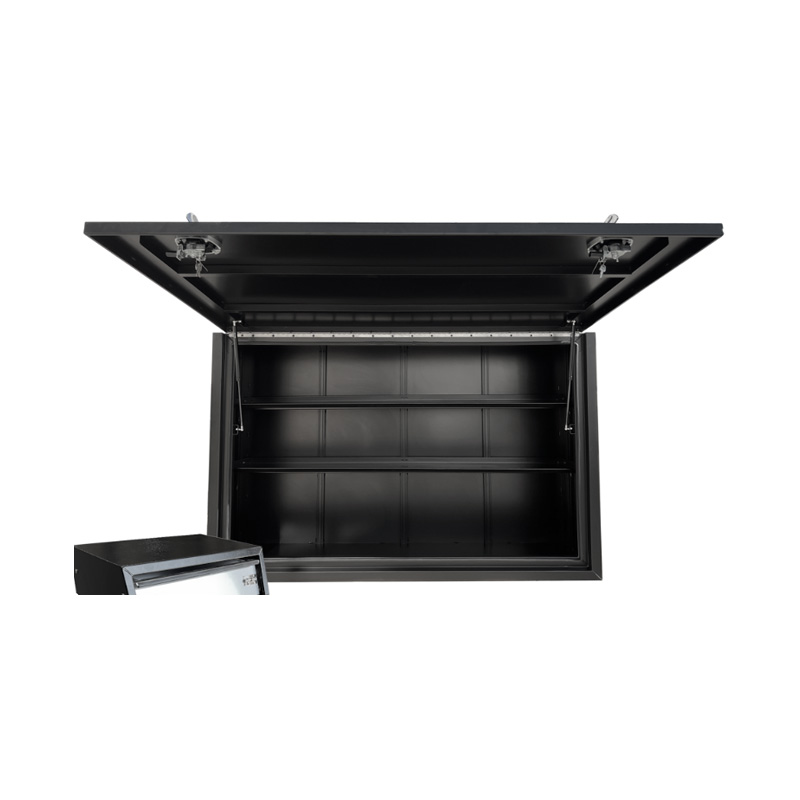 1900 x 600 x 1200mm Aluminium Flat PRO Full Side Truck Tool Box HIGH Side Toolbox Shelving ReinforcedThickness:...
 -
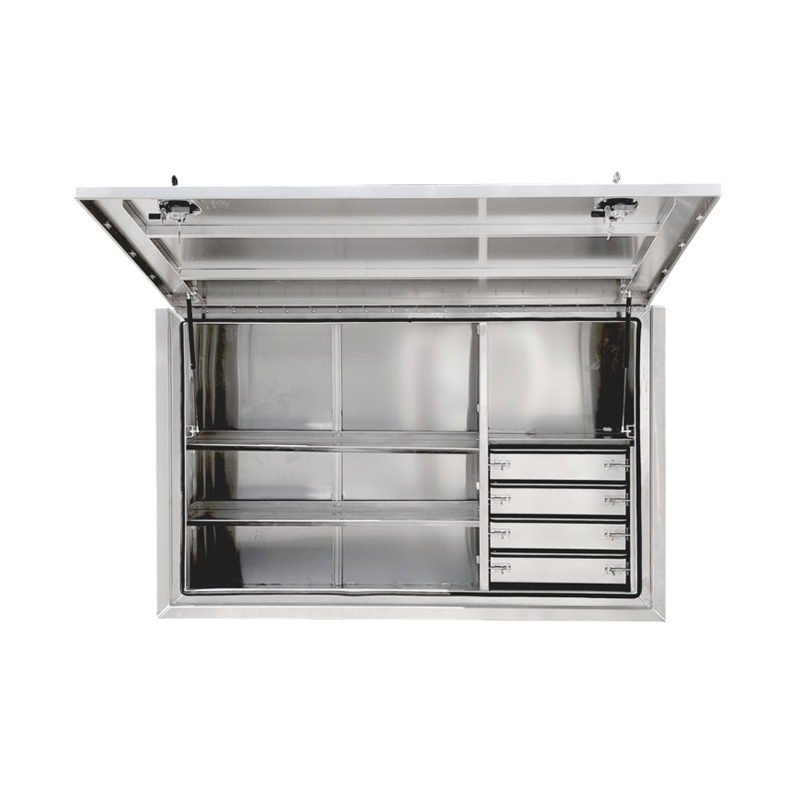 1900 x 600 x 1200mm Aluminium 4 Drawer Full Side Truck Tool Box HIGH Side Trailer Toolbox ShelvingThickness:...
 -
1400 x 600 x 820mm Aluminium Checker Full Side Opening Square Edge Ute Tool Box Truck Trailer Toolbox ShelvingThickness:...
-
1700 x 600 x 820mm Aluminium Checker Full Side Opening Square Edge Ute Tool Box Truck Trailer Toolbox ShelvingThickness:...
-
- Full Lid Truck Toolbox With Drawers >
-
Under Truck Tool Boxes
>
- Dog Boxes >
-
Toolbox Canopies
>
-
1770 x 600 x 500mm Aluminium Checker Sloped Top Gullwing Cross Deck Dual 2 Lid Ute Tool box 4 Your Truck Ute Trailer Toolbox & CanopyThickness:...
-
1770 x 600 x 500mm Aluminium Checker Flat Top Gullwing Cross Deck Dual 2 Lid Ute Tool box 4 Your Truck Ute Trailer Toolbox & CanopyThickness:...
-
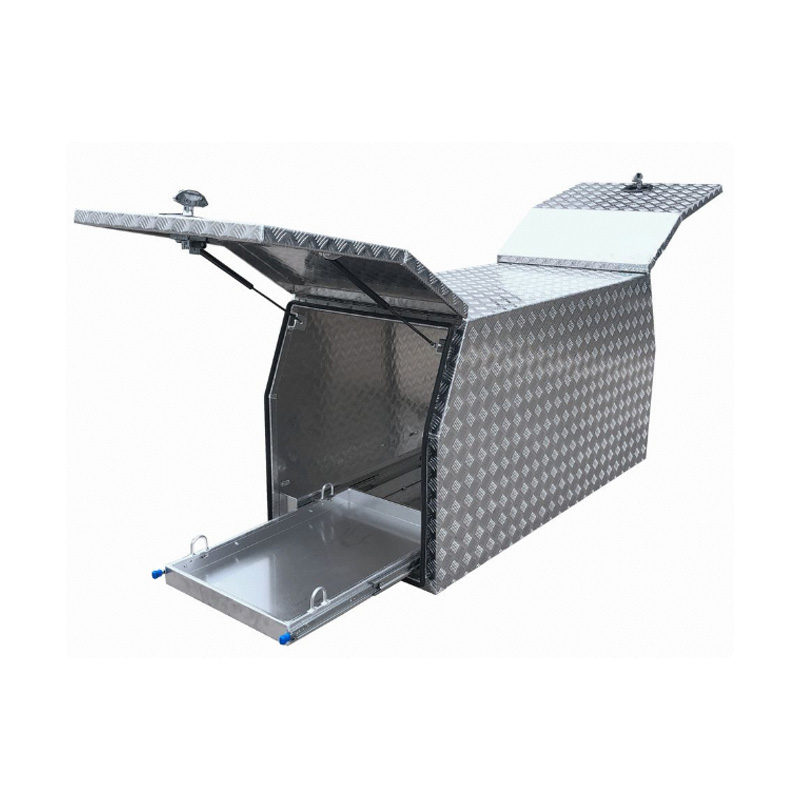 1600 x 700 x 820mm Aluminium Ute Truck Trailer Toolbox Canopy Gullwing 1678-CP-SLDThickness:...
 -
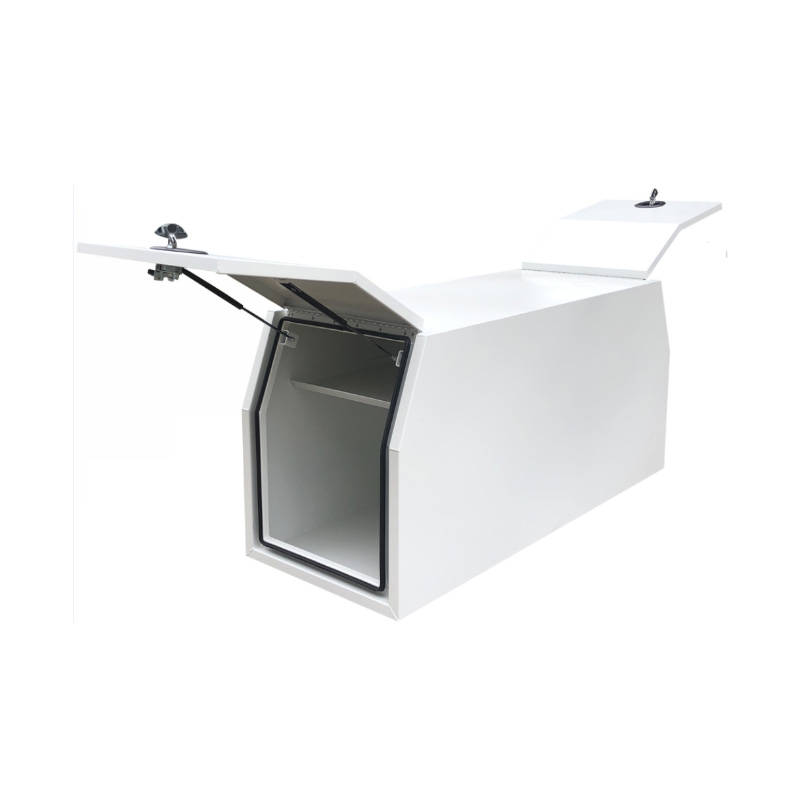 1770 x 700 x 820mm Aluminium Ute Tool Box Truck Trailer Full Lid Part Canopy ToolboxThickness:...
 -
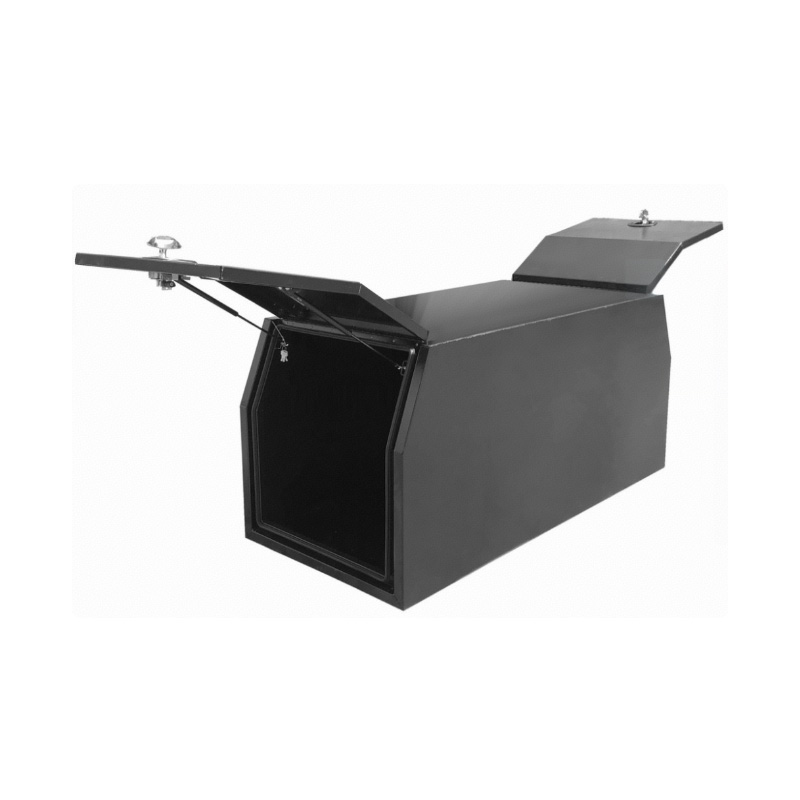 1770 x 800 x 820mm Flat Aluminium Ute Tool Box Truck Trailer Full Lid Part Canopy ToolboxThickness:...
 -
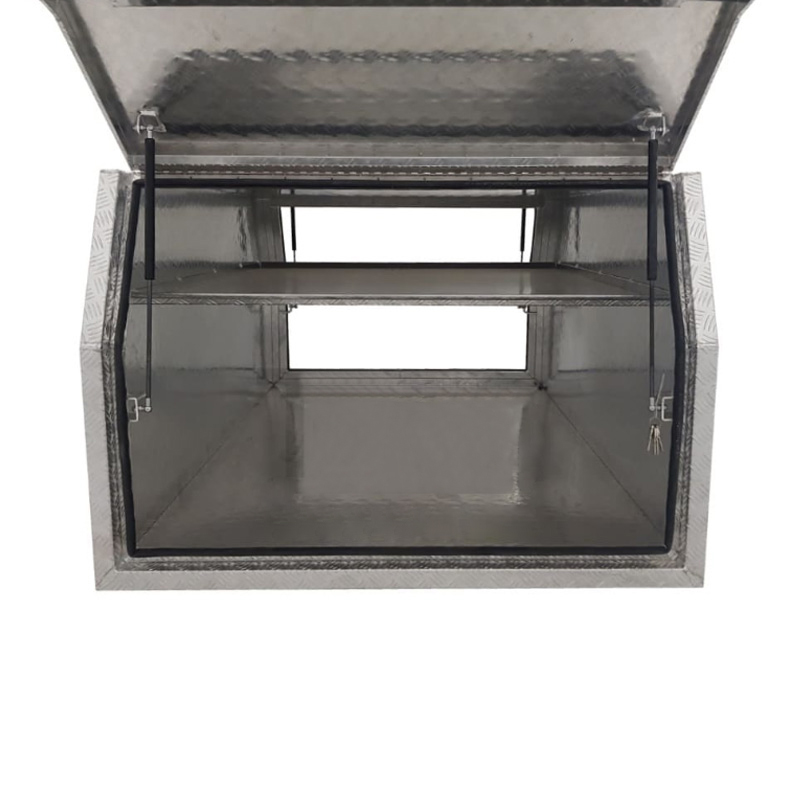 1770 x 1200 x 820mm Aluminium Checker Full Side Part Canopy Tool Box Ute Truck Trailer Toolbox Storage Gullwing ShelvingThickness:...
-
-
Camper & Trailer Boxes
>
-
Trailer Boxes/Draw bar Boxes
>
-
900 x 400 x 400mm Aluminium Checker Top Opening Ute Tool box 4 Your Truck Ute Trailer Toolbox & CanopyThickness:...
-
1220 x 400 x 350mm Aluminium Top Opening Ute Tool box 4 Your Truck Ute Trailer Toolbox & CanopyThickness:...
-
1220 x 500 x 500mm Aluminium Top Opening Ute Tool box 4 Your Truck Ute Trailer Toolbox & Canopy 1255Thickness:...
-
1500 x 500 x 450mm Aluminium Checker Top Opening Ute Tool box 4 Your Truck Ute Trailer Toolbox & CanopyThickness:...
-
1200 x 600 x 700mm Aluminium Checker Tool Box Ute Truck Fridge Trailer 3/4 Angle Storage ToolboxThickness:...
-
1400 x 600 x 700mm Aluminium Checker Tool Box Ute Truck Fridge Trailer 3/4 Angle Storage ToolboxThickness:...
-
1500 x 400 x 400mm Aluminium Checker 3 Lid Ute Toolbox Trailer Camping Camper Caravan Truck Tool BoxThickness:...
-
1500 x 500 x 500mm Raw Flat Aluminium 3 Lid Ute Toolbox Trailer Camping Camper Caravan Truck Tool BoxThickness:...
-
2000 x 500 x 500mm Aluminium 3 Lid Ute Toolbox Trailer Camping Camper Caravan Truck Tool BoxThickness:...
-
1700 x 550 x 610mm Black Aluminium Checker Ute Truck Tool Box Fridge Slide & Webber BBQ Slide Camper ToolboxThickness:...
-
2200 x 550 x 550mm Aluminium 3 Lid Slides BBQ Generator Camper ToolboxThickness:...
-
1400 x 550 x 800mm Black Aluminium Checker Ute Toolbox Webber BBQ & Fridge Slide Camper Caravan Canopy Tool BoxThickness:...
-
1700 x 550 x 800mm Black Aluminium Checker Ute Toolbox Webber BBQ & Fridge Slide Camper Caravan Canopy Tool BoxThickness:...
-
2000 x 550 x 800mm Black Aluminium Checker Ute Toolbox Webber BBQ & Fridge Slide Camper Caravan Canopy Tool BoxThickness:...
-
1770 x 600 x 500mm Aluminium Checker Sloped Top Gullwing Cross Deck Dual 2 Lid Ute Tool box 4 Your Truck Ute Trailer Toolbox & CanopyThickness:...
-
1770 x 600 x 500mm Aluminium Checker Flat Top Gullwing Cross Deck Dual 2 Lid Ute Tool box 4 Your Truck Ute Trailer Toolbox & CanopyThickness:...
-
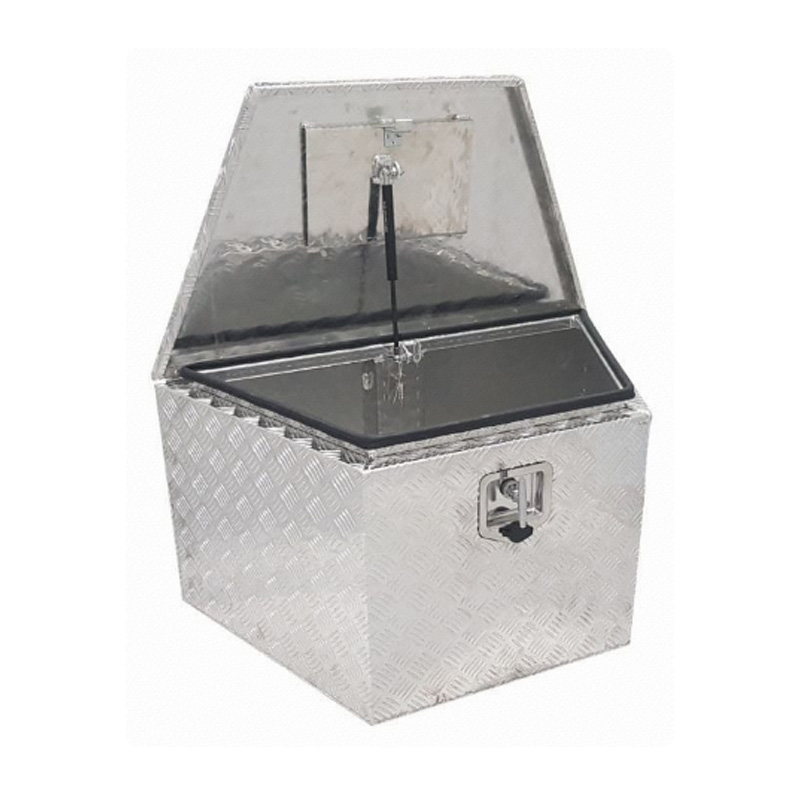 860 x 460 x 460mm Aluminium Checker Toolbox Trailer Draw Bar Storage DrawBar Tool BoxThickness:...
 -
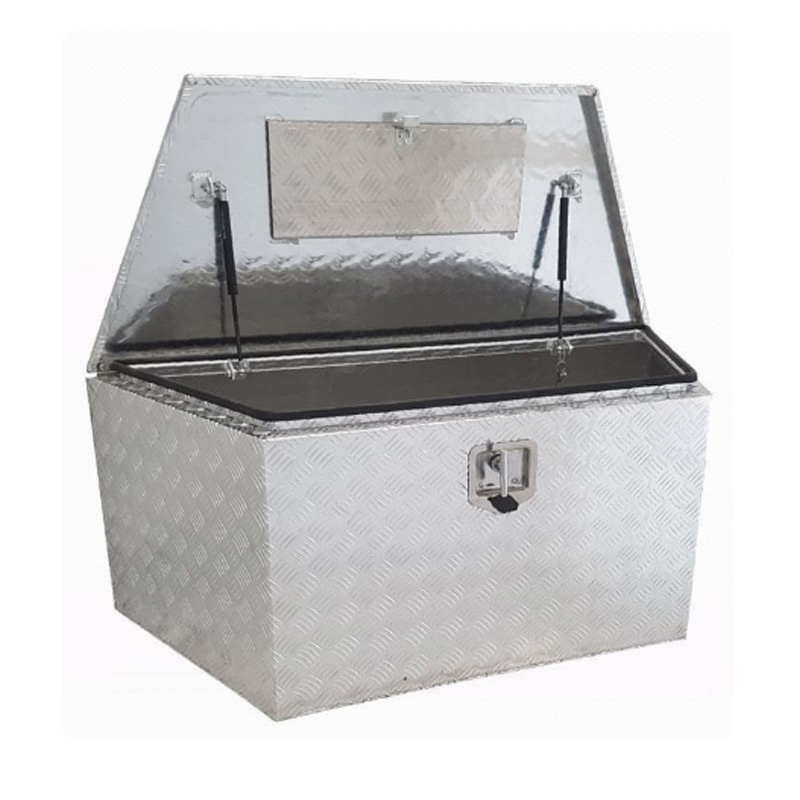 1200 x 500 x 500mm Aluminium Toolbox Trailer Draw Bar Storage DrawBar Tool BoxThickness:...
 -
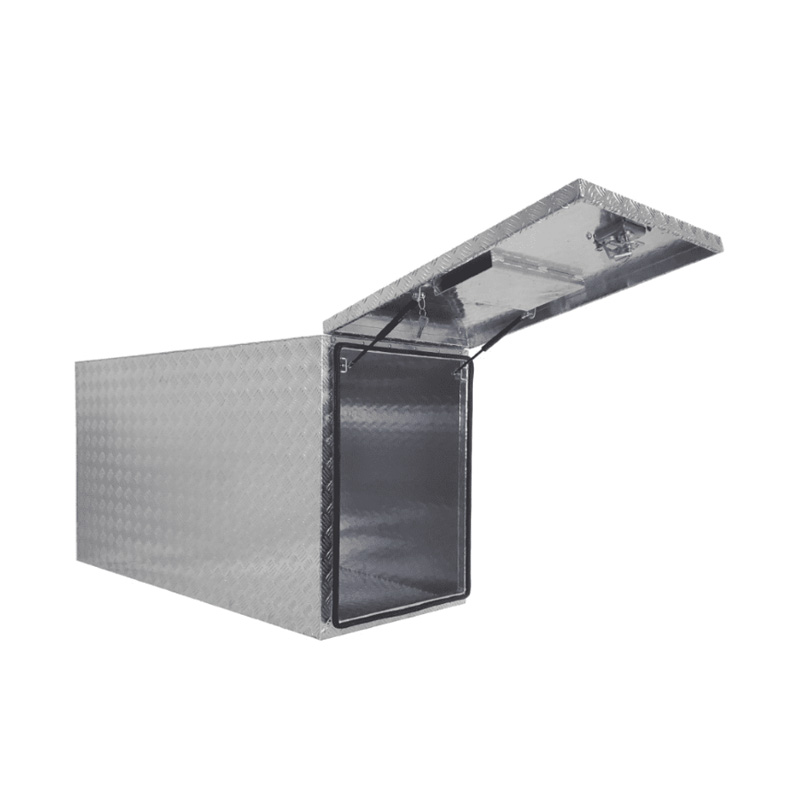 1400 x 580 x 820mm Aluminium Checker Full Side Center Box Caravan Ute Tool Box Truck Cab Trailer ToolboxThickness:...
 -
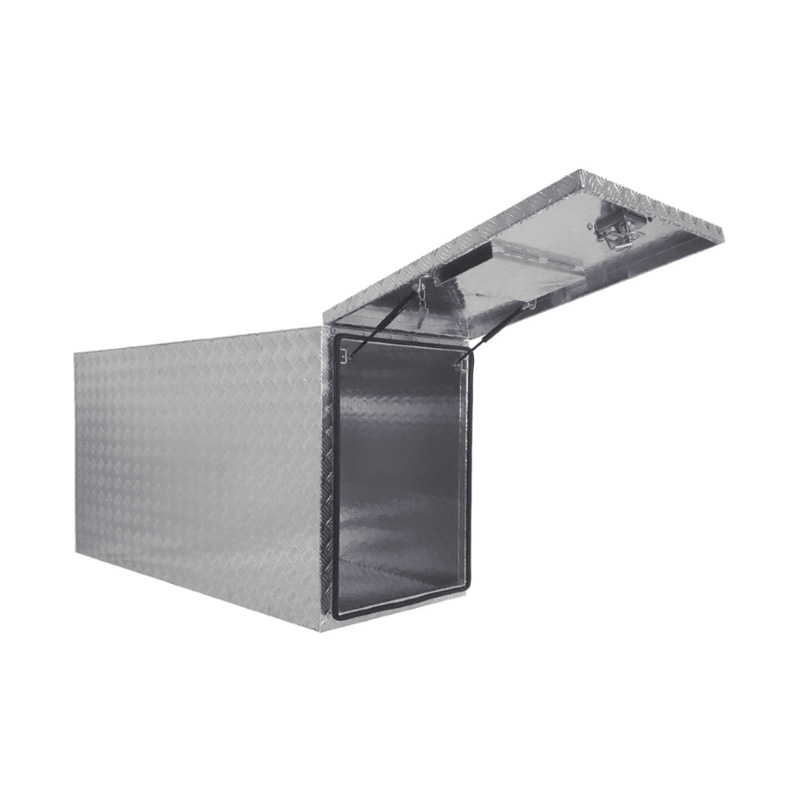 1700 x 580 x 820mm Aluminium Checker Full Side Center Box Caravan Ute Tool Box Truck Cab Trailer ToolboxThickness:...
-
-
Caravan Boxes
>
-
1500 x 400 x 400mm Aluminium Checker 3 Lid Ute Toolbox Trailer Camping Camper Caravan Truck Tool BoxThickness:...
-
1500 x 500 x 500mm Raw Flat Aluminium 3 Lid Ute Toolbox Trailer Camping Camper Caravan Truck Tool BoxThickness:...
-
2000 x 500 x 500mm Aluminium 3 Lid Ute Toolbox Trailer Camping Camper Caravan Truck Tool BoxThickness:...
-
1700 x 550 x 610mm Black Aluminium Checker Ute Truck Tool Box Fridge Slide & Webber BBQ Slide Camper ToolboxThickness:...
-
2200 x 550 x 550mm Aluminium 3 Lid Slides BBQ Generator Camper ToolboxThickness:...
-
1400 x 550 x 800mm Black Aluminium Checker Ute Toolbox Webber BBQ & Fridge Slide Camper Caravan Canopy Tool BoxThickness:...
-
1700 x 550 x 800mm Black Aluminium Checker Ute Toolbox Webber BBQ & Fridge Slide Camper Caravan Canopy Tool BoxThickness:...
-
2000 x 550 x 800mm Black Aluminium Checker Ute Toolbox Webber BBQ & Fridge Slide Camper Caravan Canopy Tool BoxThickness:...
-
1600 x 700 x 820mm Aluminium Ute Truck Trailer Toolbox Canopy Gullwing 1678-CP-SLDThickness:...
-
-
Generator Boxes
>
-
610 x 330 x 540mm Aluminium Checker Ute Toolbox Trailer Camper Caravan Generator Tool Box for Honda 2kvaThickness:...
-
700 x 450 x 650mm Aluminium Checker Ute Toolbox Trailer Camper Caravan Generator Tool BoxThickness:...
-
760 x 500 x 560mm Aluminium Checker Ute Toolbox Trailer Camper Caravan Generator Tool BoxThickness:...
-
-
Trailer Boxes/Draw bar Boxes
>
-
Under Tray Toolboxes
>
- Accessories
-
Trailers Accessories
>
- Trailer Jockey Wheel >
-
Trailer Coupler
>
-
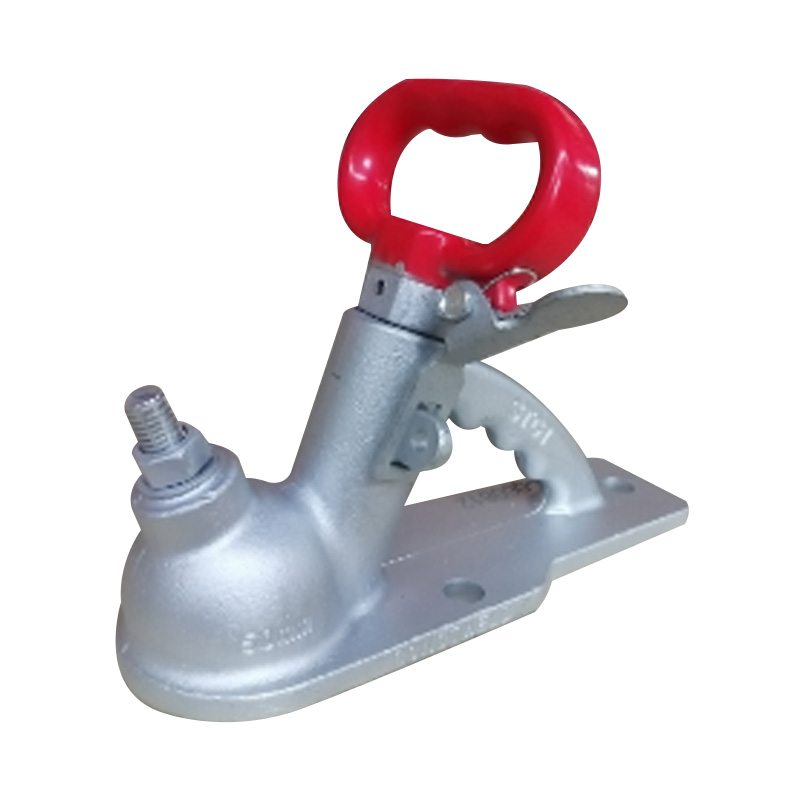 AU 2/3 Hole Quick Release 50 mm Non Braked CouplerSuits 50mm...
 -
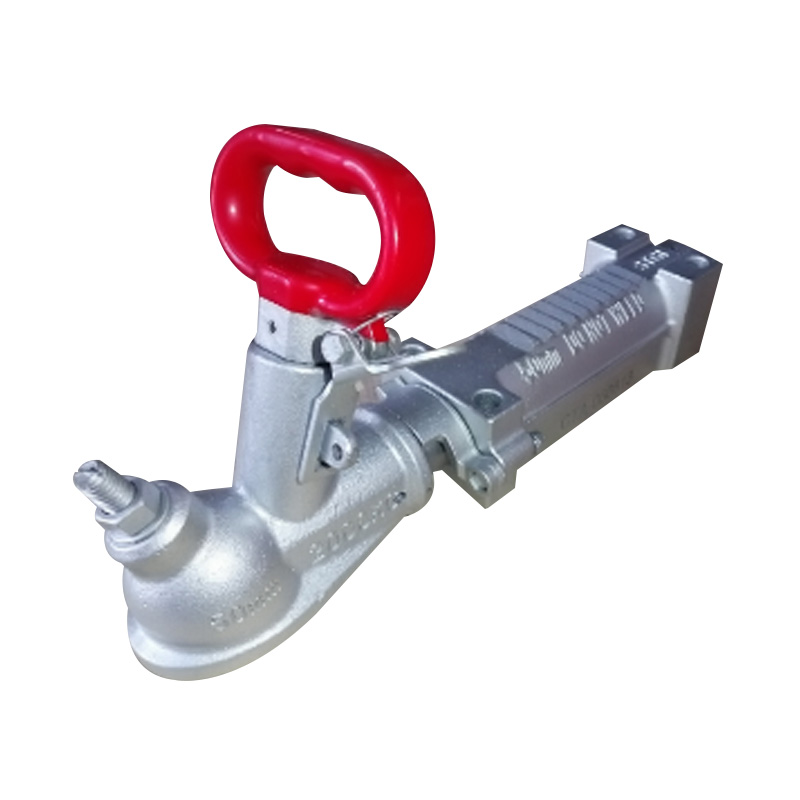 AU 50 mm Mechanical Brake CouplerSuits 50mm...
 -
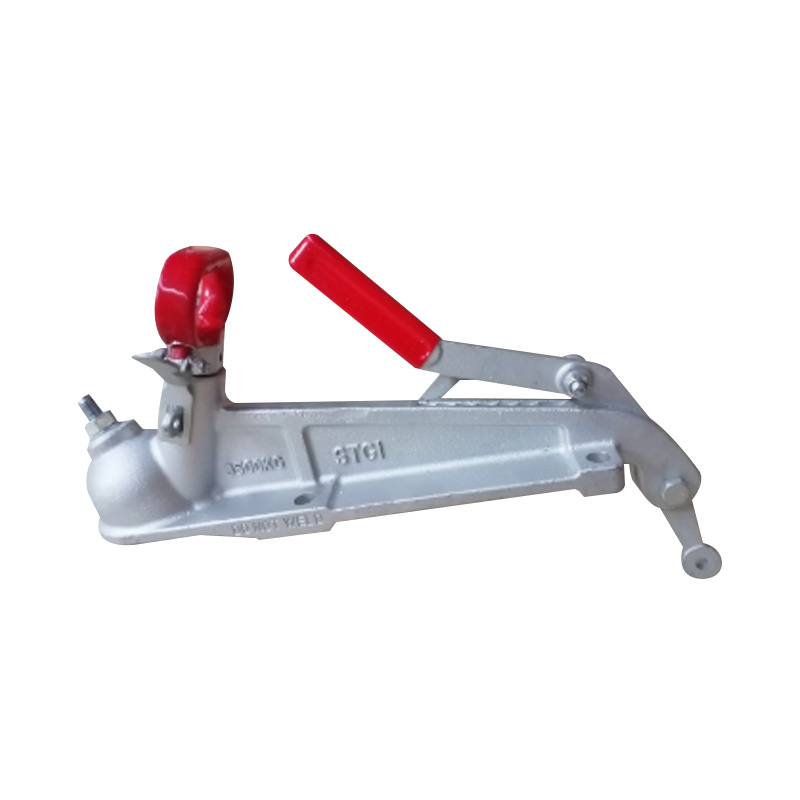 AU Electric Coupling 50 mm Towball 3.5T RatedSuits 50mm...
 -
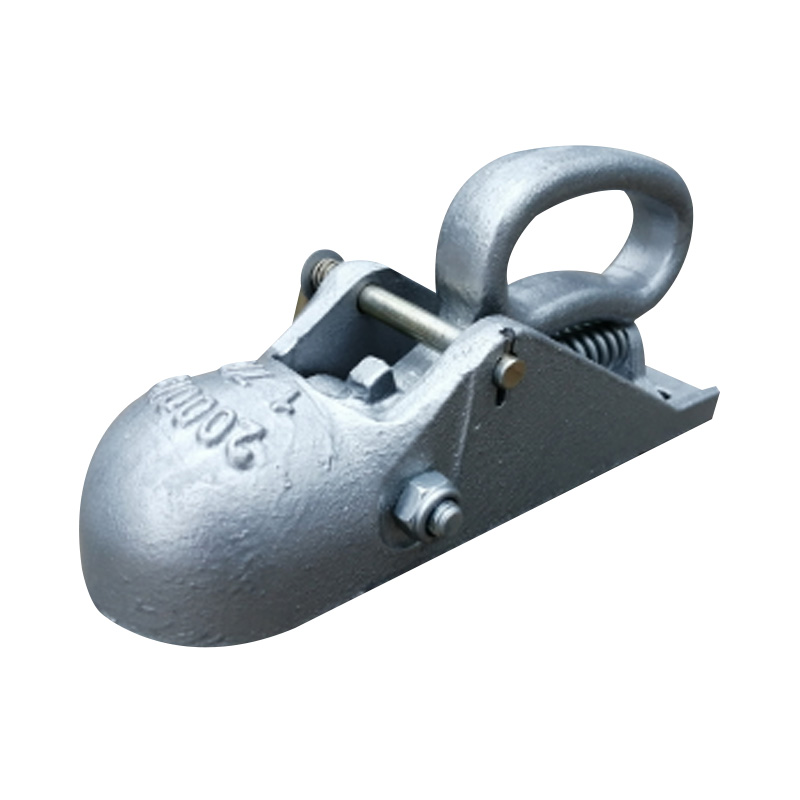 NZ 1-7/8 Non Braked CouplerSuits 45mm...
 -
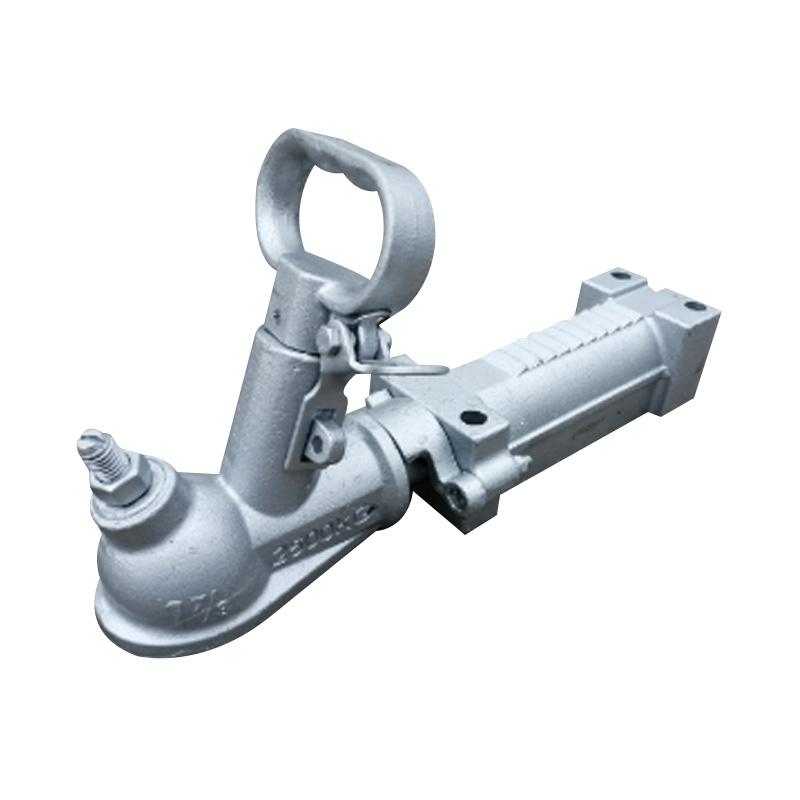 NZ 1-7/8 Mechanical Brake CouplerSuits 45mm...
 -
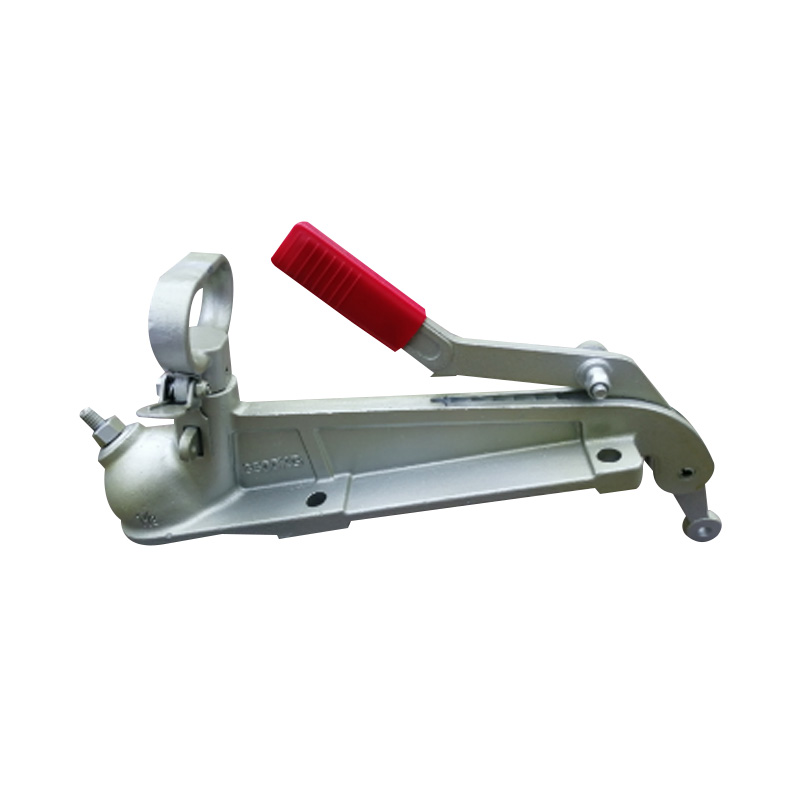 NZ Electric Coupling 50 mm Towball 3.5T RatedSuits 50mm...
-
-
Trailer Spring
>
-
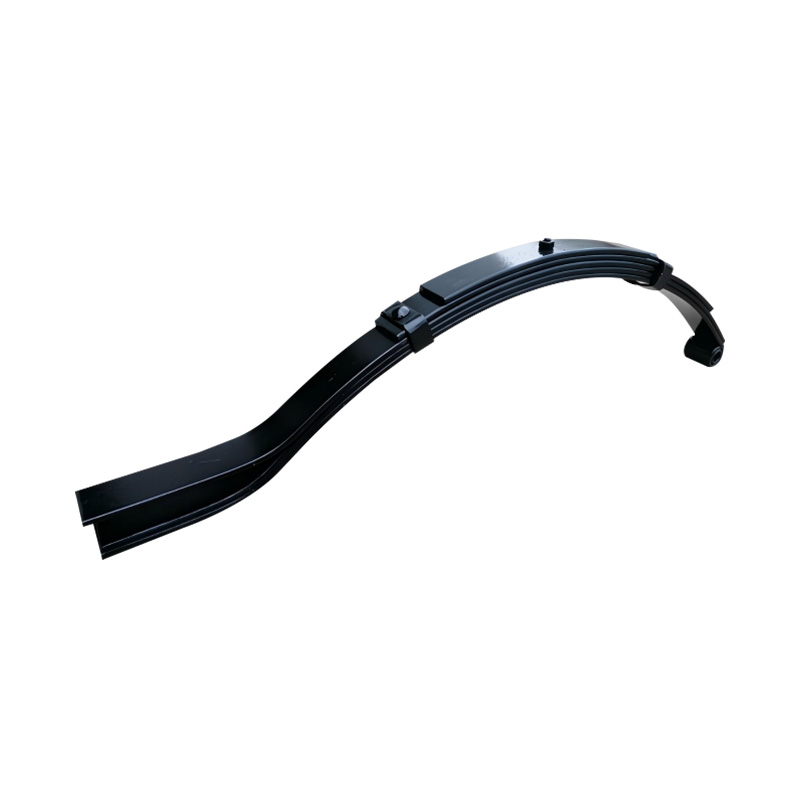 Slipper to Eye Spring, 6×45×5
 -
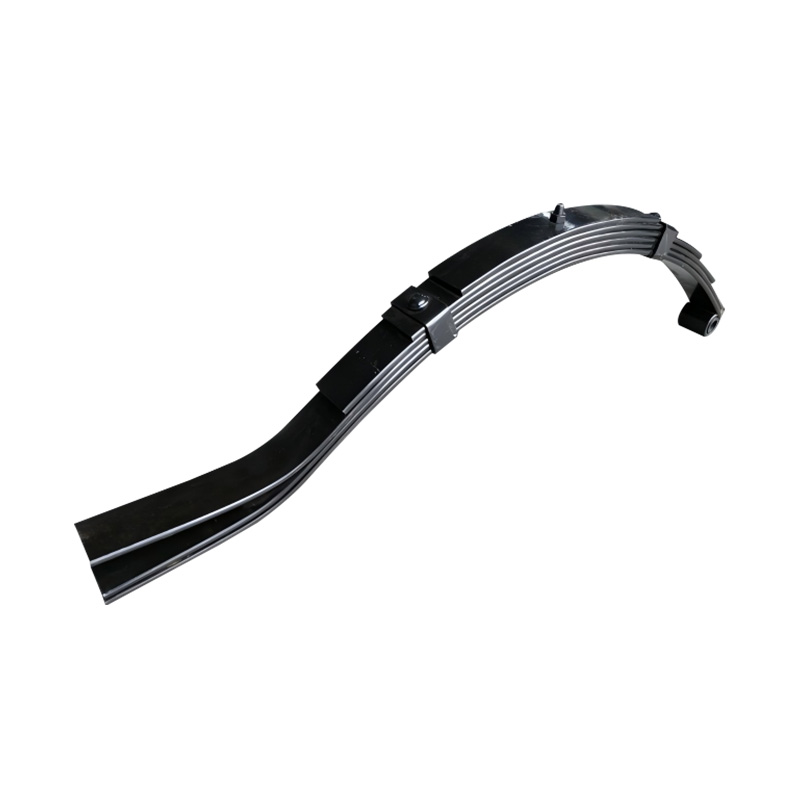 Slipper to Eye Spring, 6×45×6
 -
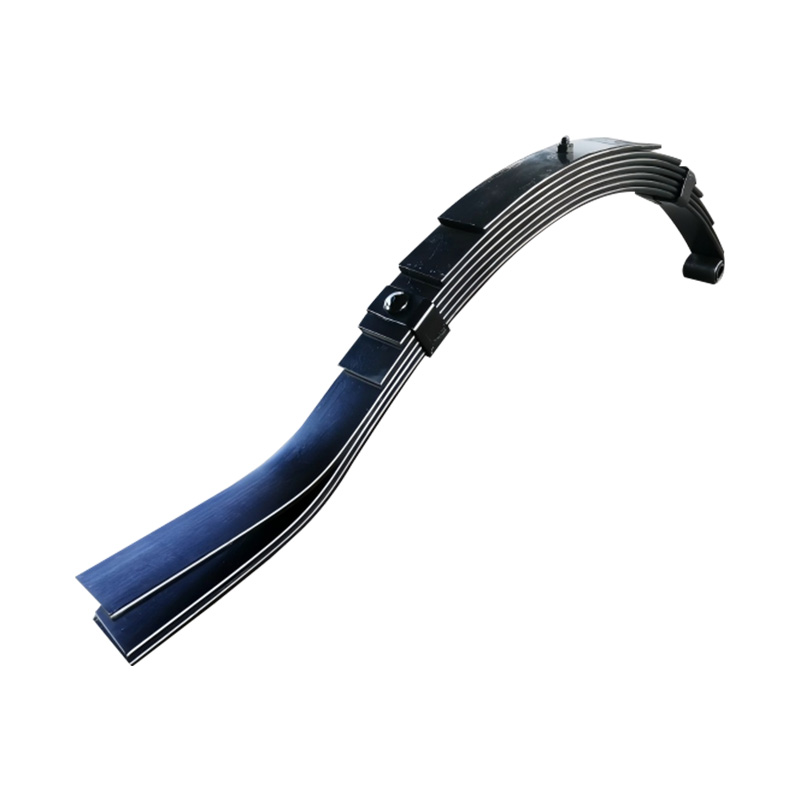 Slipper to Eye Spring, 6×45×7
 -
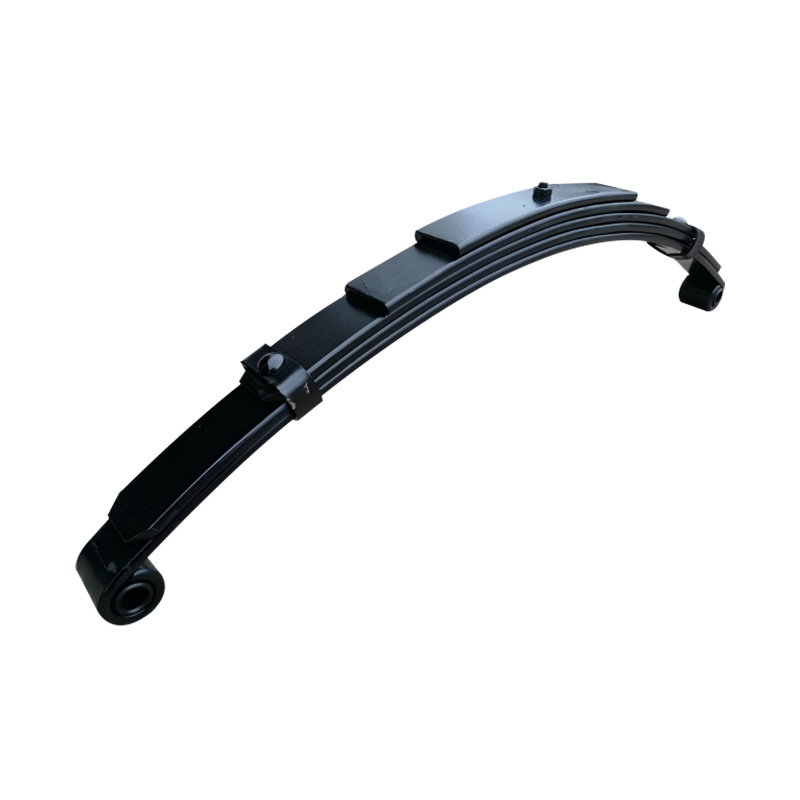 Eye to Eye Spring, 8×45×5
 -
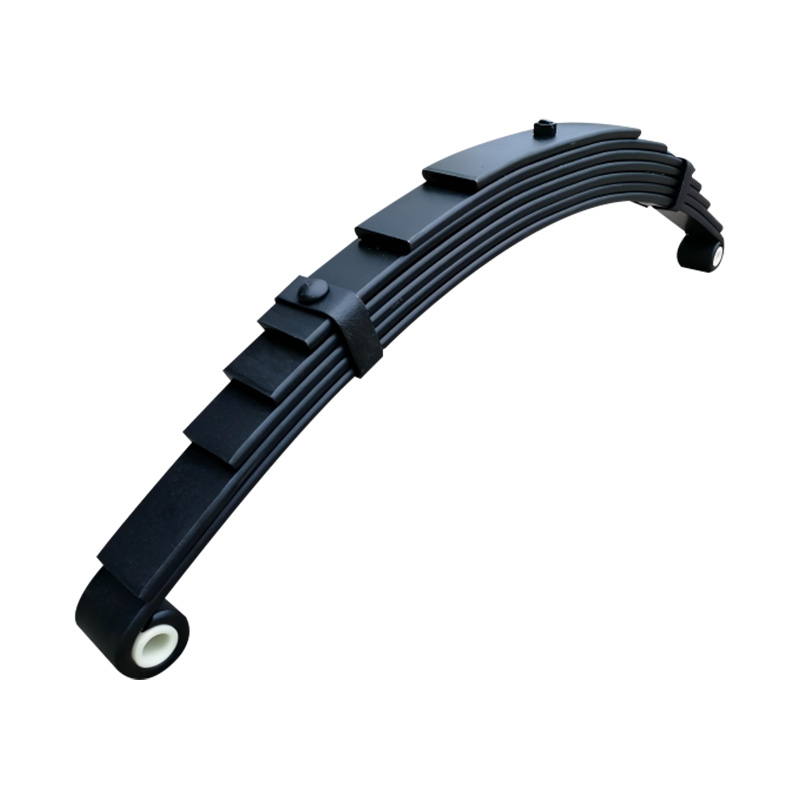 Eye to Eye Spring, 8×45×7
 -
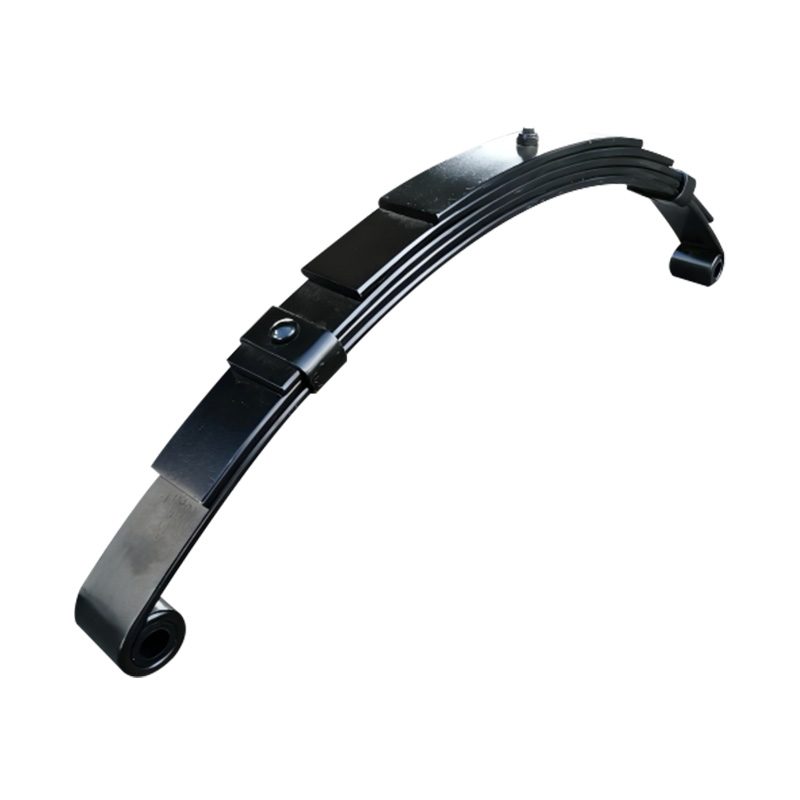 Eye to Eye Spring 6×45×5
 -
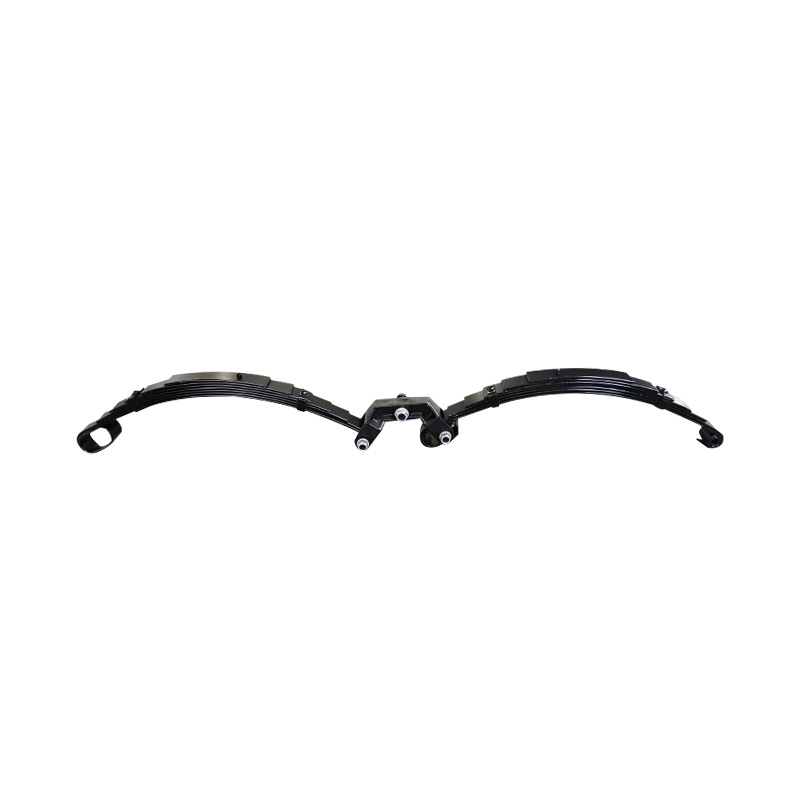 Leaf Rocker Roller Spring, 6×60×7
 -
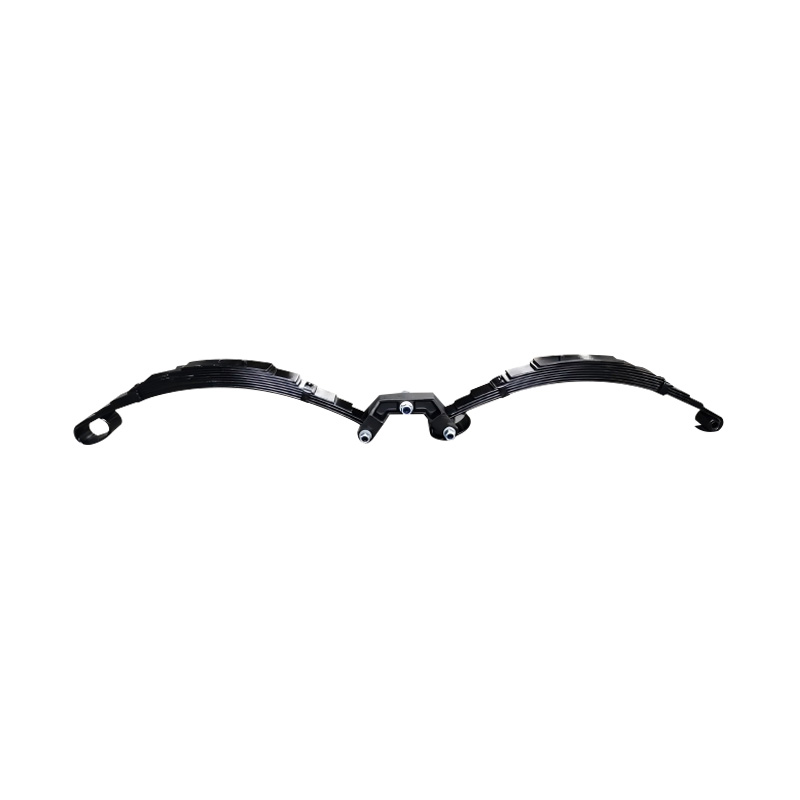 Leaf Rocker Roller Spring, 6×60×9
 -
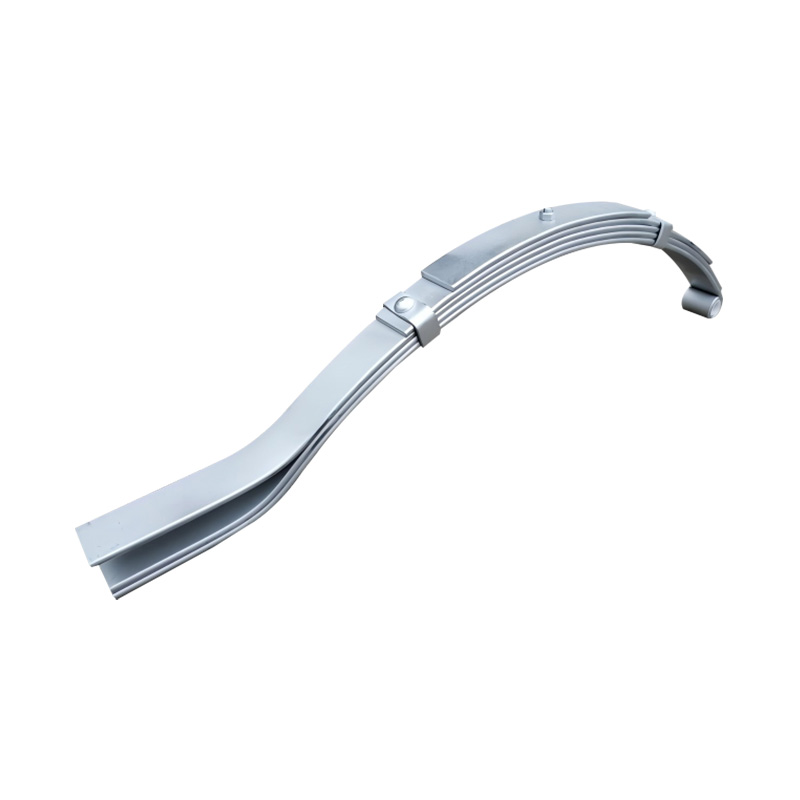 Boat trailer Slipper to Eye Spring 6×45×5
 -
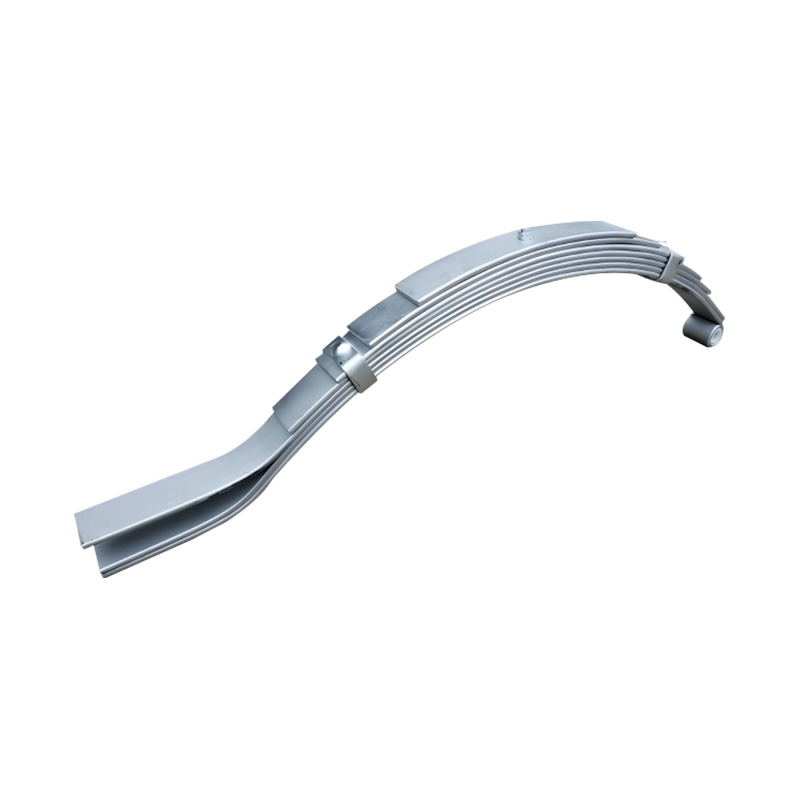 Boat trailer Slipper to Eye Spring 6×45×7
-
- Trailer Axle >
- Trailer Brake >
- Trailer U Bolt >
- Trailer Wheel >
-
Trailer Mudguard
>
-
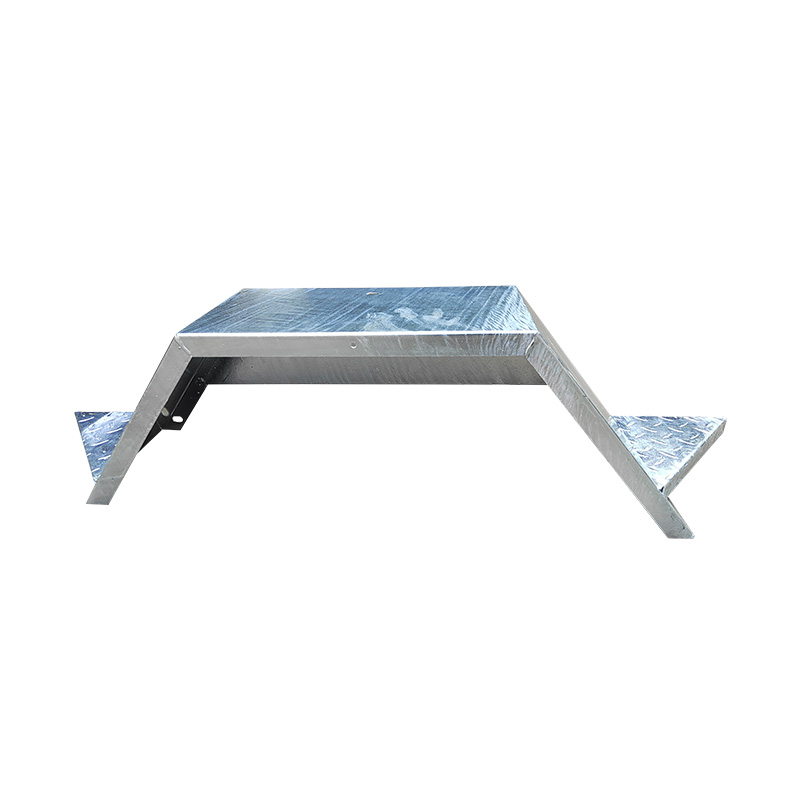 13" Single Axle Galvanized Trailer MudguardThis 13-in...
 -
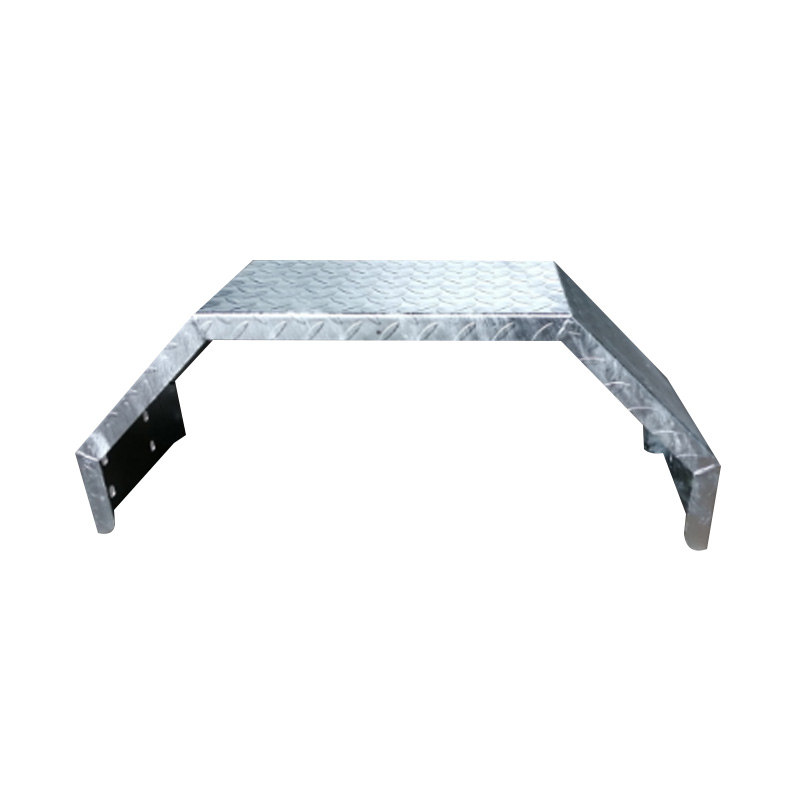 14" Single Axle Galvanized Trailer MudguardBuilt for ...
 -
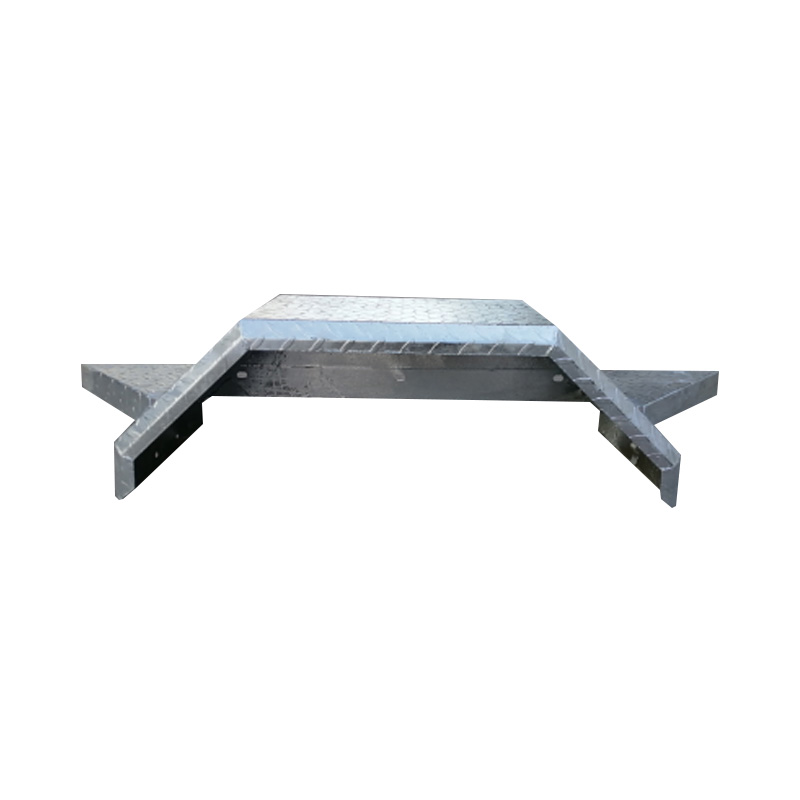 14" Single Axle Galvanized Trailer Mudguard with Side StepThis 14-in...
 -
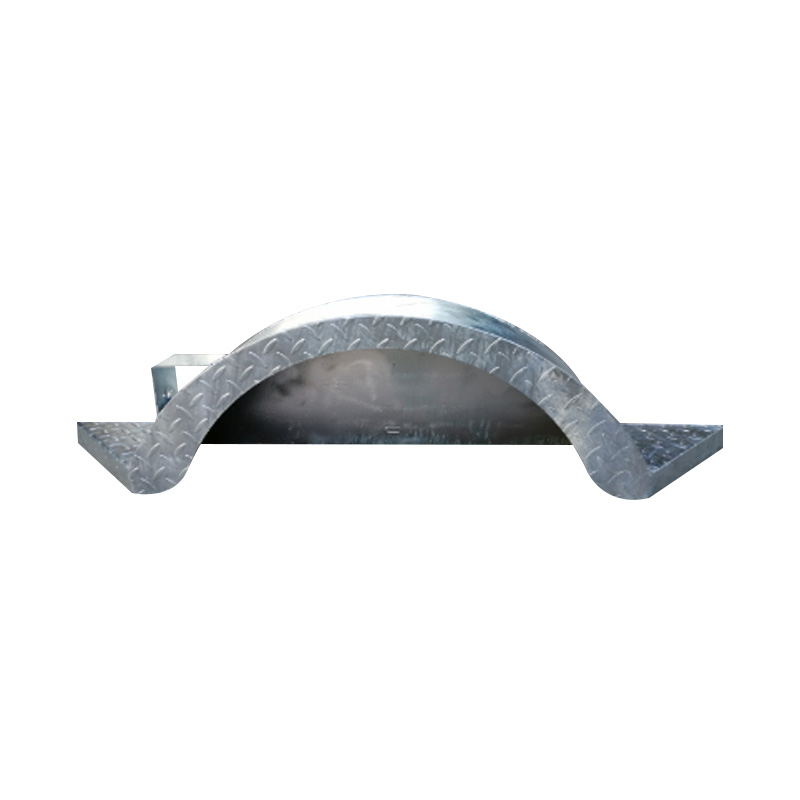 14" Single Axle Round Galvanized Trailer MudguardCrafted wi...
 -
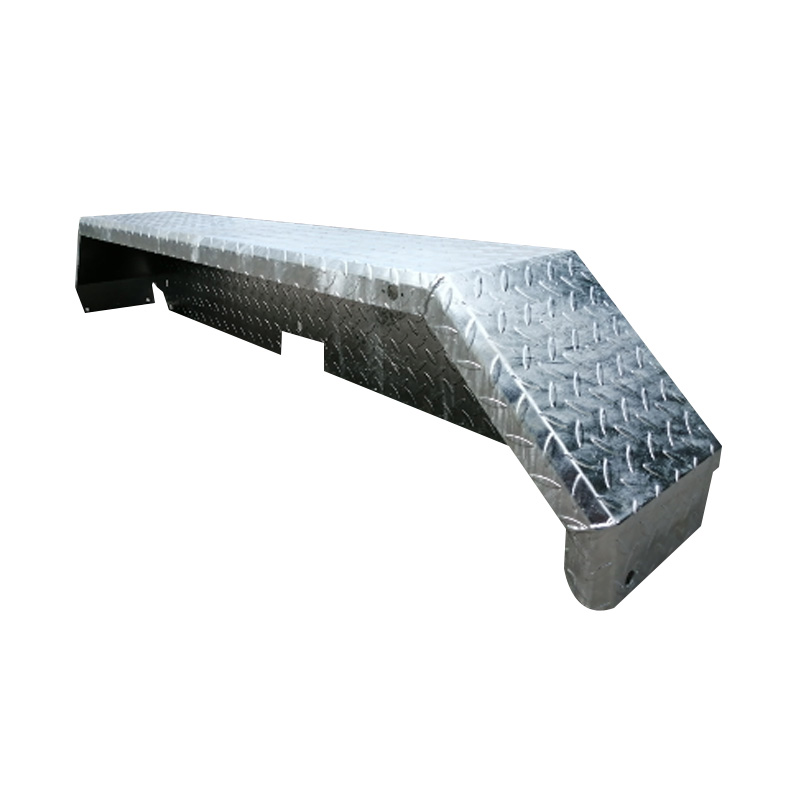 14" Tandem Galvanized Trailer MudguardEngineered...
 -
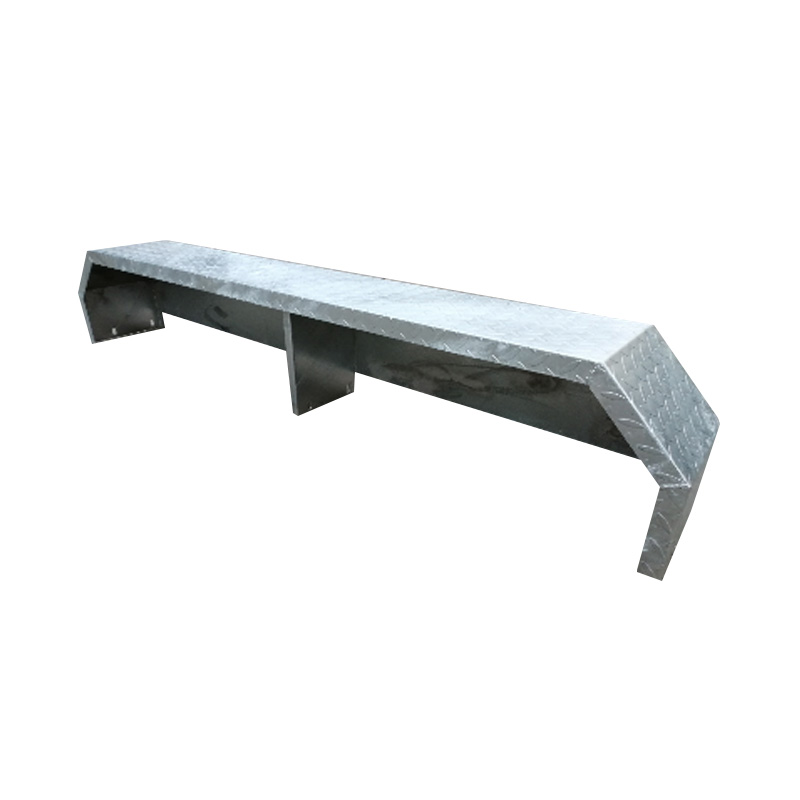 14" Tandem Aluminum Trailer MudguardThis 14-in...
-
-
Trailer Light
>
-
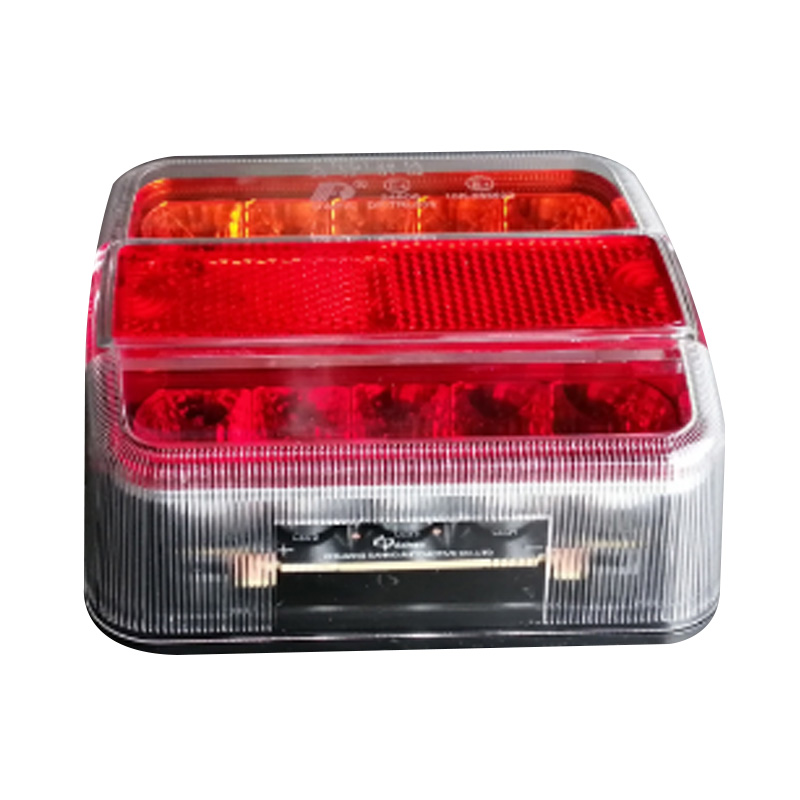 LED Tail light M/Volt 107 x 99 mm 12/24V without Number Plate LightTrailer li...
 -
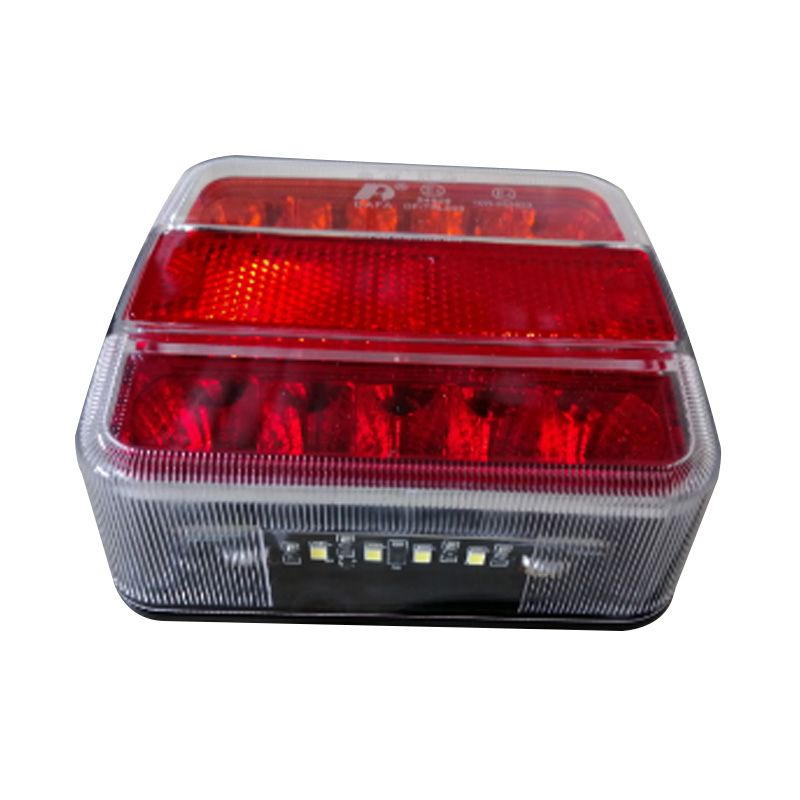 LED Tail light M/Volt 107 x 99 mm 12/24V with Number Plate LightTrailer li...
 -
 White- LED SIDE Marker 60×38 mm M/Volt ClearTrailer si...
 -
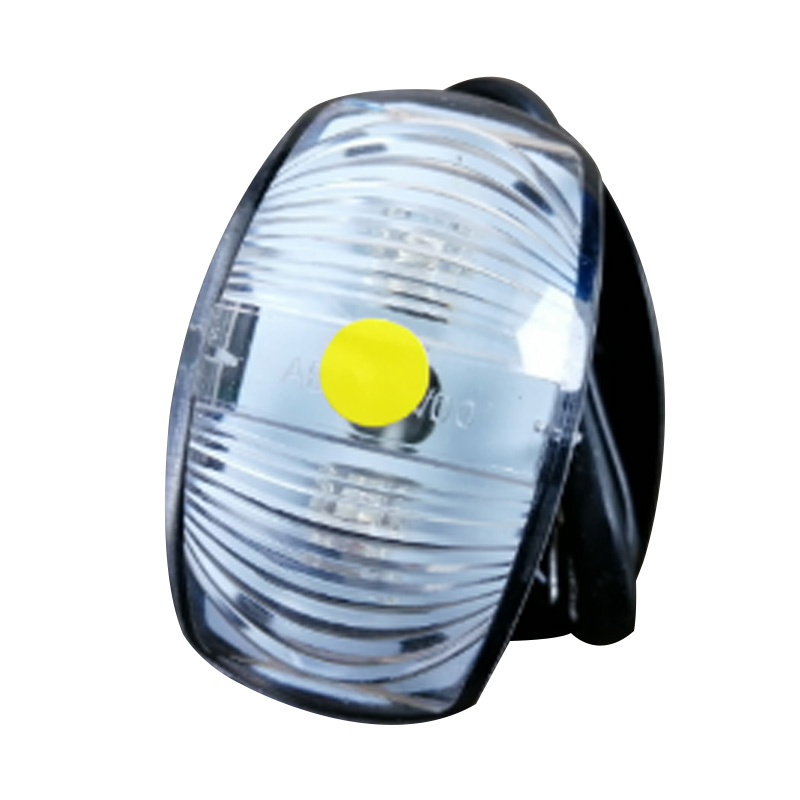 Yellow-LED SIDE Marker 59×35 mm M/Volt ClearTrailer si...
 -
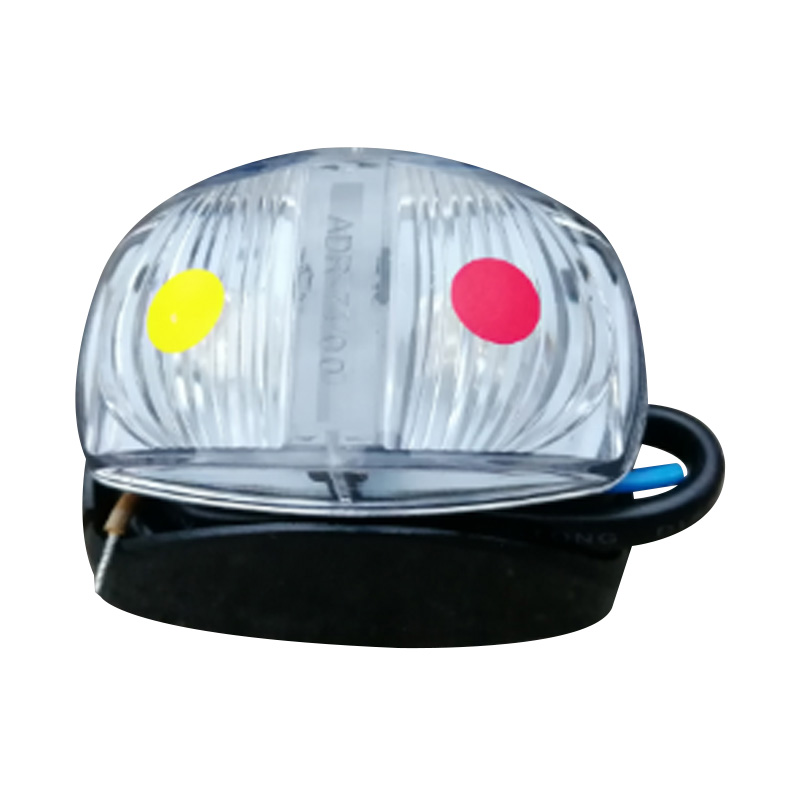 Yellow & Red-LED SIDE 59×35 mm Marker M/Volt ClearTrailer si...
 -
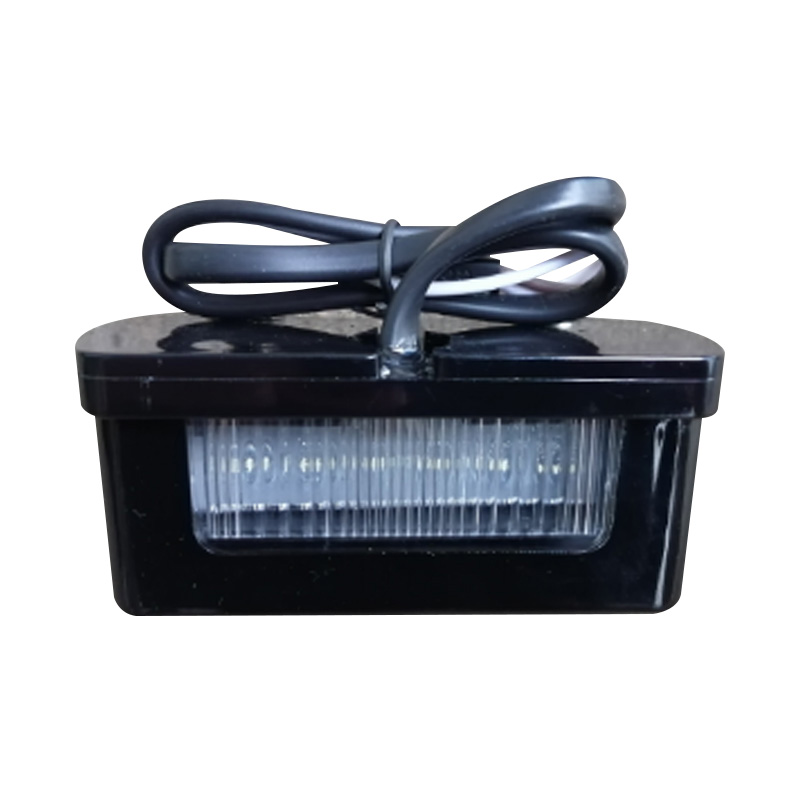 80×35 mm LED Number Plate LightTrailer nu...
 -
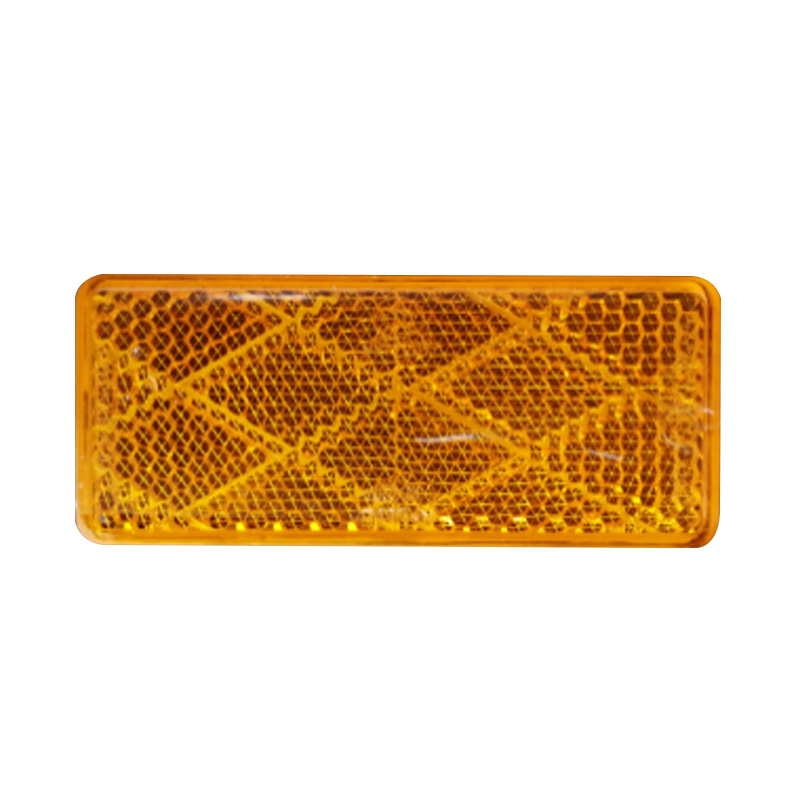 70×30 mm Reflector Stick On AmberReflectors...
 -
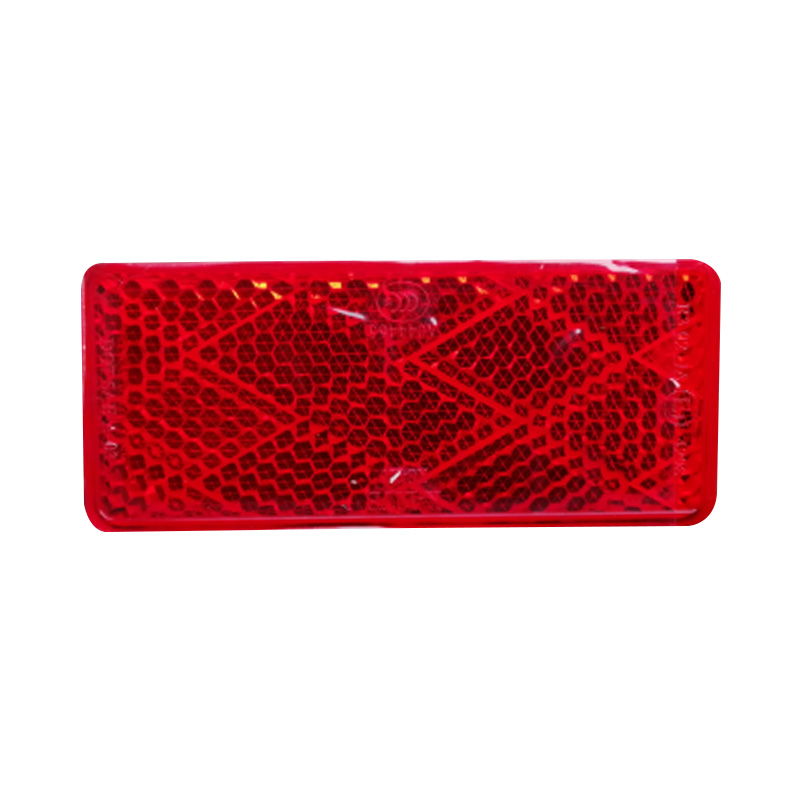 70×30 mm Reflector Stick On RedReflectors...
 -
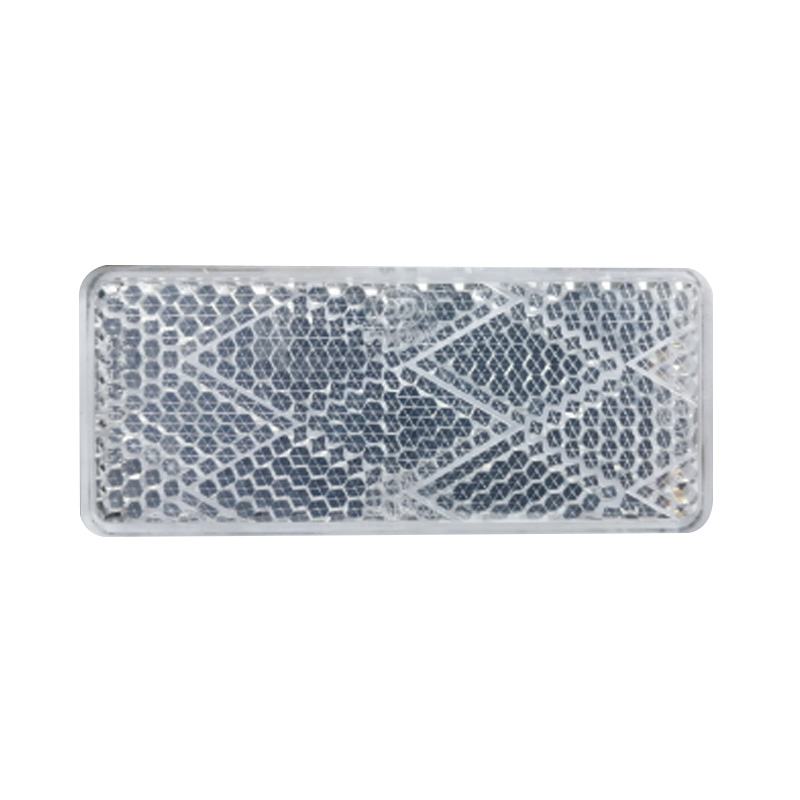 70×30 mm Reflector Stick On ClearReflectors...
-
- Trailer Cage >
- Trailer Canvas Cover >
-
Trailer Drawbar Toolbox
>
-
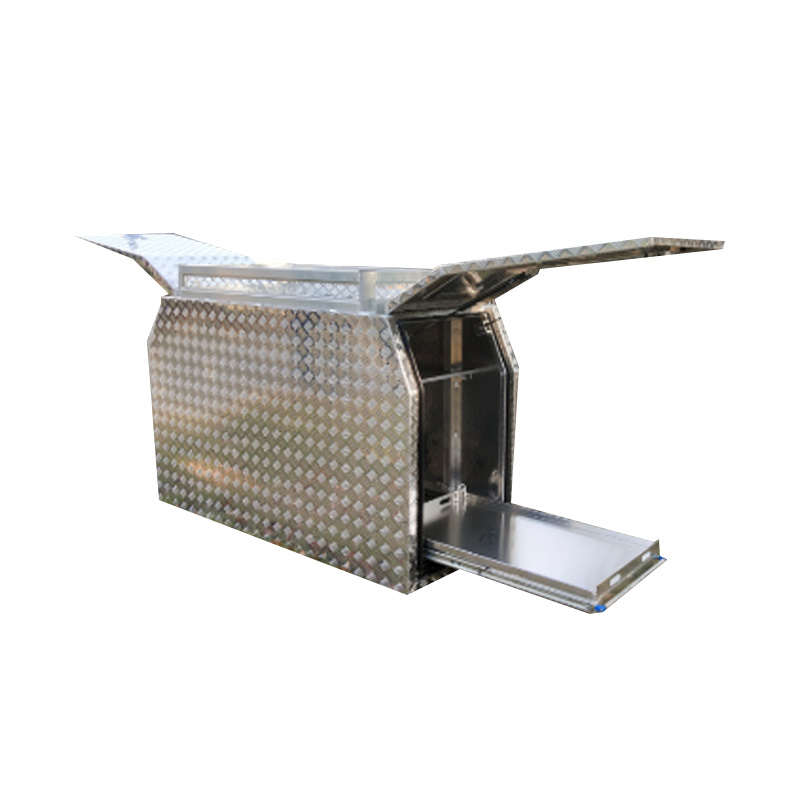 Side Open Trailer Drawbar Aluminum Toolbox with Fridge Slideavaiable f...
 -
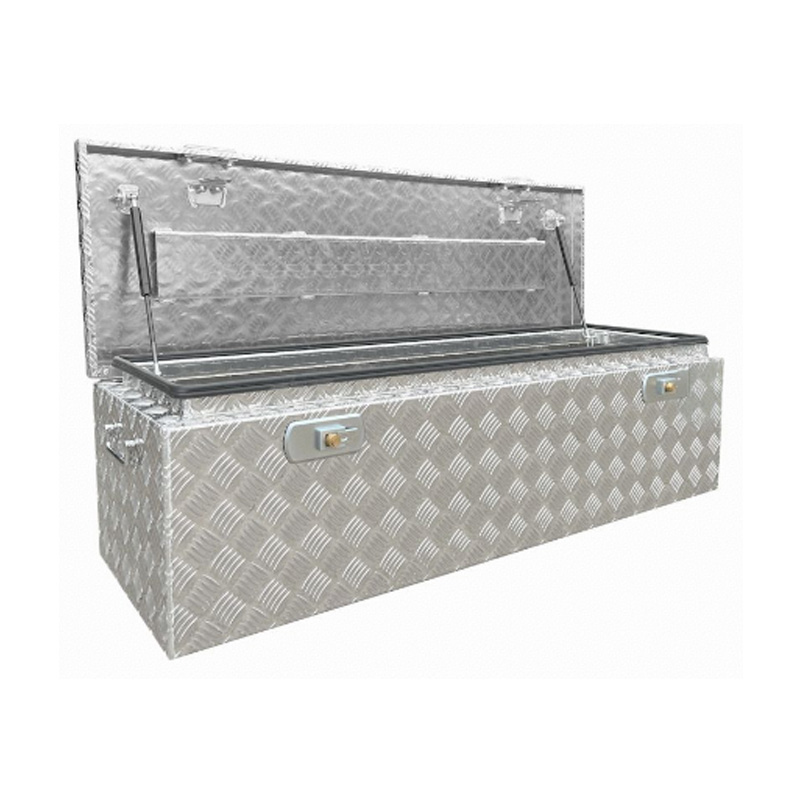 Top Opening Trailer Drawbar Aluminum Toolboxavaiable f...
 -
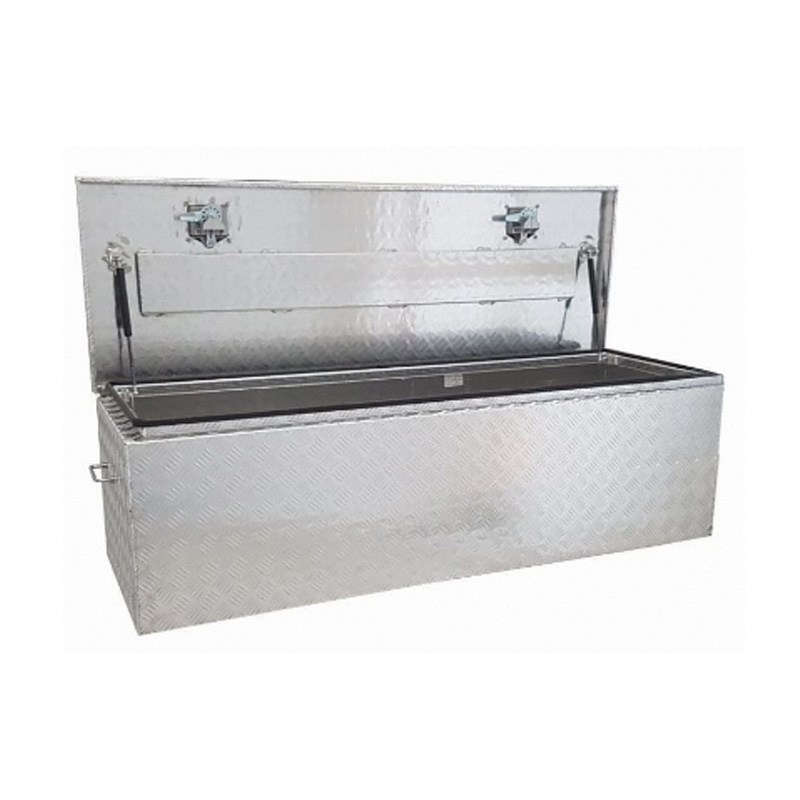 Checker Top Opening Trailer Drawbar Aluminum Toolboxavaiable f...
 -
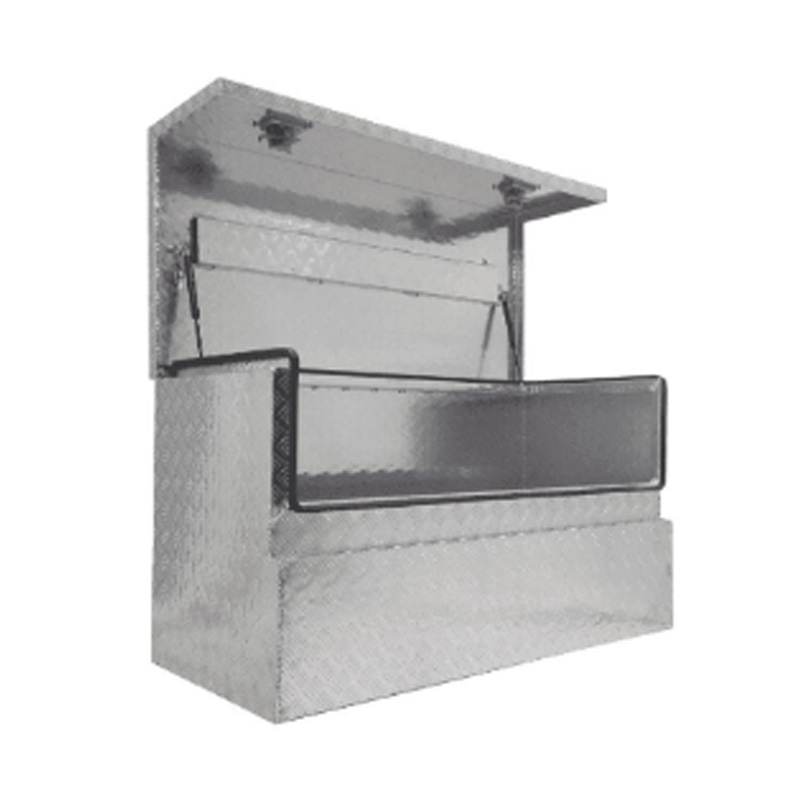 3/4 Angle Toolbox Trailer Drawbar Aluminum Toolboxavaiable f...
 -
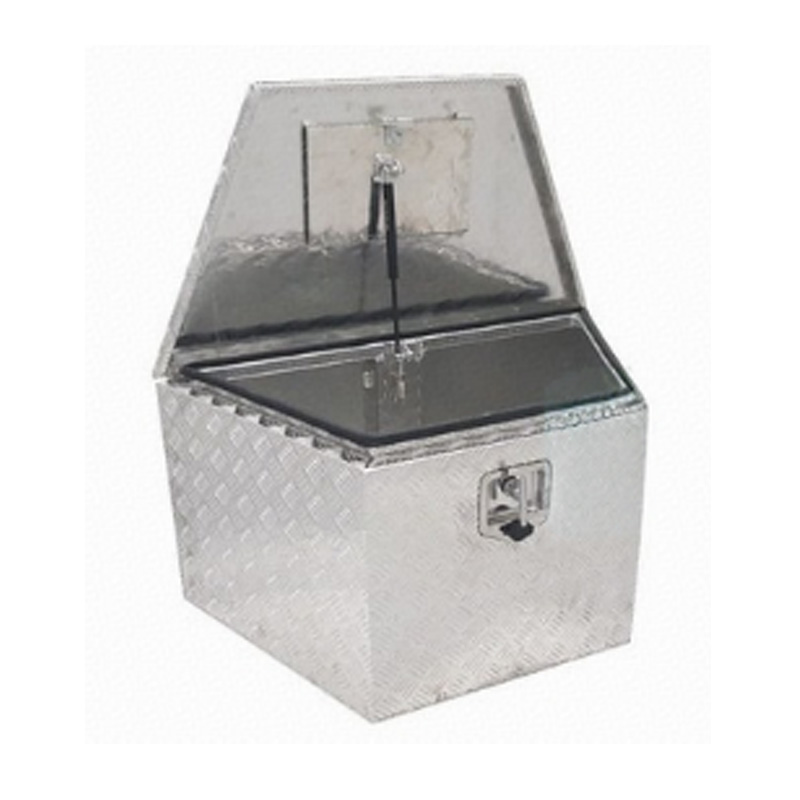 Aluminum Trailer Tongue Storage Toolbox with Lockavaiable f...
 -
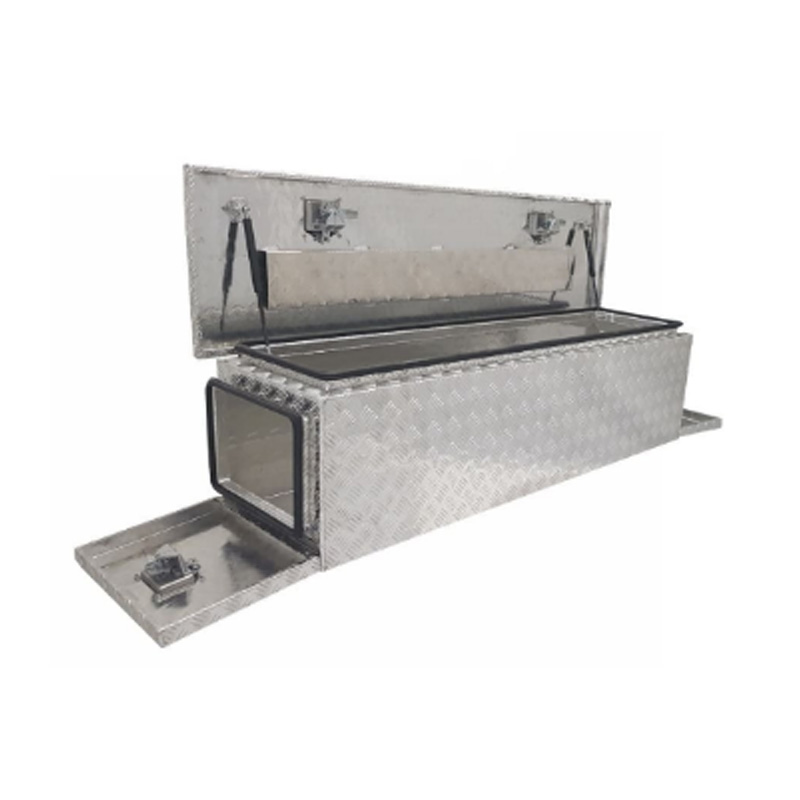 Checker 3 Lid Ute Toolbox Trailer Drawbar Aluminum Toolboxavaiable f...
 -
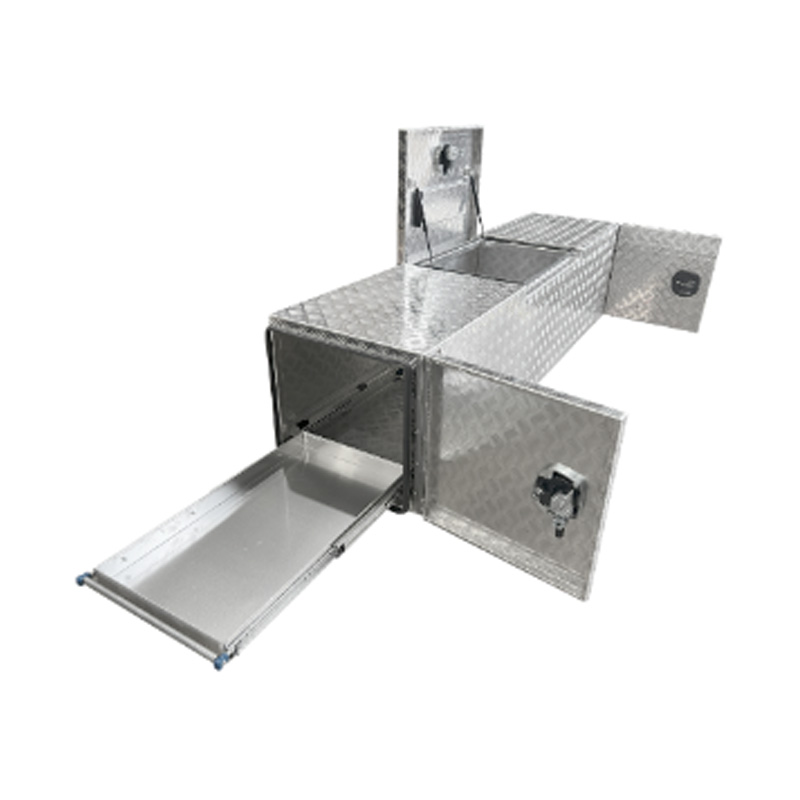 Aluminium 3 Lid Slides Trailer Drawbar Toolbox with Fridge Slideavaiable f...
 -
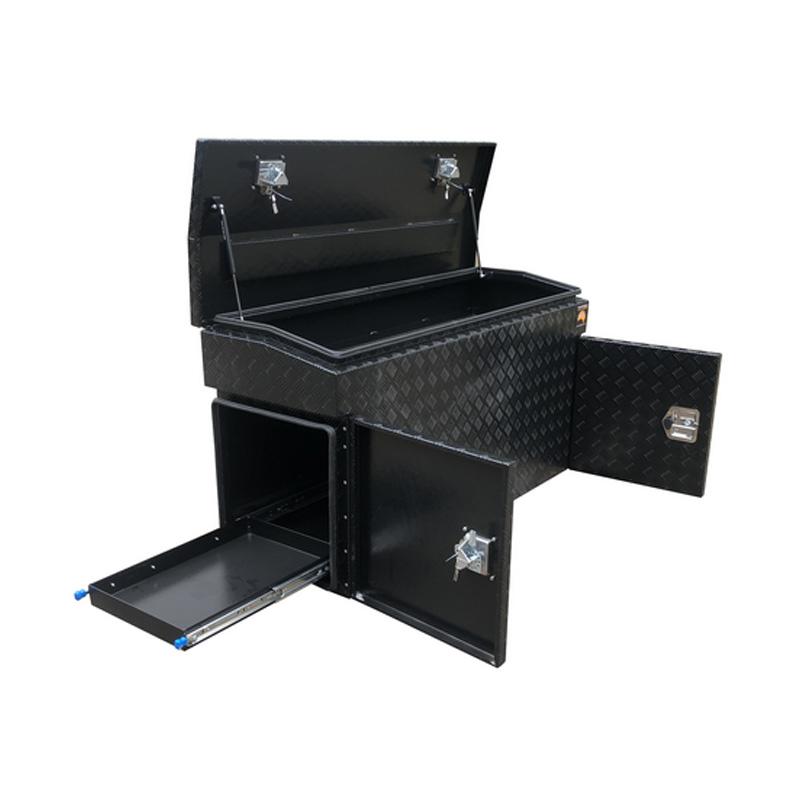 Black Aluminium Ute Toolbox Fridge Slide Trailer Drawbar Toolboxavaiable f...
 -
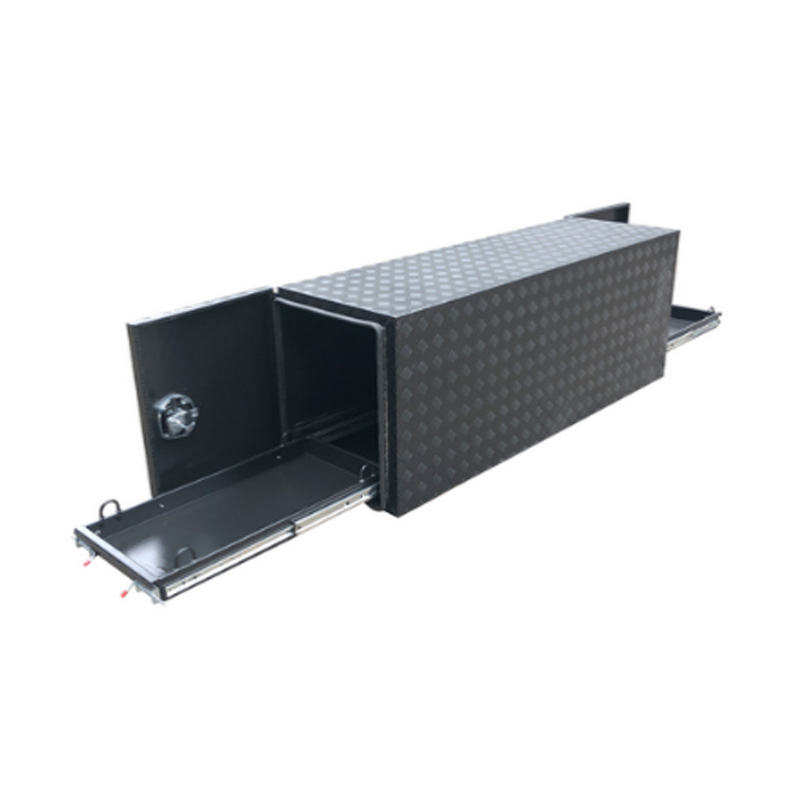 Black Trailer Drawbar Aluminum Toolbox with Fridge Slideavaiable f...
 -
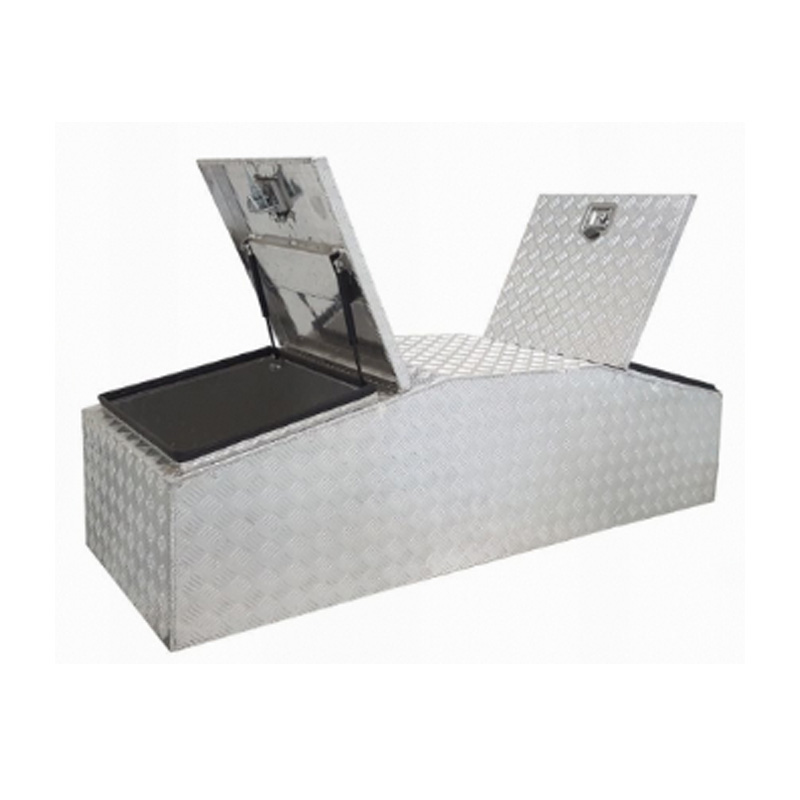 Gullwing 2 Lid Trailer Drawbar Aluminum Toolboxavaiable f...
 -
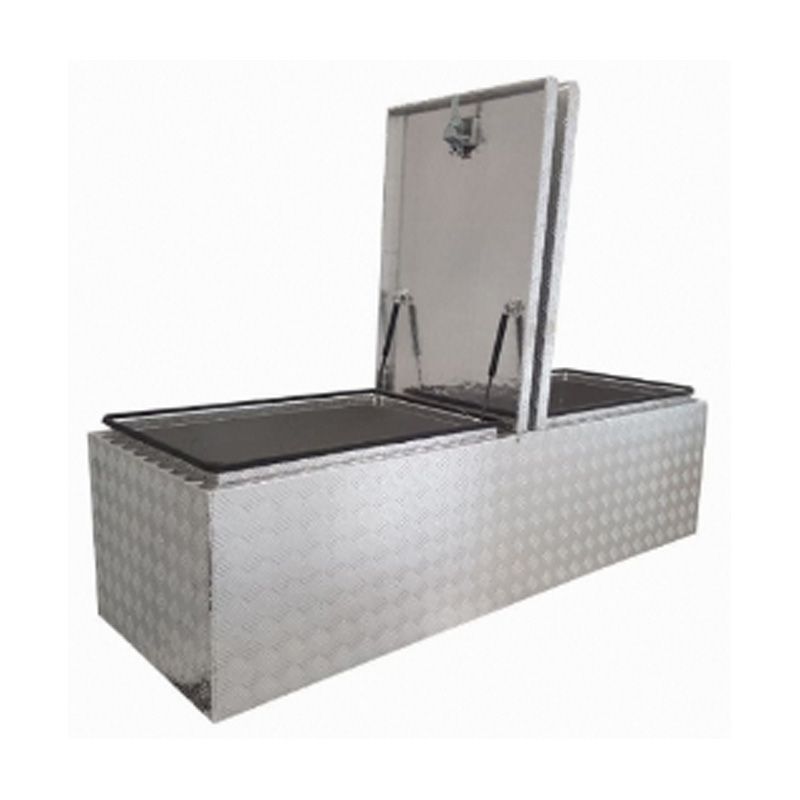 Checker Flat Top Dual 2 Lid Trailer Drawbar Aluminum Toolboxavaiable f...
 -
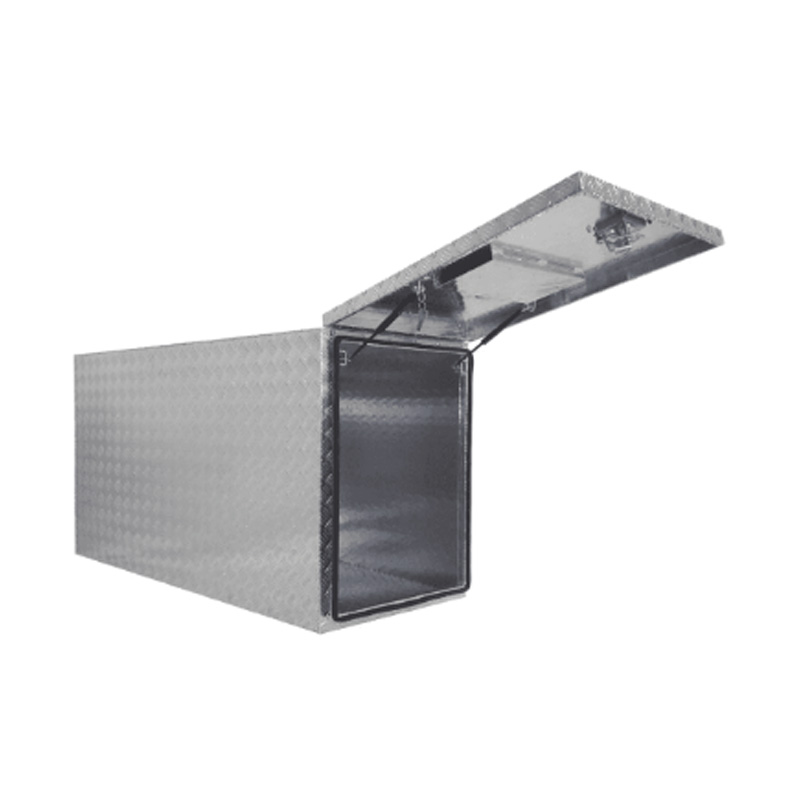 Full Side Opening Door Trailer Drawbar Aluminum Toolboxavaiable f...
-
- Trailer Mower Box >
- Trailer H Bar >
- Trailer Spare Wheel Holder >
-
Toolbox Accessories
>
- Toolbox Mounting Kit >
-
Toolbox Locks
>
-
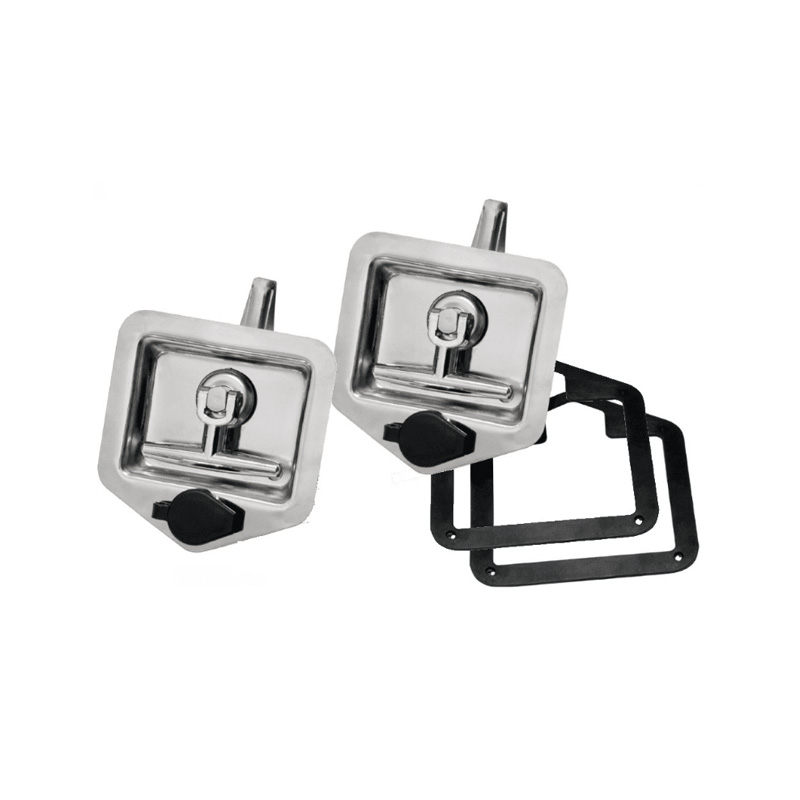 Stainless Steel T-Lock STUD MountMaterial: ...
 -
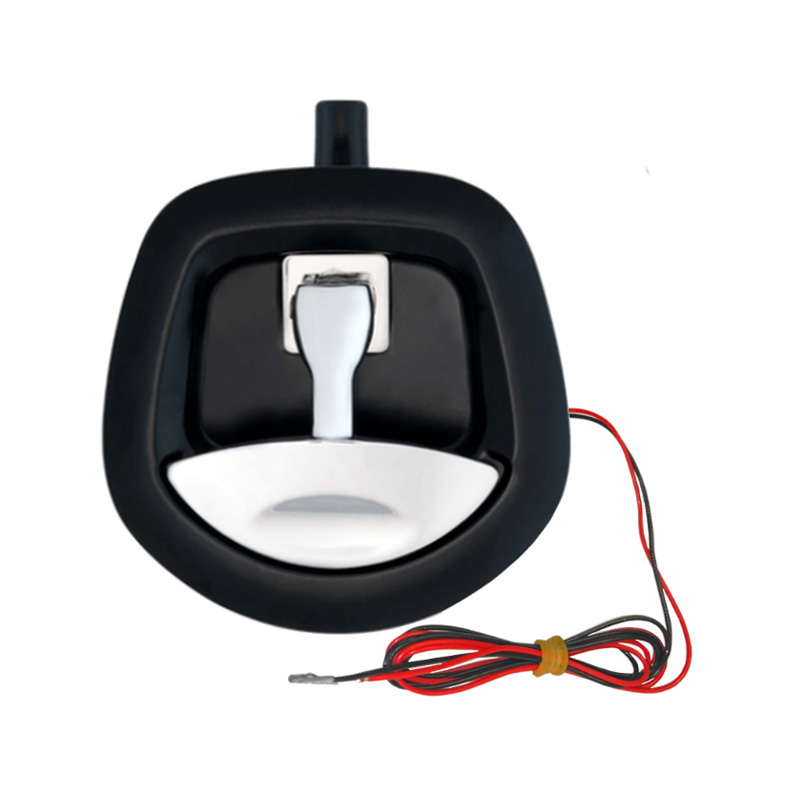 12V Recessed Folding Padlock Friendly Whale Tail Handle ACT-WTLOCKKey lockin...
 -
 Whale Tail T-Lock Padlockable Whale Tail HandleKey lockin...
 -
 Black Whale Tail T-Lock Padlockable Whale Tail HandleKey lockin...
 -
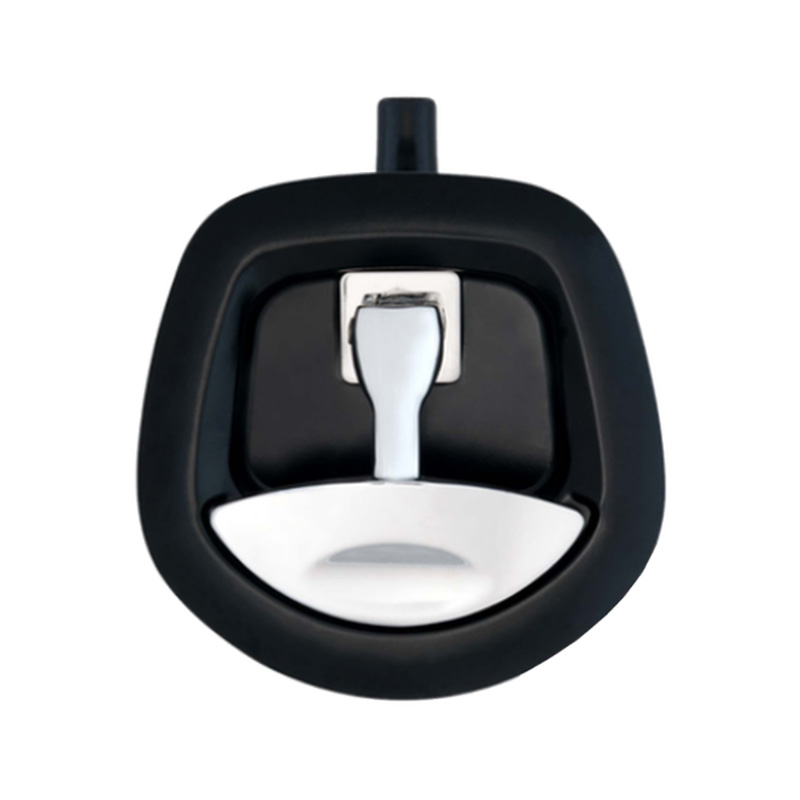 Chome & Black Whale Tail T-Lock Padlockable Whale Tail HandleKey lockin...
 -
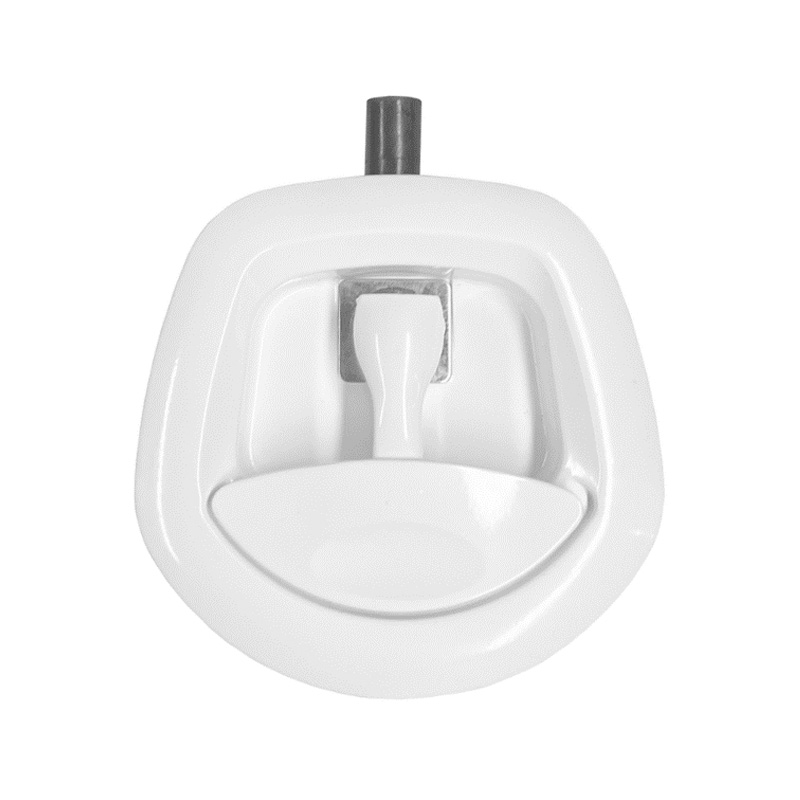 White Whale Tail T-Lock Padlockable Whale Tail HandleKey lockin...
-
-
Toolbox Drawer Unites
>
-
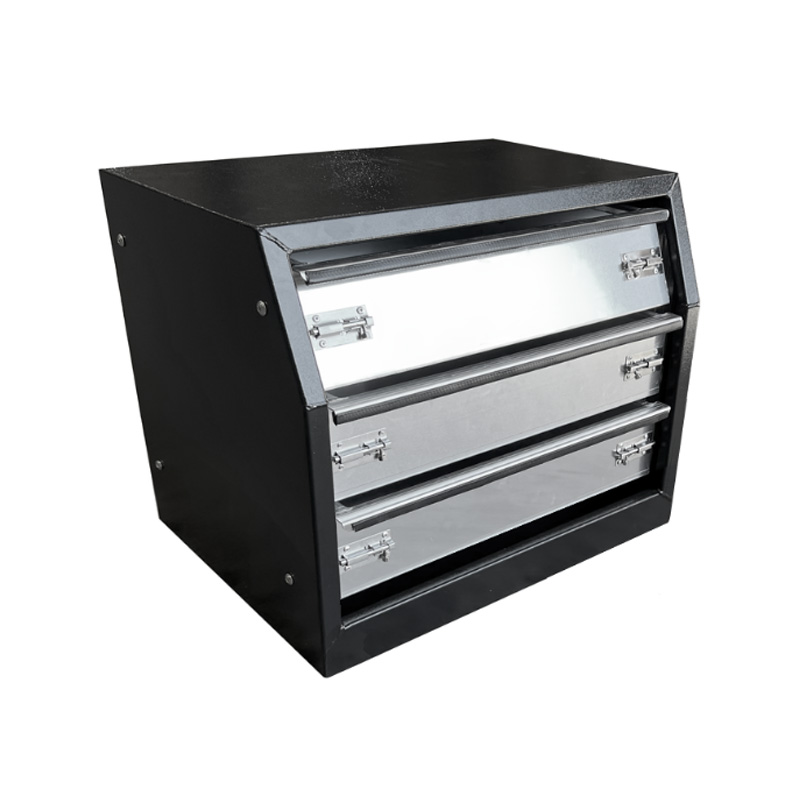 600 x 430 x 450mm Black Aluminium 3 Drawer Unit for Ute Truck Tool box Canopy Caravan Tool BoxThickness:...
 -
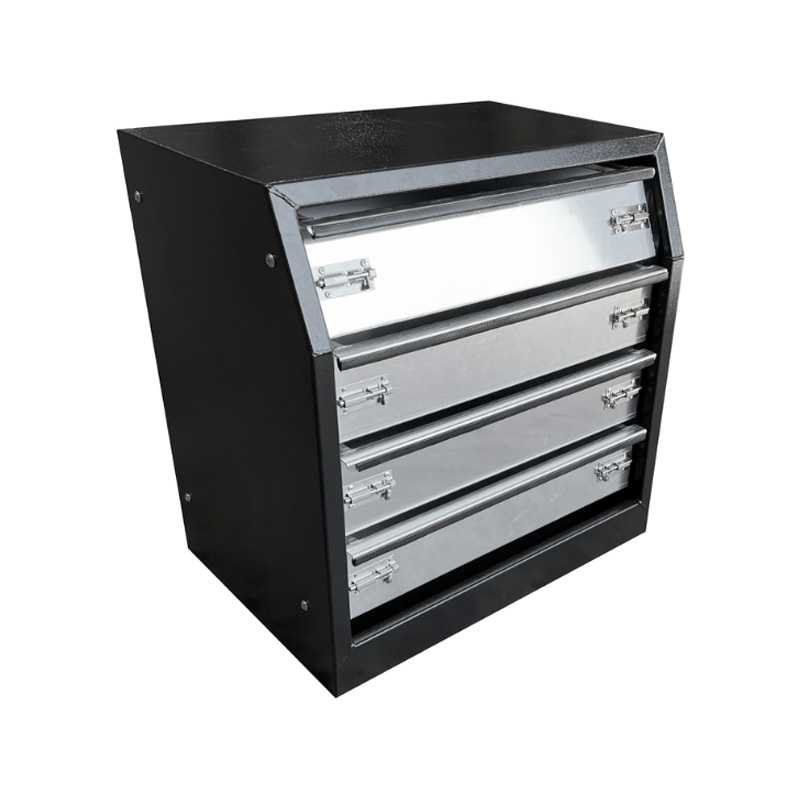 600 x 430 x 620mm Black Aluminium 4 Drawer Unit for Ute Truck Tool box Canopy Caravan Tool BoxThickness:...
 -
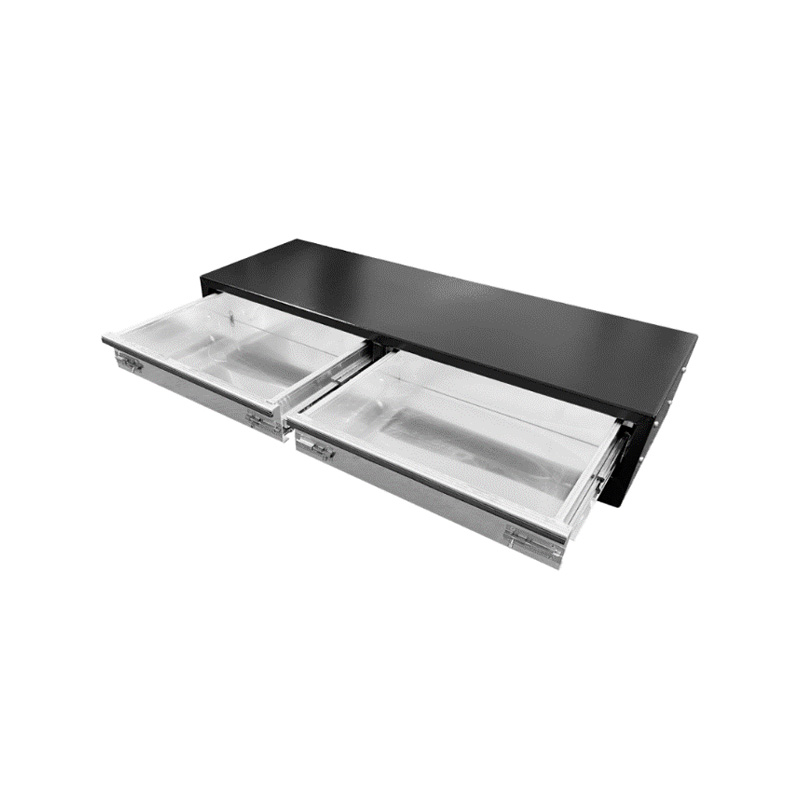 1020 x 440 x 230mm Black Aluminium 2 Drawer Unit for Ute Truck Tool box Canopy Caravan ToolboxThickness:...
 -
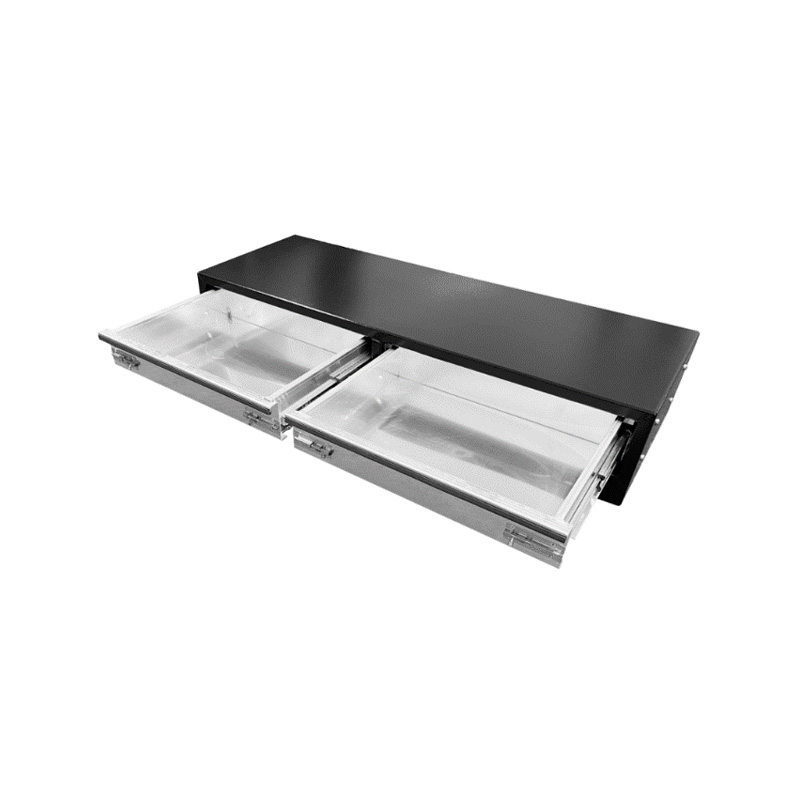 1220 x 440 x 230mm Black Aluminium 2 Drawer Unit for Ute Truck Tool box Canopy Caravan ToolboxThickness:...
 -
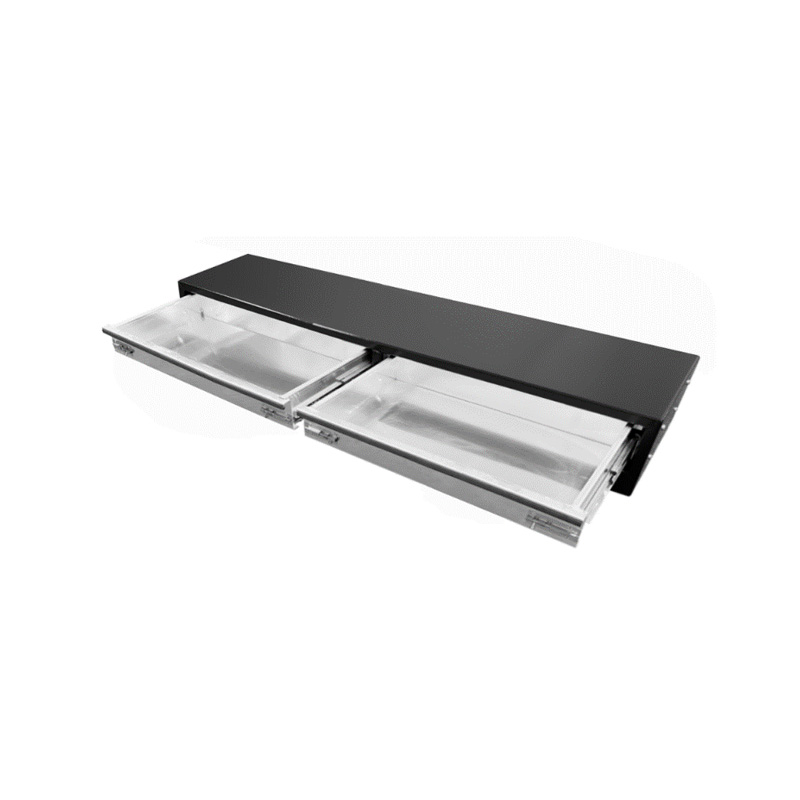 520 x 440 x 230mm Black Aluminium 2 Drawer Unit for Ute Truck Tool box Canopy Caravan ToolboxThickness:...
 -
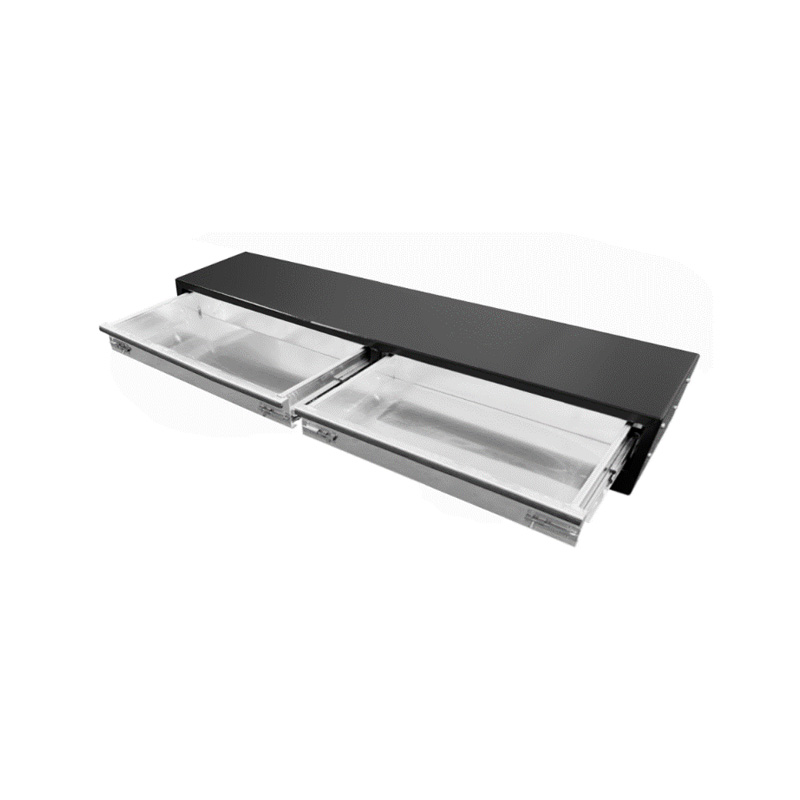 1920 x 440 x 230mm Black Aluminium 2 Drawer Unit for Ute Truck Tool box Canopy Caravan Tool BoxThickness:...
 -
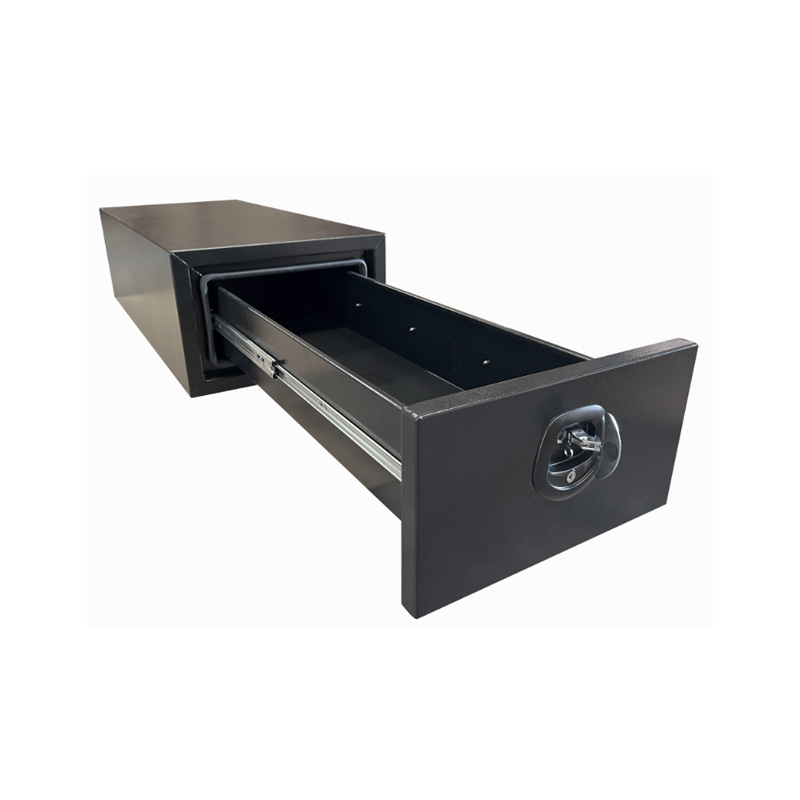 1400 x 600 x 380mm 1 Drawer Unit for Ute Truck Tool box Canopy Caravan ToolboxThickness:...
 -
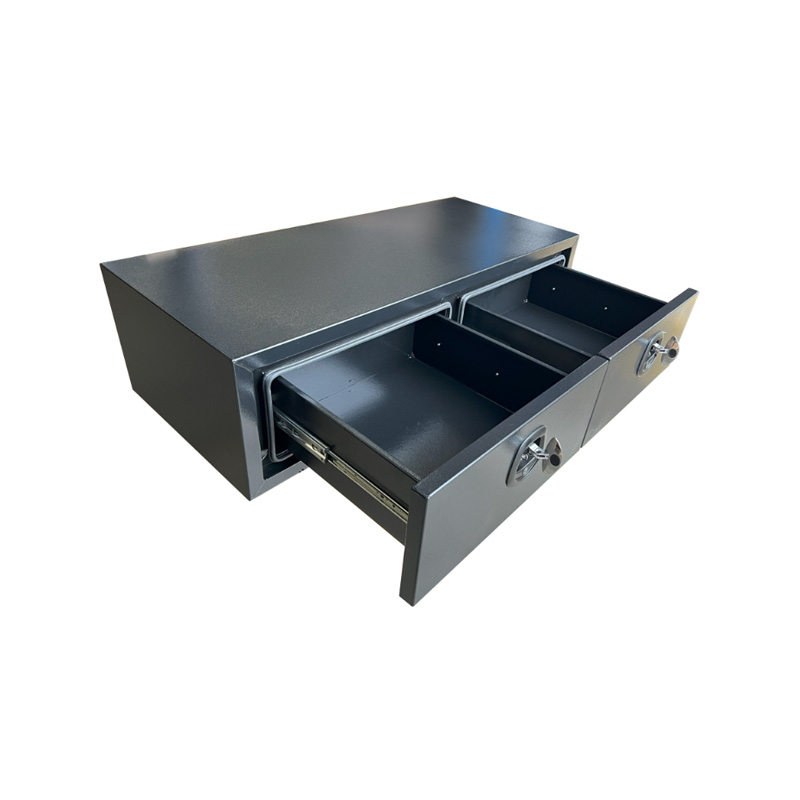 1400 x 600 x 380mm 2 Drawer Unit for Ute Truck Tool box Canopy Caravan ToolboxThickness:...
 -
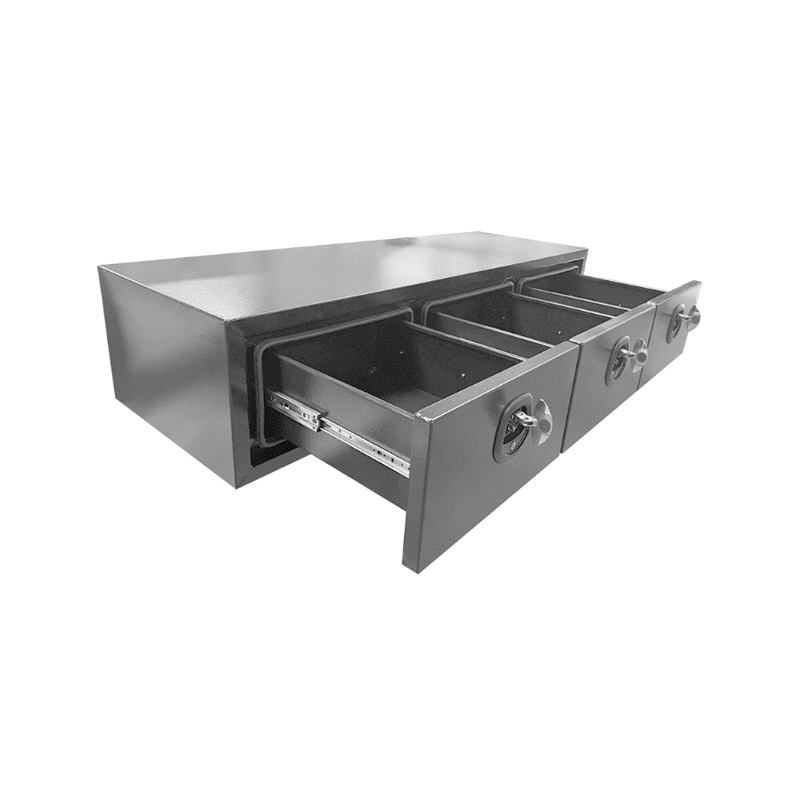 1700 x 600 x 380mm 3 Drawer Unit for Ute Truck Tool box Canopy Caravan ToolboxThickness:...
 -
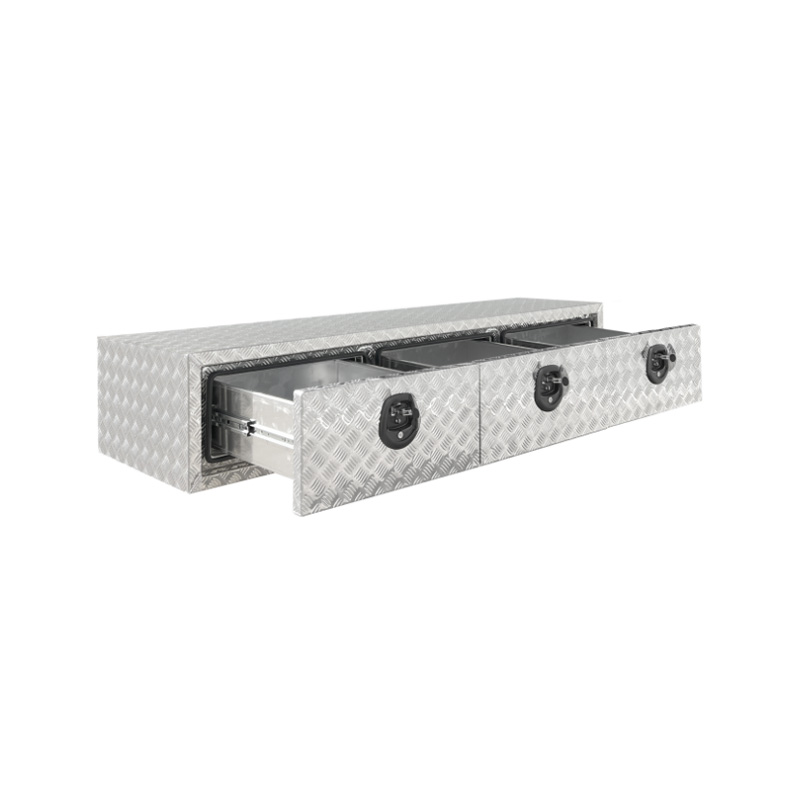 1900 x 600 x 380mm 3 Drawer Unit for Ute Truck Tool box Canopy Caravan ToolboxThickness:...
 -
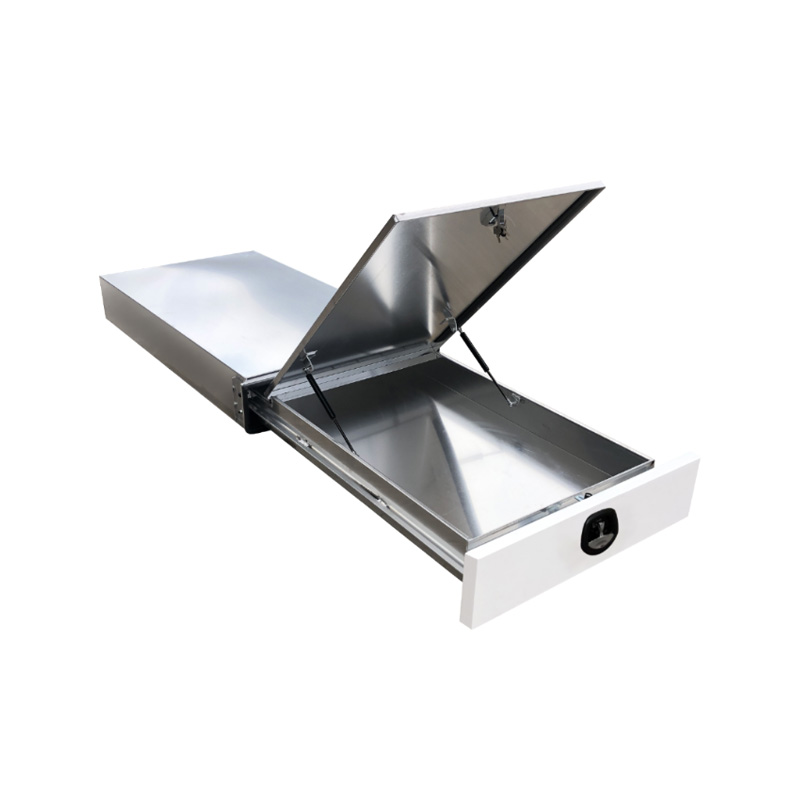 1.4m Aluminium Ute Tool box Under Tray Toolbox Trundle Roller Tray Slide Out Drawer Toolbox Benchtop LidThickness:...
 -
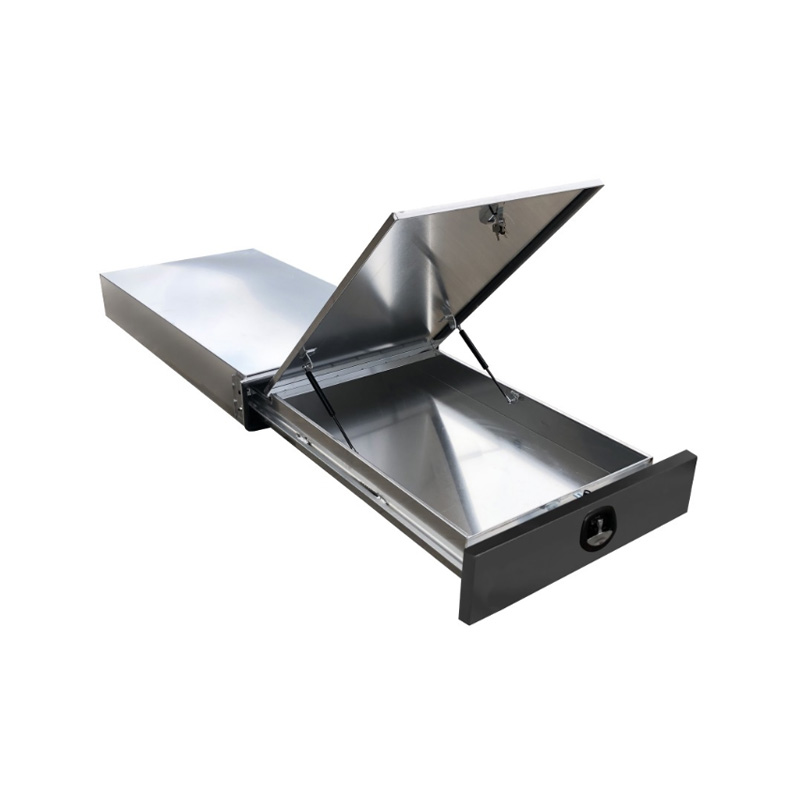 1.6m Aluminium Ute Tool box Under Tray Toolbox Trundle Roller Tray Slide Out Drawer Toolbox Benchtop LidThickness:...
 -
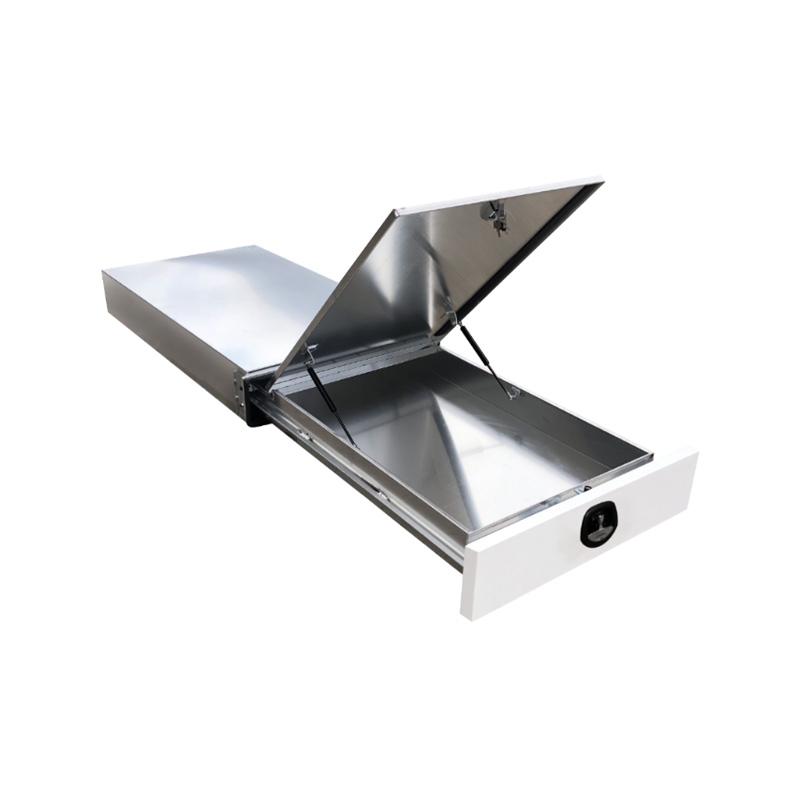 1.7m Aluminium Ute Tool box Under Tray Toolbox Trundle Roller Tray Slide Out Drawer Toolbox Benchtop LidThickness:...
-
-
Toolbox Shelves
>
-
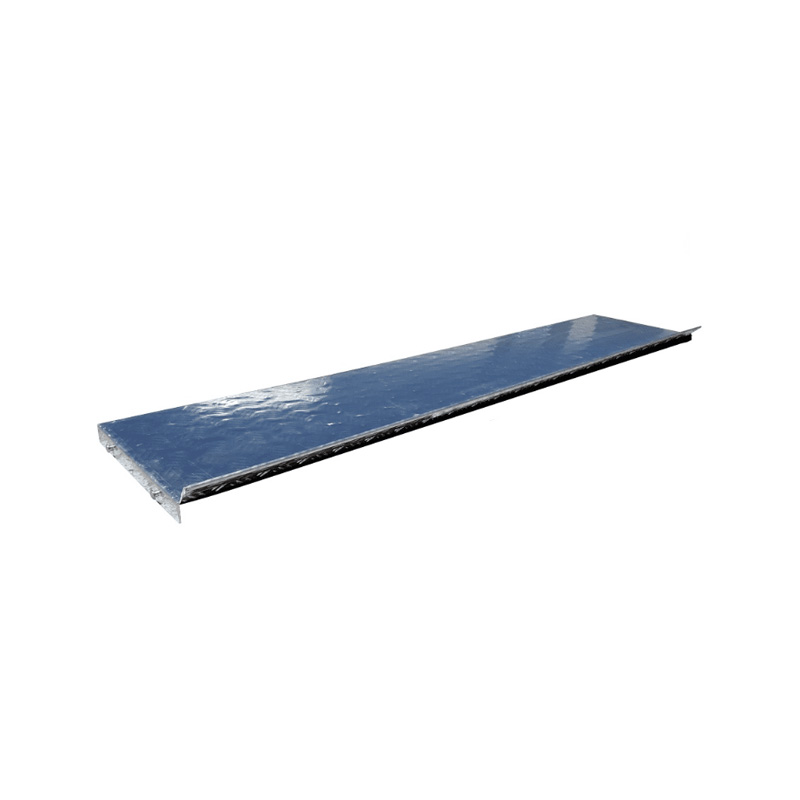 0.9m Shelf - For Aluminium Storage Toolbox Tool BoxThickness:...
 -
1.2m Shelf - For Aluminium Storage Toolbox Tool BoxThickness:...
-
1.4m Shelf - For Aluminium Storage Toolbox Tool BoxThickness:...
-
1.5m Shelf - For Aluminium Storage Toolbox Tool BoxThickness:...
-
1.6m Shelf - For Aluminium Storage Toolbox Tool BoxThickness:...
-
1.7m Shelf - For Aluminium Storage Toolbox Tool BoxThickness:...
-
1.8m Shelf - For Aluminium Storage Toolbox Tool BoxThickness:...
-
1.9m Shelf - For Aluminium Storage Toolbox Tool BoxThickness:...
-
1.94m Shelf - For Aluminium Storage Toolbox Tool BoxThickness:...
-
2.1m Shelf - For Aluminium Storage Toolbox Tool BoxThickness:...
-
-
Gas Strut
>
-
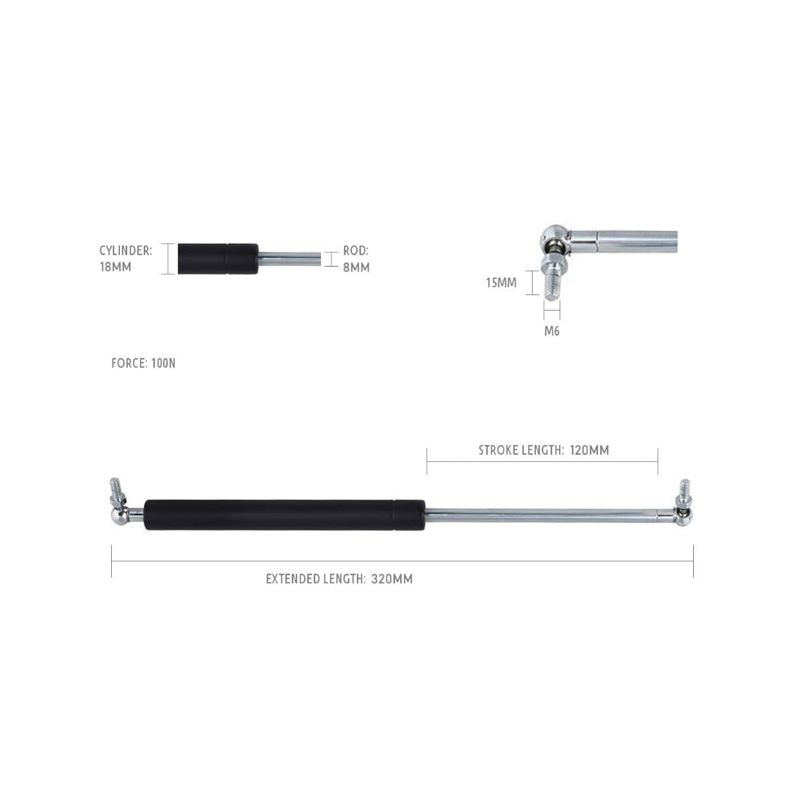 Gas Strut 120-320/100N GS120-320-100NExtended L...
 -
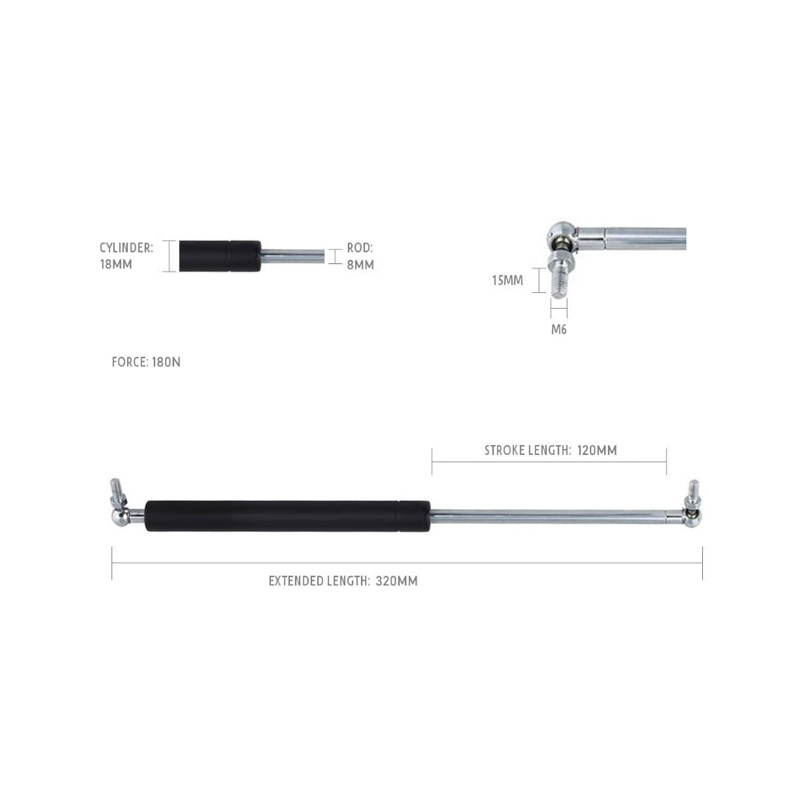 Gas Strut 120-320/180N GS120-320-180NExtended L...
 -
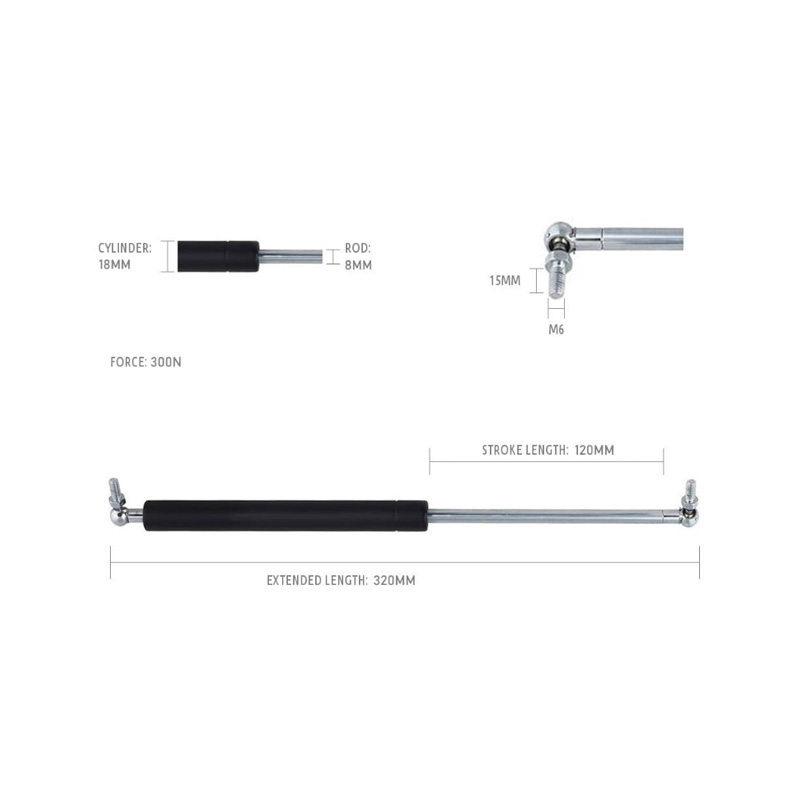 Gas Strut 120-320/300N GS120-320-300NExtended L...
 -
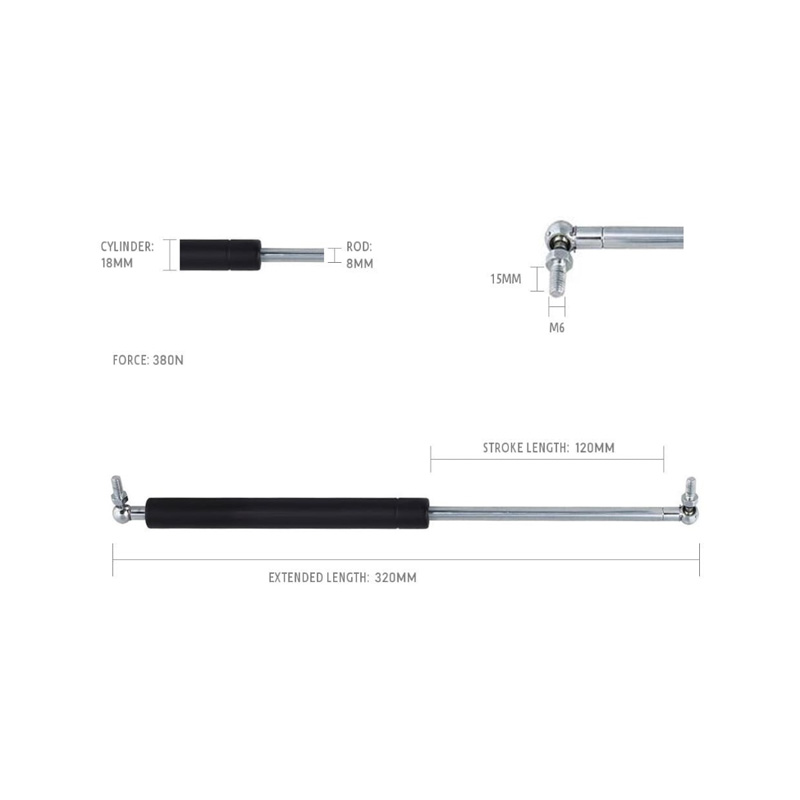 Gas Strut 120-320/380N GS120-320-380NExtended L...
 -
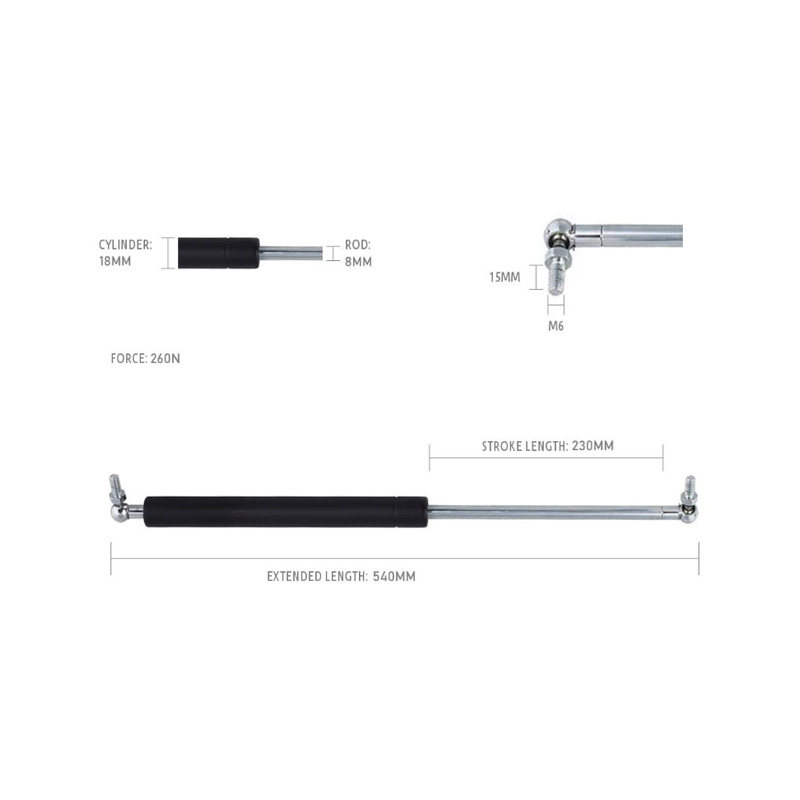 Gas Strut 230-540/260N GS230-540-260NExtended L...
 -
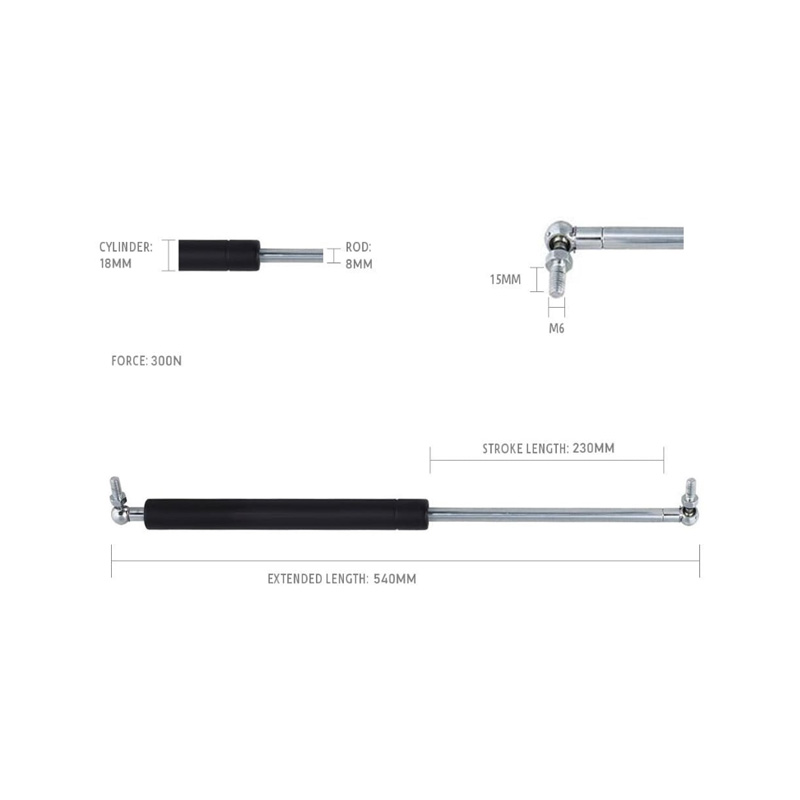 Gas Strut 230-540/300N GS230-540-300NExtended L...
 -
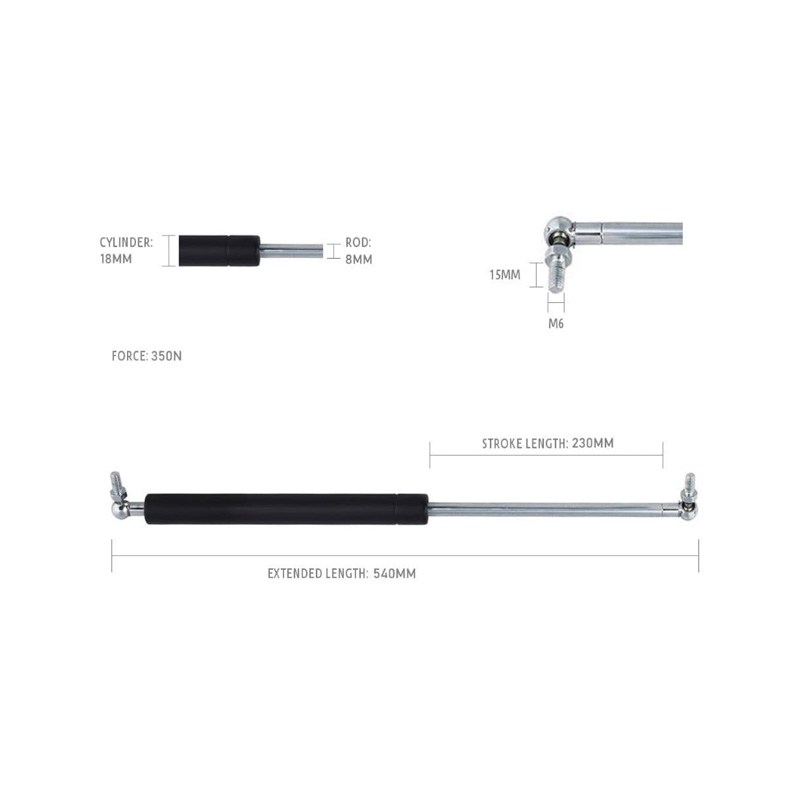 Gas Strut 230-540/350N GS230-540-350NExtended L...
 -
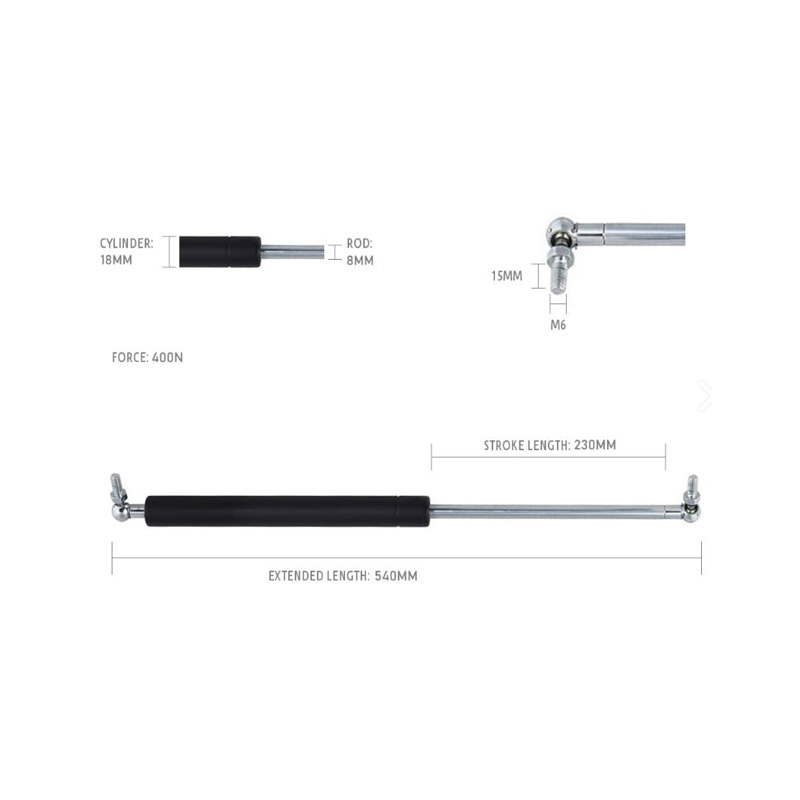 Gas Strut 230-540/400N GS230-540-400NExtended L...
-
- Ladder Rack >
- Canopy Ladder >
- Toolbox Cargo Cage >
- Toolbox Rear Gate >
-
Fuel Gas Tool Holder
>
-
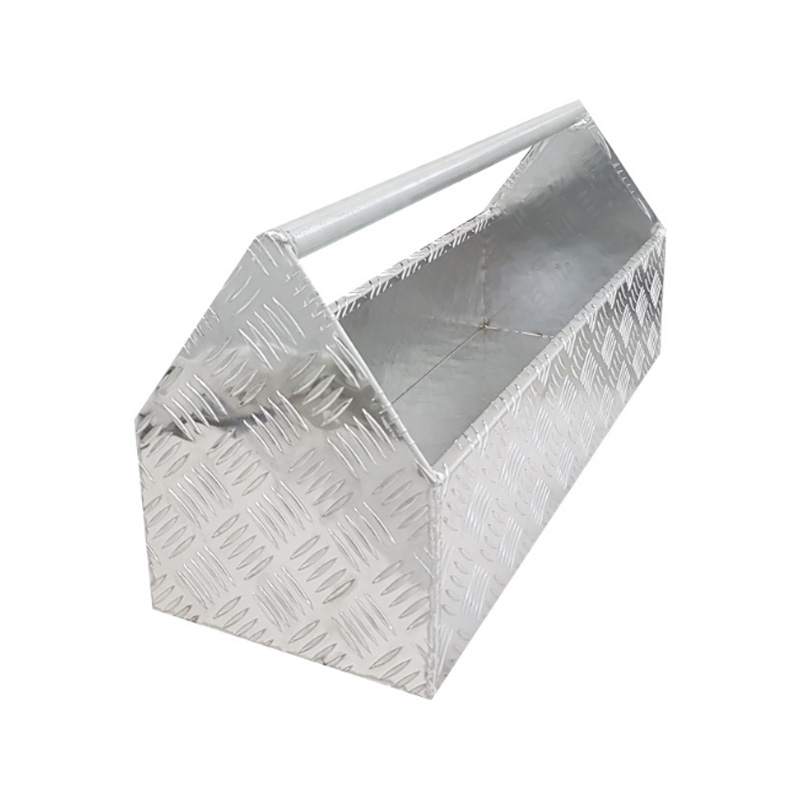 600 x 230 x 290mm Aluminium Tool Storage Handle Holder Heavy Duty ToteThickness:...
 -
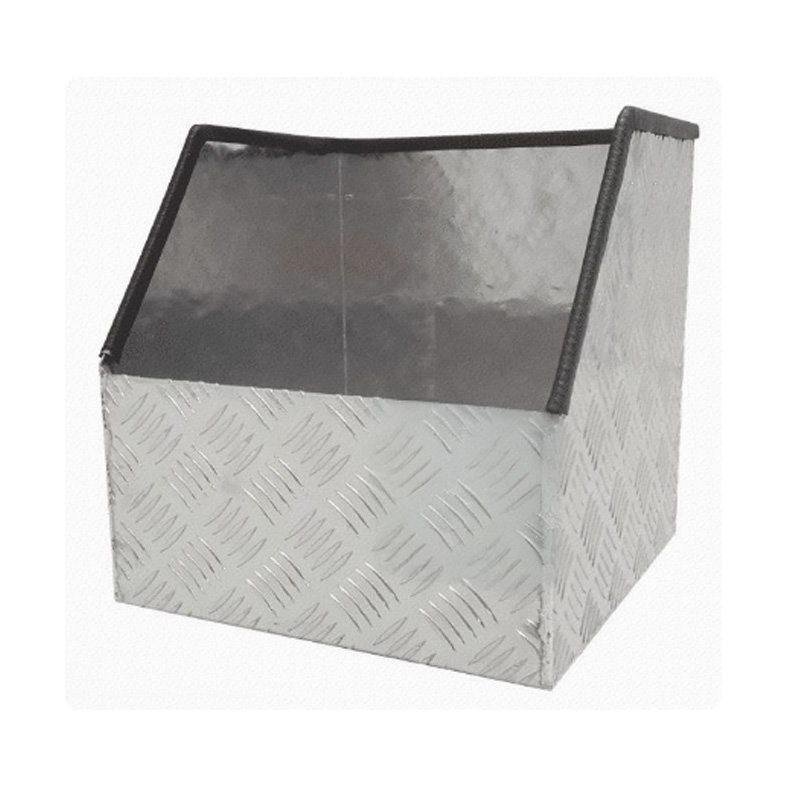 320 x 320 x 320mm Aluminium Checker Camping Camper 4x4 Ute Truck Trailer Gas Bottle HolderSize Lengt...
 -
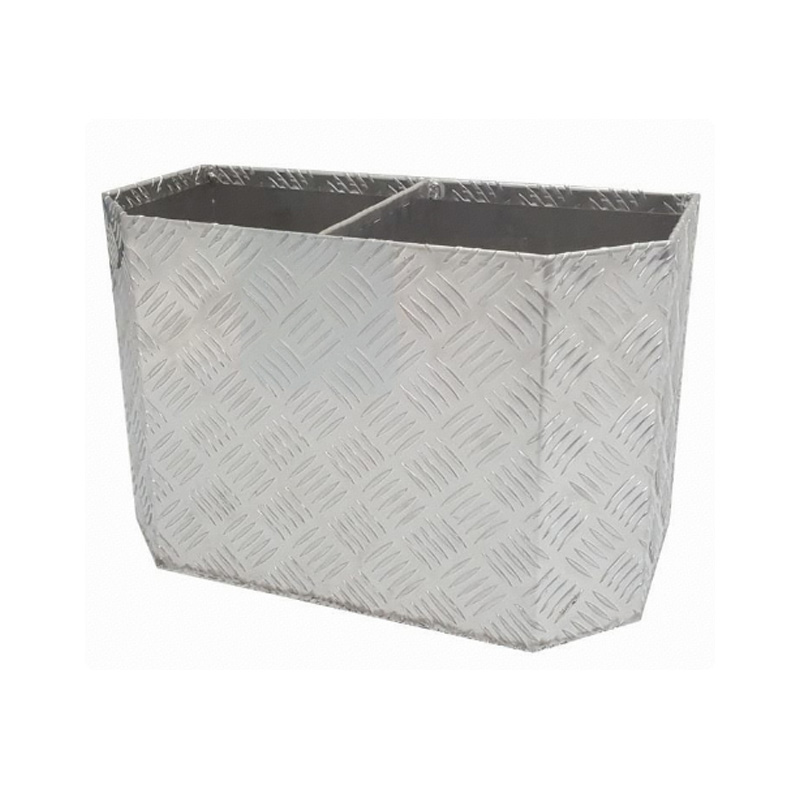 450 x 230 x 300mm Aluminium Checker Camping Camper 4x4 Ute Truck Acetylene Oxy Gas Bottle Holder with DividerThickness:...
 -
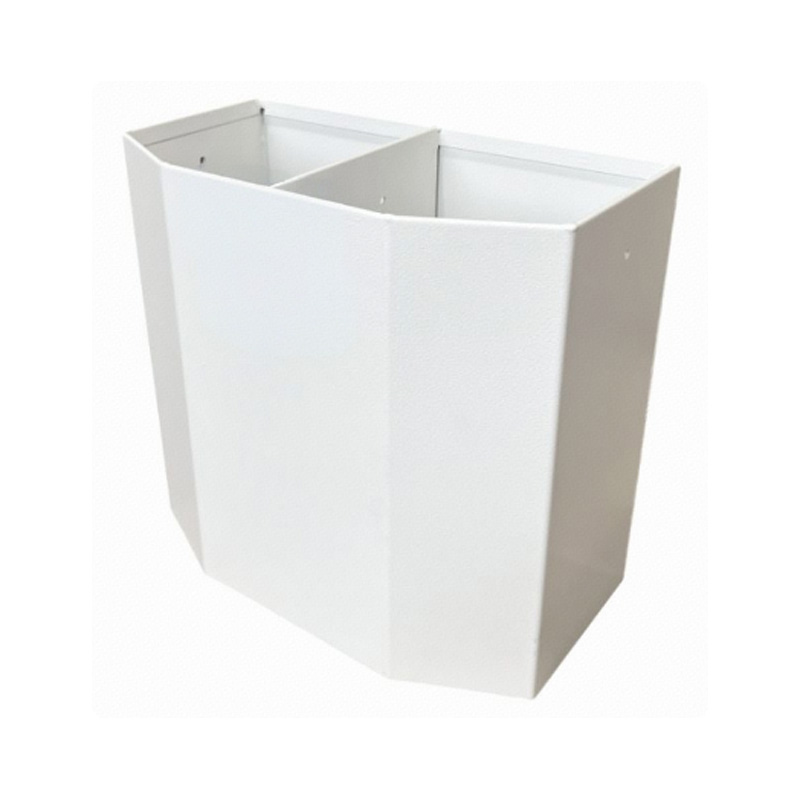 450 x 230 x 380mm Aluminium Camping 4x4 Ute Truck Acetylene Oxy Gas Bottle Holder with DividerThickness:...
 -
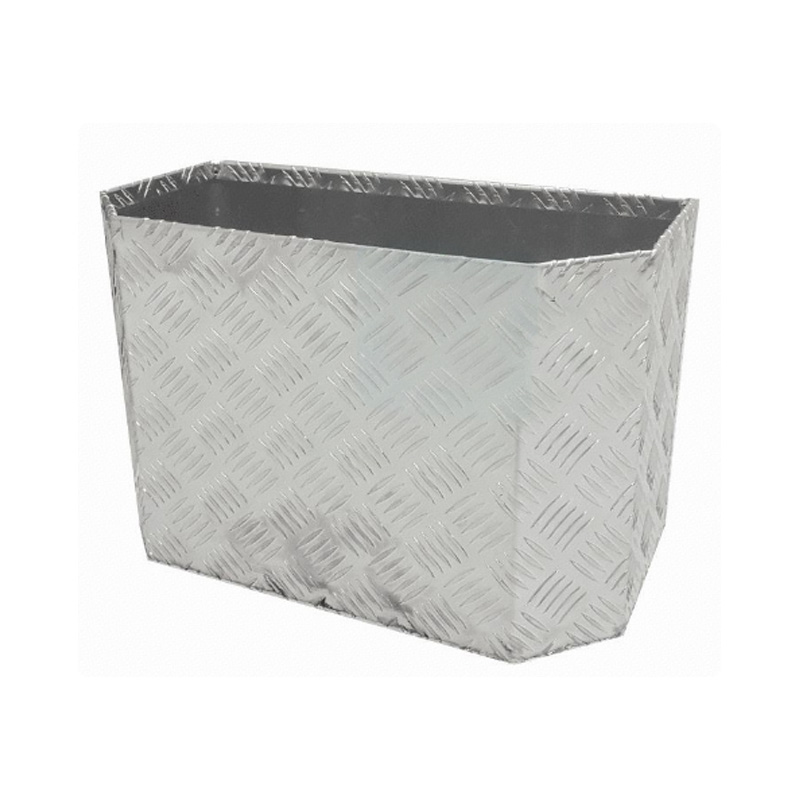 450 x 230 x 300mm Aluminium Checker Camping Camper 4x4 Ute Truck Acetylene Oxy Gas Bottle HolderThickness:...
 -
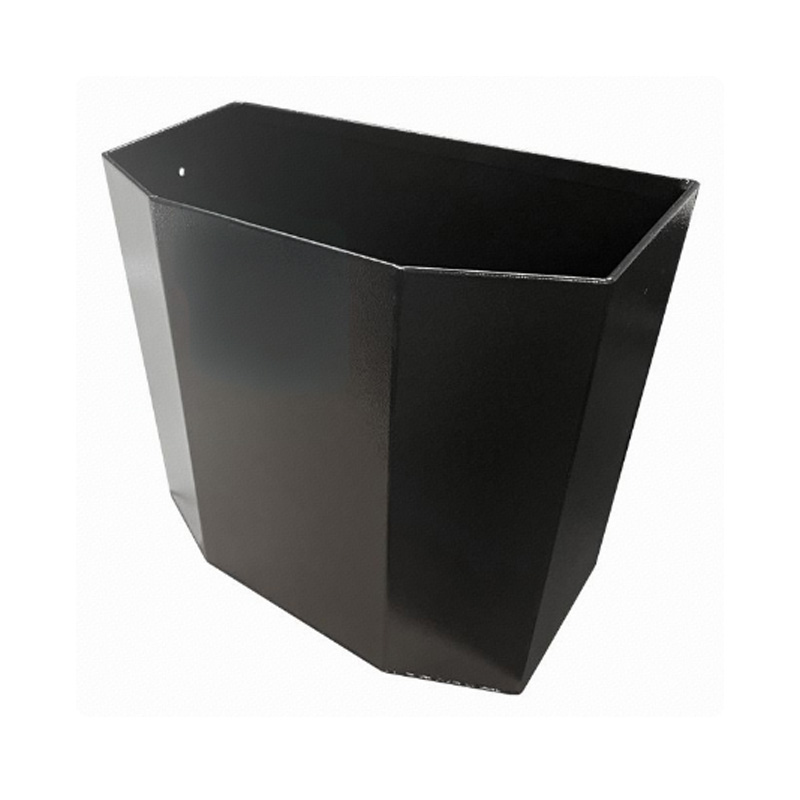 450 x 230 x 380mm Aluminium Camping 4x4 Ute Truck Acetylene Oxy Gas Bottle HolderSize Lengt...
 -
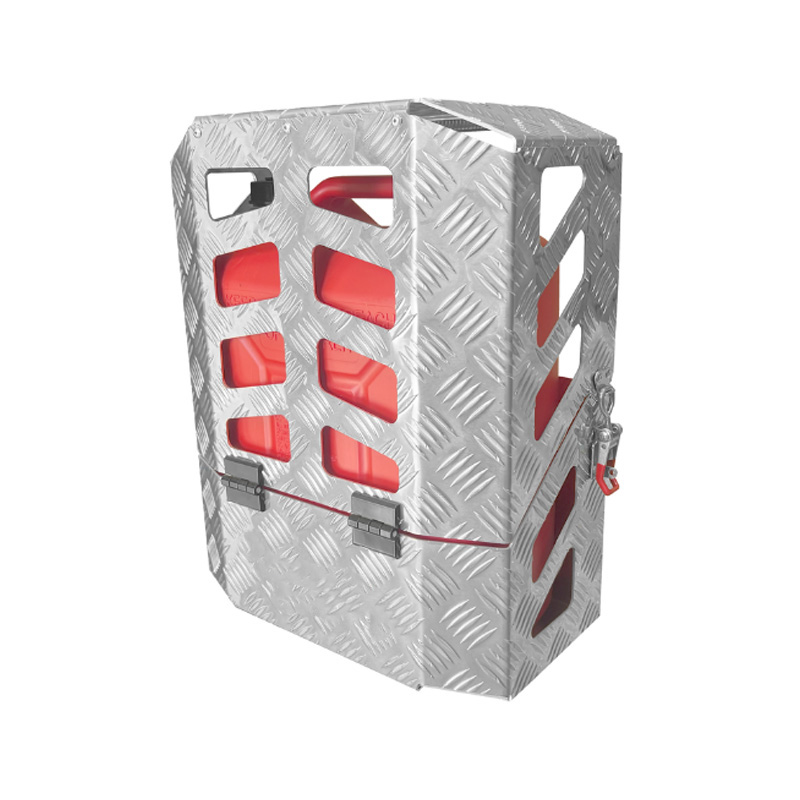 400 x 220 x 500mm Checker Aluminium Ute Camping Camper Jerry Can Bottle Holder Pad lockable Tool BoxThickness:...
 -
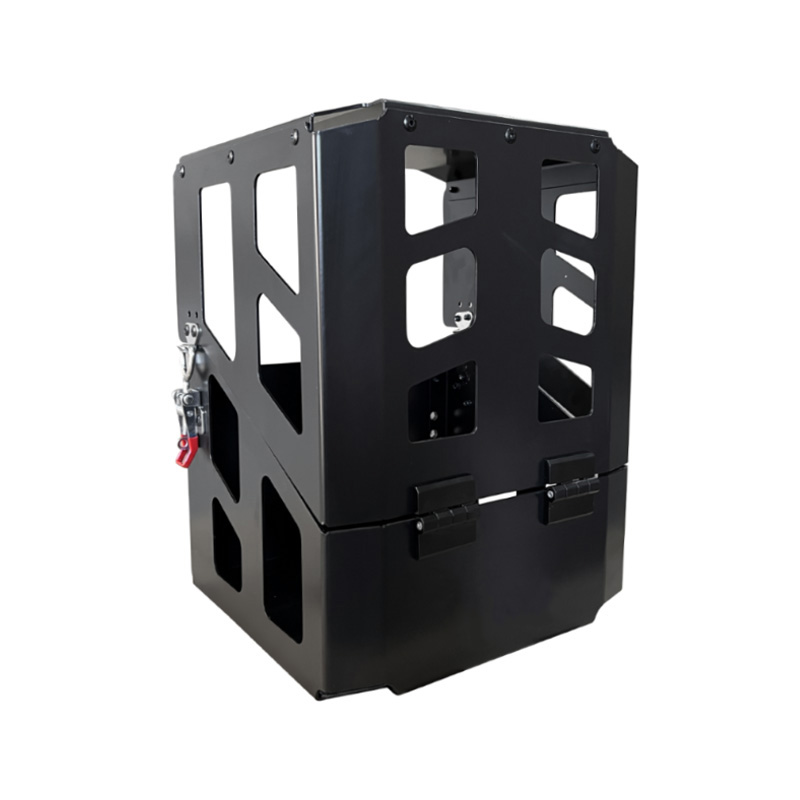 335 x 285 x 400mm 4.5kg Aluminium Gas Bottle HolderThickness:...
 -
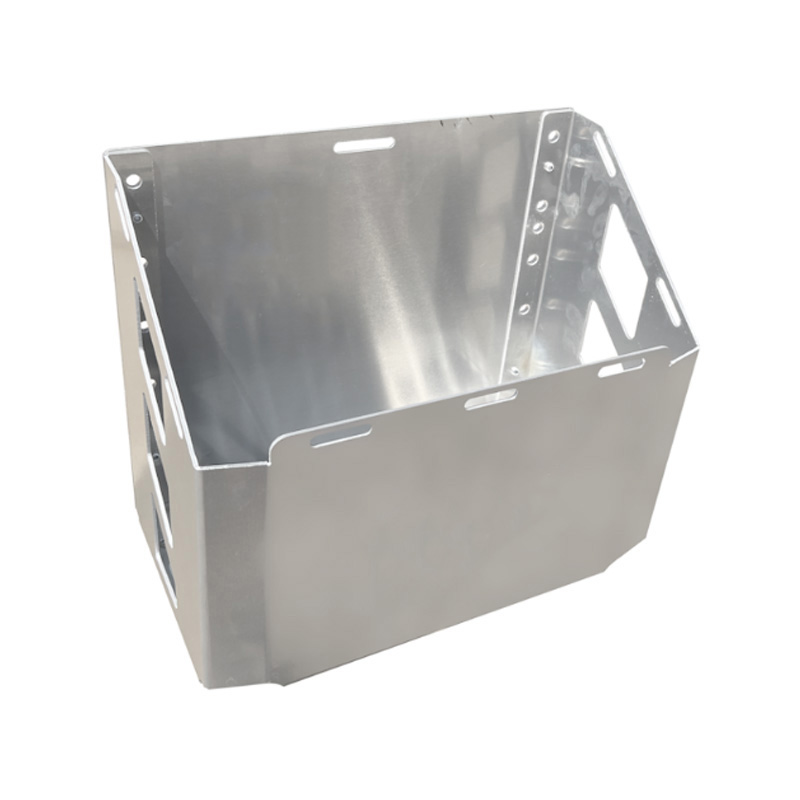 361 x 196 x 303mm Flat Aluminium Ute Camping Camper Jerry Can Bottle Holder Tool BoxThickness:...
-
- Jack off Legs >
-
Trailers Accessories
>
- About
- News
- Contact


 English
  Español
  русский
 Could a Folding Flatbed Trailer Change Weekend Hauling
Weekend hauling often involves jobs that do not justify keeping a large trailer permanently parked outside. Garden equipment, furniture, building materials, motorcycles, ATVs, camping gear, and renovation supplies may only need to be transported occasionally. Such use has created interest in the Folding Utility Flatbed Trailer, which combines an open loading platform with a storage-friendly folding structure.
The Storage Problem Behind Trailer Ownership
Traditional utility trailers require a dedicated parking area even during periods without hauling work. Garages, driveways, and small residential storage areas may not have enough room for a full-size trailer.
Folding construction approaches this problem differently. After unloading, the trailer can be folded into a smaller footprint and moved against a wall or into another compact storage position.
- Garage storage: Folded dimensions can make use of floor space that would be difficult to dedicate to a conventional trailer.
- Seasonal use: The trailer can be stored away during periods with little hauling activity.
- Residential use: Compact storage can be useful where outdoor parking space is limited.
One current 4 × 8 ft folding utility trailer, for example, folds to approximately 24 × 63 inches of floor space while retaining a 1,720 lb load capacity when deployed.
Does Folding Mean Giving Up Deck Space?
Not necessarily. Folding mechanisms can be designed around the trailer frame rather than reducing the usable platform to a small utility cart. Some current models provide a full-size deck after deployment.
One 6 × 9 ft folding utility trailer uses a deck intended for ATVs, UTVs, golf carts, appliances, wood, and building materials, with a listed 2,000 lb load capacity.
This creates an interesting balance: the trailer occupies a relatively compact area during storage while providing substantially more usable space after being unfolded.
Deck Size Still Determines the Job
Foldable construction does not eliminate the need to match trailer dimensions with cargo. A compact 4 × 8 ft platform may suit household projects and garden equipment, while larger 6 × 9 ft or similar decks provide additional room for powersports equipment and bulky materials.
- Measure cargo length before deciding on deck size.
- Check wheel-track width for ATVs, mowers, and similar equipment.
- Consider ramp width for wheeled or tracked machinery.
- Leave adequate room for tie-down access around the cargo.
Loading Access Can Be More Important Than Folding
Flatbed construction creates another benefit for weekend users: cargo does not have to fit inside an enclosed body. Furniture, timber, landscaping supplies, appliances, and recreational equipment can be positioned directly on the deck.
Fold-down rails can also open the sides of a utility trailer for forklift loading or longer and wider cargo. Current utility trailer designs use fold-down rails specifically to create unobstructed side-loading access.
Such flexibility can matter during home improvement projects, where loading conditions may change from one weekend to the next.
Ramps Expand the Type of Cargo You Can Carry
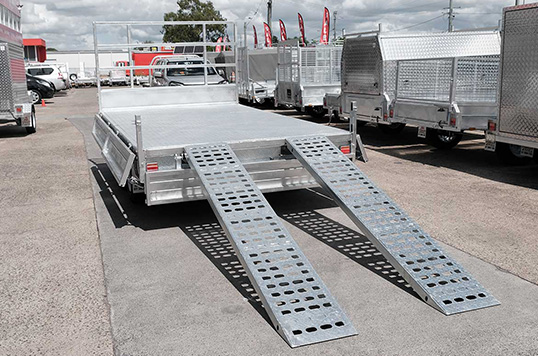
Flatbed trailers become more versatile once ramp design is considered. A suitable ramp allows equipment with wheels to drive directly onto the deck rather than requiring lifting equipment.
Some folding utility trailers use two removable ramps, while other designs integrate a folding ramp or gate into the trailer structure. One current 6 × 9 ft model lists two 48 × 13 inch ramps and a 2,000 lb maximum load capacity.
- Mowers: Drive-on loading can simplify movement of lawn equipment.
- ATVs and UTVs: Ramp width and deck width should match the vehicle.
- Motorcycles: Low loading angles can make positioning easier.
- Garden machinery: Wheeled equipment can remain on its own wheels throughout loading.
What Happens to Stability After Folding?
The folding mechanism is only part of the engineering equation. Once deployed, the frame needs to behave like a functional trailer rather than a temporary platform.
Suspension, axle arrangement, frame connections, tires, coupler, and load distribution all contribute to towing behavior. Current folding models are available with independent torsion axles, while other utility trailers use conventional leaf-spring suspension.
Users should therefore inspect the manufacturer's specifications for the deployed configuration rather than assuming that every folding trailer has the same towing characteristics.
Payload Is Still the Hard Limit
Compact storage does not mean unlimited hauling capacity. Trailer tare weight reduces the amount of cargo that can legally and safely be carried, while axle and gross vehicle weight ratings establish important boundaries.
Current folding products illustrate a broad range. Examples include a 1,720 lb-capacity 4 × 8 ft trailer and a 2,000 lb-capacity 6 × 9 ft model.
- Check payload: Calculate cargo weight rather than judging capacity from deck size.
- Check towing vehicle limits: Trailer and cargo weight must remain within the vehicle's rated towing capacity.
- Check tongue weight: Load placement can affect towing stability.
- Check axle rating: Total trailer load should remain within the specified axle capacity.
Could Folding Design Suit Occasional Hauling?
Regular contractors may need a larger dedicated trailer, while occasional users often face a different problem: finding somewhere to keep the trailer between jobs. Folding construction directly addresses that storage challenge without removing the basic advantages of an open flatbed.
Such trailers can be useful for homeowners, recreational users, small property operators, and tradespeople who need transportation capacity periodically rather than every day.
Storage Becomes Part of Trailer Selection
Choosing a trailer is usually associated with payload, deck size, axle configuration, and towing requirements. Folding models add another consideration: how much space the trailer occupies after the job is finished.
A Folding Utility Flatbed Trailer can provide a practical middle ground between a permanently parked utility trailer and having no trailer available at all. Its value comes from combining a usable flatbed platform with a structure that can be reduced for storage.
Weekend hauling therefore becomes less about keeping a large trailer ready at all times and more about having hauling capacity available when needed. Deck dimensions, payload rating, ramp design, suspension, folding dimensions, and storage location should all be considered together before making a purchase.
Post a comment
- GET A QUOTE
- PRODUCTS
- TRAILERS
- TOOLBOXES
- ACCESSORIES
- CONTACT US
-
-
 +86-0579-82795522
 -
 +86-13362901332(Jack)
-

-
 No. 1533 Huaxi Road, Jinhua City, Zhejiang Province, China
-
- MOBILE SITE

